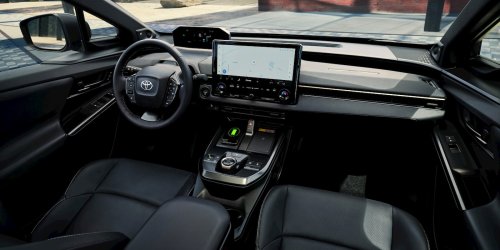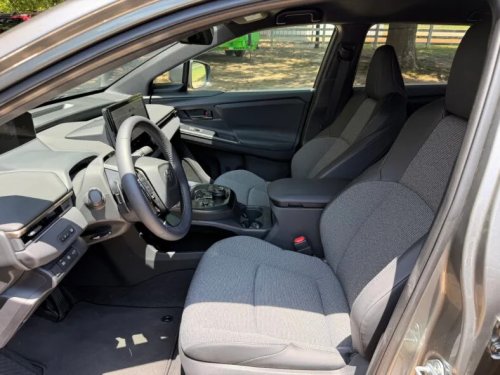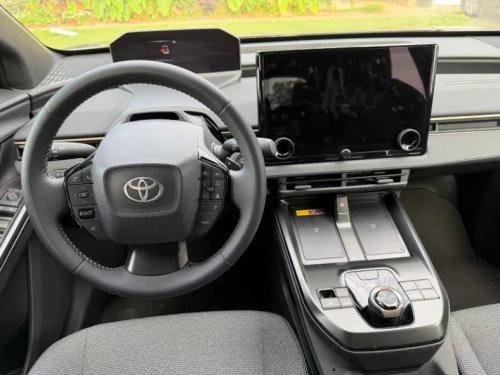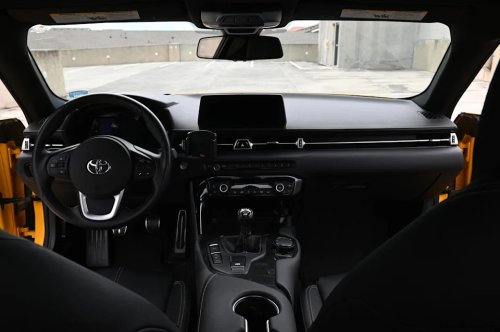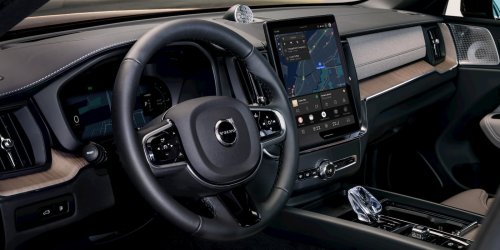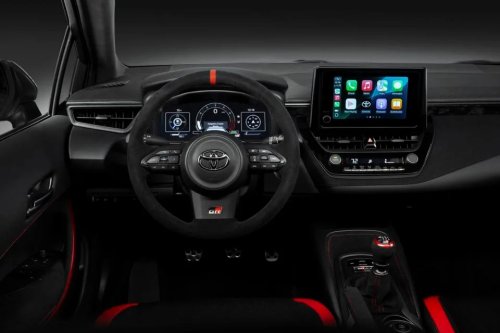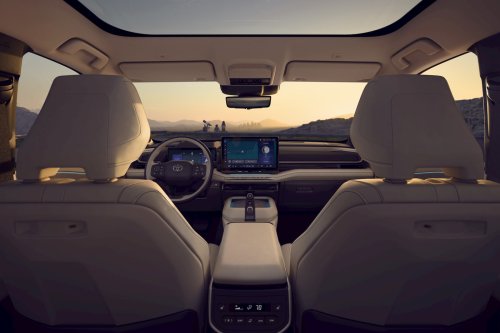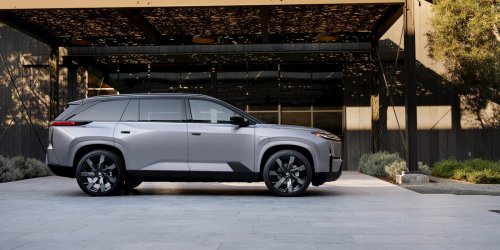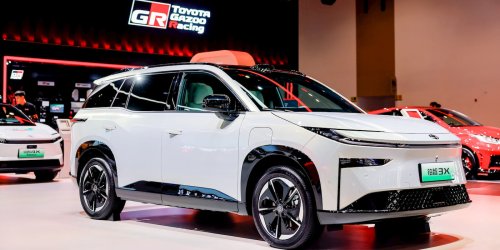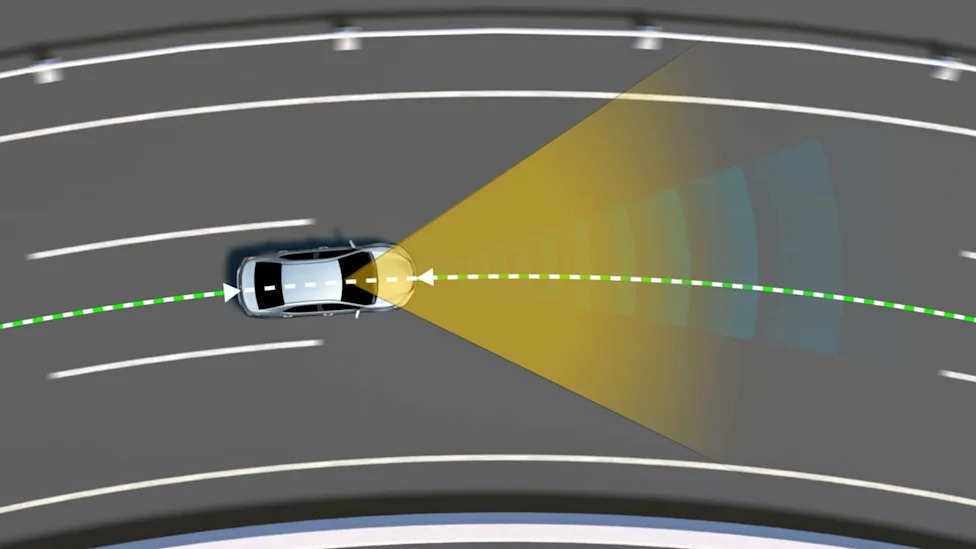
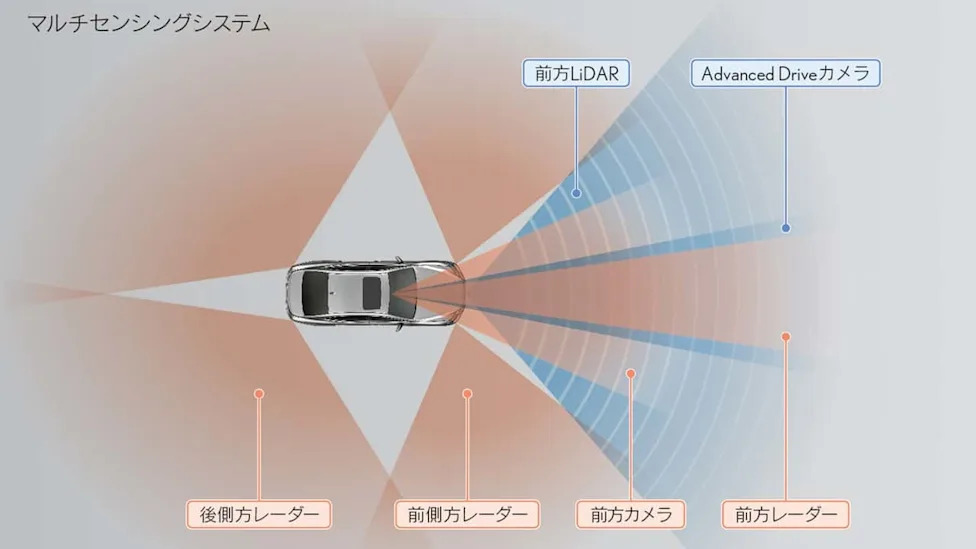
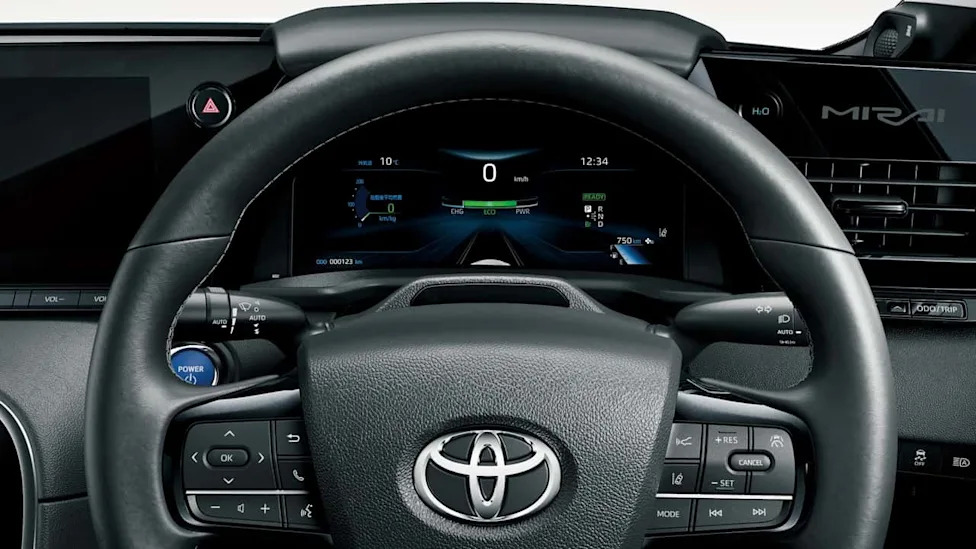


















Toyota next gen ADASThe automaker is also planning to team up with Waymo to enter the robotaxi arena.Toyota's next-generation advanced driver assistance system (ADAS) arrives in 2028.It could potentially be more capable than today's system, which offers adaptive cruise control and lane centering.The automaker isn't copying Tesla's Full-Self Driving system, though. Toyota's version will have more guardrails in place.Toyota is preparing to roll out an advanced driver assistance system that will compete with Tesla's Full Self-Driving (Supervised), though the underlying technical approach may be quite different. The automaker currently offers adaptive cruise control with lane centering, lane change assist, and auto park, but the upcoming system might potentially be even more capable.Japan's Nikkei reported Monday that the system will be "Level 2++" capable. That's not an official classification, though. It's a marketing term conjured up by automakers to describe capabilities that fall somewhere between Level 2 and Level 3 autonomy. According to the Society of Automotive Engineers, Level 2 includes adaptive cruise control and lane centering while the driver stays fully in control, and it's mainly a highway assist system. Level 3 goes further, letting drivers take their eyes and hands off the wheel, but they still need to be ready to take over when the system asks them to.AdvertisementAdvertisementThe systems automakers market as L2+ or L2++ sit in between. They can work on the highway and in the city, with point-to-point supervised driving similar to what Tesla's FSD offers. The driver is still ultimately in charge and has to stay ready to intervene. If something goes wrong, automakers will mostly certainly blame the driver, which is exactly what's played out in multiple Tesla lawsuits. It's still unclear exactly where on this spectrum Toyota's system will land. InsideEVs reached out to the automaker for comment but hadn't heard back at the time of writing.Toyota next gen ADASHere's where Toyota's approach really differs from Tesla's, though. Per Nikkei, Toyota isn't betting everything on end-to-end AI that Tesla relies on, where a single powerful computer (neural network) handles everything all at once. Instead, Toyota plans to layer in what it calls a "guardrail" system which will monitor the AI's behavior and step in to block anything unexpected, based on parameters humans set ahead of time. Toyota believes this approach can meaningfully improve safety, and the company claims it could prevent around 60% of the traffic fatalities and injuries we see today.However, this is what Akihiro Sarada, the head of Toyota's Software Development Center told the outlet: "We'll develop Level 4 technology from a technical standpoint, but offer it commercially as Level 2++" he said. "We'll proceed in a way that ensures both safety and explainability based on the technology." To translate that, even though the underlying tech is being built to a higher standard, drivers will still be the ones on the hook if the car does something it isn't supposed to.Toyota steering wheel next gen ADASToyota plans to introduce the system on its 2028 models and expand it across more vehicles by 2030, per the report. Which countries will get it first is still unclear, but it wouldn't be surprising if the U.S. is among them, especially as more automakers here are working on similar systems or have already started rolling them out. Mercedes-Benz is working on its own version, called MB.Drive Assist Pro, and Rivian now offers something comparable with Autonomy+.AdvertisementAdvertisementThe outlet added that Japan will get Level 4 commercial vehicles by the end of the decade. The country has already legalized Level 4 systems and is targeting roughly 10,000 Level 4 taxis, buses, and other vehicles on its roads by 2030. Level 4 vehicles are fully autonomous and don't require a human to take over at all, though they typically operate within a defined geographic area. Think of the Waymo robotaxis that have been expanding across U.S. cities.Speaking of which, Toyota is also reportedly in talks to partner with Waymo as its entry point into the robotaxi business, though details and a timeline remain scarce for now. Either way, the moves signal that Japanese automakers, who've largely watched from the sidelines as U.S. and Chinese companies push autonomous driving forward, are now working to catch up as the industry moves toward a future that's both more electric and more autonomous.Contact the author: [email protected]Related StoriesI Went To Toyota's Employee Electrification Training. Here's What Surprised MeToyota Will Modernize Your Aging Plug-In With Its Factory Upgrade ProgramToyota's Next Generation Hybrid Batteries Promise Lower Cost, Better PerformanceToyota Is Paying EV Drivers $3,000 To Switch To A bZ