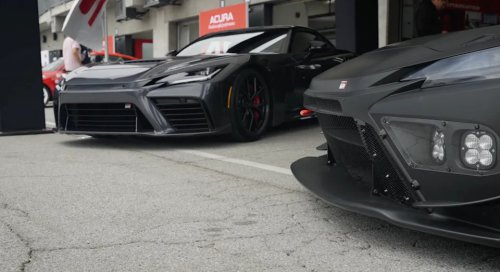
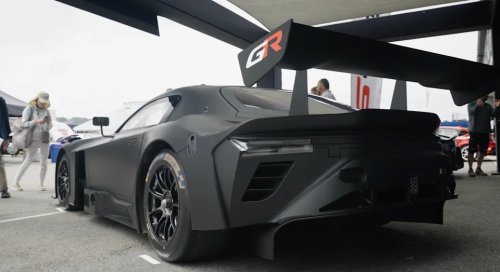
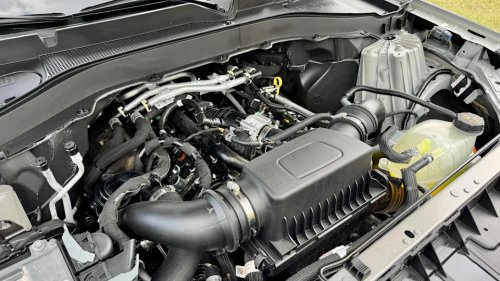
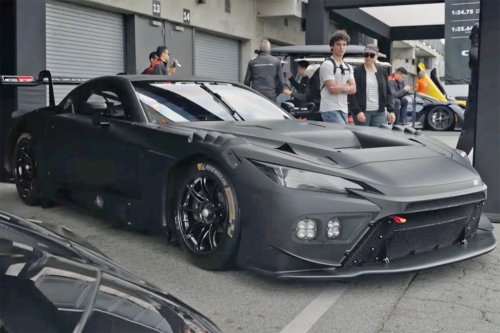
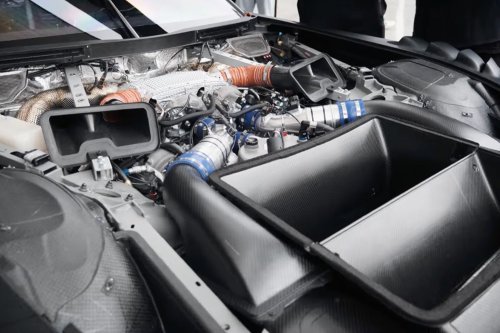
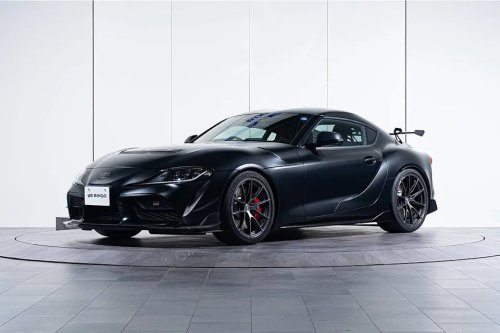
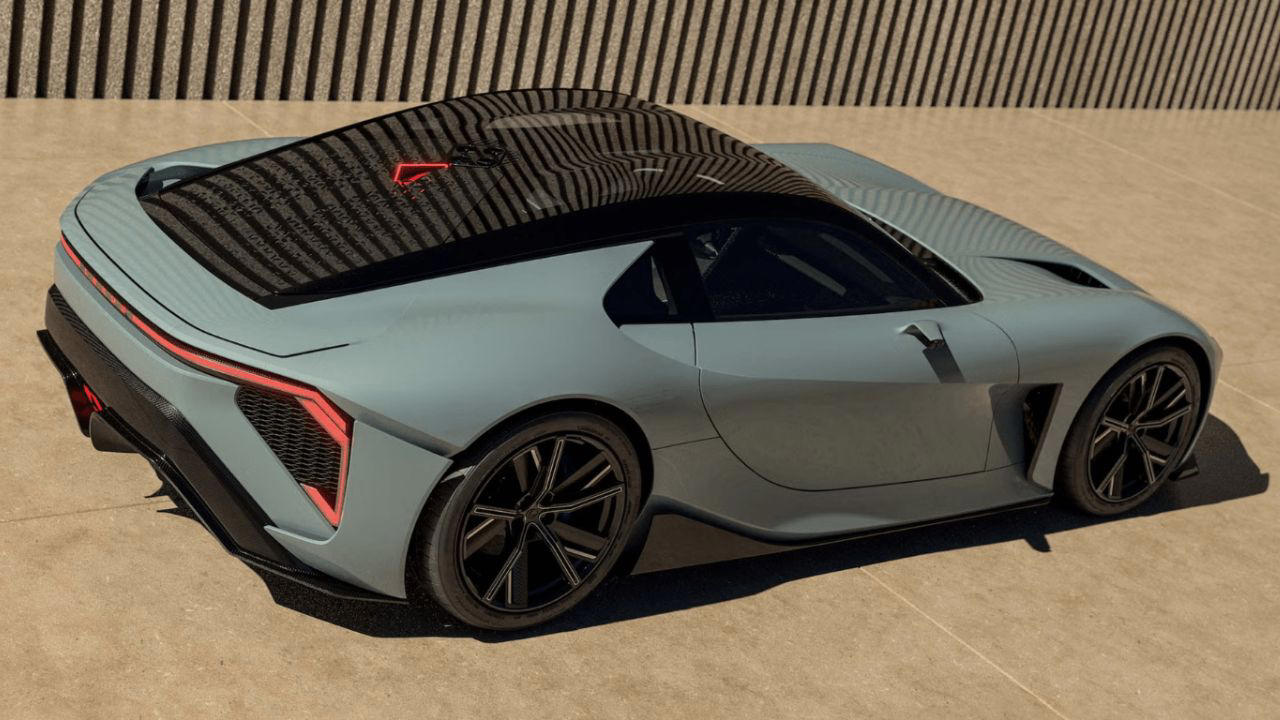
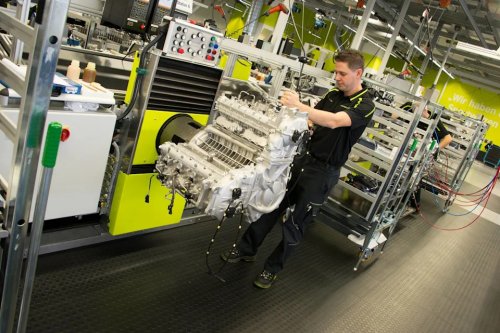
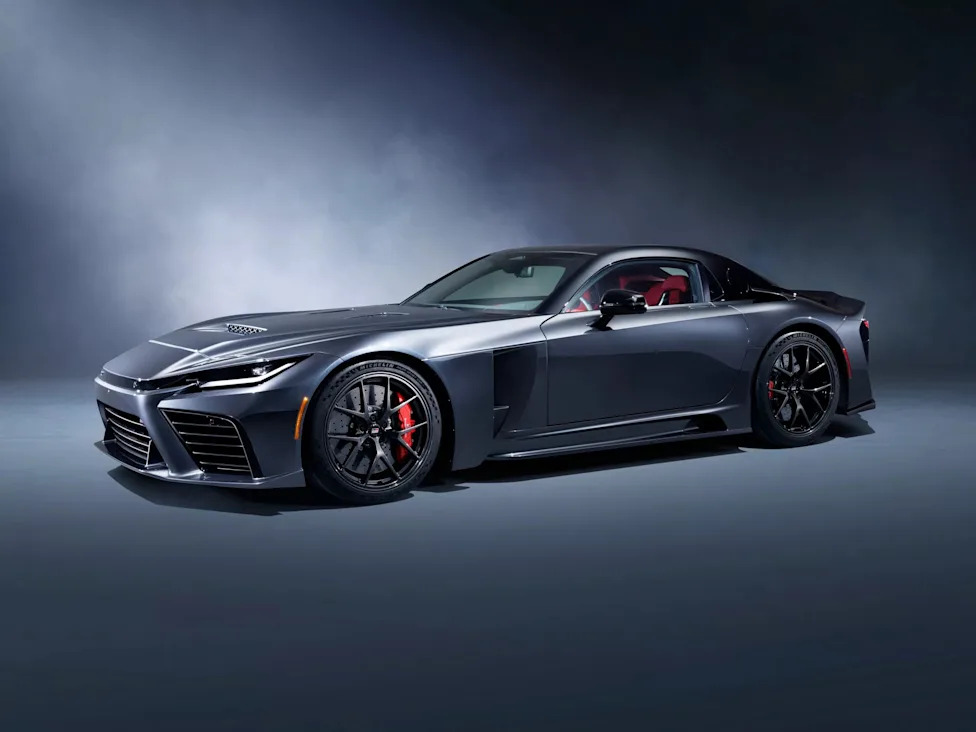
Toyota’s new twin turbo hybrid V8 targets next gen halo carsYou are watching Toyota pivot its performance future around a single statement piece: a new twin turbo hybrid V8 built to anchor halo cars rather than commuter hybrids. Instead of walking away from cylinders, you now see the company using electrification to make a 4.0 liter V8 sharper, cleaner, and more versatile across Toyota and Lexus flagships. If you care about where high end combustion goes next, this engine and the GR GT supercar wrapped around it offer a clear preview. They give you a front row seat to how a conservative giant intends to chase 650 PS and beyond while still talking about emissions and long term relevance. The GR GT as Toyota’s new halo statement You can read the GR GT as Toyota’s way of telling you that the era of anonymous performance hybrids is over. It arrives as a low, long nosed supercar developed by Gazoo Racing, with the engine pushed back and the driver dropped deep into the chassis so you sit almost on the center of gravity. Official material describes an uncompromising push for a lower seating position and balance that brings you and the machine into the same point of control, a philosophy you see in the detailed packaging of the GR GT body. That focus on balance is not just a design flourish; it is the structural foundation for the new V8. Toyota uses a compact twin turbo layout and hybrid hardware to keep the mass concentrated between the axles, and the company talks about a development process that challenges its own conventional methods in order to chase that low center of gravity. You feel that in the way the cockpit is described as almost integrated into the drivetrain, with the chassis and powertrain engineered together to achieve the uncompromising pursuit of stability and feedback. Inside the twin turbo hybrid V8 Under that sculpted hood, you are dealing with a newly developed 4.0 liter twin turbo V8 that defines Toyota’s next performance chapter. At the Japan Mobility Show, Toyota outlined this engine as a twin turbocharged 4.0 liter unit paired with a hybrid system, configured to deliver high output while still aligning with global emissions standards, a balance you see described in the Key Points summary from that reveal. The layout is classic performance hardware, but the calibration is modern, with electric torque filling gaps that turbos once left exposed. Look at the hard numbers and the picture sharpens. The Toyota GR GT features a 4.0L twin turbo 90º V8 engine, producing 650 PS (641 HP) and 850 N m (627 lb ft) in combination with its hybrid system, figures that drop this car directly into the orbit of established exotics and are spelled out clearly in Feb engineering notes. You are not dealing with a mild assist system or a fuel economy special, but a hybrid that leans into instant response and sustained power delivery. How the hybrid system changes the driving experience From your perspective behind the wheel, the hybrid side of this V8 is less about silent EV modes and more about sharpening every input. Reporting on Toyota’s development approach makes it clear that the hybrid system will not require plug in charging and is tuned for performance rather than extended electric cruising, with the goal to balance sustainability with driver engagement in a way that keeps the engine central to the experience, as set out in Nov development coverage. You get the advantages of electrification without the sense that the V8 is just along for the ride. The result is a powertrain that behaves like a very fast, very responsive combustion engine with an invisible assistant filling in the gaps. Descriptions of the GR GT’s powertrain talk about a newly developed hybrid system that pairs the 4.0 liter twin turbo V8 with electric motors and sophisticated control logic so you feel smooth, consistent thrust and stable balance even as the car transitions between regeneration and power delivery, a setup detailed in the Powertrain overview. You experience the electric side not as a separate mode, but as an integrated part of throttle feel, traction and corner exit speed. GR GT and GR GT3: twin flagships for track and street Zoom out from the single car and you see Toyota building a small family of halo products around this engine. The GR GT arrives as the road going centerpiece, while a GR GT3 variant targets competition and track focused customers, both using the twin turbo hybrid V8 as their core. Toyota has already signaled plans to release these new supercars around 2027, which gives you a clear window for when this hardware moves from show stand to customer hands, a timeline laid out in Dec product plans. The GR GT itself is framed as the halo car for Toyota’s new GR brand, intended to sit above the GR Supra and GR Yaris in both price and performance. Walkaround coverage describes the long, low hood that hides the twin turbo 4.0 liter V8 and positions the car as a limited production flagship expected to cost around half a million dollars, which puts you squarely in Ferrari and McLaren territory, as captured in Dec halo car. If you are used to thinking of Toyota as the Camry and Priuse company, this is a deliberate reset of your expectations. Beyond one supercar: Lexus and the wider V8 strategy Follow the breadcrumbs and you see that Toyota is not designing this twin turbo hybrid V8 just for a single low volume showpiece. Earlier communications made clear that Toyota has confirmed a brand new twin turbo V8 engine that will power both an upcoming Lexus GR supercar and a flagship Toyota model, a shared strategy that invites you to think of this powertrain as a modular performance tool, as highlighted in Oct twin use. You are effectively looking at a new family engine that can be tuned and dressed for multiple badges. Hints from the Lexus side reinforce that reach. Coverage of Toyota and Lexus plans notes that this connection supports earlier reports suggesting a twin turbo 4.0 liter V8 is on the way that could deliver more than 800 horsepower in some applications, and that Toyota’s V8 revival will not be limited to one halo model but will extend to future Lexus sports cars, including concepts that echo the spirit of the LFA and the Lexus LFA concept, as discussed in Oct Lexus reporting. For you as an enthusiast, that means this engine is likely to surface in multiple forms, from track specials to grand touring coupes. More from Fast Lane Only Unboxing the WWII Jeep in a Crate 15 rare Chevys collectors are quietly buying 10 underrated V8s still worth hunting down Police notice this before you even roll window down



















 +30 others













![Toyota, Toyota's $15,000 Chinese EV spotted overseas in RHD [Images]](https://cdn.topcarnews.net/thumb/id/aHR0cHM6Ly9pMC53cC5jb20vZWxlY3Ry-ZWsuY28vd3AtY29udGVudC91cGxvYWRz-L3NpdGVzLzMvMjAyNi8wOS9Ub3lvdGEt-YlozWC1FVi1SSEQuanBlZz93PTE1MDAm-YW1wO3F1YWxpdHk9ODImYW1wO3N0cmlw-PWFsbCZhbXA7c3NsPTE/3fdd3b5d03bdc27308f0c99caa99667e.jpeg?t=20260926&post_id=64756)
![Toyota, Toyota's $15,000 Chinese EV spotted overseas in RHD [Images]](https://cdn.topcarnews.net/thumb/id/aHR0cHM6Ly9lbGVjdHJlay5jby93cC1j-b250ZW50L3VwbG9hZHMvc2l0ZXMvMy8y-MDI1LzEyL1RveW90YS0xNTAwMC1lbGVj-dHJpYy1TVVYtMi5qcGVn/8219e8e9bd18568eaf6e5271753403d8.jpeg?t=20260926&post_id=64756)
![Toyota, Toyota's $15,000 Chinese EV spotted overseas in RHD [Images]](https://cdn.topcarnews.net/thumb/id/aHR0cHM6Ly9lbGVjdHJlay5jby93cC1j-b250ZW50L3VwbG9hZHMvc2l0ZXMvMy8y-MDI2LzAzL1RveW90YS1iWjNYLUVWLWlu-dGVyaW9yLTcuanBnP3N0cmlwPWluZm8m-YW1wO3c9MTkyMA/e40c0b720b4826f1bf2a5f18a1e13212.jpg?t=20260926&post_id=64756)
![Toyota, Toyota's $15,000 Chinese EV spotted overseas in RHD [Images]](https://cdn.topcarnews.net/thumb/id/aHR0cHM6Ly9lbGVjdHJlay5jby93cC1j-b250ZW50L3VwbG9hZHMvc2l0ZXMvMy8y-MDI2LzAzL1RveW90YS1iWjNYLUVWLWlu-dGVyaW9yLTUuanBnP3N0cmlwPWluZm8m-YW1wO3c9MTkyMA/dc60262a877c7e2cef1e74da54ca75ab.jpg?t=20260926&post_id=64756)
![Toyota, Toyota's $15,000 Chinese EV spotted overseas in RHD [Images]](https://cdn.topcarnews.net/thumb/id/aHR0cHM6Ly9lbGVjdHJlay5jby93cC1j-b250ZW50L3VwbG9hZHMvc2l0ZXMvMy8y-MDI2LzAzL1RveW90YS1iWjNYLUVWLWlu-dGVyaW9yLTYuanBnP3N0cmlwPWluZm8m-YW1wO3c9MTkyMA/ad5c9fdfd72ede2f92d0ae9b095b9e83.jpg?t=20260926&post_id=64756)