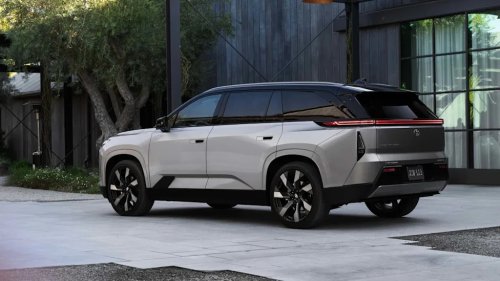
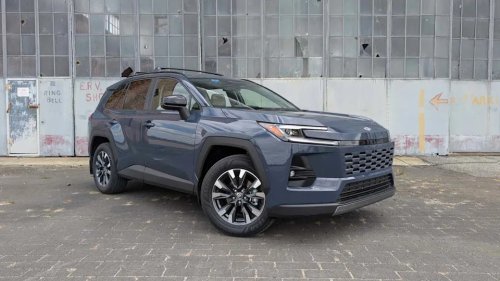
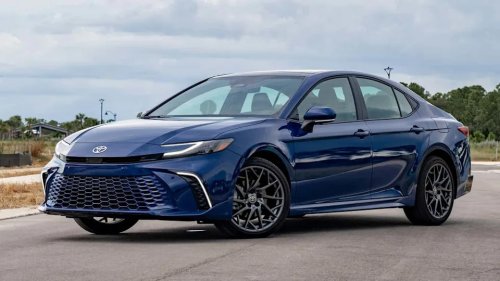
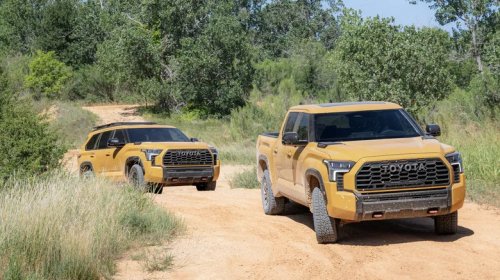
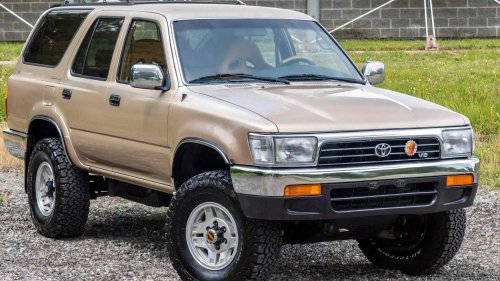
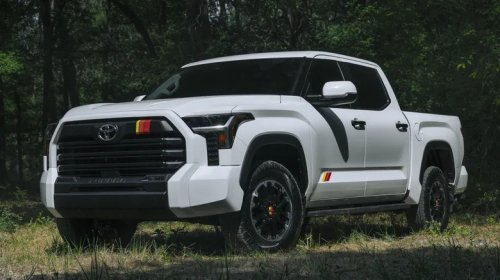
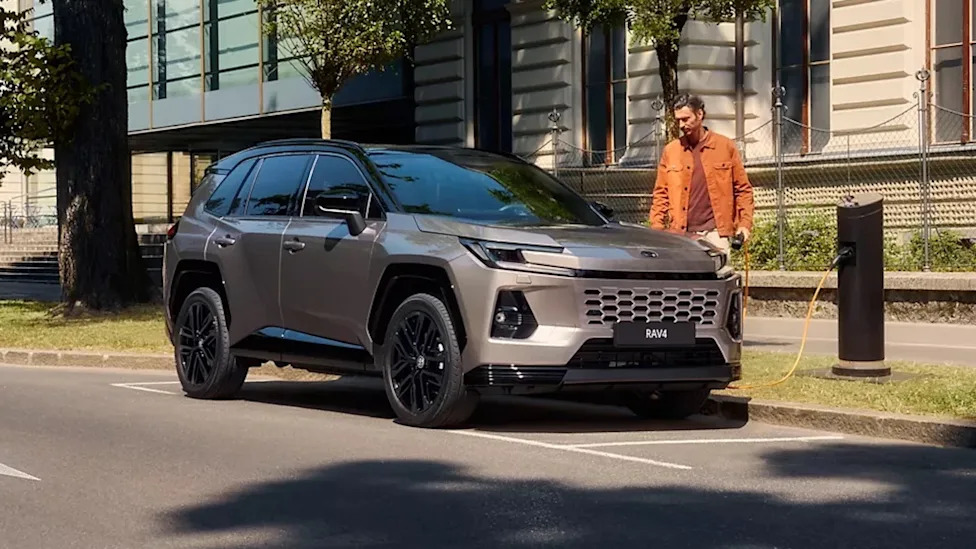
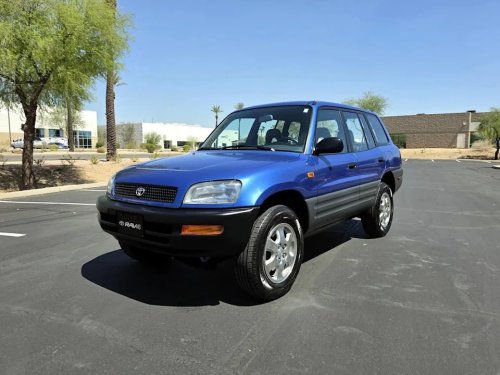
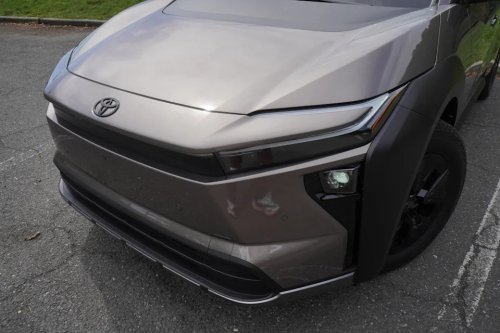
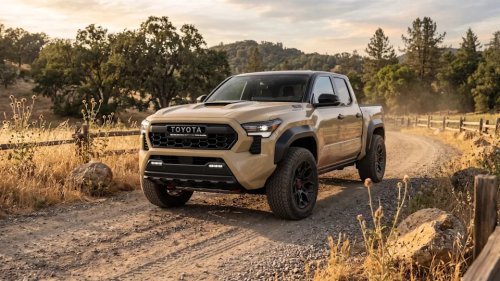
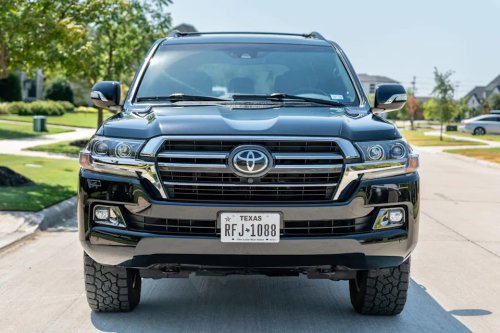
Toyota trims Middle East production by 40,000 vehicles on shipping riskToyota is scaling back vehicle production for the Middle East, trimming output in response to rising shipping risks on a key energy and trade corridor. The decision to cut nearly 40,000 units over a short window underscores how quickly geopolitical tension can ripple into factory schedules and dealer inventories across the region. The move throws a spotlight on the Strait of Hormuz and surrounding waters, where conflict has turned a vital route into a chokepoint for automakers as well as oil producers. For Toyota, the adjustment is a calculated attempt to limit exposure to disrupted sea lanes while maintaining its standing with Middle Eastern customers who rely on its flagship models. What Toyota is cutting, and why it matters Toyota Motor will produce nearly 40,000 fewer vehicles for Middle Eastern markets over two months, a reduction that covers both passenger cars and commercial vans. The cut is targeted at units bound for the Middle East and Mideast, rather than a broad global slowdown, suggesting the company is responding to route-specific risk rather than soft demand. Reporting linked to Mideast-bound vehicles indicates that the company is concentrating the slowdown in plants that supply popular Four Wheel Drive models and workhorse vans, which are mainstays for Gulf fleets and private buyers. The trigger is the closure of the Strait of Hormuz, where heightened Iran tensions have raised the cost and risk of transit for Japanese exporters. One detailed account of the conflict around Iran describes how shipping through the area has been disrupted, with some logistics providers facing delays or formal suspensions of their transits, a pattern that has already sent shockwaves through the auto industry. For Toyota, which depends on sea routes to move finished vehicles from Japanese plants to Middle Eastern ports, the risk calculus has shifted sharply. The decision to scale back output rather than reroute everything via longer passages reflects a judgment that congestion, insurance costs, and schedule uncertainty around the Strait of Hormuz have become too great to ignore. Models, timelines, and the Land Cruiser factor Within Toyota Motor, the cut is concentrated on specific nameplates that dominate the company’s Middle Eastern presence. Coverage of the plan highlights the impact on the Land Cruiser SUV, a model that has long been a status symbol in Gulf capitals as well as a work vehicle in harsher desert environments. Reporting on the Land Cruiser SUV suggests that the production trim will be felt most acutely in high margin four wheel drive lines, which are already subject to waiting lists in some Middle Eastern showrooms. Alongside these flagship models, commercial vans that serve construction firms, logistics operators, and government agencies are also part of the nearly 40,000-unit reduction. The timing is compressed, which magnifies the impact on dealers and customers. Reports indicate that Toyota Motor will reduce output for about two months, with one account pointing to a cut of 22,000 units in March followed by an additional 18,000 vehicles in April, figures that together add up to the headline 40,000 vehicles. That short window means dealers across the Middle East will feel a sudden tightening in allocations, particularly for high-demand models such as the Land Cruiser SUV and core commercial vans, rather than a gentle adjustment spread over a full model year. Shipping risk, Iran tensions, and supply chain exposure The decision by Toyota fits into a broader pattern of manufacturers reassessing exposure to conflict linked to Iran. Analysis of the Iran conflict has described how automakers and logistics groups have already faced rerouting, higher insurance premiums, and, in some cases, formal suspensions of their transits through the region, as documented in the earlier shockwaves analysis. For a Japanese manufacturer that relies heavily on maritime export lanes, the Strait of Hormuz closure is not only a security concern but also a commercial risk that can erode margins on every unit shipped through the area. Toyota’s cut, therefore, reads as a supply chain risk management move as much as a market decision. Market commentary has framed the move as a reaction to shipping concerns rather than a signal of weaker demand in Middle Eastern economies. A brief from MT Newswires notes that Toyota Motor will trim nearly 40,000 vehicles for Middle Eastern markets, pointing directly to shipping risk as the driver. That emphasis aligns with broader coverage that links the production cuts to the Strait of Hormuz closure and Iran tensions rather than any structural downturn in regional auto sales. In effect, Toyota is accepting a short-term hit to volumes to avoid sending high-value inventory into a transport corridor that has become unpredictable. Regional fallout, investor reaction, and what comes next For Middle Eastern buyers, the immediate effect is likely to be longer waiting times, particularly for high specification Four Wheel Drive models. Dealers that rely heavily on Toyota’s Land Cruiser SUV and related platforms may need to ration allocations among fleet customers and retail buyers, while some corporate clients could shift orders temporarily toward competitors that are less exposed to Japanese shipping lanes. The production trim also lands at a time when regional equity markets are sensitive to any sign of geopolitical risk. Coverage of the decision in business-focused outlets has appeared alongside benchmarks such as the Nifty 50, reflecting how investors are scanning for knock-on effects from transport disruptions into broader indices. On the corporate side, the move has been closely tracked by financial news services that follow Toyota Motor and its global footprint. One report explains that Toyota Motor will cut output for the Middle East by nearly 40,000 vehicles, citing Toyota Motor as the central actor in the adjustment and underlining that the focus is on the Middle East. Another account that references Follow and Reuters highlights that the move has drawn attention from global investors who watch how Toyota responds to geopolitical stress. Those reports also reference Mar and IST, along with figures such as 45 and 50, which frame the timing and context of the decision in financial market coverage. More from Fast Lane Only Unboxing the WWII Jeep in a Crate 15 rare Chevys collectors are quietly buying 10 underrated V8s still worth hunting down Police notice this before you even roll window down



















 +51 others