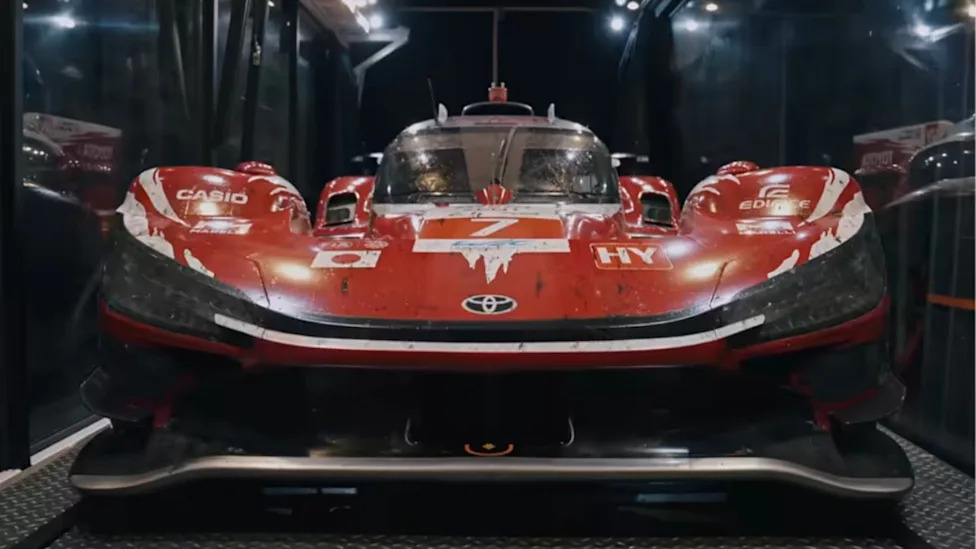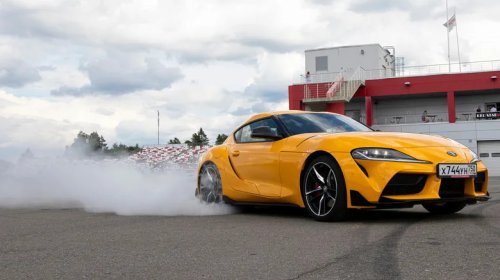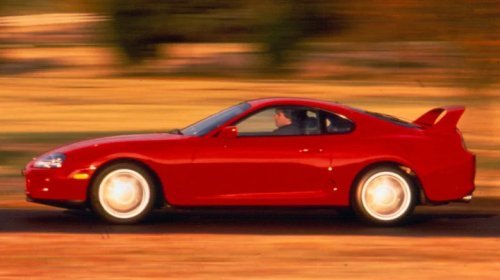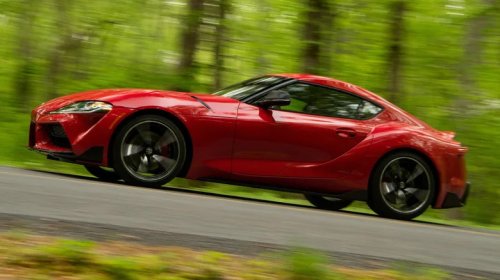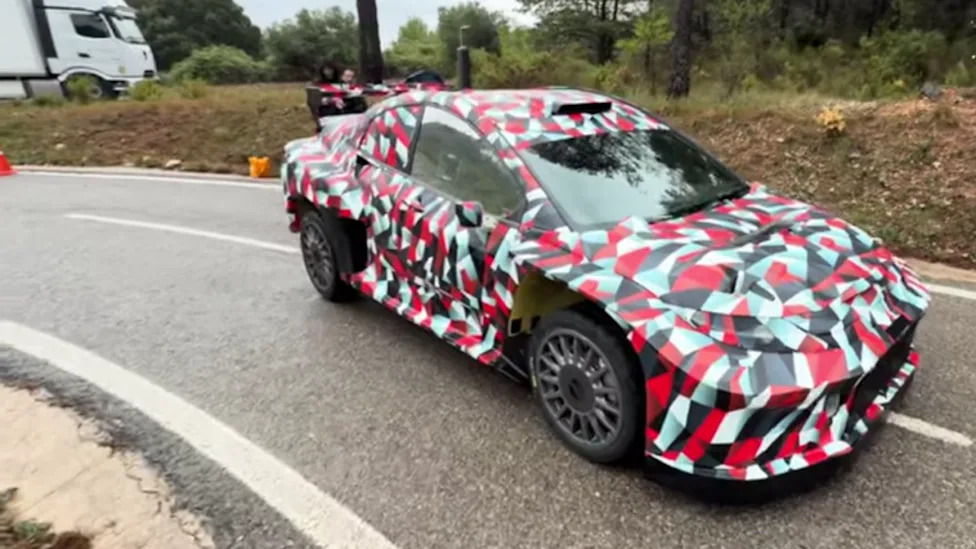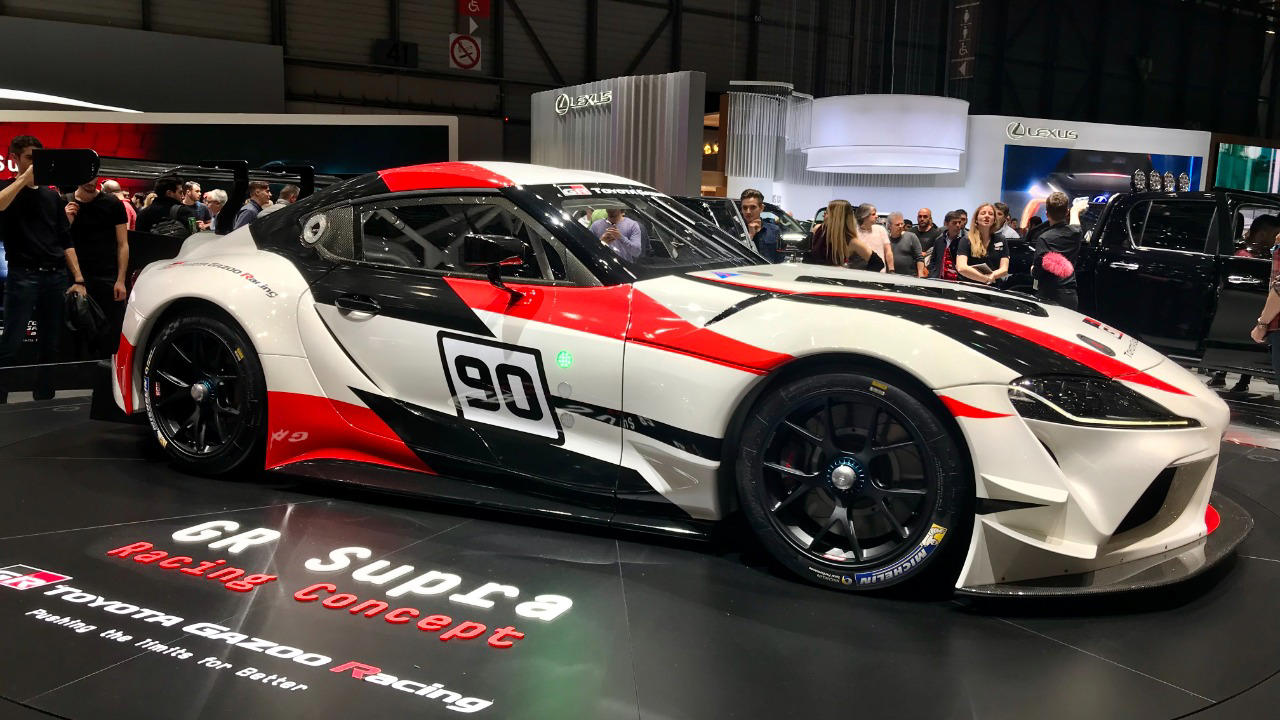


















Toyota says Supercars V8 push is about image, not showroom salesToyota’s decision to return to top-tier Australian touring car racing with a V8-powered GR Supra is being cast less as a bid to move metal and more as a high-profile statement about what the brand wants to represent. Executives are positioning the Supercars program as a showcase for engineering and Gazoo Racing’s performance identity, rather than as a direct path to dealership sales. That stance challenges long-held assumptions about factory-backed motorsport and raises sharper questions about how carmakers now measure value from racing. By linking a bespoke V8 race car to a road-going model nearing the end of production, Toyota deliberately separates track spectacle from immediate showroom outcomes. The company is effectively betting that the noise, rivalry and technical story around the GR Supra in Supercars will burnish the broader GR badge and halo other models, even if the exact specification fans see on television never appears in a registration queue. Image first: what Toyota says it wants from Supercars Toyota has been unusually blunt about its objectives. Senior figures have stressed that the V8 Supercars campaign is not designed as a traditional sales funnel but as a way to deepen the identity of the Gazoo Racing sub-brand and sharpen its engineering know-how. One executive, identified as Pappas, has been quoted saying, “Look for us, actually, this is not about selling more cars,” before explaining that the priority is building the GR brand and giving engineers a demanding test bed rather than chasing short-term volume. That message has been repeated in separate commentary that describes the Supercars effort as a factory-backed return focused on brand development and technical gains, not on boosting showroom demand in Australia. This framing aligns with a broader shift in how Toyota presents its performance activities. The company’s Australian arm has been leaning on the GR nameplate across road cars such as the GR Yaris and GR86, while its public-facing channels highlight motorsport as part of a wider performance story rather than a standalone pursuit. Official material from Toyota Australia emphasises Gazoo Racing as a pillar of the brand, and the Supercars program slots into that narrative as a high-visibility platform where GR can stand alongside long-established rivals. In this context, the V8 Supra is less a direct advertisement for a specific model and more a rolling billboard for a performance philosophy. Inside the V8 Supra: engineering theatre, not a road-car preview The car that will carry Toyota’s colors in the Australian Supercars Championship is a purpose-built racing machine that only loosely resembles the road-going Supra. Reporting describes a 600 horsepower GR Supra race car developed for the 2026 season, a machine that confirms what many fans had hoped to see but in a form that is pure competition hardware. Coverage of the unveiling explains that V8 Supra is and built to match the category’s Gen3 regulations, with its powertrain and chassis engineered specifically for the demands of Supercars rather than adapted from a showroom car. Under the bonnet sits a heavily modified 2UR-GSE based V8 that is not found in the production Supra, a fact that has already prompted some debate among enthusiasts. One analysis notes that the Supercar version uses a 2UR-GSE derived V8, an engine absent from the standard model, which retains a six-cylinder configuration. Another report confirms that Toyota has officially committed to a V8-powered GR Supra for its 2026 Supercars debut and frames the move as a return of a high-revving V8 soundtrack to Mount Panorama. That confirmation of a dedicated race engine, detailed in Toyota’s V8 program, makes clear that fans are watching a bespoke competition package rather than a lightly tweaked road car preview. Why Toyota is embracing nostalgia while the road car bows out Toyota’s timing adds an extra layer of complexity. While the GR Supra prepares for its Supercars debut, reporting indicates the 2026 model year will end production of the road-going GR Supra, described by one dealer as a ‘Fond Farewell. That creates a curious split: a nameplate winding down in showrooms just as its racing avatar takes on a new, high-profile role. Rather than treating this as a contradiction, Toyota appears content to let the Supercars campaign serve as a final, high-volume spotlight for the Supra badge while the broader GR family continues. Nostalgia is central to this approach. Commentators have pointed out that Toyota’s entry into the Australian Supercars Championship in 2026 will bring a fresh rivalry and the sound of a high-revving V8 echoing across Mount Panorama, a throwback to touring car glory days that long-time fans associate with the category. One detailed feature explains that Toyota’s entry is intended to shorten the gap between race and road in terms of brand perception, even if the mechanicals differ. By leaning into that emotional connection and the heritage of V8 touring cars, Toyota is effectively decoupling the Supra’s commercial life cycle from its symbolic value on track. How Supercars fits into Toyota’s wider performance play Seen from a distance, the Supercars program is one element in a broader performance strategy that stretches from grassroots enthusiasts to global championships. The Supercars Championship itself mandates bespoke race-prepped engines supplied by manufacturers, with all cars using variants tailored to the category and Toyota scheduled to join alongside Ford and GM in 2026. Within this framework, Toyota partnered with specialist suppliers, including Swindon, and worked with Walkinshaw Team Principal Carl Faux to develop the V8 engine package, requiring extensive effort to achieve Gen3 compliance. These details underline that the project is as much an engineering exercise as it is a marketing one. More from Fast Lane Only Unboxing the WWII Jeep in a Crate 15 rare Chevys collectors are quietly buying 10 underrated V8s still worth hunting down Police notice this before you even roll window down