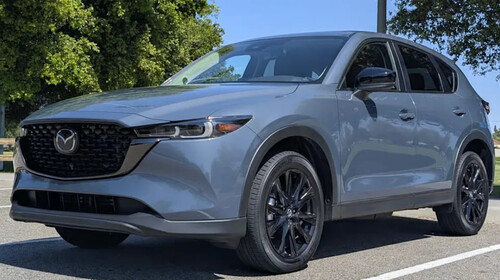
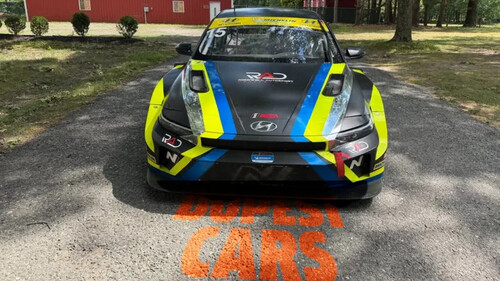
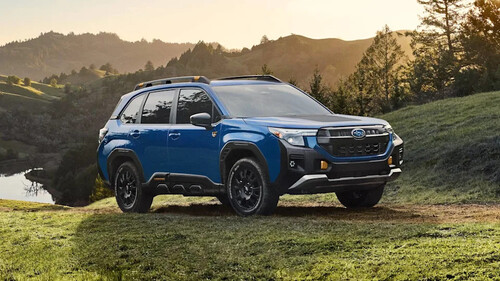
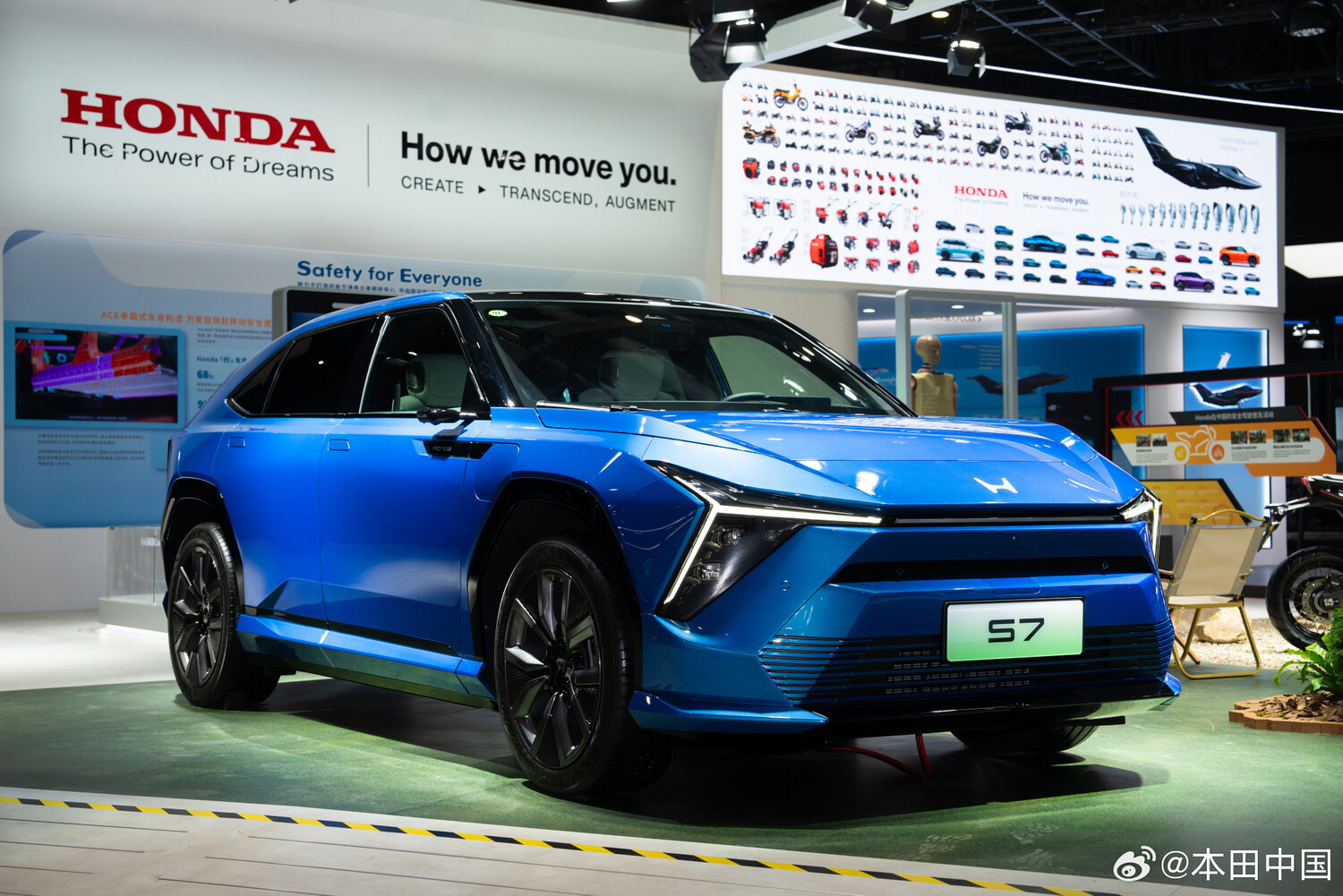
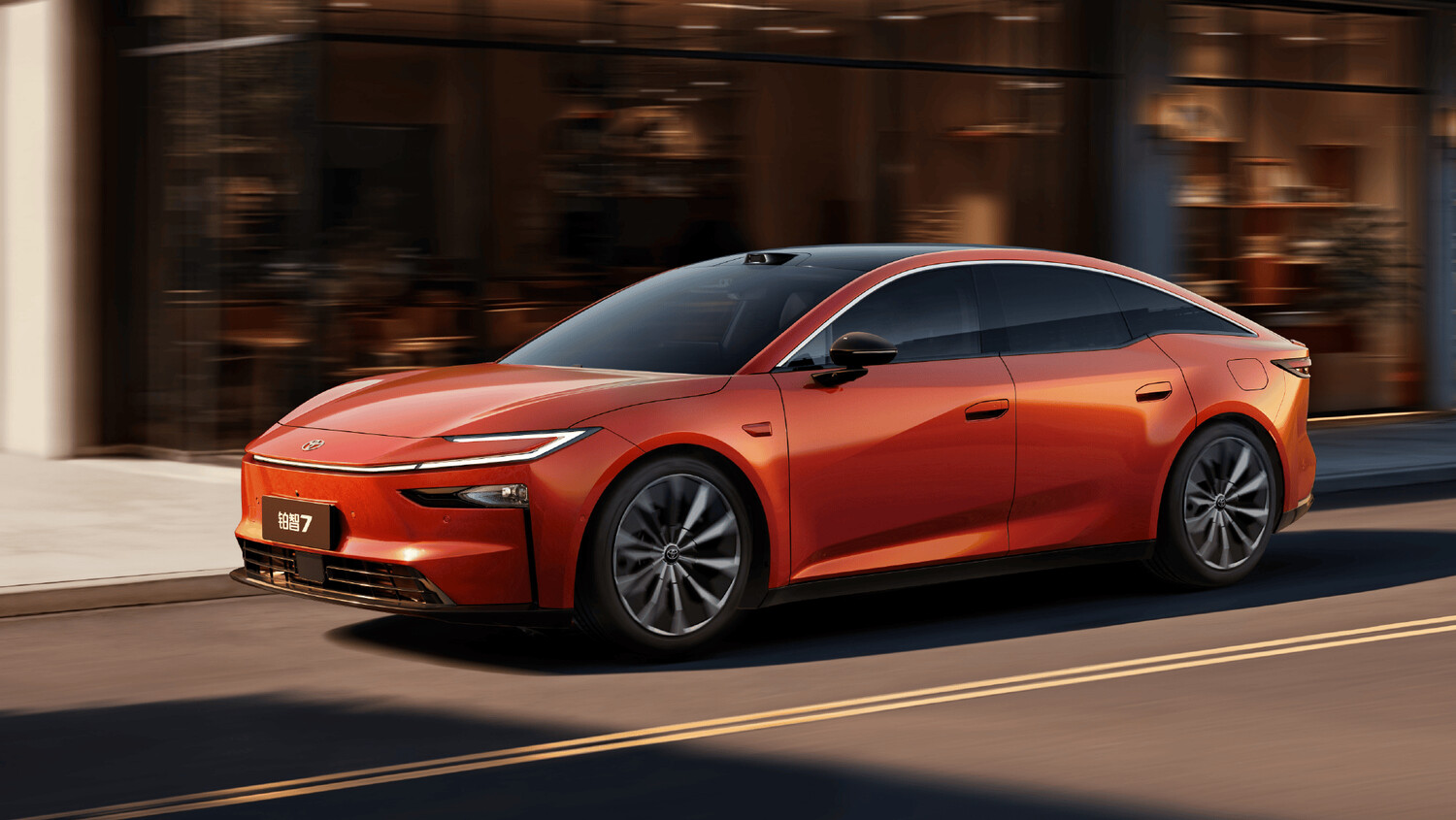
Mason Fortin · 6 months ago@masonfortin70Toyota Only Japanese Carmaker to Grow in China in 2025, Sales Hit 1.78M Liked by+54 othersHondaNissanPost commentRelated PostsMazda Explains Why the CX-5 Won't Follow the Toyota RAV4Jenna Gagnon · 14 days ago5 Family Vehicles You Might Not Realize Have Turbocharged EnginesLeo Scott · 21 days agoAutomotive Brand Loyalty Strengthens Amid Affordability ChallengesCharlotte Hall · 19 days ago12 Longest-Lasting Trucks of 2026Isabelle Harris · 14 days ago10 Budget-Friendly Used Alternatives To A Toyota RAV4Abigail Lewis · 22 days agoToyota Vs. Tesla At 250,000 Miles: It’s Not Even CloseEmily Mitchell · 19 days agoUsed Versions Of This Popular Toyota SUV Are Listed 16% Above New MSRPMason Wilson · 14 days agoThe Best Small SUVs For Families: Easy to Drive And Easy On the BudgetKaitlyn Brown · 22 days agoToyota Camry Vs. Honda Accord 2026 Sales: It's Not Even CloseVictoria Bouchard · 19 days agoGeorgia Wrongful-Death Suit Goes After the Dealer, the Installer and the Maker of a Six-Inch F-150 LiftCaleb Roy · 15 days agoNissan Cedric, Range Rover Limousine, Hyundai Elantra TCR: The Dopest Cars I Found For Sale OnlineOliver Turner · 23 days agoSnoozers Sell: Here Are 5 Boring Cars That Crush CompetitorsCaleb Rogers · 19 days agoThe GAC Aion V Looks Odd But Is Incredible Value | ReviewAudrey Nelson · 15 days agoHonda Is Updating Its Budget SUV With Rugged FeaturesMorgan Scott · 23 days agoHonda, Toyota Sedans Outpace SUVs in 2026 Sales GrowthJenna Green · 20 days agoToyota Almost Renamed the Corolla, Then One Engineer Rebuilt ItEvan Anderson · 15 days agoYour Car Is Sharing More Private Data Than Your Smartphone. Who’s Getting It? 93 · Amélie Green · 25 days ago5 Hybrids Most Likely To Make It To 250,000 Miles, Per iSeeCars StudyBenjamin Girard · 20 days agoToyota Recalls New RAV4 PHEVs Over a Problem Jeep Owners Know Too WellKaitlyn Smith · 15 days agoAmerica’s Cheapest New Cars Are Getting Harder To Find 94 · Connor Wright · 27 days ago



 +54 others