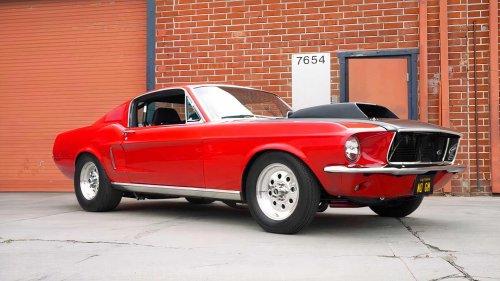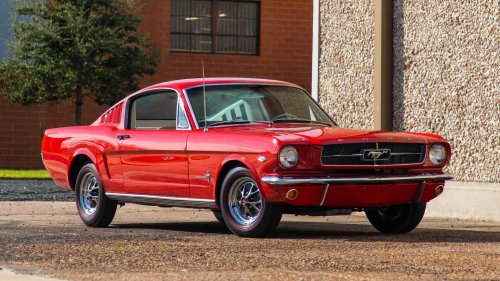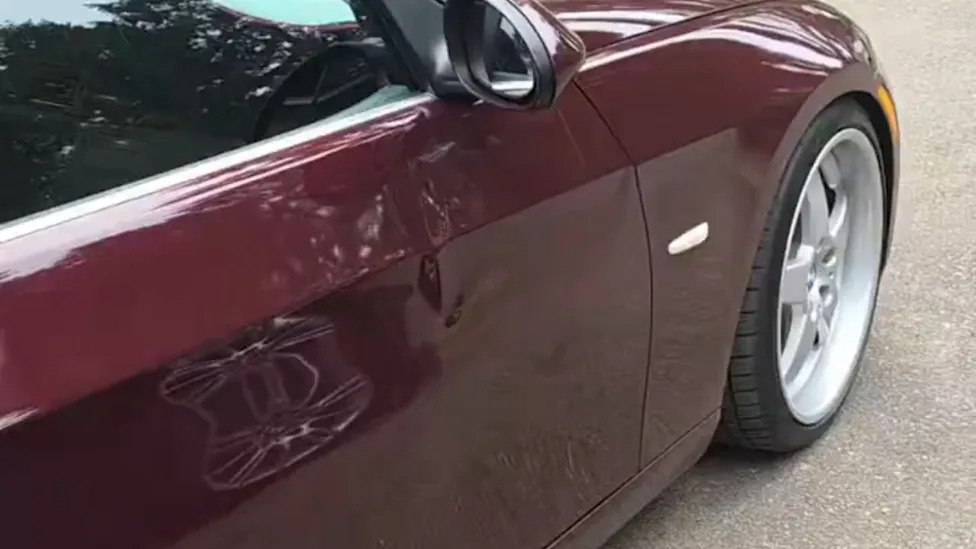



















Image Credit: Wall Street Apes/X.An older Ford Mustang sitting in a quiet suburban driveway has ignited a fierce online debate about how insurance companies handle damaged vehicles. A viral X post claims a woman backed into the car, leaving behind dents and scrapes that an auto shop allegedly said were repairable, only for the insurer to declare the vehicle a total loss anyway.The video, shared by WallStreetApes on X, shows the maroon Mustang with visible damage along the rear quarter panel and door area. The owner pans across the bodywork while expressing frustration that the car may be taken away despite appearing mechanically intact.According to the post, the driver responsible for the crash carried insurance through USAA. The insurer allegedly decided the Mustang was not worth repairing because the projected repair costs exceeded the car’s cash value.AdvertisementAdvertisementThe clip struck a nerve with drivers across social media, particularly owners of aging vehicles who say insurers increasingly choose to “total” cars over damage that once would have been repaired. Replies flooded in from users describing similar experiences involving older sedans, pickup trucks, and sports cars that were written off after relatively modest collisions.Why Older Cars Are Being “Totaled” More OftenInsurance experts say the controversy reflects a growing disconnect between rising repair costs and the shrinking market value of older vehicles. A car does not need catastrophic structural damage to be considered a total loss under insurance rules.Image Credit: Shutterstock.Instead, insurers typically compare the estimated repair bill against the vehicle’s Actual Cash Value, often referred to as ACV. If the cost of repairs approaches a state’s total loss threshold, which can range from around 60% to 100% of the vehicle’s value depending on local laws, the insurer may decide paying out the car’s value makes more financial sense than authorizing repairs.For a late-2000s Mustang valued at perhaps $3,000 to $5,000, even cosmetic bodywork can become expensive. Modern repair estimates often include replacement panels, repainting, blending adjacent paint surfaces, labor charges, rental vehicle costs, and hidden damage inspections.AdvertisementAdvertisementThat math has become harsher in recent years as labor rates climb and replacement parts become more expensive. Body shop operators across the United States have warned that inflation and supply chain pressures have pushed repair costs far beyond where they were just a few years ago.The Salvage System Behind Insurance DecisionsMany commenters framed the Mustang case as an “insurance scam,” though industry insiders argue the process is largely driven by financial formulas and state regulations. Once a car is totaled, insurers commonly take possession of the vehicle, pay the owner the determined value, then sell the ‘damaged’ car through salvage auctions.That salvage value can offset part of the insurer’s payout. Vehicles that still have usable engines, transmissions, wheels, electronics, or body components often retain significant value in the secondary parts market.Critics argue the system disadvantages owners who maintain older vehicles in excellent condition. Enthusiast cars like Mustangs may hold emotional or niche collector value that is not reflected in standard valuation databases used by insurers.AdvertisementAdvertisementSome social media users also disputed the viral post’s framing, pointing out that owners in many states can negotiate to retain a totaled vehicle by accepting a reduced payout and obtaining a salvage title. Those rules, however, vary depending on state law, financing agreements, and specific insurance policies.Social Media Turns a Fender Bender into a Broader DebateThe Mustang video gained traction because it tapped into broader frustrations about modern insurance claims handling. Drivers across the country have complained about rising premiums, lengthy repair delays, and disputes over vehicle valuations.A woman backed into an older American’s mustangYou see these little dents?The woman had USAA insurance and they are totaling his car because of these small dentsHe has no option to keep the car, an auto shop told him these dents could be easily repaired but the insurance… pic.twitter.com/vGldvcXWiX— Wall Street Apes (@WallStreetApes) May 12, 2026Ford Mustang enthusiasts in particular often argue that older performance cars are undervalued despite strong demand in enthusiast communities. A clean older Mustang may sell privately for far more than the number an insurer assigns using depreciation models.For many viewers, the viral clip was not only about dents on a maroon coupe parked in a suburban driveway. It became a flashpoint in the growing tension between car owners who see repairable vehicles and insurers focused on spreadsheets, thresholds, and salvage economics.If you want more stories like this, follow Guessing Headlights on Yahoo so you don’t miss what’s coming next.