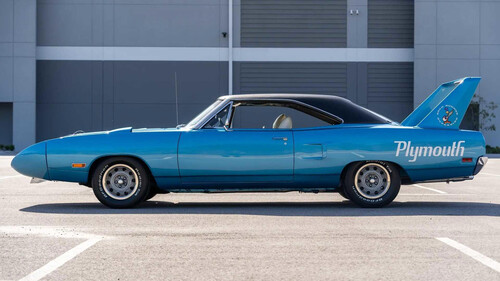
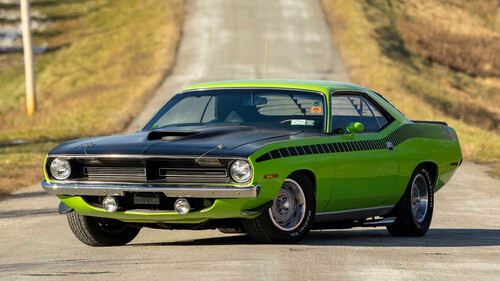
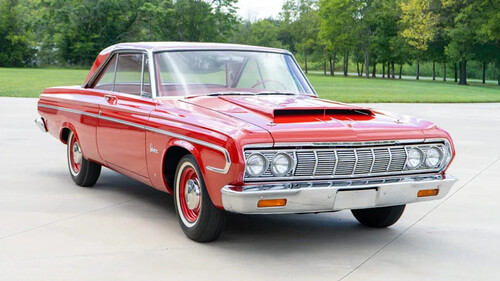
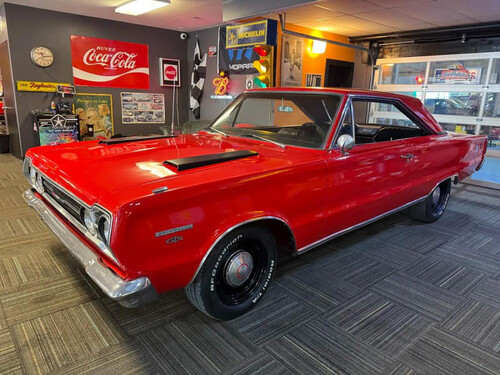
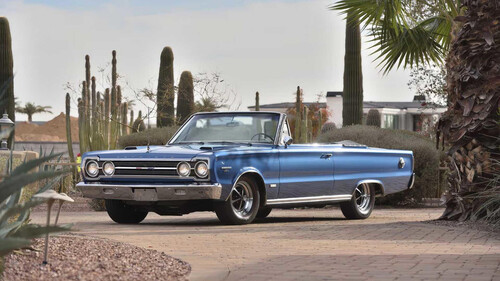
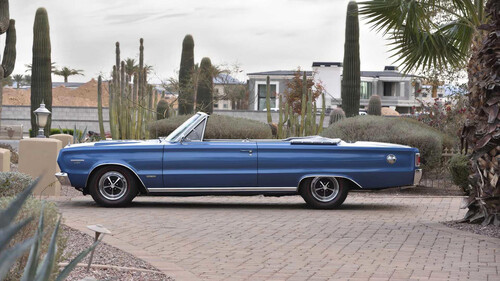
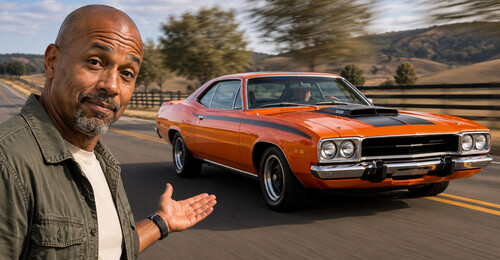
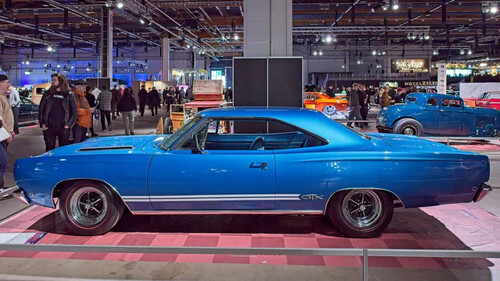
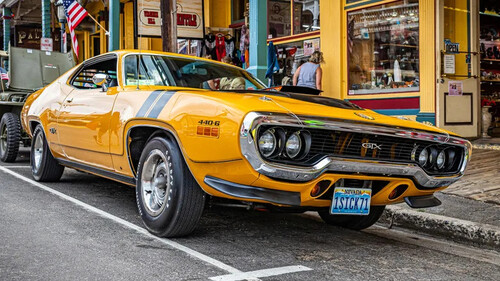
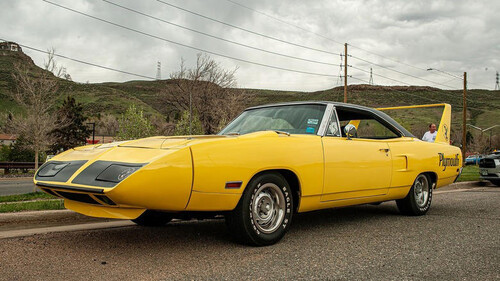
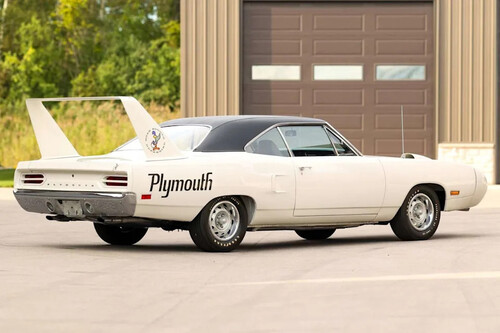
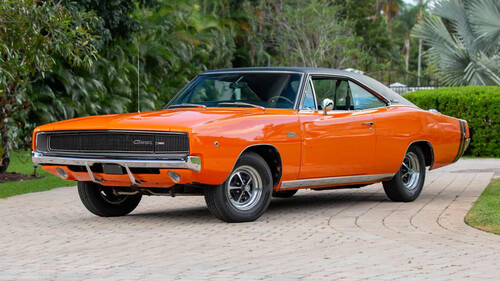
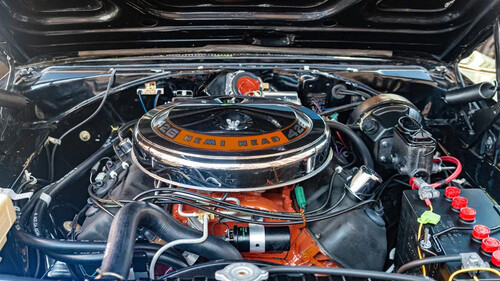
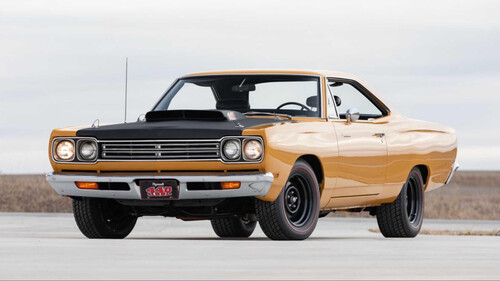
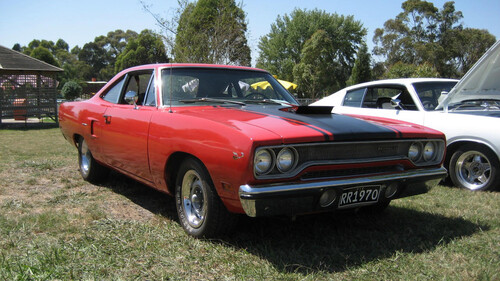
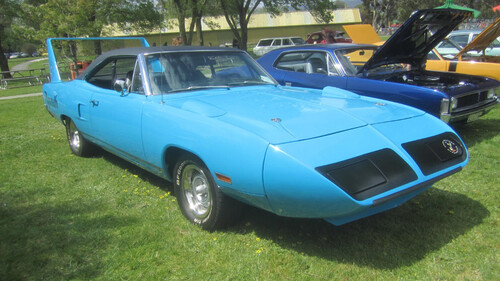
The Road Runner almost didn’t get its name until one deal changed everythingThe Plymouth Road Runner is remembered as a loud, cartoon-branded missile from the height of the Muscle Car era, but its identity was anything but inevitable. Inside Chrysler, the project began as a bare‑bones performance idea that might have worn a very different badge if one licensing deal had not fallen into place at exactly the right moment. The story of how a mid‑price coupe became the Road Runner shows how a single name, and the right pop‑culture partnership, can turn a clever engineering package into a phenomenon. The cheap muscle problem Plymouth needed to solve By the late 1960s, Plymouth executives knew they were getting outgunned. One retrospective notes that the division was fully aware it, which left the brand at a disadvantage with young buyers. Those buyers wanted quarter‑mile bragging rights, not vinyl roofs and power windows. Plymouth needed a car that was low on conveniences but high on performance, and it needed that car quickly. The answer began as a simple internal brief: build a mid‑size coupe that could run with the big names on the drag strip, yet still come in at a price that a young worker could finance. Product planners stripped the formula down to its essentials. They chose the B‑body platform, focused on strong engines, and slashed non‑essential trim, sound deadening, and luxury options. The goal was to funnel as much of the budget as possible into horsepower and durability rather than chrome and gadgets. Within the company, this project was not initially about branding stunts. It was a cost and performance exercise, a way to give Plymouth a real presence in the Muscle Car wars without building a whole new platform. Only later did the team realize that a stripped‑down car also needed a personality that could stand out in crowded showrooms. Jack Smith and the “no frills, all speed” blueprint Much of that blueprint is credited to Jack Smith, a key figure in Plymouth product planning. One account describes how Jack Smith, pushed for a car that would represent the mid‑size Plymouth in the most basic, performance‑first form. Smith had already worked on other high‑performance projects and understood that the brand needed something raw and accessible, not another fully loaded halo model. He and his colleagues aimed the car squarely at buyers who might otherwise choose a cheaper Chevrolet or a stripped Ford or Mercury coupe. The thinking was that if Plymouth could offer a big‑block engine, a tough suspension, and a floor‑shifted manual gearbox for roughly the same money, the car could steal sales from rivals that had focused on more polished packages. The project became a kind of internal rebellion against creeping luxury in performance cars. That focus on simplicity shaped everything from the interior materials to the options list. Bucket seats, fancy radios, and elaborate trim packages were either deleted or pushed to the options sheet. The car would be sold on speed and attitude, not on comfort. What the team still lacked was a name that captured that attitude without adding cost. How a cartoon bird outran the accountants The answer arrived from an unlikely place: Saturday morning television. Product planners fixated on the Warner Brothers character that could outrun any pursuer, the Road Runner, and saw an instant metaphor for the new car. The idea sounded playful, but it raised a serious problem. Using the character meant convincing Warner Brothers to license not just the name but also the likeness and signature sound. Corporate lawyers and accountants were skeptical. The car was supposed to be cheap to build and cheap to buy, and licensing a famous cartoon seemed like the opposite of frugality. Yet the team persisted. According to one history, Plymouth licensed the Road Runner name, likeness, and “beep beep” sound from the popular Warner Brothers cartoons, so it could plaster the character on the car and even fit a horn that mimicked the cartoon. That licensing package turned a nameless budget coupe into a rolling billboard for pop culture. Other accounts sharpen the financial stakes. A later summary of the deal notes that the Chrysler Motors Corporation division Plymouth paid $50,000 to use the Road Runner character. For a car built around cost discipline, $50,000 was not a trivial line item. Internal critics questioned whether a cartoon bird was worth the money. That tension is at the heart of the model’s origin story. Without the licensing deal, the car might have launched under a more generic name, perhaps tied to speed or power but with no broader cultural hook. With it, the project suddenly had a mascot, a catchphrase, and a visual identity that could appear on fenders, hubcaps, and advertising. The risk was that the character could make the car seem like a gimmick. The reward, as it turned out, was that the name made the car unforgettable. “Beep Beep,” attitude, and the birth of a cult icon Once the licensing was secured, Plymouth leaned into the joke. Historical analysis notes that the company’s product planning chief, Joe, embraced the irreverent tone and allowed the team to put the Road Runner on their cars, a story chronicled in detail in an account of Beep Beep. The horn sounded like the cartoon’s “beep beep.” The decals showed the bird sprinting forward. Even the marketing copy joked about outsmarting predators in bigger, more expensive cars. This humor was a sharp contrast to how Performance car enthusiasts usually saw themselves. The same analysis points out that Performance car culture often leaned serious, even humorless, around specifications and race wins. By embracing a cartoon, Plymouth signaled that speed could be fun rather than solemn. The joke worked because the car’s performance backed it up. Owners could laugh at the decals while still humiliating rivals at stoplights. The Road Runner name also helped communicate the car’s mission to buyers who might not follow every horsepower rating. A bird that outruns everything in sight is an easy metaphor for straight‑line speed. The name was short, memorable, and already familiar to anyone who had grown up with Warner Brothers cartoons. That familiarity gave Plymouth an instant shortcut into the minds of the first generation raised in front of the TV set, a connection highlighted in another account of how Plymouth reached television‑raised. The car’s visual language reinforced that message. Instead of elegant script badges, the fenders carried simple block letters and cartoon emblems. Inside, the cabin remained sparse, almost austere, which made the playful horn and logos pop even more. The result was a car that looked like it had been sketched on a teenager’s notebook, then brought to life. Sales that shocked even Plymouth If the licensing deal had been a gamble, early sales proved it was a smart one. Chrysler Corporation planners initially expected the new car to be a niche player, with a forecast of 20,000 Road Runners in the first model year. Instead, demand exploded. Buyers snapped up roughly 50,000 cars, more than double the internal target. Several factors fed that surge. The low price drew in young drivers who might have settled for used cars. The stripped‑down spec appealed to racers who preferred to build their own combinations. And the Road Runner branding gave the car instant word‑of‑mouth. Friends could simply say they had bought a Road Runner, and everyone knew what that meant: a cheap, fast Plymouth that did not take itself too seriously. Enthusiast retrospectives underline how the model quickly became one of the era’s defining shapes. One overview of Plymouth Road Runner notes that it was introduced in 1968 by Plymouth as a no‑frills muscle car designed to offer high performance at a reasonable cost, and that it became an icon of the golden age of American muscle cars. That reputation rested on the underlying hardware, but the name and cartoon identity made sure the car stood out among a crowded field of mid‑size coupes. The value story has echoed across decades. Modern write‑ups of the car’s legacy point out how Plymouth Road Runner still fascinate collectors, in part because the car managed to be both affordable and distinctive. For many enthusiasts, the Road Runner is the purest expression of the budget muscle formula, a car that refused to apologize for its lack of luxury as long as it could outrun the competition. The name that almost was not, and what came after The irony is that the name that defined the car nearly died on a balance sheet. Internal resistance to paying Warner Brothers for a cartoon license was strong, and alternative names were reportedly floated that would have kept the project safe and conventional. If the accountants had won, Plymouth might have launched a competent but anonymous mid‑size performance car, one more entry in a crowded segment rather than a standout. Instead, the decision to spend that $50,000 and embrace the Road Runner brand gave the car a personality that marketing could amplify. A later social media post about the model’s history notes that 1968 Plymouth Roadrunner advertising even played up the idea of a simple sticker on the bumper as part of the fun. The name turned what might have been a purely rational purchase into something buyers could brag about and personalize. The car’s story also shows how branding choices can outlast the products themselves. The Road Runner line eventually faded as emissions rules tightened and the Muscle Car market cooled. One modern overview, titled in part here, what made, points to The End Of The Road Runner and The Value that collectors still see in surviving examples. Those sections emphasize how the name, the cartoon tie‑in, and the performance formula combined to create lasting appeal even after production stopped. The car’s legacy is visible not only in auction listings but also in enthusiast communities that continue to trade stories and photos. One Instagram reel, for example, highlights how 123 likes and gathered around a short clip about how Plymouth paid Warner Bros for the Road Runn name, celebrating the car as one of the most iconic muscle cars ever. The numbers are modest, but they show how the Road Runner still sparks quick recognition decades after the last one left the factory. Why the Road Runner story still matters For modern carmakers, the Road Runner offers a case study in how a single branding decision can amplify a solid product. The underlying car was a smart response to market pressure, built by engineers and planners who understood that Plymouth needed a Muscle Car that was high on performance and low on frills. Yet the model might have blended into the background if not for the choice to license a cartoon and give the car a playful identity. More from Fast Lane Only Unboxing the WWII Jeep in a Crate 15 rare Chevys collectors are quietly buying 10 underrated V8s still worth hunting down Police notice this before you even roll window down The post The Road Runner almost didn’t get its name until one deal changed everything appeared first on FAST LANE ONLY.