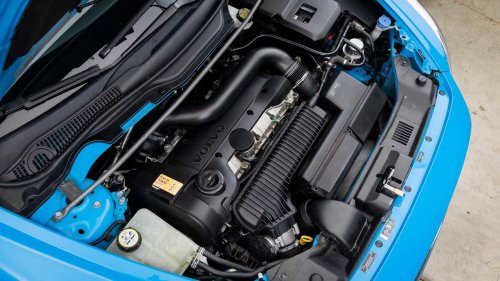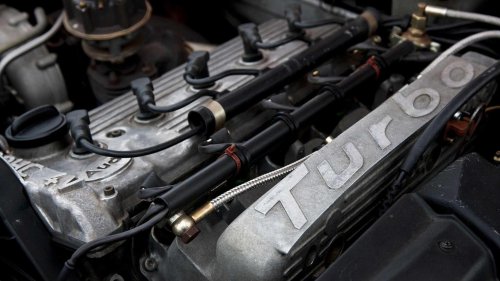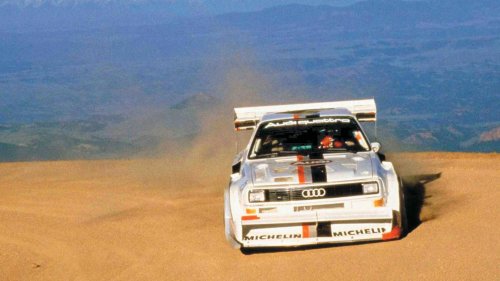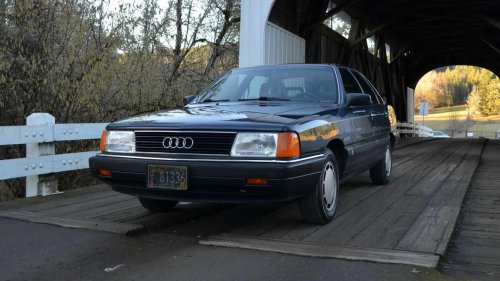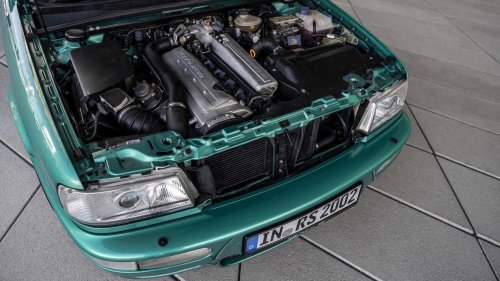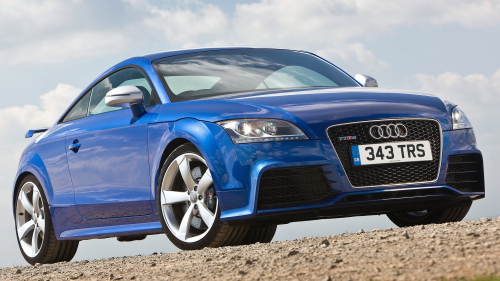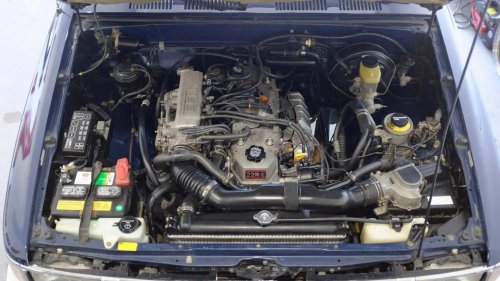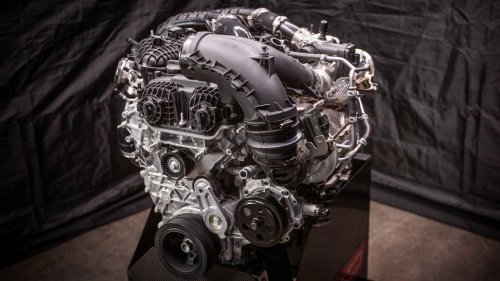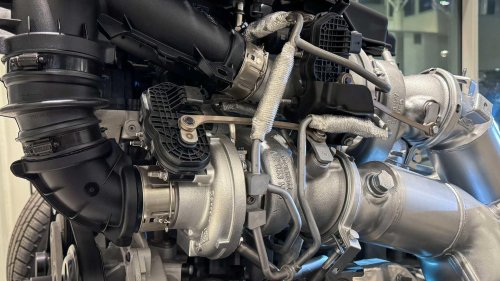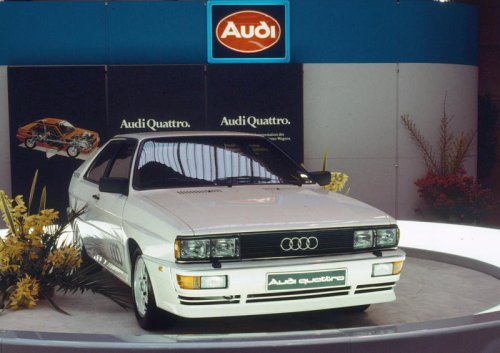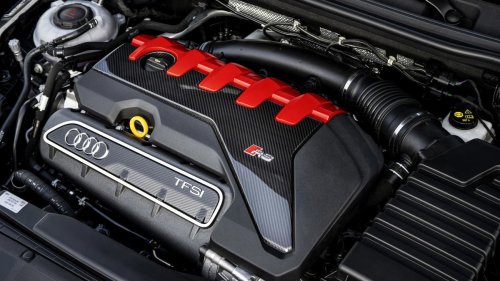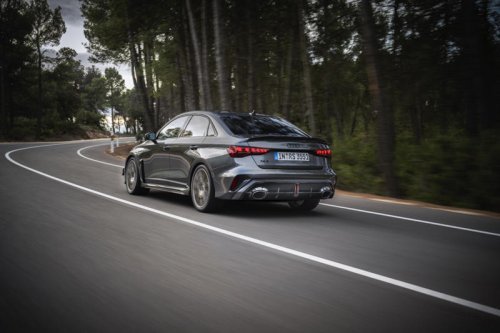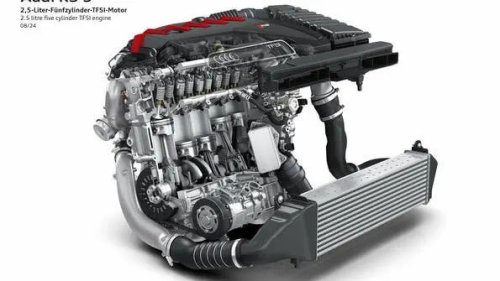
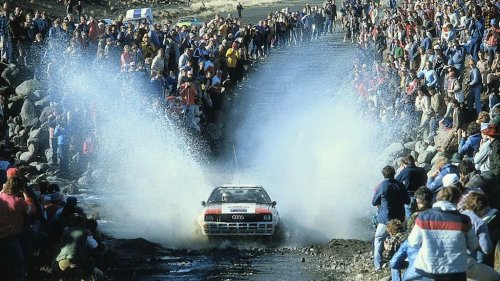
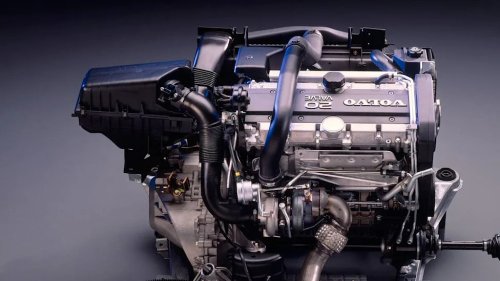
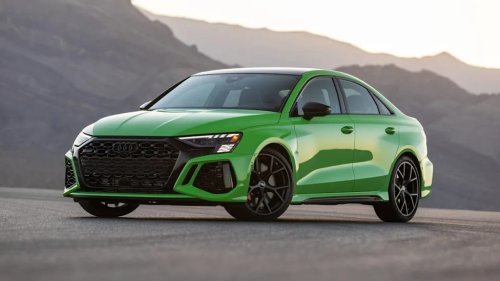



















Autoblog and Yahoo may earn commission from links in this article.The engine that refused to fit inThe inline-five has always been odd, but it spawned cult appeal, motorsport success, and manufacturer approval. Most inline-six engines have a firing order of 1-5-3-6-2-4, with the firing events evenly spaced due to balance and cylinder count. In comparison, the inline-five has a firing order of 1-2-4-5-3, resulting in distinctive sound and vibration characteristics. Being smoother than a four and often lighter than a six, the inline-five appealed to manufacturers, but marketers struggled early to position it as a middle ground option. The inline-five was framed as boasting a four's fuel economy and a six's power, but it often failed to deliver this proposition consistently. Engineers, on the other hand, knew that something had to give regarding the popular inline four. Mercedes-Benz is credited with creating the first series-production five-cylinder (3.0-liter diesel) for its 300D sedan in 1974.AudiIn an SAE paper from 1975, Daimler engineers Kurt Obländer and Manfred Fortnagel explained: "With time, the demands of modern traffic called for a continuous increase in performance of diesel engines. Until 1974, this demand was met by increasing average piston speeds and displacement of four-cylinder engines in connection with progress in diesel combustion. Considering wear, fuel consumption, noise, and vibration problems, speed and cylinder displacement had reached an upper limit, so that a further sizable raise of performance of naturally aspirated engines was only possible by increasing the number of cylinders," as quoted in Road & Track.AdvertisementAdvertisementThe inline-six was already established, but engineers used the inline-five to balance increased power/displacement needs with space constraints. Despite marketers struggling to place it, there was a moment when the inline-five became legendary.1982: Audi clinches the Rally World Championship for ManufacturersAudiAudi's war cry: How five cylinders conquered rally stagesAudi's Group B rally dominance was the proving ground that allowed the inline-five to have significant cultural impact. More specifically, the turbocharged five-cylinder gasoline engine in Audi's original 1980 quattro, complemented by intercooling and permanent all-wheel drive, packed a punch on both the road and in racing. Audi won the World Rally Championship (manufacturers') title in 1982 with this car, and Finnish driver Hannu Mikkola secured the drivers' title a year later. In the same year as Mikkola's title, Audi released its Sport quattro with a wider track and a length that was 24 centimeters shorter. This car's new four-valve, five-cylinder light-alloy engine delivered 302 horsepower, making it the most powerful German public road car at the time. The Sport quattro would form the basis of Audi's next Group B four-valve inline-five rally car with 444 horsepower, which debuted in 1984 and preceded its racing division's quattro A2. It was this season that Audi won both the drivers' title and the manufacturers' world championship. Audi's inline-five worked so well in rally because it struck an ideal balance between an inline-four's weight and an inline-six's power, optimizing the brand's innovative quattro all-wheel drive (AWD) system with immense torque and high power density and producing an intimidating exhaust note.Need new tires? Save up to 30% at Tire RackFind the perfect tires for your exact vehicle and driving style. Click here to shop all top-tier brands, including Michelin, Bridgestone, and more, directly at Tire Rack.Related: Lancia Is Winning Again After More Than 30 YearsSweden doubles down: Why Volvo bet big on five cylindersAudi's rally dominance brought the inline-five to attention, but Volvo played a significant role in making it mainstream. Volvo introduced its first car with an inline-five, the 850, in 1990. The 850 featured a 2.5-liter, 20-valve, naturally aspirated inline-five cylinder and was part of the company's modular engine strategy. This unique strategy featured a family of inline-four, inline-five, and inline-six engines that used aluminum blocks and heads, aluminum pistons, and double overhead cams. Utilizing a cohesive engine strategy helped Volvo close the gap between inline-four and inline-six engines, giving the five more cost efficiency, greater scalability, and smoother performance without a six-cylinder's price.VolvoView the 2 images of this gallery on the original articleThe sound that shouldn't work but doesEnthusiasts are drawn to inline-five sound for its uneven cylinder configuration and 1-2-4-5-3 firing order. Some people describe inline-fives as baby V-10s since they produce similar raspy, high-pitched, aggressive notes. The TT RS is a prime example of an Audi that looks like a normal car but sounds like a supercar.The sweet spot that didn't last: why inline-fives fell out of favorWhile the inline-five started as a smart middle-ground solution, it became unnecessary as tech and industry priorities evolved. The inline-five was always more complex and costly than a four-cylinder, but its tradeoffs became especially evident as four-cylinders improved. Turbocharged inline-fours closed the refinement gap with greater affordability, fuel efficiency, and performance, while hybrids addressed torque discrepancies more effectively. The improved fuel efficiency and reduced emissions of newer turbocharged inline-fours were especially significant as fuel-economy regulations increased pressure on automakers in the late 2000s through the 2010s. Starting in the late 1990s, automakers had also begun standardizing platforms, leaving less room for niche engine layouts such as the inline-five. This atypical engine's decline wasn't so much rooted in failure as it was in relevance loss.AudiNot quite dead: Why Audi still believes in five cylinders Despite the inline-five's being less relevant than in prior decades, companies like Audi have continued releasing niche performance models with this configuration, making defiance part of the engine's legacy. These models have included the RS 3, TT RS, and the RS Q3 crossover, which is exclusive to Europe. Audi's inline-five will end in Europe after 2027 due to Euro 7 standards, but other parts of the world can still buy one. This regulation will likely push the brand's inline-five further toward a low-volume halo strategy rather than mass-market viability, but its status among enthusiasts is solidified regardless.AdvertisementAdvertisementRelated: Most Reliable Audi Models That Hold Up After 5 YearsThis story was originally published by Autoblog on Jun 21, 2026, where it first appeared in the Features section. Add Autoblog as a Preferred Source by clicking here.