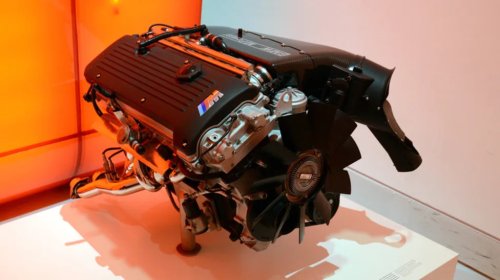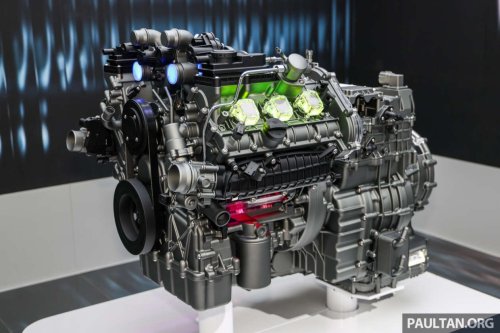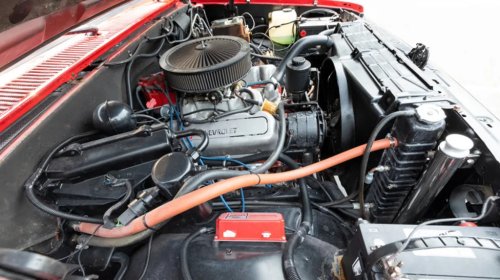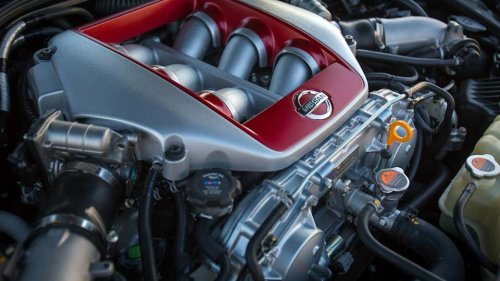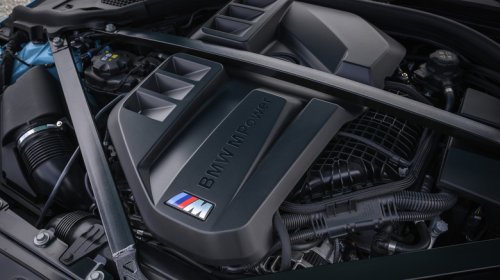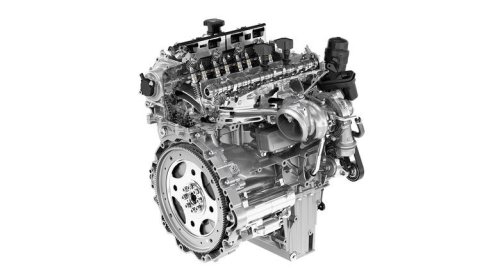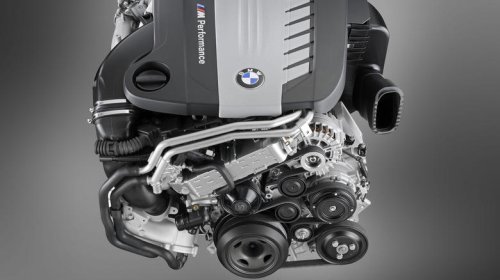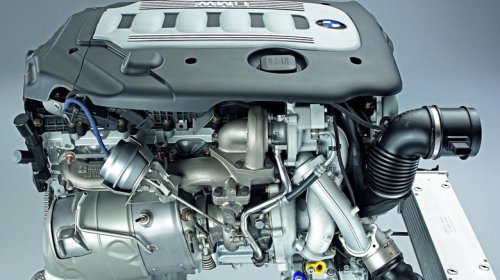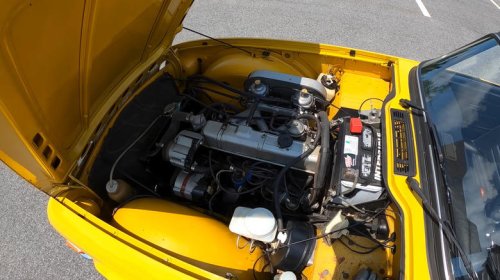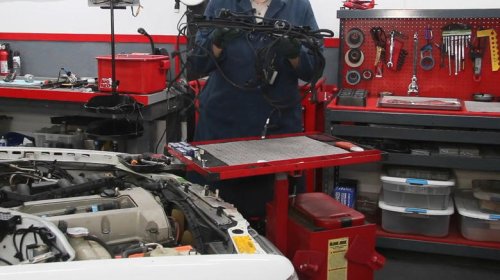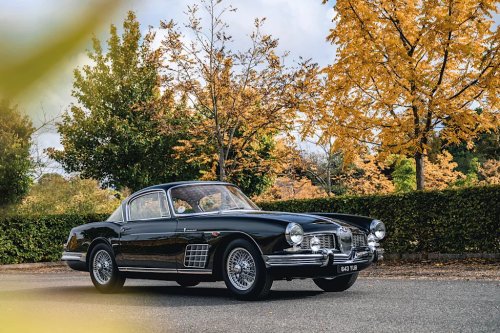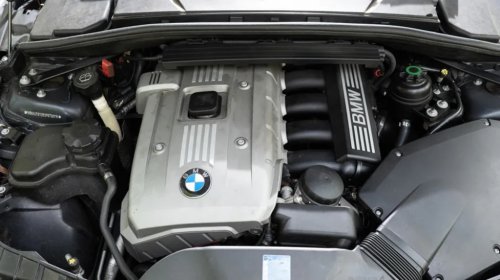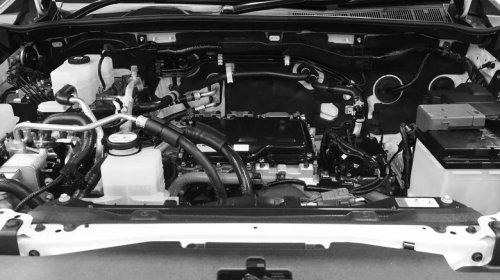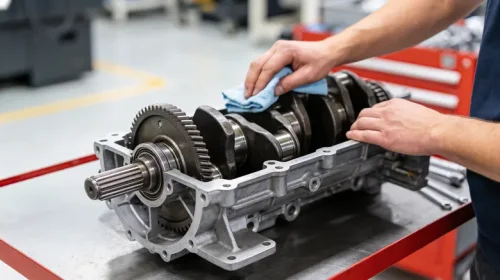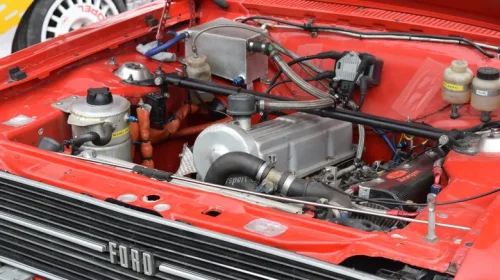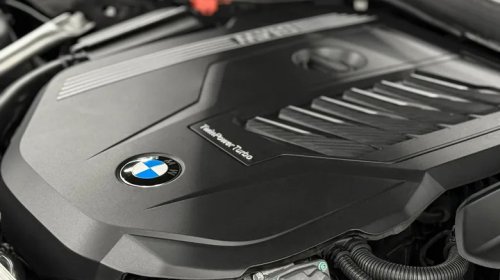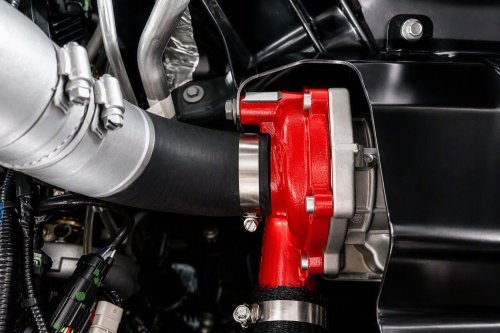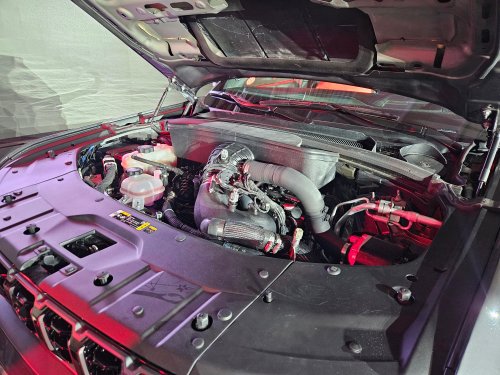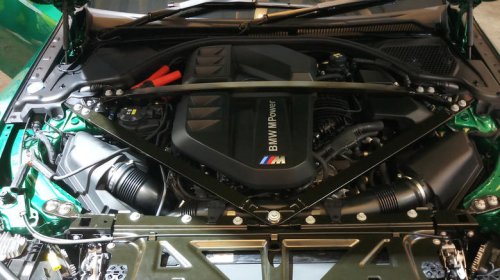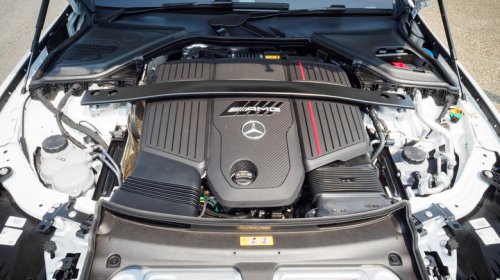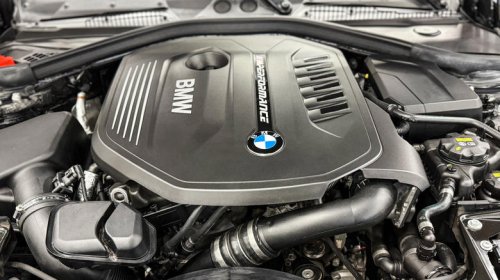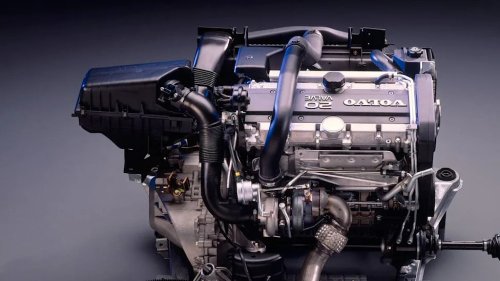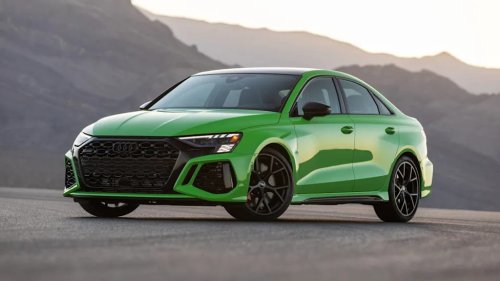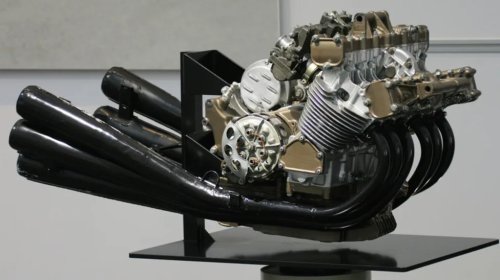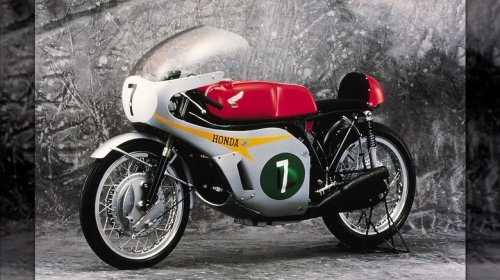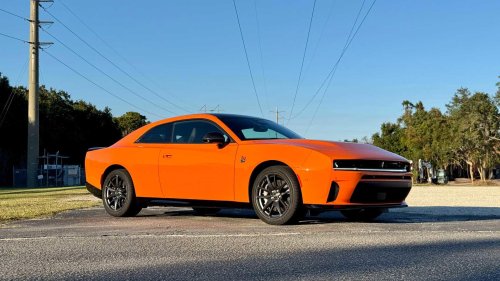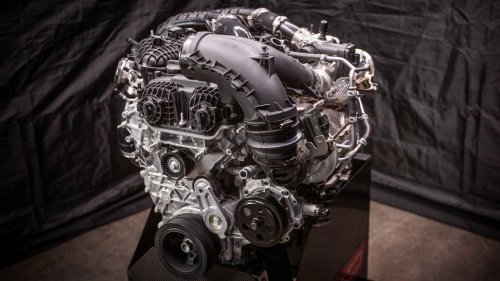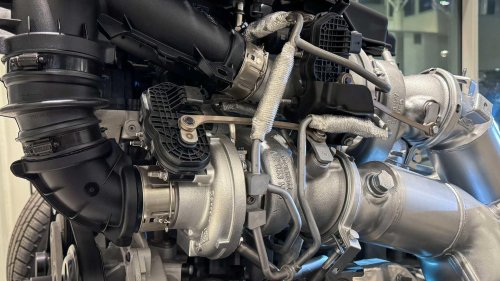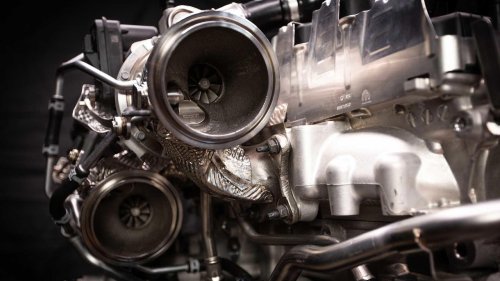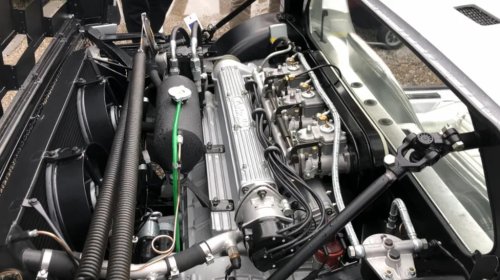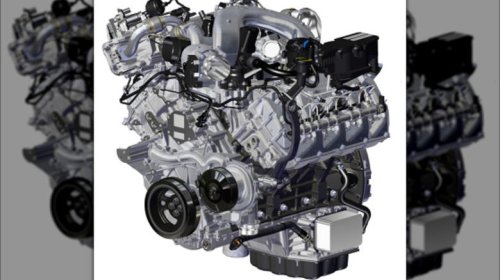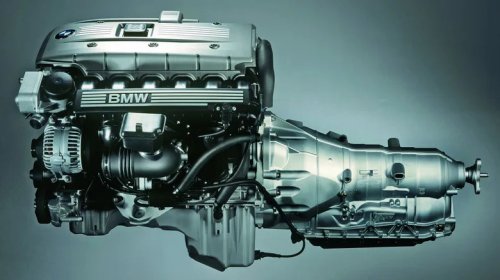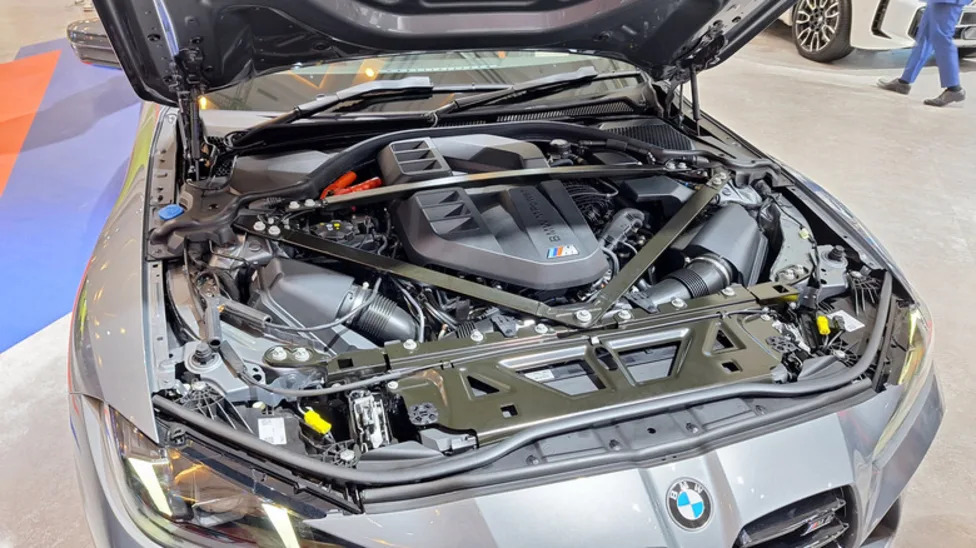
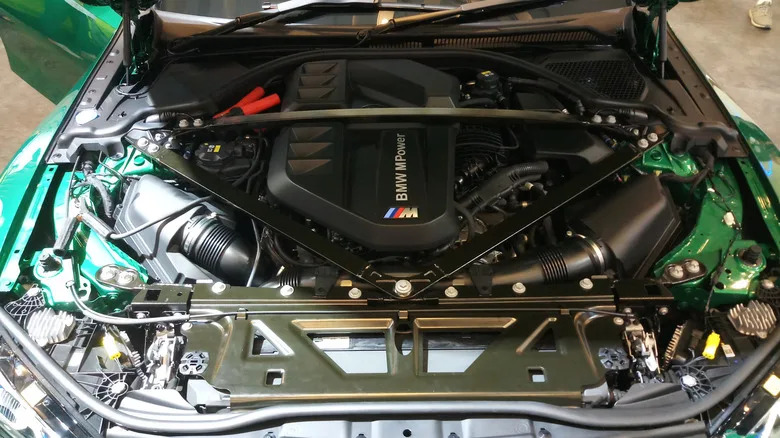



















William's photo/Shutterstock From powering some of the most revered JDM sports cars and German speed machines to heavy-duty semis and even the latest Dodge Charger, the inline-6 has proven itself to be a robust piece of engine design that, despite being sidelined, is now witnessing a resurgence among high-end automakers. Although arranging six cylinders in a row has its fair share of pros when compared to the more common V layout, there is one glaring disadvantage that prevents it from powering cars in the lower end — its length. For money reasons, most budget cars place the engine transversely. Mounting a fairly long inline-6 sideways would require significant investment into re-engineering an existing FWD chassis for packaging, crash protection, and homologation, which isn't the kind of risk that many modern OEMs are willing to take, though some of them did try it in the past. High-end cars are typically larger (and deliver better margins), so convincing the bean counter becomes a much easier proposition, especially if you're a certain German brand that's long been the flagbearer of the inline-6 design. Though it's not something modern engineering hasn't addressed, worth noting is that a straight-6's longer crankshaft and camshafts — relative to a V6 or inline-4 — are more prone to flexing when they're under load. Also not helping the inline-6 argument is its relatively higher center of gravity when compared to a short and compact V6, which is an especially undesirable feature to have on a car with sporty intentions. That said, you wouldn't necessarily accuse the Mk V Toyota Supra or the latest BMW M3 of being poor handlers. But the advantages are too good to ignore William's photo/Shutterstock You can't talk about inline-6 engines and not mention primary and secondary balance, i.e., how smooth the engine is. In an inline-6 layout, the engine's internal geometry naturally cancels out undesirable vibrations, more specifically the primary vibrations caused by the up-and-down motion of the pistons and the secondary vibrations caused by the pistons' varying speed as they move within the cylinders. While most engine configurations either do well with the primary forces while sacrificing secondary balance, or vice-versa, the inline-6 does a remarkably good job of cancelling out both, leaving you with a smooth-revving engine. And unlike the fruity exhaust sound of an inline-four, a straight-6 features what is arguably quite a unique and characterful engine note, though there are a number of V6's that sound nice and tasty. You'd also appreciate the inline-6's less complex design compared with a V6, for example. Since there's no need to mirror the internals for another bank of cylinders, that results in an engine featuring one cylinder head, one exhaust manifold, and comparatively fewer components than a V6. Although this means there's more space inside the engine bay (on the sides at least), which should theoretically lend you a bit of leeway to work on the car, modern straight-sixes are so complicated and tightly packaged that you can't necessarily access anything without unscrewing something else. Peek into the engine bay of a G8X M3, and the lack of space to work on should be apparent. But that's the case with most new engines, so it's probably unfair to bash the inline-6 alone.