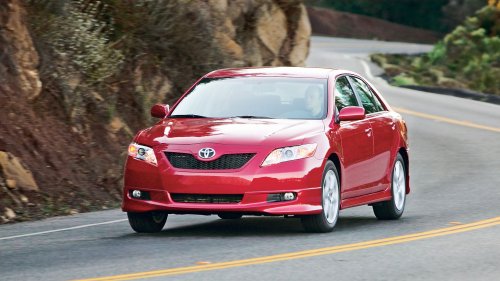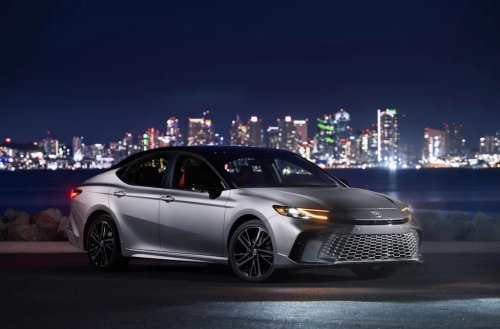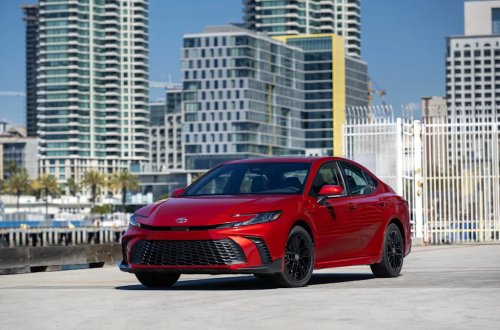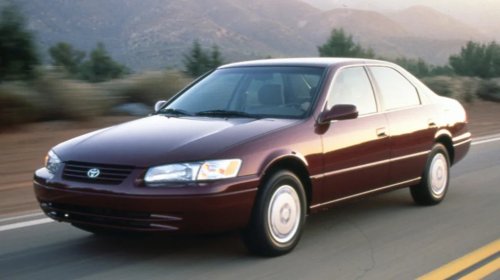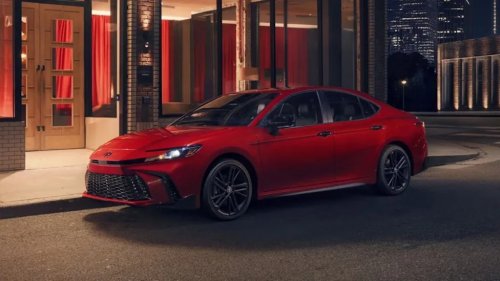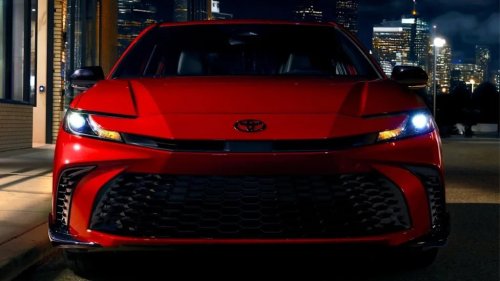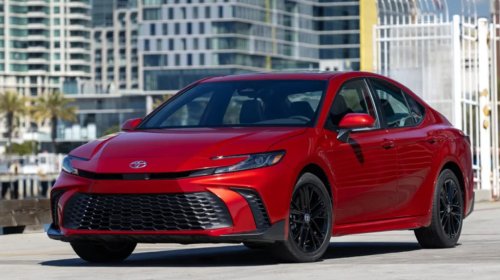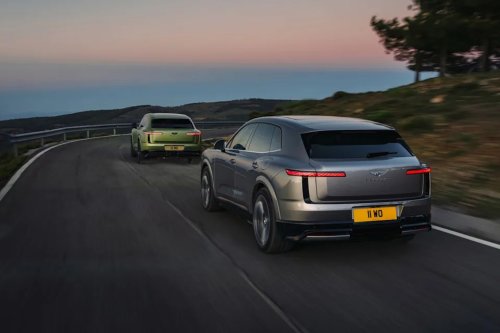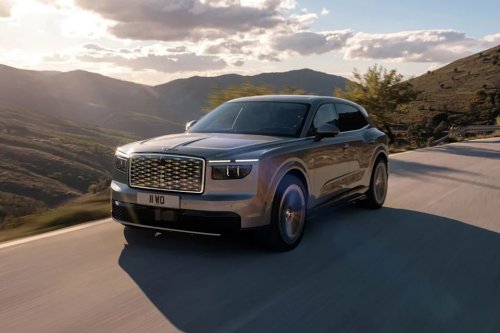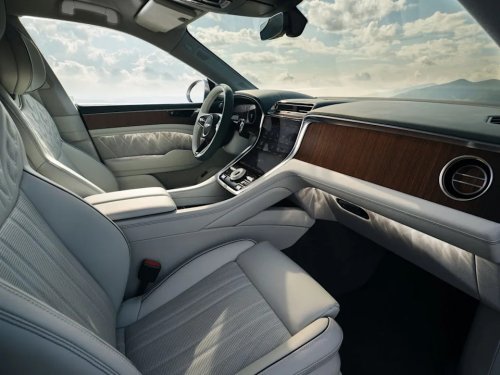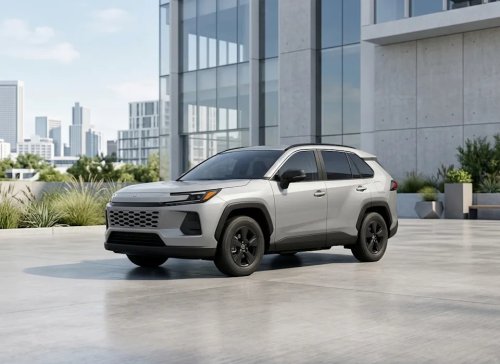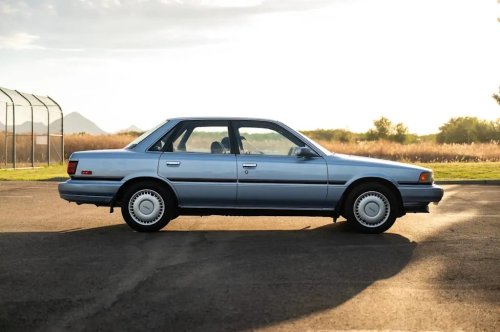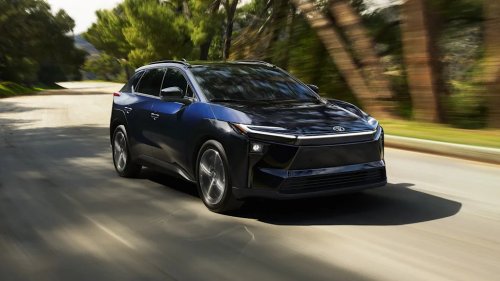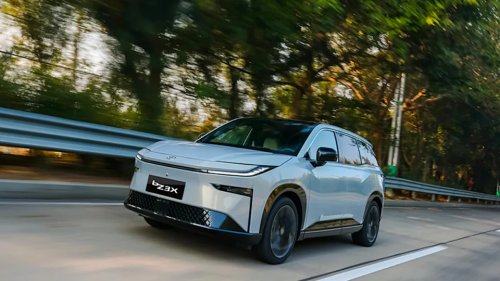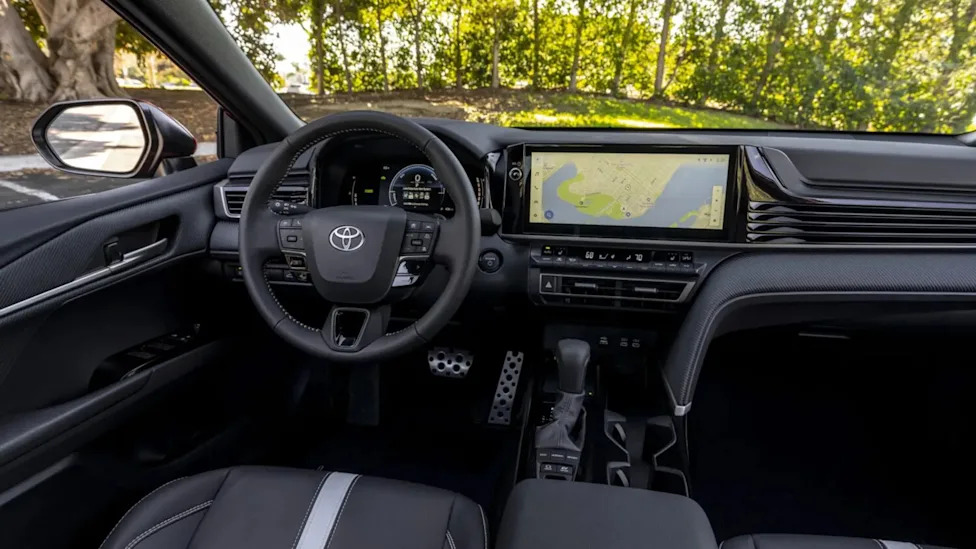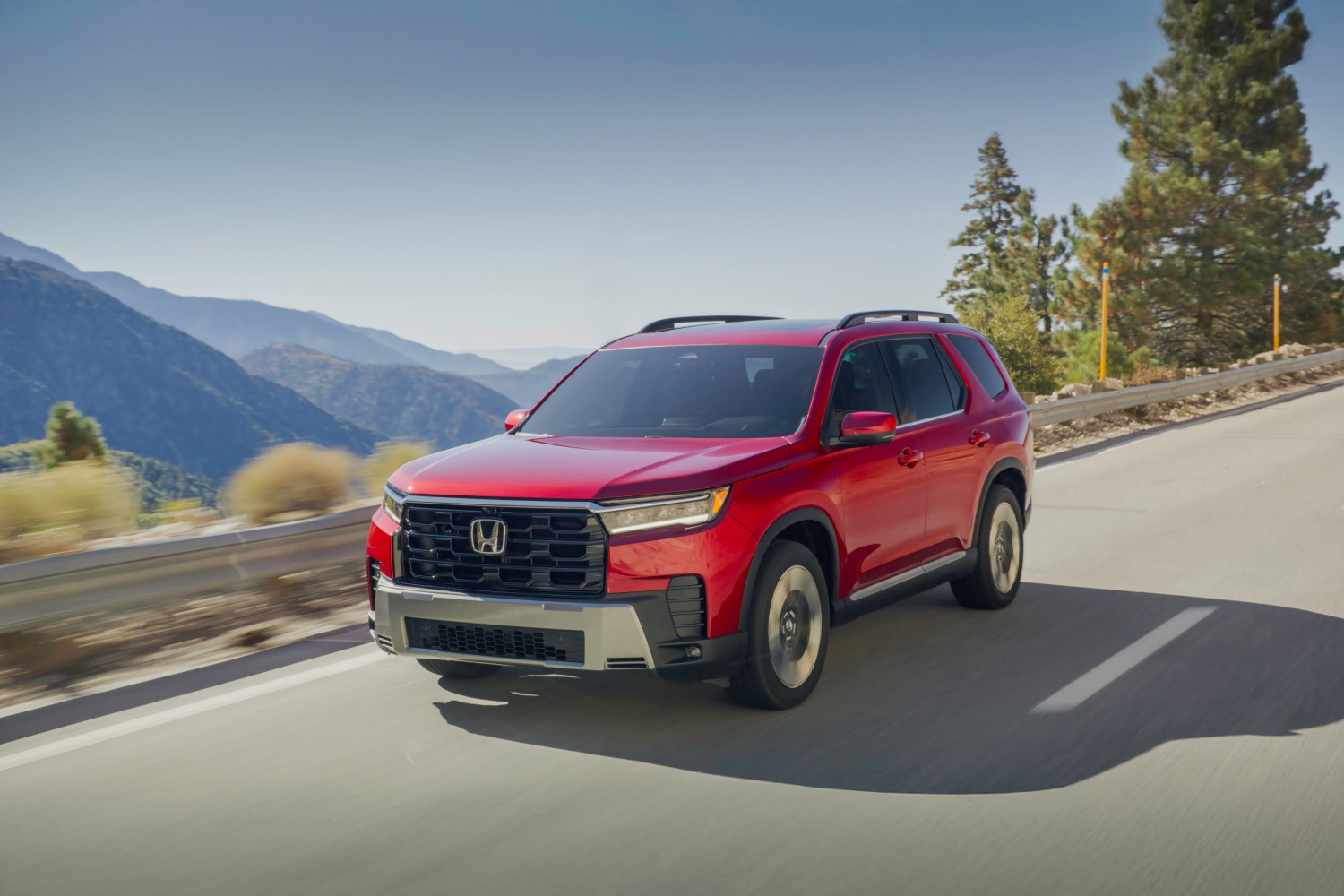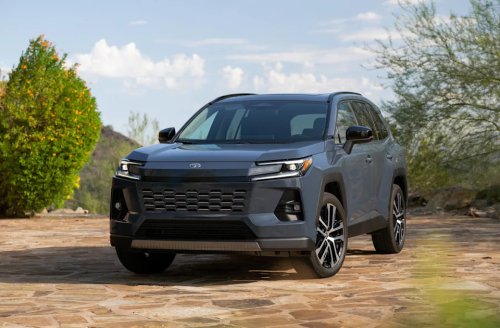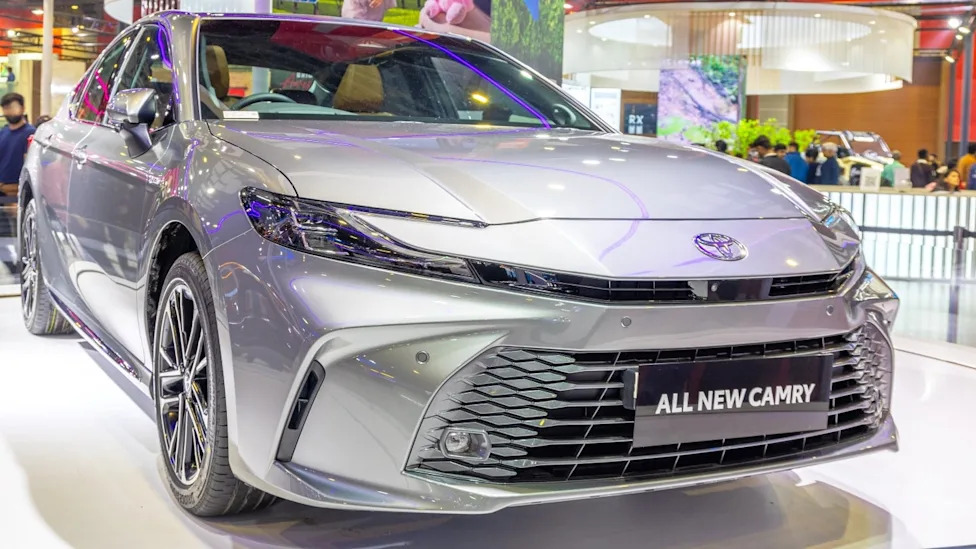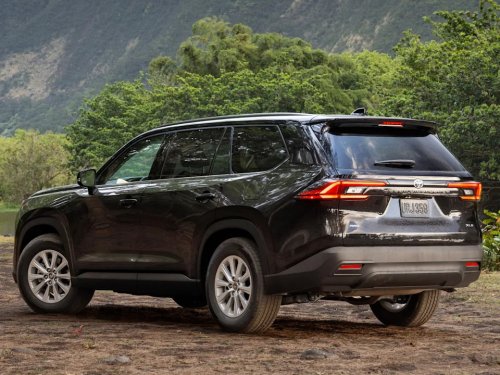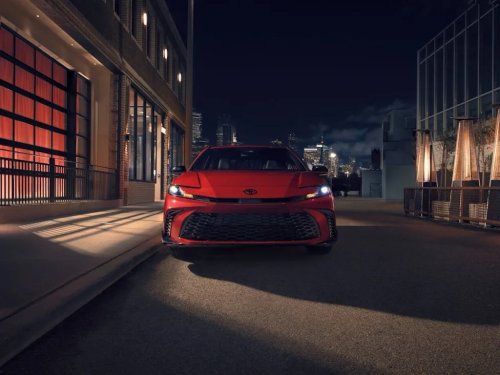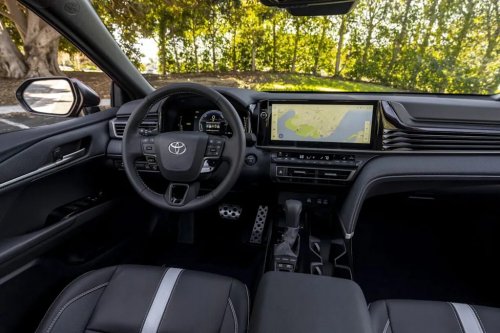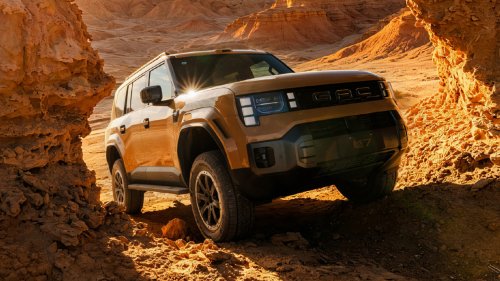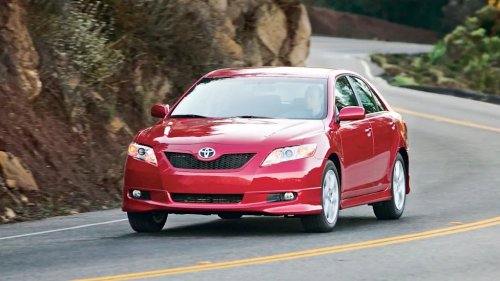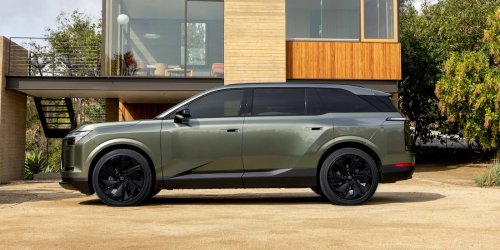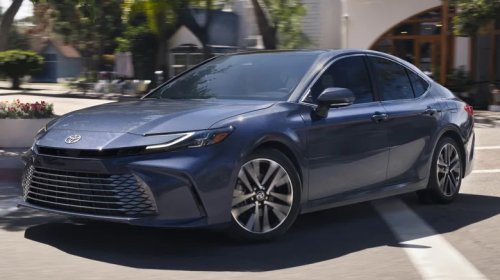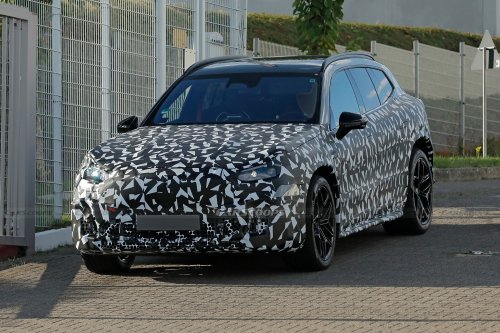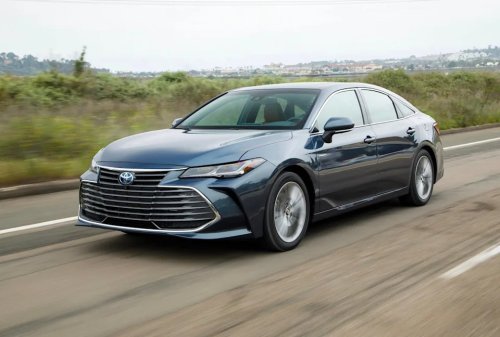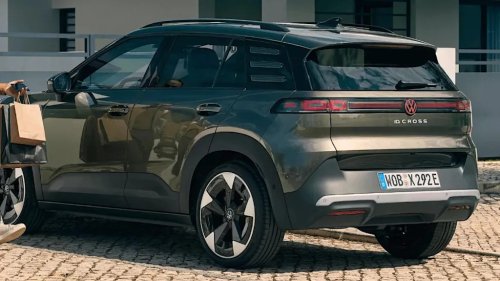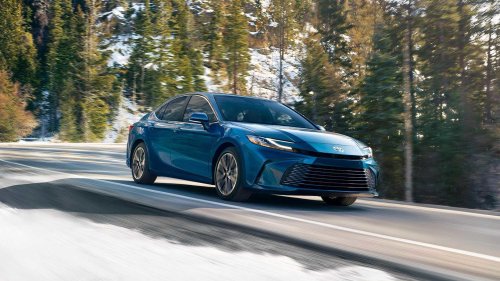
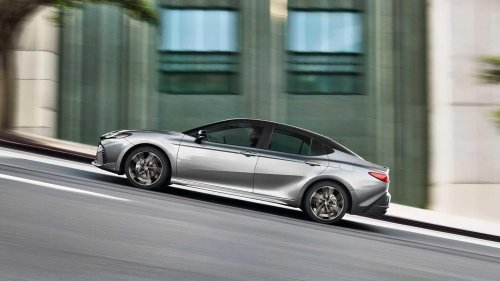
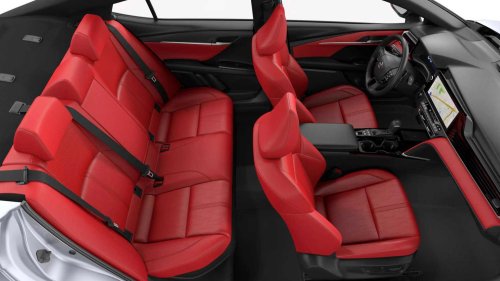
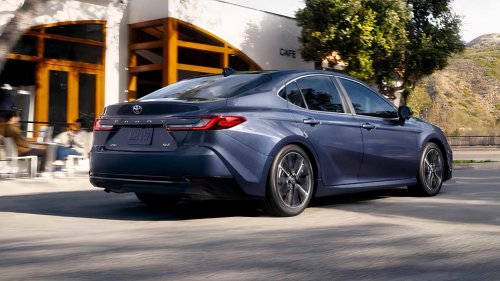
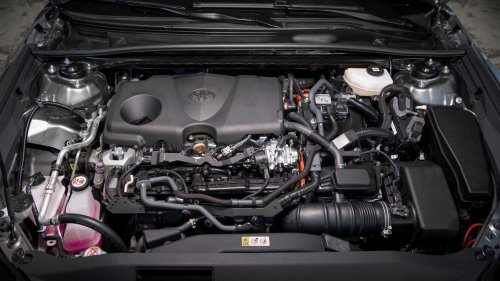
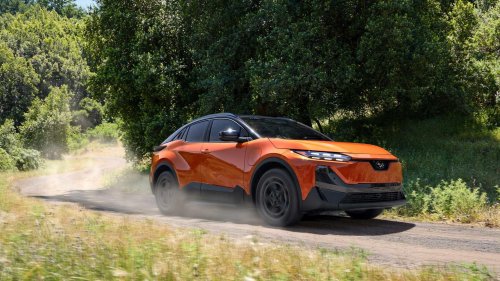
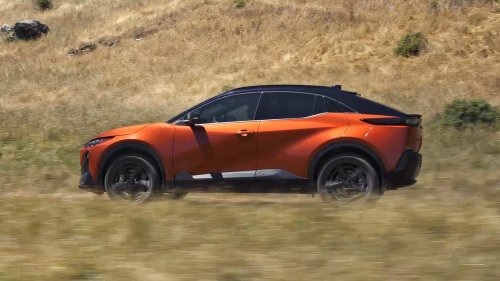
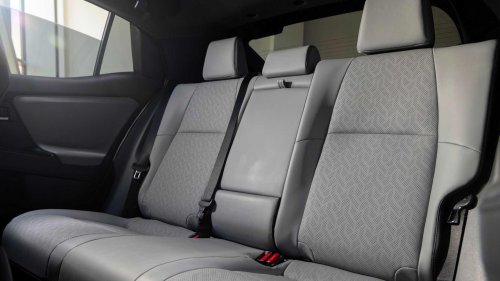
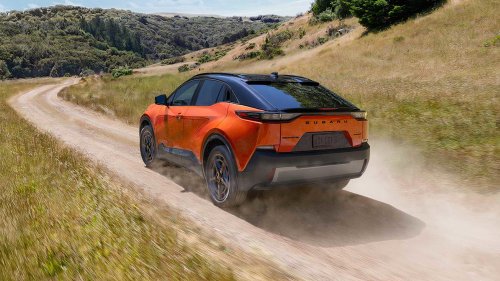
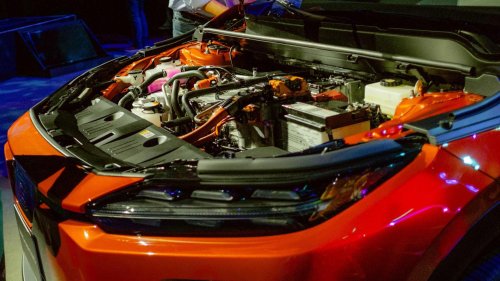
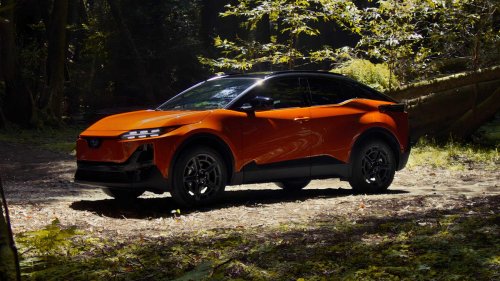
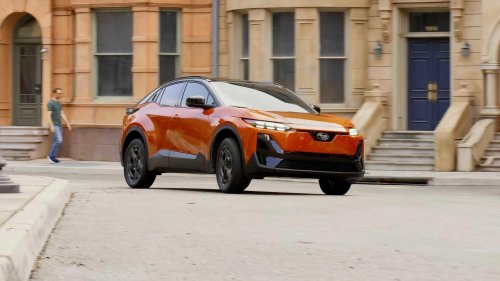
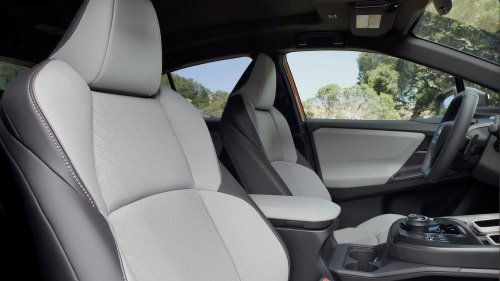
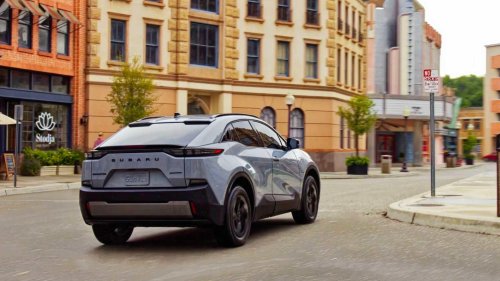
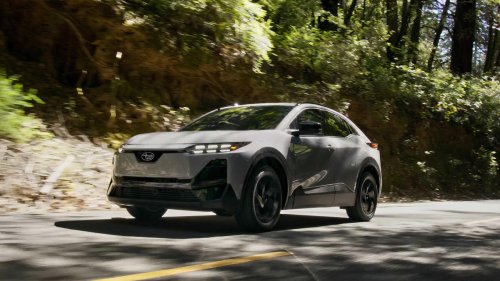
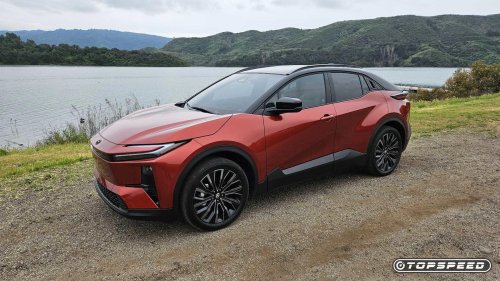
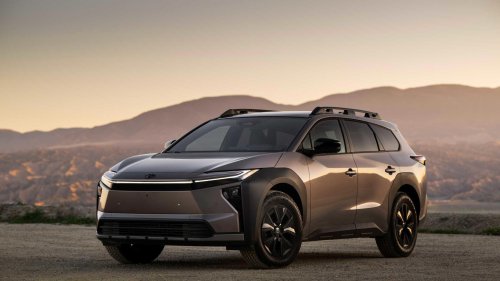



















For well over 30 years, the Toyota Camry has been the go-to car for young families, and for the past couple of decades, it has been recognized as one of the steadiest and smartest cars to purchase, for its ease to own and drive, interior comfort, and enduring reliability. It hasn’t been the flashiest (though it has taken large strides in the past couple model years), nor the fastest, but it has predictability on its side—in performance, fuel costs, and depreciation.Over the past decade, though, the family vehicle tide has turned, and a strong current has developed in favor of SUVs for practical reasons—a sense of all-weather dependability, better command-of-the-road seating, more spacious and flexible interiors, and better cargo handling. At the same time, families began to look at alternative energy sources, to counter the rising cost of gasoline. Combine both thoughts, and you begin to see that, for some buyers, an electric SUV is a shopping list consideration over a gasoline hybrid sedan. How The Toyota Camry Became The Industry Measuring Stick From the smallest sub-compact to the largest SUV, the automotive marketplace has consistently compared itself to the Toyota Camry, maybe not completely, but in terms of value, comfort, reliability, or depreciation, or in terms of direct competitors, all of the above. Camry has consistently delivered what buyers want, and in the case of buyers who want to avoid the Camry at all costs, what they don't want. The reason a mid-America sedan is so polarizing is simple—it’s predictable—and that’s good and bad for today’s consumer.ToyotaWhen it comes to Camry, buyers and non-buyers alike know what the car offers, but because the market as a whole has evolved over the past decade, consumers have a whole bunch more options for the midsize Camry sedan. Predictably, Camry has held true to its core beliefs as it has evolved within its segment and the market as a whole—it's improved its efficiency and enhanced its cabin comfort—but the world around it has shifted, to the point that there are viable alternatives, even if they aren't direct competitors. Why Sedans Like The Camry Ruled Family Driveways For Decades ToyotaFor decades, the midsize sedan formula made perfect sense as the family vehicle, and cars like the Toyota Camry offered the rear seat space for adults, a large trunk to carry their stuff, and a ride tuned for comfort and isolation. Camry was, and continues to be, easy to drive, easy to park, and efficient and comfortable on long drives. In general, it ticks all the boxes on the family-vehicle checklist, and it’s easy to live with.ToyotaInherently, family sedans use space efficiently, separating people and cargo, and their low-slung profiles aerodynamically improve efficiency and reduce noise in the interior. But growing families often find they need vehicles to expand into—more people may need to be seated, different sizes of cargo need to be carried, and today’s economy sometimes needs radical options to just pump fuel into a tank. The Seismic Family Vehicle Market Shift ToyotaThe shift away from sedans didn't happen overnight (and to a certain extent, it still hasn't, completely)—but once the ball started rolling, it accelerated and expanded quickly, like a snowball on a toboggan hill. Consumers liked that they could preserve interior usability in a smaller crossover, or gain SUV usability within the same footprint, with only minor trade-offs in affordability and efficiency. Of note is that the Toyota Camry was an early wagon adopter, but gave them up with the market shift to crossovers.ToyotaThe main trade-off of shifting to an SUV is efficiency, but that was addressed early on with electrification. Even the Camry embraced electrified powertrains, transforming itself into one of the most desirable hybrid vehicles in the marketplace. But compact and midsize SUVs were able to radically bolster their attraction to the point that it became almost nonsensical to consider any other type of vehicle. Today, SUVs come in all sizes and offer a wide range of efficiency, including full-on EVs like this one, that can be had for Camry money. The 2026 Subaru Uncharted As An Alternative To The 2026 Toyota Camry Starts at $34,995 The2026 Subaru Unchartedis a new electric compact SUV that starts at $34,995, showing how much EV pricing has come down over the past decade. But price is just the starting point in considering the Uncharted SUV over the Camry sedan, given its city-friendlier footprint and efficiency, and how well it fits into one-vehicle family dynamics.SubaruThe compact Uncharted is naturally smaller than the midsize Camry in length but is marginally wider and considerably higher. Like the modern city that increases its tax revenue by building upward, so the Uncharted increases its usable space with a taller cabin, giving up a bit of rear-seat legroom in favor of airy comfort and stackable cargo space. And, it’s also better suited than the Camry for modern driving routines that prioritize shorter everyday driving. The 2026 Subaru Uncharted Handles The Needs Of The Modern Family Better SubaruIn a one-vehicle household, the family vehicle has to get people where they need to go, bring home equipment and move out clutter, and do it all without breaking the budget, and the 2026 Subaru Uncharted does that better than the 2026 Toyota Camry. The Camry still excels at long-distance comfort and convenience, but the Uncharted is better tailored to today’s short-distance routines.SubaruThe appeal is greatest in energy efficiency—electricity costs are cheaper and don’t fluctuate as much as gasoline, and EV efficiency in stop-and-go driving means a better return on investment over long-term ownership. In contrast, though, Camry handles long-distance trips more comfortably for a packed cabin, and doesn’t have to stop as often or have its journey meticulously planned for “refueling.” How Much The 2026 Subaru Uncharted Costs To Operate SubaruAccording to projections from industry analysts, EVs like the Subaru Uncharted benefit from three core advantages immediately (lower energy costs compared to gasoline), in the mid-term (reduced maintenance costs, thanks to fewer moving parts), and over the long-term (competitive depreciation, as EV adoption increases and technological progress plateaus).Justin Westbrook/CarBuzz/ValnetImmediately, energy costs are shifted from out-of-pocket expenses to the monthly budget, with an uptick of $30–$60 per month on the electric bill, depending on location and electricity rates, and DC fast-charging stops costing between $6 and $12, depending on charging speeds and the battery’s level of depletion. Maintenance is expected to be in the $1,500 range, and depreciation is projected in the 55%–65% range over five years, though that is unknown because the Uncharted is a new vehicle and EV depreciation is still in the "learning" stages. How The 2026 Subaru Uncharted Competes Against The 2026 Toyota Camry SubaruThe 2026 Subaru Uncharted is in tough against the 2026 Toyota Camry, one of the most efficient, comfortable and reliable vehicles in today’s marketplace. Hybridization has only improved its efficiency, maintenance schedules are straightforward, repairs are seldom severe, and depreciation is one of the lowest around, because the sedan is still highly in demand (mostly for all the other things above). Camry isn’t one of the cheapest up front (though it has its merits), but it’s one of the cheapest over time.Different Powertrains Return Different But Equally Beneficial Outputs2026-subaru-uncharted-3-1.pngComparing the powertrain of the 2026 Subaru Uncharted to that of the Toyota Camry is like comparing apples and potatoes—they’re both crunchy when you bite into them raw, but when you cook them, you come up with different but equally delicious products with unique dietary benefits. Both powertrains are efficient and smooth, with fairly even outputs, but the Uncharted displays its superiority in around-town driving, while the Camry is better at long-distance cruising. The Smaller Subaru Uncharted Is Bigger In Utility And Versatility 2026-subaru-uncharted-interior-1.pngThough the two are sort of similar in footprint, the compact Subaru Uncharted SUV has added versatility in cabin volume over the midsize Camry sedan. The raised cabin adds immediate “trunk” space, though even with the cargo separator/tonneau cover in its raised position, it has a nearly eight cubic foot advantage. That gain is offset by more restrictive rear-seat legroom (a near six-inch deficit from the Camry), but the Uncharted can flip down the rear seats (as can the Camry) to more than double the cargo volume, while the Camry only gains in length. The 2026 Subaru Uncharted Saves Big On Fuel Costs 2026 Subaru Uncharted 10-1With its being a completely new model, there is a lot that’s unknown about the 2026 Subaru Uncharted, so many of the long-term costs are speculation and not based on history. Comparing it to the 2026 Toyota Camry and like-sized electric vehicles currently on the market, we’ve come up with projected costs that show the two vehicles are remarkably alike. The Uncharted has a huge lead in energy costs, but the Camry slowly chips away at it with its dependability and predictability. Totaling it up, there is no clear winner. The Subaru Uncharted Electric SUV Can Be Had For The Price Of A Toyota Camry SubaruThe 2026 Subaru Uncharted is an example of how the compact SUV has taken over the midsize sedan family mantle, matching up with the 2026 Toyota Camry not only on efficiency and cabin utility, but also on price. Then you factor in that it’s an electric SUV that matches up almost exactly with the newest Camry in price, and you begin to see the breadth of choice in the family-vehicle field.SubaruUncharted matches up pretty much evenly with what has long been acknowledged as one of the most rational purchases in the marketplace. The Toyota Camry is still regarded by many as perhaps the smart buy of the industry—the yardstick against which just about every other vehicle is measured. And the Camry's is a proven formula, with its simplicity, consistency, efficiency, and low-risk, low-cost ownership. However, if you want to stick with Toyota, there are a couple choices. The New Electric 2026 Toyota C-HR Mirrors The Uncharted In Matching The 2026 Camry Tom Murphy | TopSpeedIf the 2026 Toyota C-HR specs seem sort of familiar, it’s because the new C-HR is a twin to the 2026 Subaru Uncharted, except that the Toyota model is only available in AWD (for now, probably). The C-HR name is not new, but the exclusively electric powertrain is, representing a pivot in Toyota’s sub-compact SUV lineup. It’s borderline affordable against the top-tier AWD Camry XSE, and its goals are slightly different. Like Uncharted, the new C-HR has a smaller footprint than Camry and excels in city driving, but its limited range will require prudent planning for road trips. The 2026 Toyota bZ Surpasses Camry On Efficiency At The Cost Of Long-Distance Cruising 2026 Toyota bZ Woodland-34Formerly the bZ4X, the FWD 2026 Toyota bZ matches up well against the FWD Camry in price (though it rises very quickly as you move up through the ranks, with the top-end bZ topping $47,000), positioning the compact electric SUV as a viable alternative to the traditional midsize family sedan. The compact bZ trades overall midsize footprint for better cabin utilization, and long-distance cruising for around-town efficiency. As with other electric alternatives, it comes down to the individual family’s priorities.Sources: EPA, Car and Driver, CarEdge, Kelley Blue Book