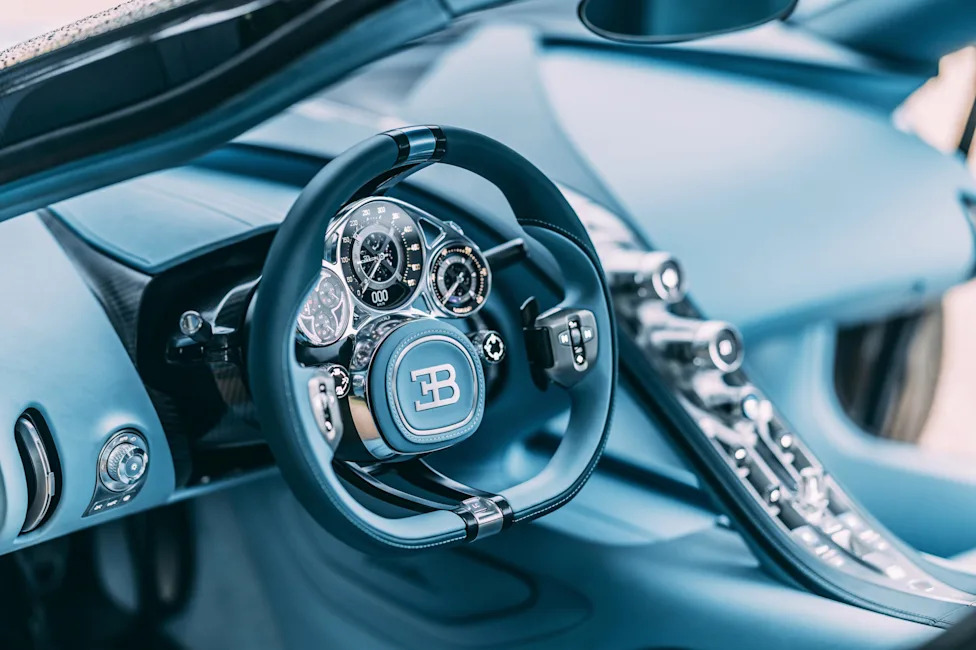
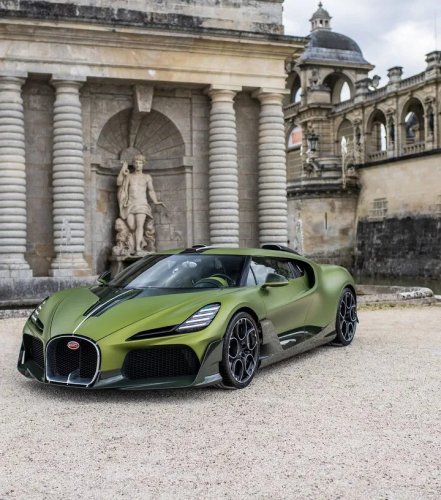
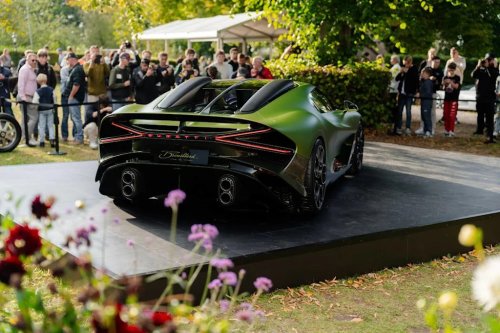
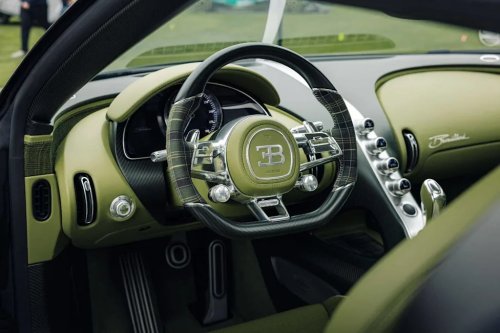
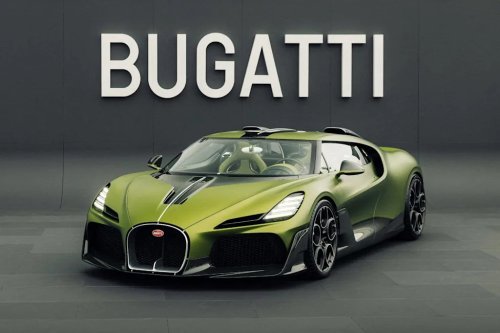
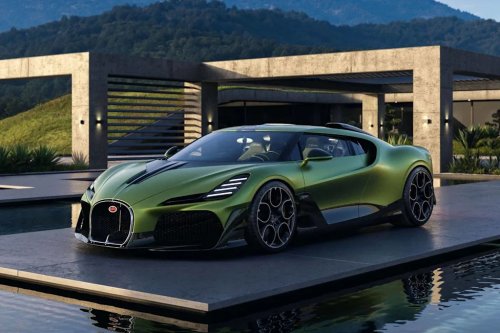
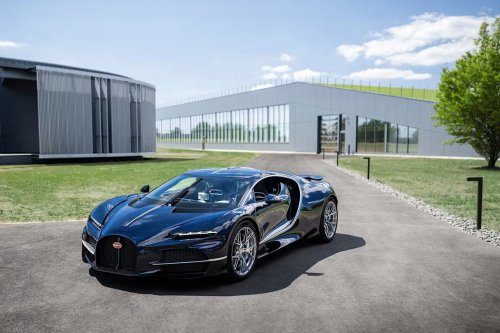
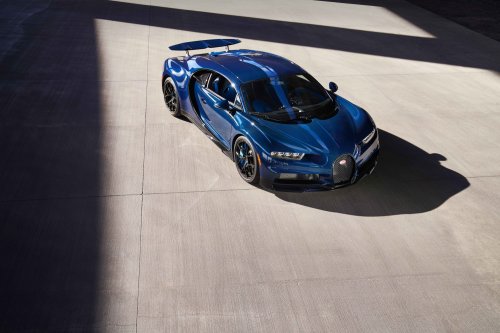
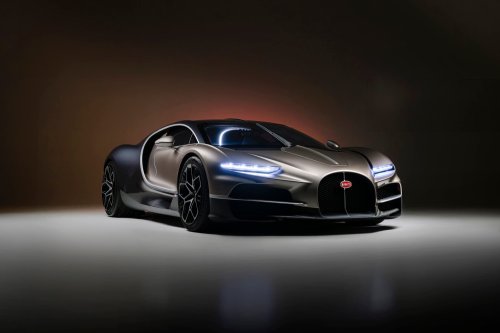
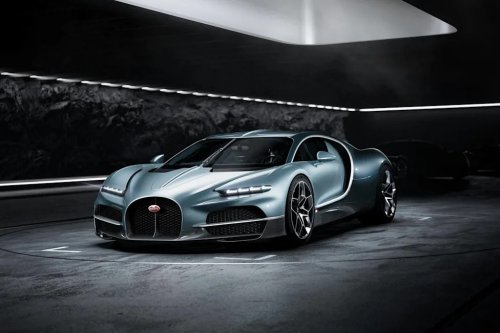
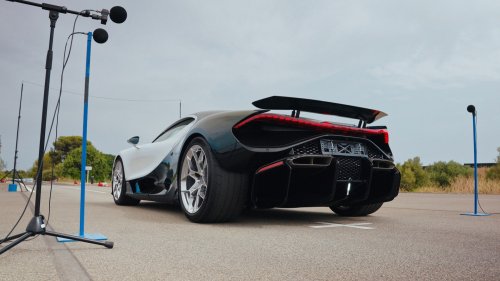
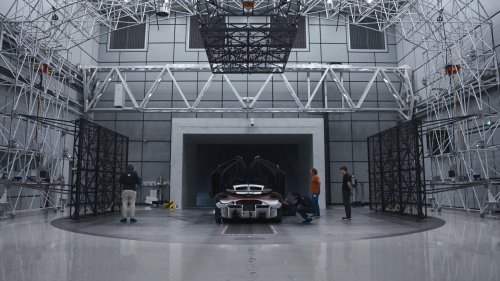
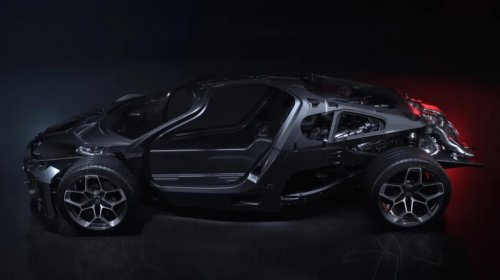
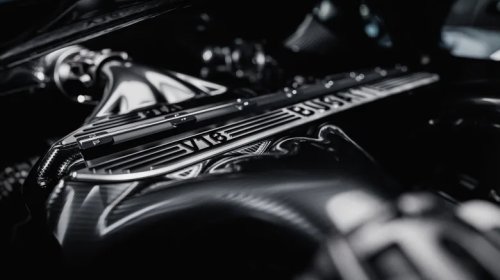
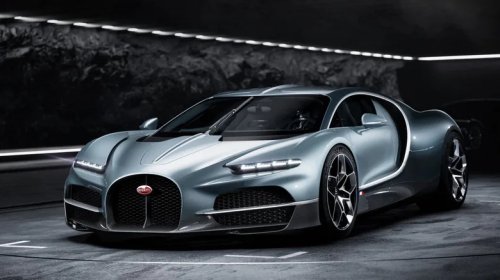
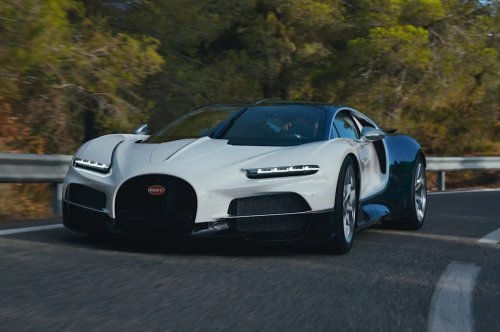
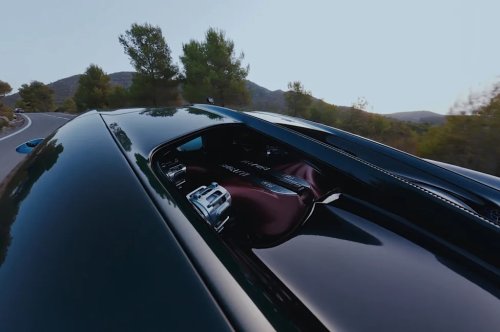
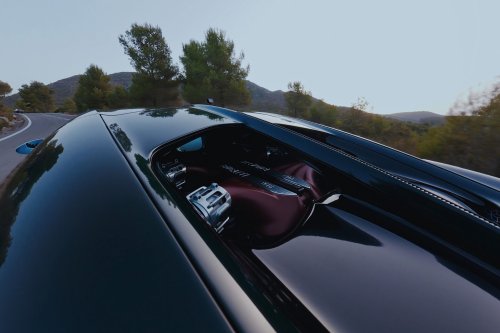
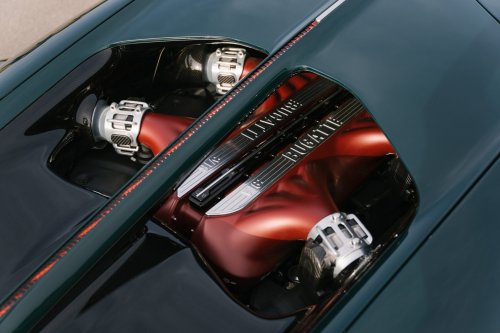
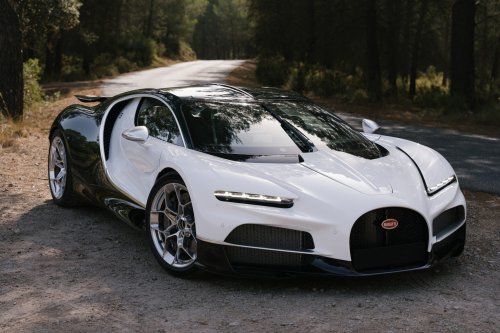
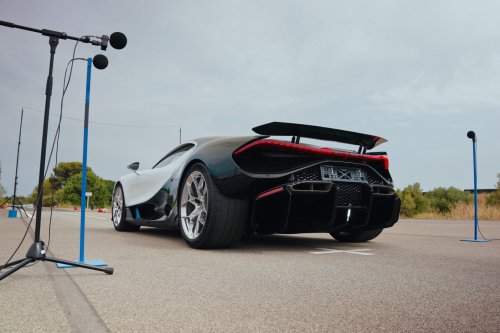
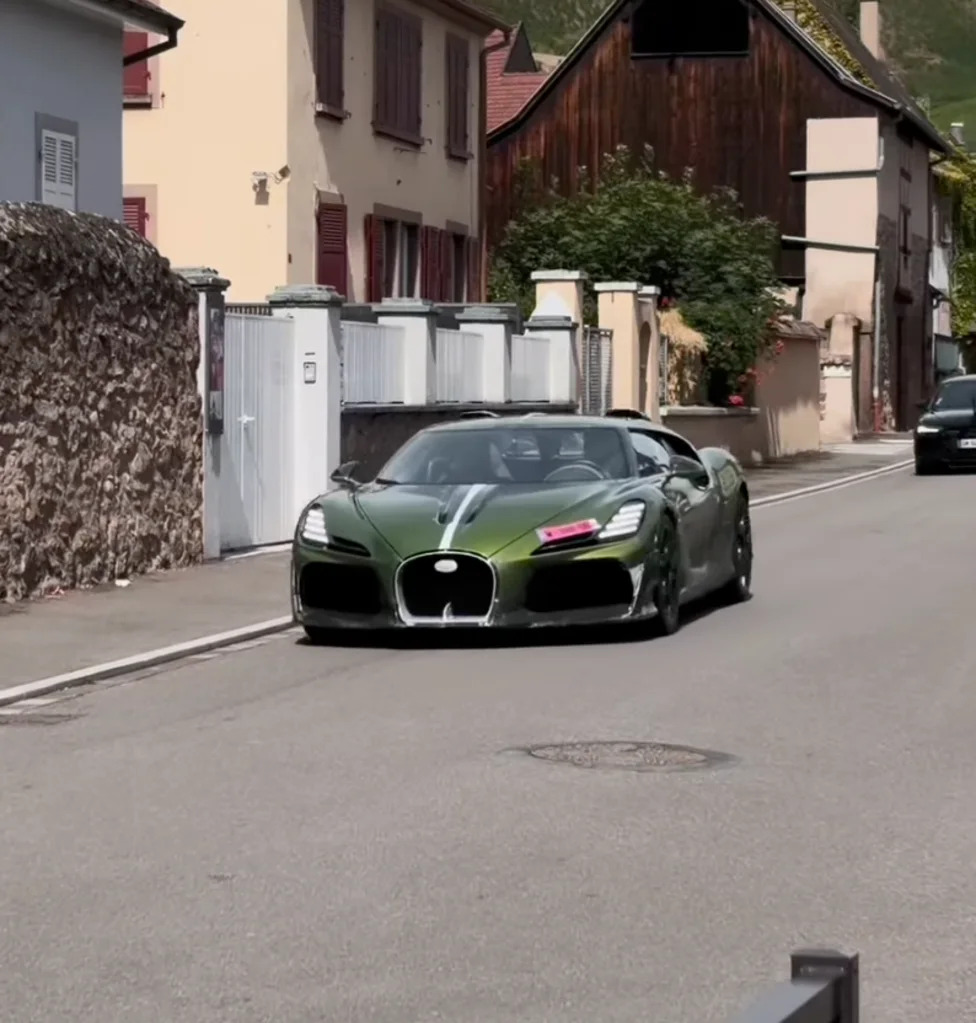
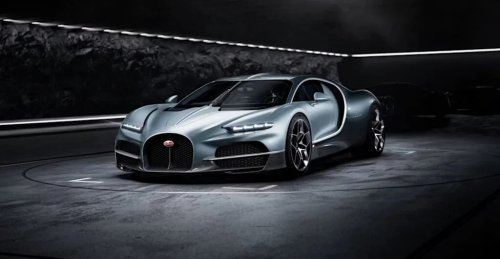
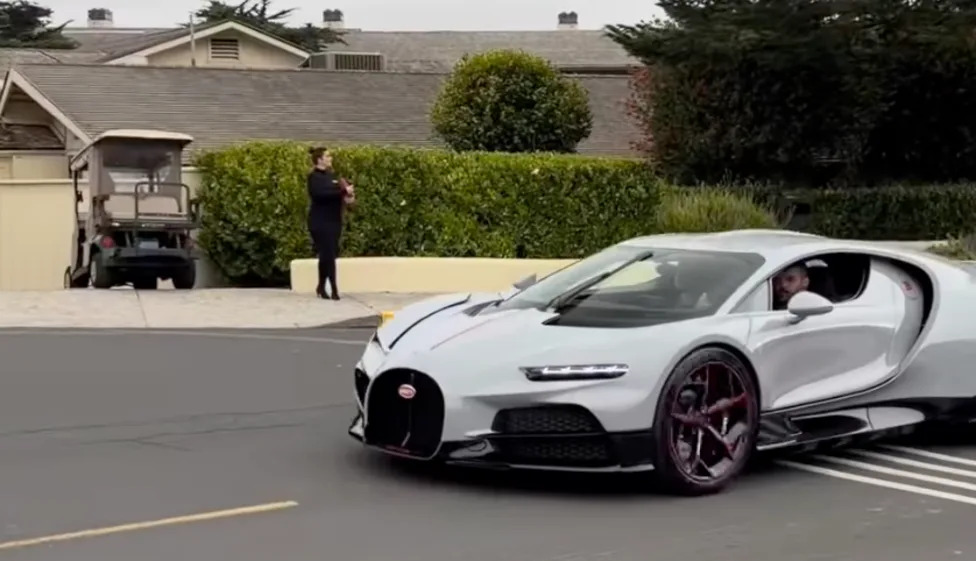
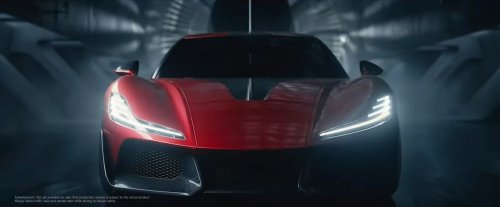
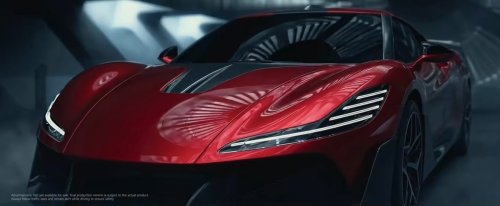
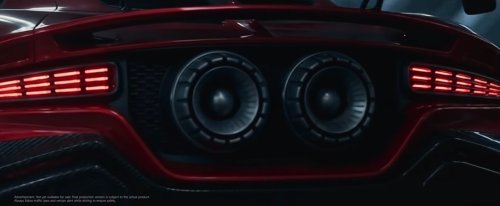
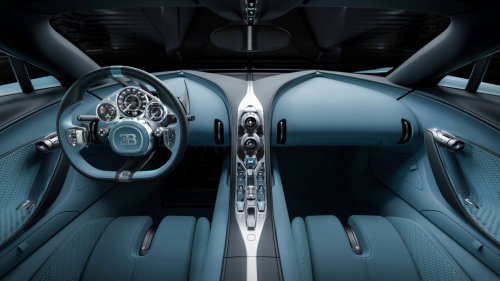
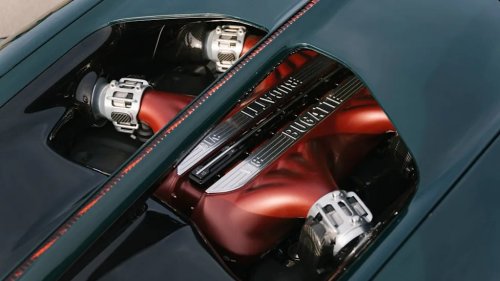
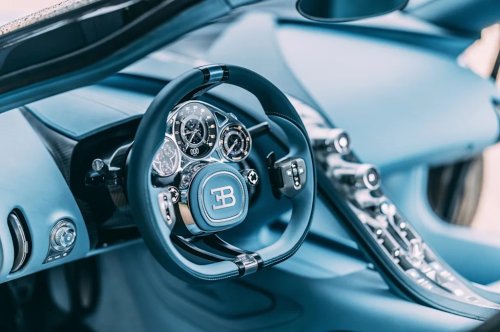
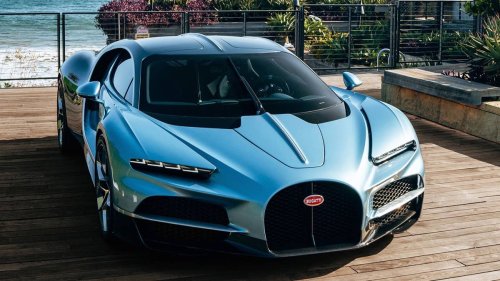
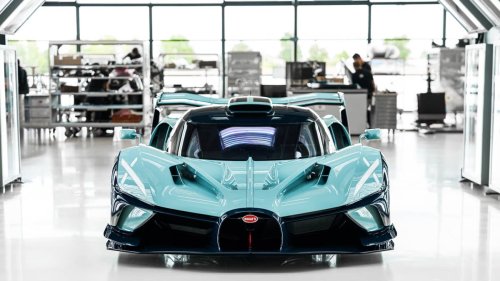
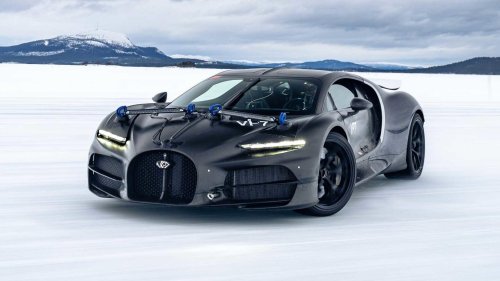
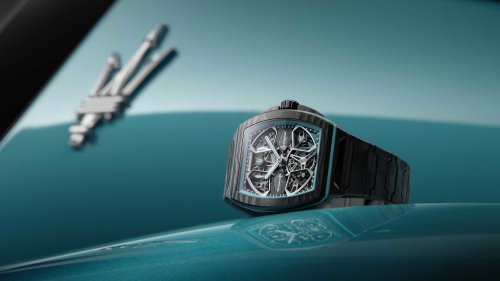
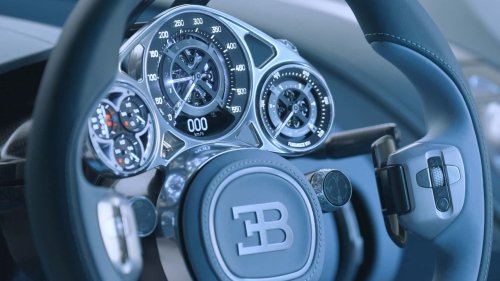
A viral video of the Bugatti Tourbillon firing up could leave viewers wanting either the hypercar itself or a tourbillon watch with its intricate gears exposed. The Tourbillon hypercar takes its name and inspiration from the 1801 watchmaking invention designed to counteract the effects of gravity and improve timekeeping precision. In keeping with that theme, Bugatti gave the car a skeletonized instrument cluster made from more than 600 titanium, sapphire, and ruby components, designed to resemble the intricate movement of a mechanical timepiece and give the hypercar a timeless character.Bugatti has made the Tourbillon's start-up sequence feel more like operating a finely engineered mechanical timepiece. The physical dials in the instrument cluster gradually come to life, providing a striking contrast to today's screen-dominated dashboards, where digital displays show everything from speed to engine revs. Even the beautifully crafted center console adds to the theater, with a start/stop button that looks ready to fire up the hypercar, but pressing it alone does not start the engine.Instead, the button rises out of the center console, as if the Tourbillon is running through its initial checks and waking up systems such as the fuel pumps. Once the driver pulls the button, the car's enormous V16 finally erupts gracefully into life, replacing the mechanical clicks and movements with the unmistakable roar of a high-performance combustion engine.Image Credit: BugattiAdvertisementAdvertisementOnce the engine is running, the driver blips the throttle, revealing just how quickly the naturally aspirated V16 responds. The revs rise almost instantaneously, climbing toward an astonishing 9,000 rpm while producing a soundtrack that is nearly as impressive as the engine's razor-sharp response.Coincidentally, the CEO of Bugatti, Mate Rimac, recently compared luxury hypercars to exotic timepieces, suggesting that wealthy buyers may increasingly favor the mechanical driving experience of internal combustion engines, while the masses transition to EVs, Motorbiscuit reported.With several automakers shifting toward producing low-cost EVs in a bid to compete with Chinese manufacturers, Rimac suggested that luxury auto manufacturers will continue to make internal combustion engines. That could be true, considering that Porsche and Lamborghini have focused their strategies on gas-powered engines and hybrids. Rimac said:"For normal cars, normal people, the vast majority will be electric. The upper segment, like sports cars and upwards, are going to stay combustion for a very long time, exactly like watches. Only like 5% of watches are made in Switzerland, but that's where 90% of profits are made. An Apple Watch or any kind of smart watch can do so many more things. But no one will pay $200,000 for it."AdvertisementAdvertisementRimac added that performance is no longer the only factor driving hypercar purchases. Increasingly, buyers value the human element behind these cars- the craftsmanship, personalization, and bespoke touches that can turn them into timeless works of art. He said:"You can get a car that's faster than any performance car from 10 years ago for like $50,000 from China. Performance is really becoming secondary. It's more about what I call the celebration of human skills. When you look at these cars, you see the amount of ingenuity and art and beauty."The car is, like, the most complex object you can buy. It's art, but it's art that needs to go 250 miles per hour and be safe, have downforce and survive in a crash test and go in the snow and extreme heat, and all those things."