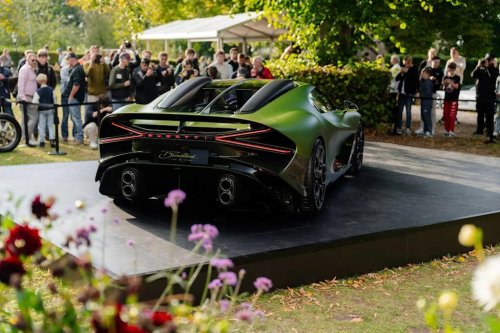
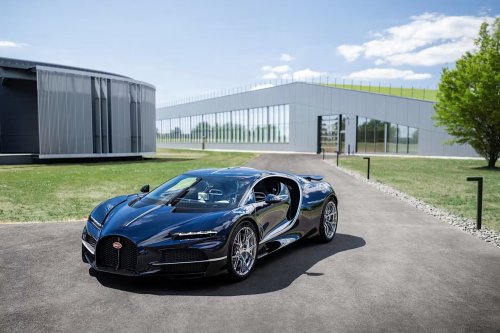
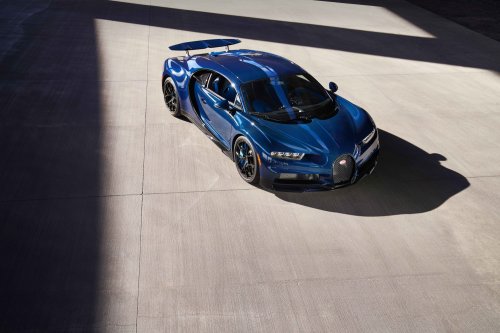
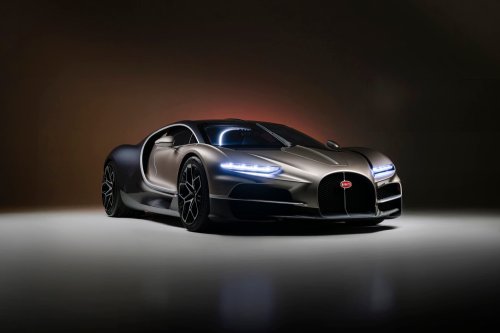
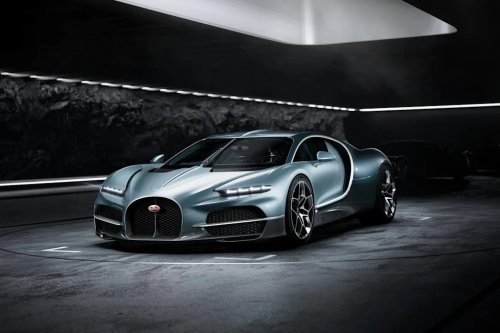
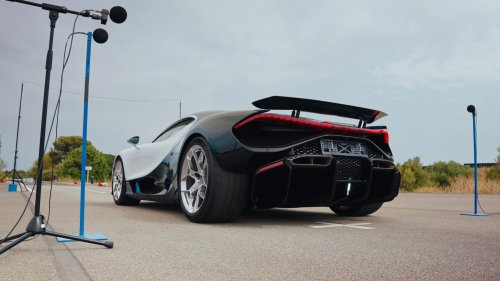
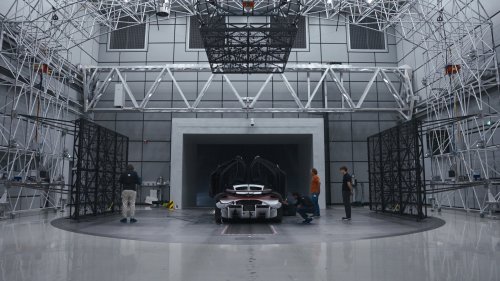
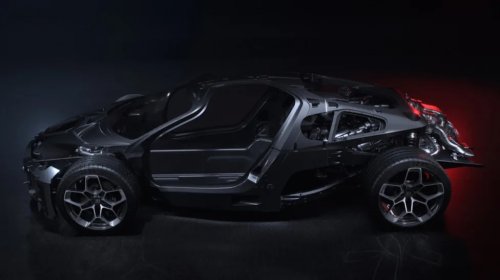
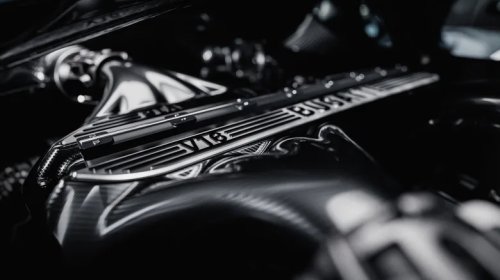
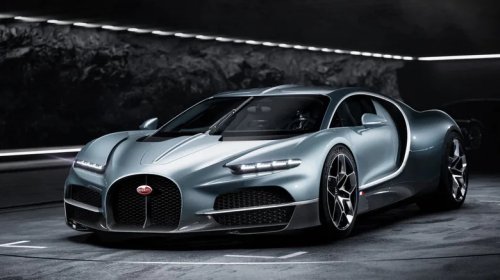
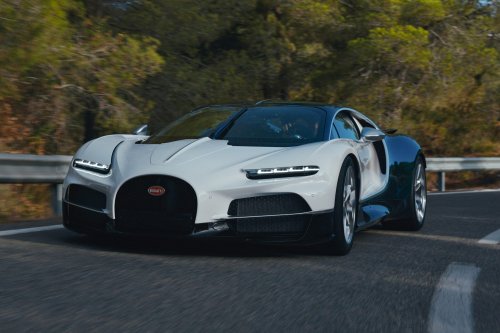
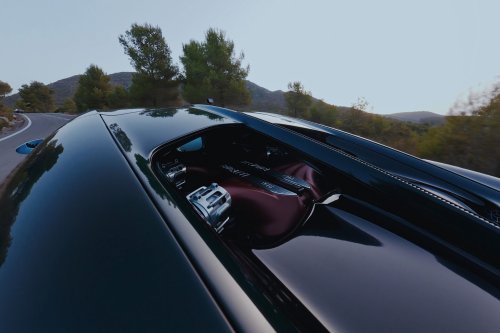
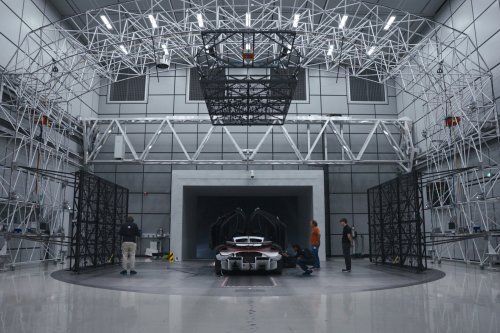
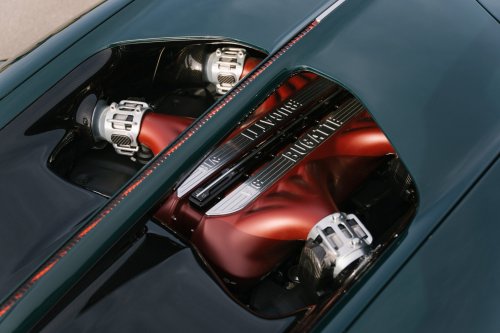
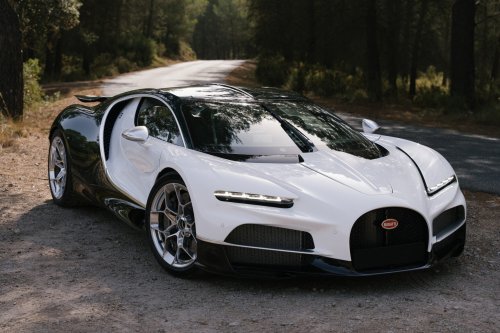
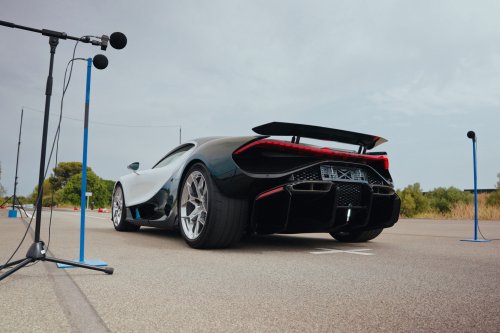
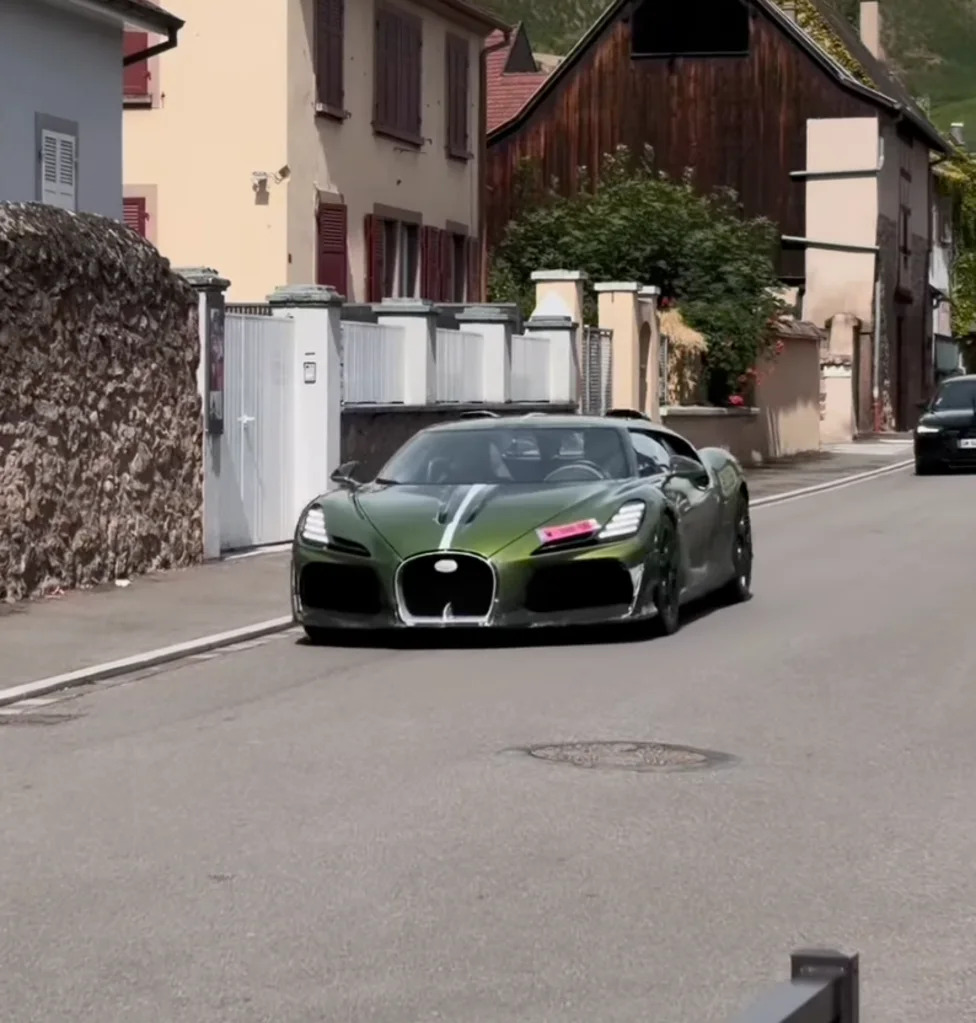
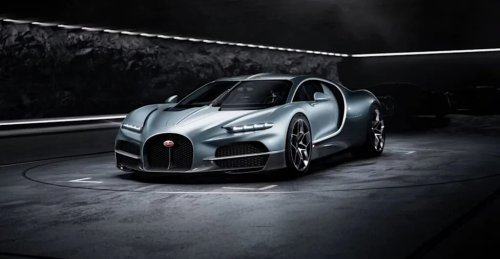
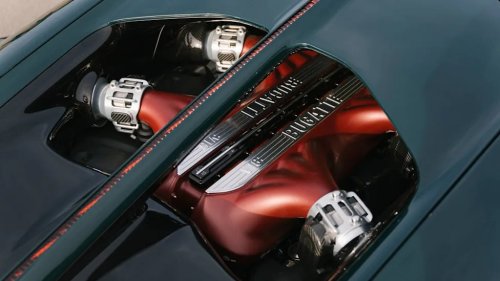
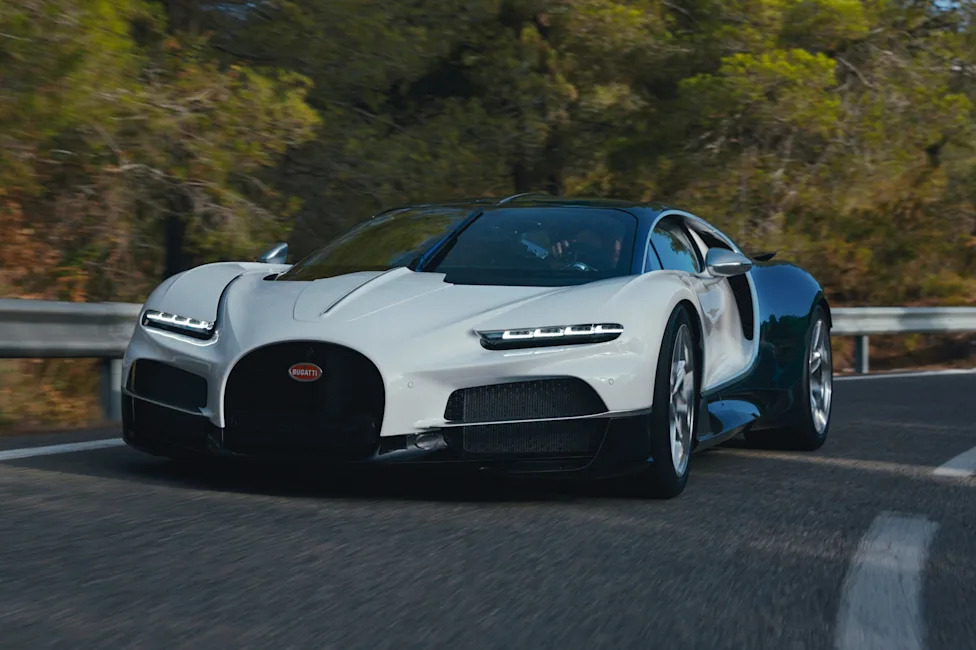
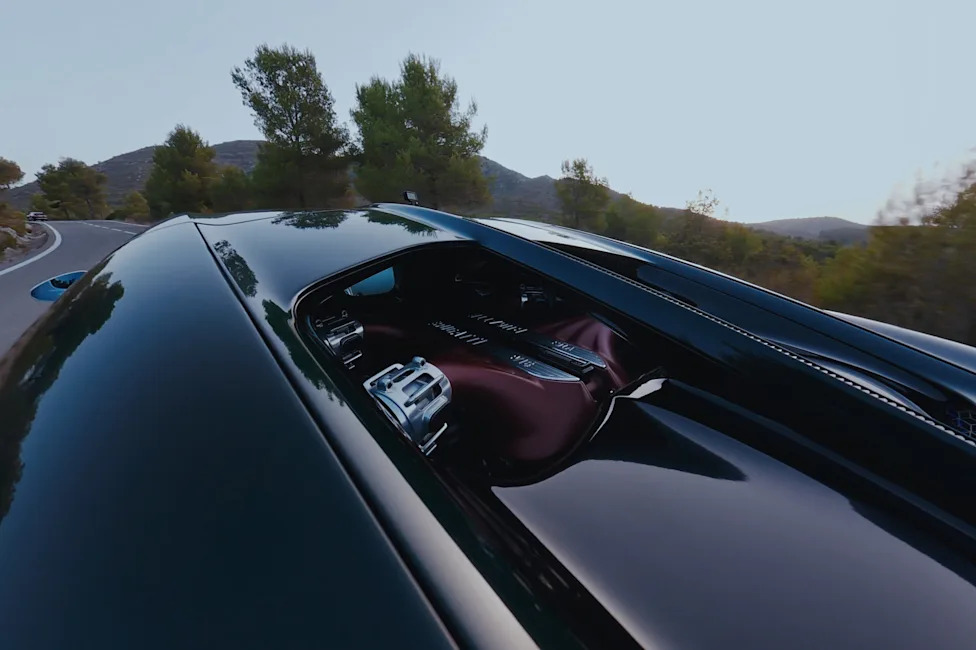
Bugatti's Tourbillon may have an all-new naturally aspirated V16 engine, but the automaker wanted its soundtrack to retain the raw character that has long been associated with the brand. Achieving that required years of acoustic development, thousands of simulations, and extensive testing to ensure the engine sounded right while still meeting noise regulations.Romain Volatier, Head of NVH and Acoustics at Bugatti, explained the engineering behind the Tourbillon's sound in the latest episode of the automaker's A New Era docuseries. He said the development team was under significant pressure while working to certify the car for noise emissions."The car needs to be legal, but the real challenge is to make it legal and still sound good," Volatier said.AdvertisementAdvertisementThe starting point was Bugatti's history. The company's W16 soundtrack had been an important part of its identity for more than two decades, and engineers did not want the Tourbillon's new V16 to abandon that character. Bugatti stated that the Tourbillon's acoustic development was therefore not approached as a blank sheet of paper, with its heritage serving as an important source of inspiration.Volatier described Bugatti engines as having traditionally been somewhat "dirty" and raw-sounding, making that quality one of the key characteristics the team wanted to preserve.However, translating that philosophy to a completely new naturally aspirated V16 paired with an electric powertrain required extensive work. Engineers ran thousands of simulations involving the exhaust and air-intake systems to find the right balance between performance, refinement, and the desired rawness.The acoustic package was also engineered so the mechanical sounds enter the cabin organically. There is no artificial engine sound coming through the speakers; everything occupants hear comes mechanically from the powertrain, including the engine, intake, and exhaust.AdvertisementAdvertisementThat connection was particularly important for Paolo Magrone, Bugatti's Vehicle Development Driver. He explained that being able to hear the engine and feel its speed increase in response to throttle inputs was essential to the driving experience.The challenge was balancing that emotion with everyday comfort. With the windows closed, the Tourbillon can remain quiet during cruising, highway and city driving, as well as when operating in EV mode. Lowering the windows, however, allows the raw sounds from the intake and exhaust to become much more prominent.Bugatti also had to ensure the soundtrack remained within strict legal limits. The maximum permitted noise level for the relevant test is 72 decibels, but reaching that figure involves multiple constant-speed and acceleration runs rather than a single measurement.The tires, body, and aerodynamic elements all contribute to the measured noise, while the Tourbillon's active rear wing can also add to the car's acoustic signature. Temperature and wind conditions must also remain within specific parameters, with gusts capable of invalidating an otherwise successful run.AdvertisementAdvertisementFollowing three years of Tourbillon development, its acoustic character has reached its final form. The result is intended to be "raw yet refined," while remaining entirely mechanical in origin. The naturally aspirated V16 also revs to 9,000 rpm, adding another dimension to its soundtrack.For Bugatti, the goal was never simply to make the Tourbillon loud. It was to preserve the emotional connection between driver and machine while ensuring the new V16 could deliver that experience without sacrificing refinement or regulatory compliance.



















 +49 others