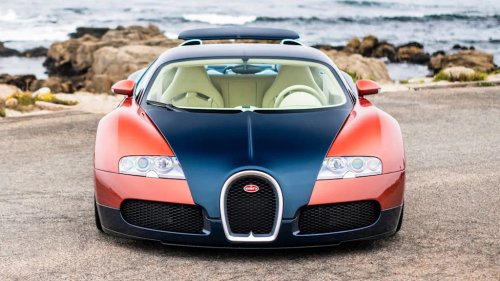
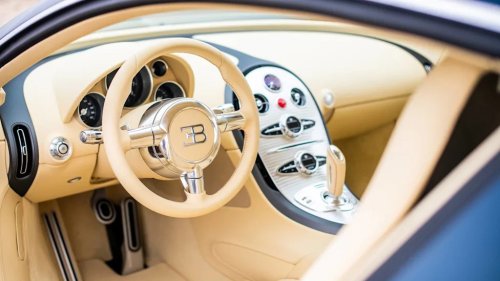
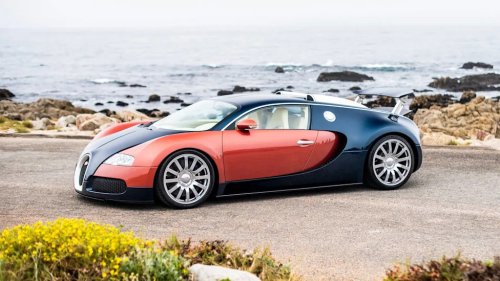
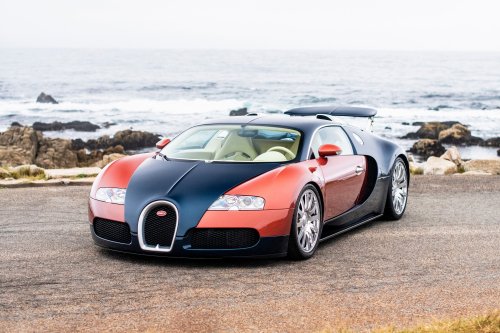
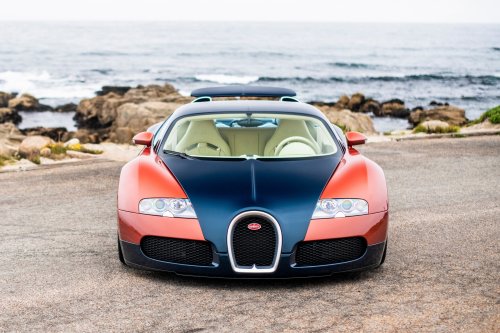
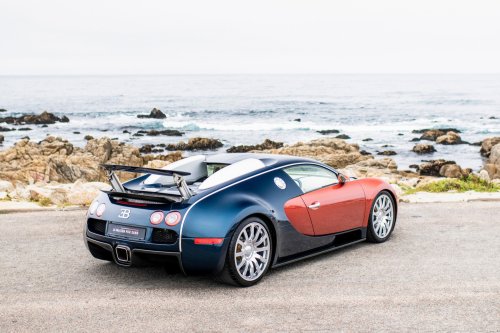
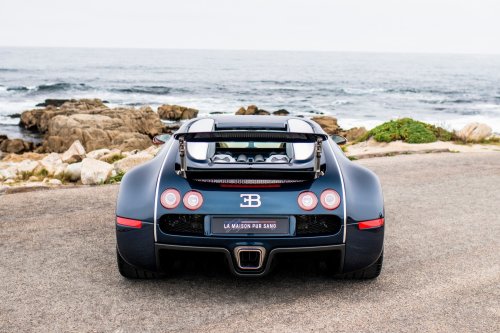
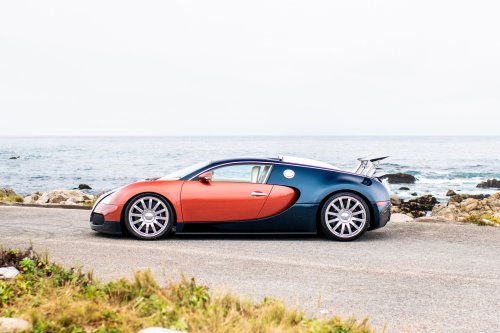
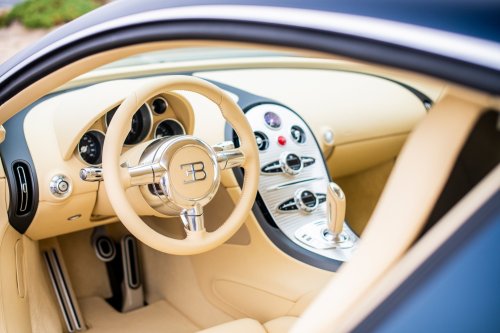
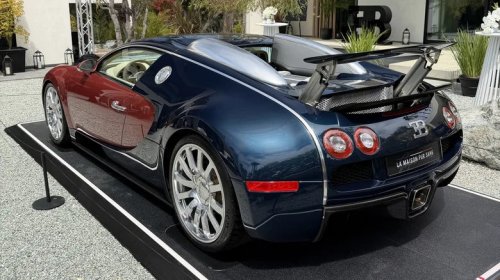
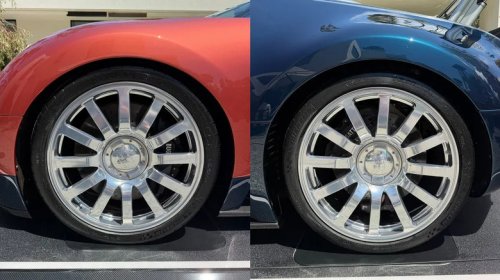
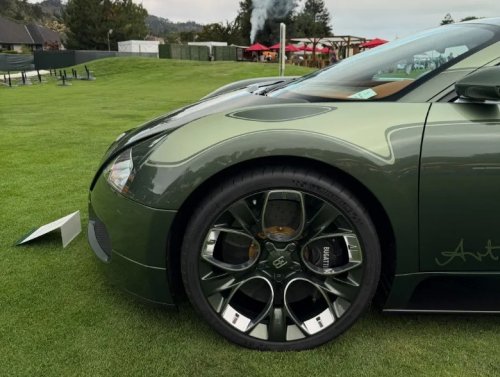
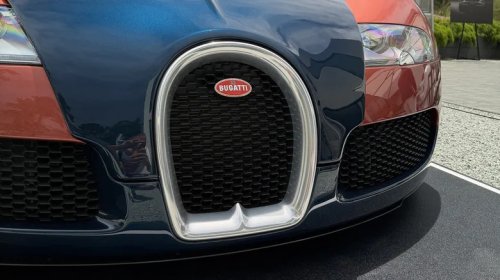
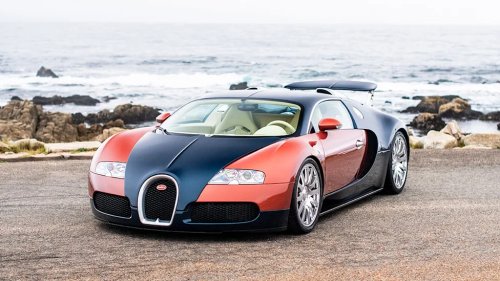
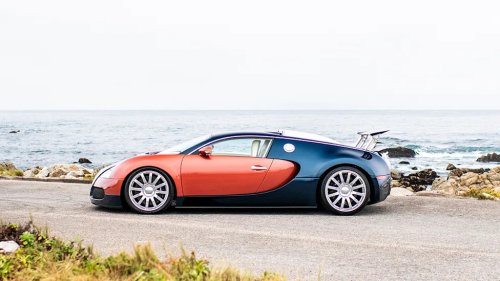
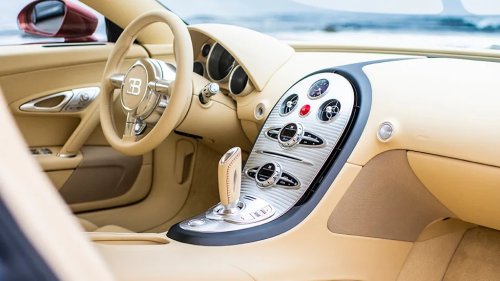
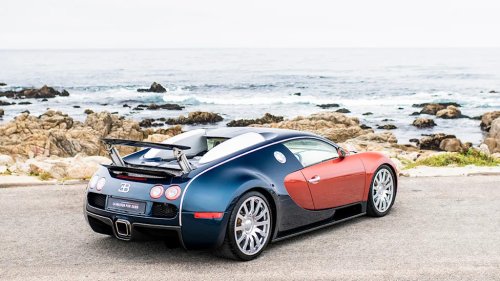
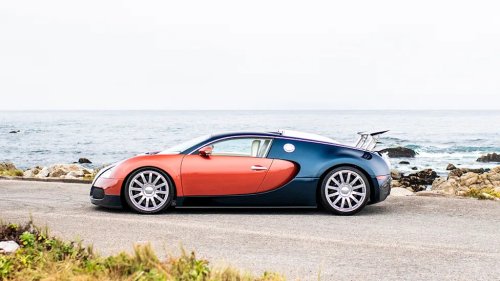
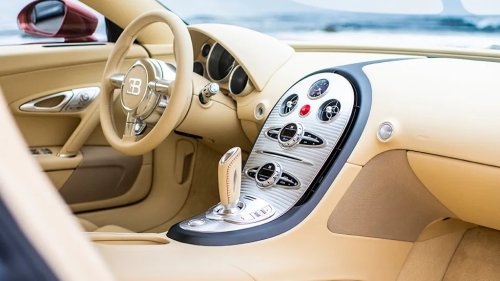
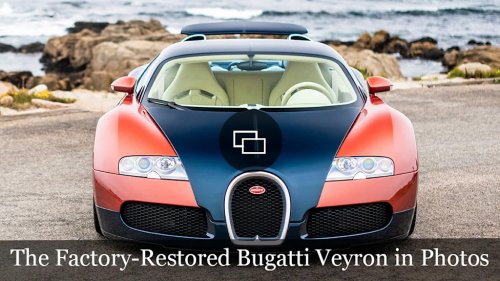
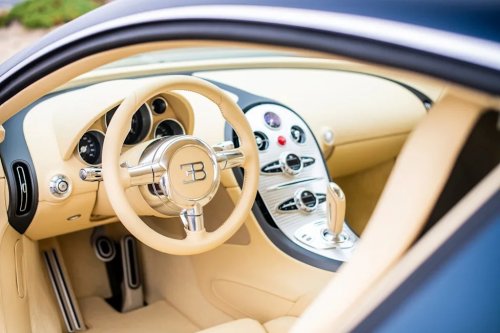
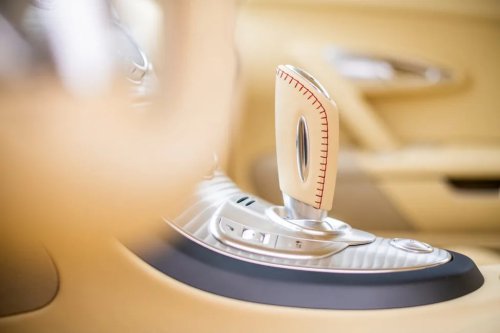
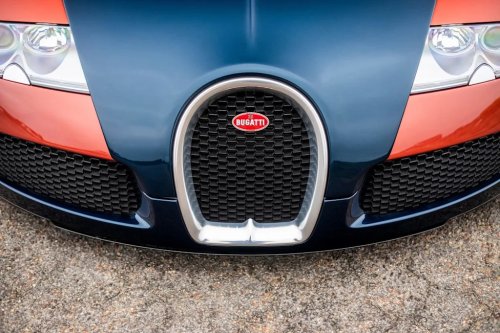
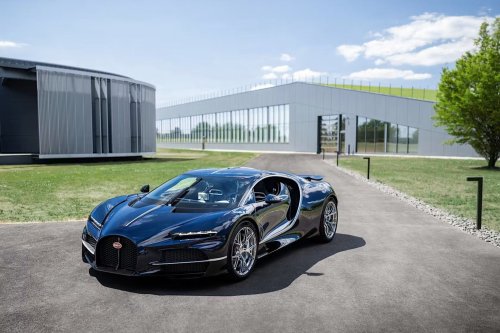
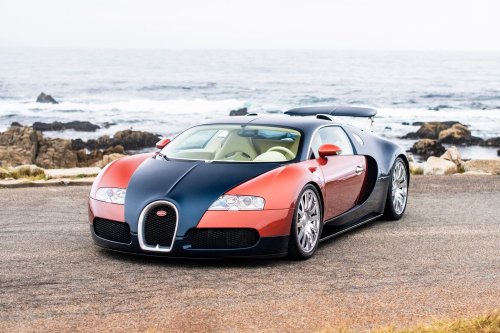
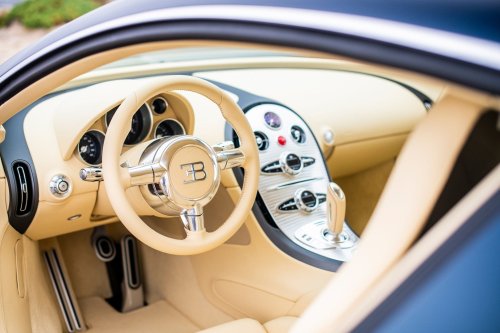
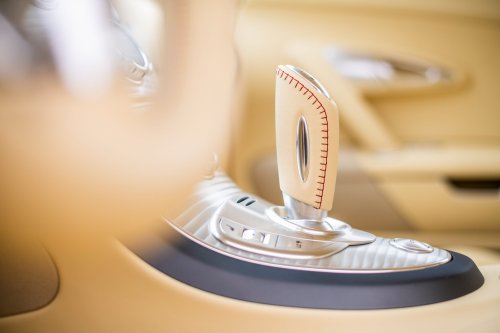
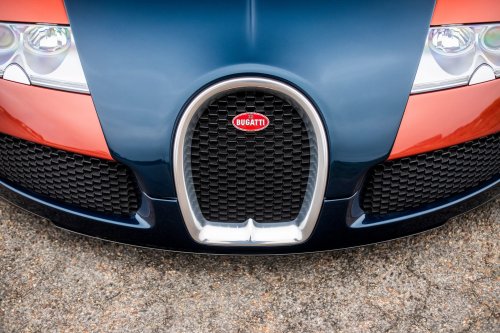
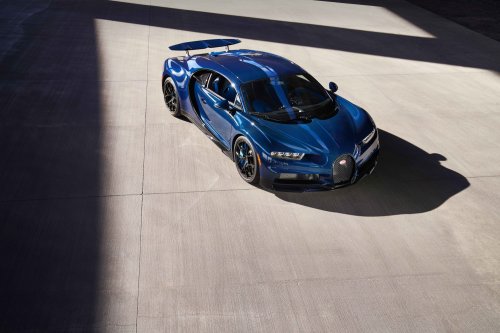
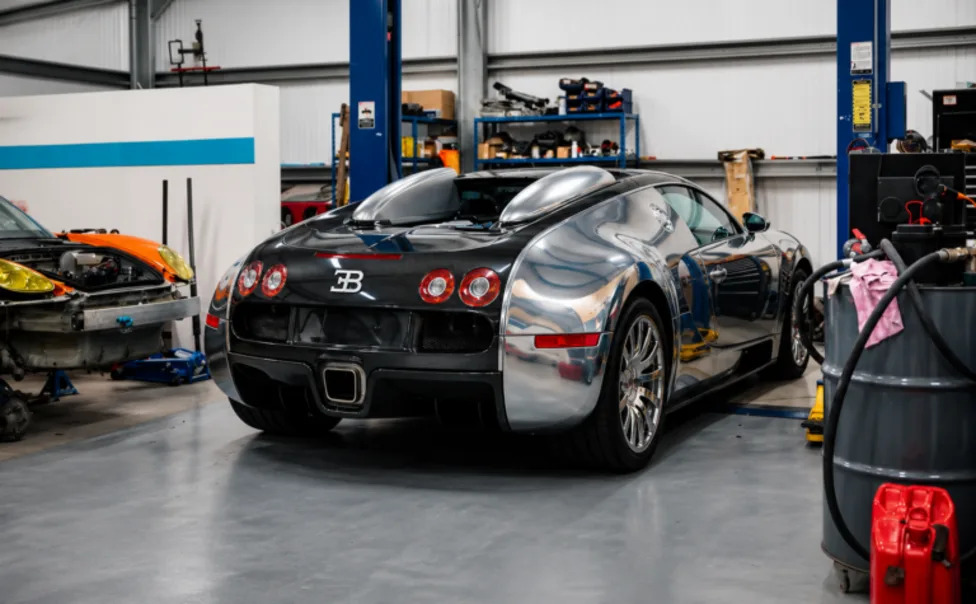
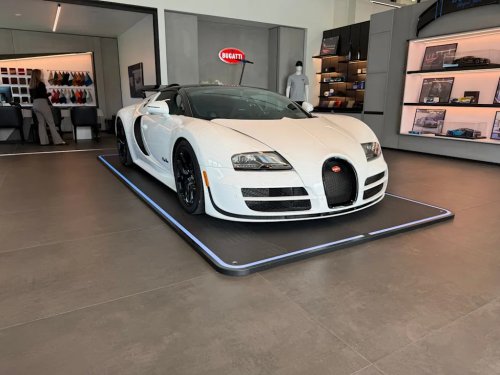
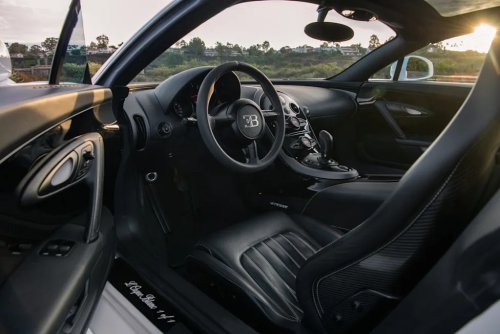
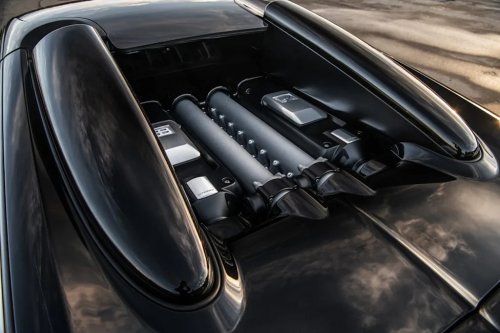
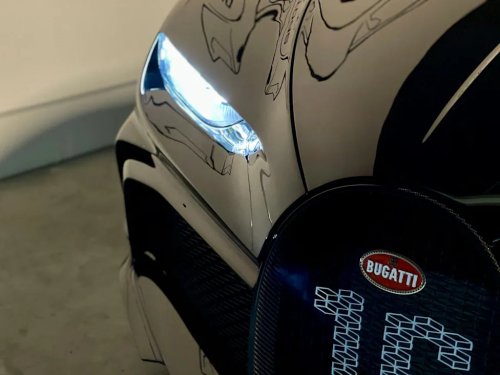
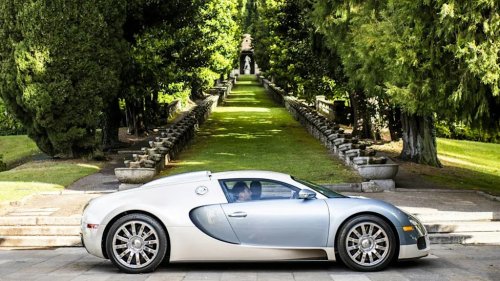
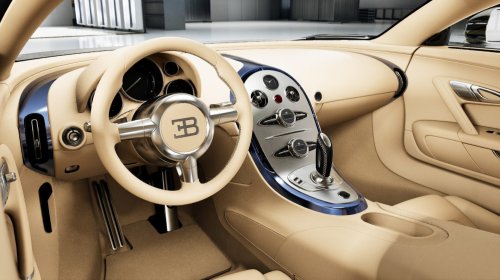
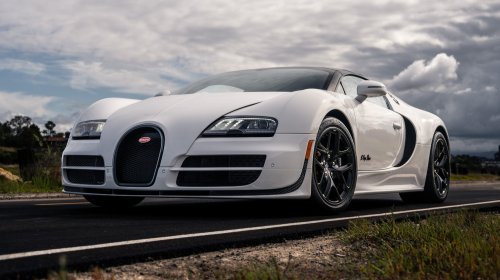
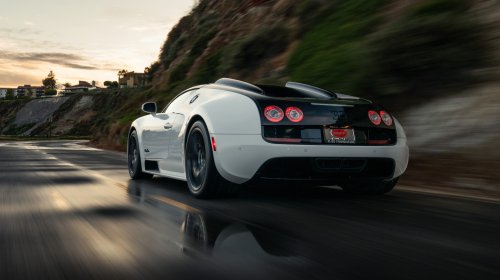
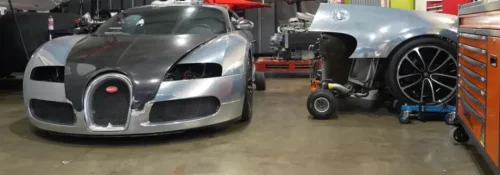
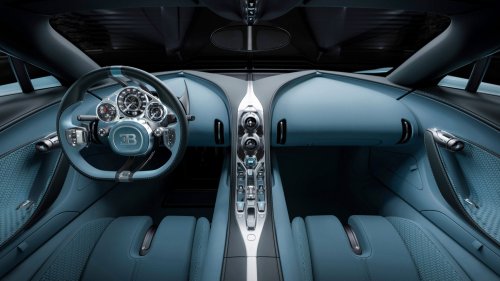
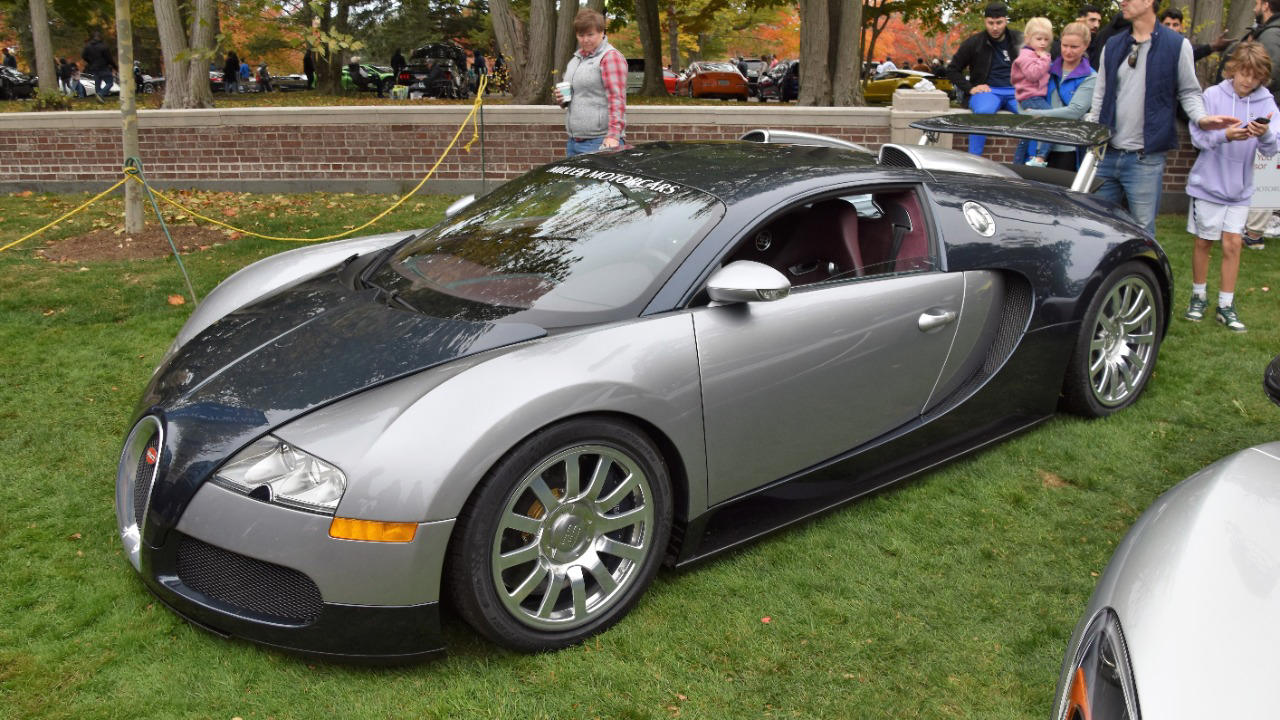
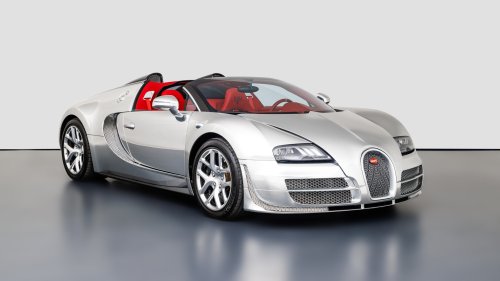
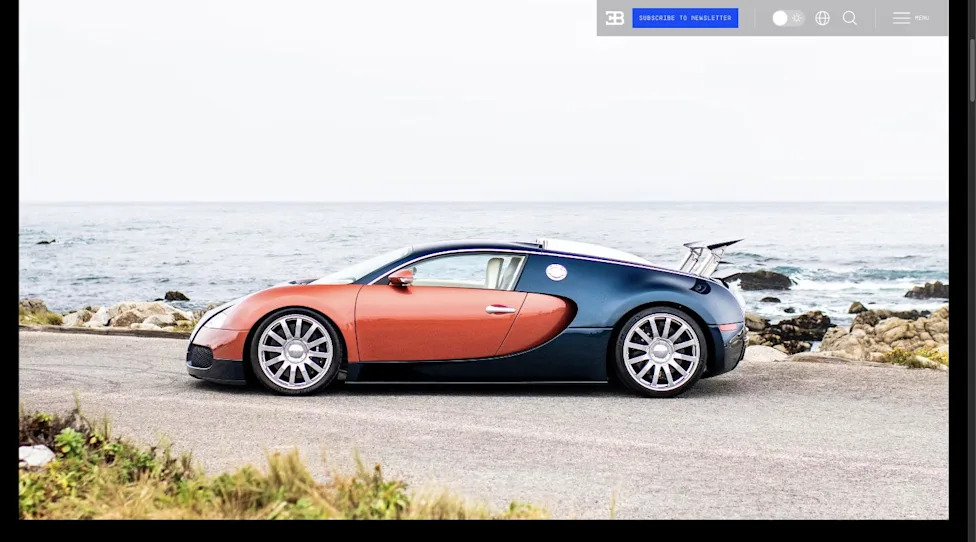
Bugatti's One-Off Veyron 'Restoration' Buries the Real Story: It Fixes the Car's Worst Ownership HeadacheTwenty years ago, Bugatti dropped a quad-turbo W16 into a carbon monocoque and built the Veyron, a car that grabbed the title of fastest production car in the world and turned that phrase into a marketing checkbox every hypercar maker has chased since. This week, during a Monterey Car Week that already reshaped how the collector market talks about provenance and value, Bugatti marked that twentieth anniversary not with a parade lap but by handing one customer's Veyron to its in-house restoration division and building something that has never existed before: the La Maison Pur Sang Veyron 20 Years.The paint and the leather are going to get all the attention. The detail that actually matters to the roughly 450 people who own an original Veyron is buried further down the spec sheet: new wheels that let the car run tires sized for the Chiron. More on why that's the real headline in a minute.What La Maison Pur Sang Actually DoesLa Maison Pur Sang is Bugatti's factory restoration and certification division, introduced at Retromobile in Paris back in 2020. It exists for the same reason in-house heritage departments exist across the industry: to keep older cars authentic, serviceable, and provably genuine long after independent shops can reliably source parts or verify history. Bugatti frames the program around two paths. One is pure preservation, meticulous maintenance and certification aimed at keeping a car as close to its factory-original specification as possible. The other is a more expressive route, where an owner works directly with Bugatti's specialists to reconfigure a car's materials, colors, and details while Bugatti's own engineers sign off on the execution.AdvertisementAdvertisementThe 20 Years car takes that second path about as far as it can go. Bugatti describes it as co-developed with the owner, which means someone who already owns a car worth several million dollars decided the factory-original color combination wasn't personal enough, and had Bugatti build a new one from scratch.The Anniversary Two-ToneThe exterior splits between two colors that never existed on a Veyron in period: Rouge Rembrandt, a hue developed for the new Tourbillon, and Petrol Blue, pulled from the Chiron's palette. Inside, the leather is finished in Magnolia, a lighter, warmer tone than anything Bugatti offered on the car when it was new. New mesh-textured inserts on the front, side, and rear air intakes update the car's face without touching its actual shape, and Bugatti kept the Veyron's original proportions and silhouette untouched.The sentimental touches are harder to argue with. Bespoke Mocassin stitching, done by hand, wraps the steering wheel and gear selector, and a dedicated 20 Years of Veyron emblem sits between the seats, a nice detail on a car that, unlike most 20-year-old designs, still doesn't have a direct competitor.A Watchmaker's Trick, Scaled UpThe most technically interesting piece of this build is the center console, finished in a Cote de Geneve pattern, the same striped, light-catching decoration normally found on the bridges and plates inside a mechanical watch movement. That finish is typically applied to small, flat or gently curved metal components on machinery built for parts you could hold in one hand. Scaling the same technique up to a large, contoured automotive surface is a different problem: keeping stripe width and spacing consistent across a curved three-dimensional panel isn't something off-the-shelf watchmaking tooling was ever designed to do. For once, Bugatti's claim of a technical achievement actually holds up. It's a genuinely unusual crossover of horological finishing into a discipline that has nothing to do with watches.The Wheel Story Nobody's Talking AboutThe 20 Years car wears a reinterpretation of Bugatti's Machiavelli wheel design, sized up to 20 inches at the front and 21 inches at the rear, dimensions that, for the first time on a Veyron, let the car run tires sized for the Chiron rather than the tire specification the Veyron was originally engineered around.AdvertisementAdvertisementThat matters because the standard Veyron tire situation has been a running joke, and not always a funny one, among owners since the car launched in 2005. The original Veyron uses a tire size and construction developed specifically for that car, produced by a single supplier, with the kind of lead times and invoices owners have simply budgeted for as a cost of admission. A wheel package that accepts Chiron-spec rubber taps into a newer, more actively produced tire program instead of a nearly two-decade-old bespoke spec that only gets harder to source with each passing year. Bugatti hasn't spelled out long-term parts availability as the motivation, but for a car this old, keeping the rolling stock realistically serviceable is arguably a bigger deal than any paint color.Why a Factory Custom Job Doesn't Tank the ValueThere's a version of this story where a shop takes a numbers-matching classic and reworks it into something the original engineers never signed off on, and collectors rightfully treat that as value-destroying. This isn't that. Every change here was made by Bugatti itself, executed by the same restoration division responsible for certifying these cars' history and authenticity for the collector market. A factory-documented, owner-commissioned reconfiguration carries very different weight at auction than an anonymous resto-mod. It's the difference between a car losing its story and a car gaining a well-documented new chapter of it.That distinction matters more than usual in a market where a multi-million-dollar Bugatti can sit forgotten and deteriorating for 25 years simply because nobody was paying attention. Documented care and provable history are exactly what separate a neglected barn find from a car actually worth what a Veyron commands today.A Wider Door Into the Same IdeaBugatti also opened a configurator for the Veyron during the unveiling at Pebble Beach, letting existing owners spec select features themselves rather than negotiating a fully bespoke commission through La Maison Pur Sang. It's a smaller, more accessible entry point into the same idea, and it fits a pattern: Bugatti increasingly treats its back catalog as a living product line rather than a closed chapter, the same instinct that's kept newer specials flowing to collectors like Luka Doncic and turned early Veyron buyers such as Cristiano Ronaldo into de facto brand ambassadors two decades on.AdvertisementAdvertisementFor the other 449 or so Veyron owners, none of this is available off the shelf. La Maison Pur Sang builds are bespoke, one owner and one car at a time. But the wheel-and-tire fix in particular suggests Bugatti is thinking about long-term serviceability for a car old enough to need it, which is arguably a better birthday present than a new paint color. Twenty years in, the Veyron isn't a museum piece being polished for nostalgia. It's still getting engineering updates, which is more than most 20-year-old flagships from anyone else can say.



















 +34 others