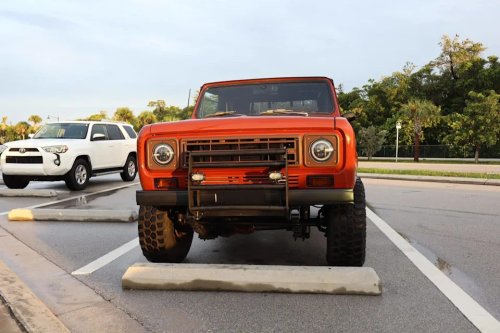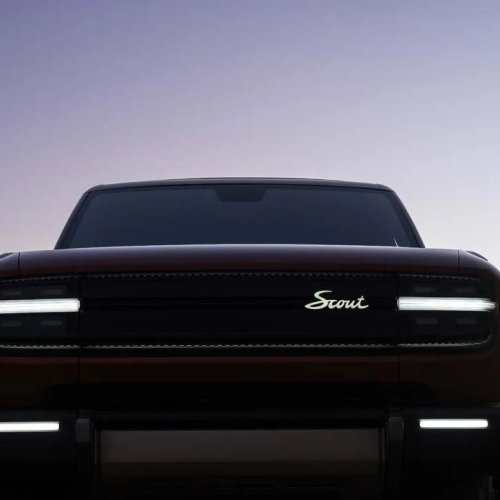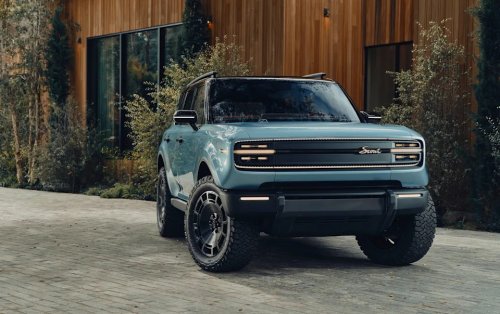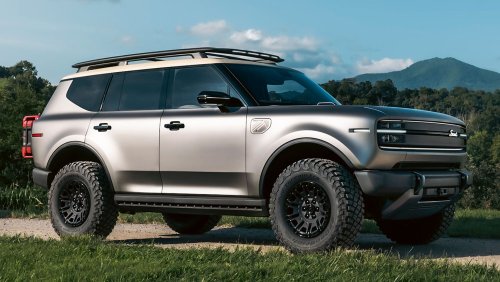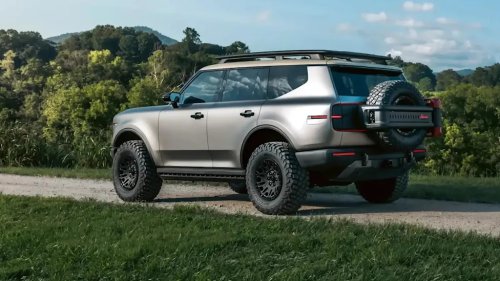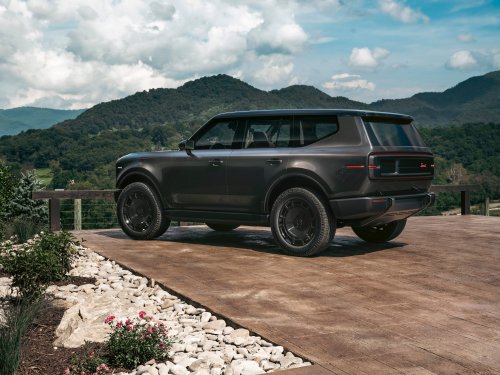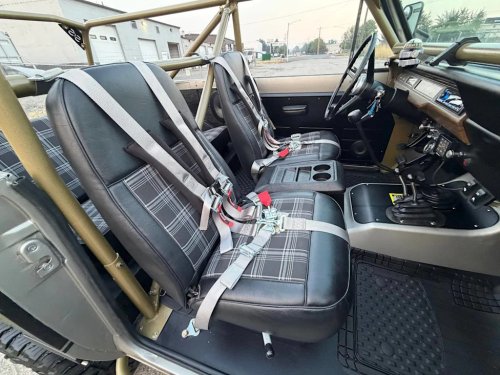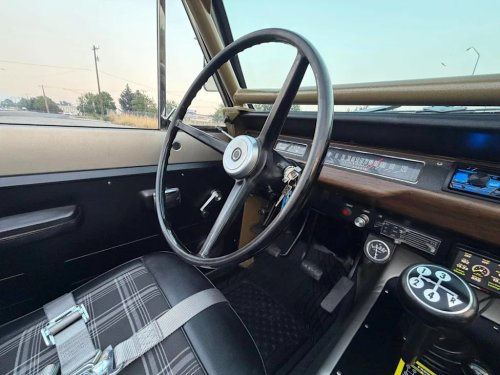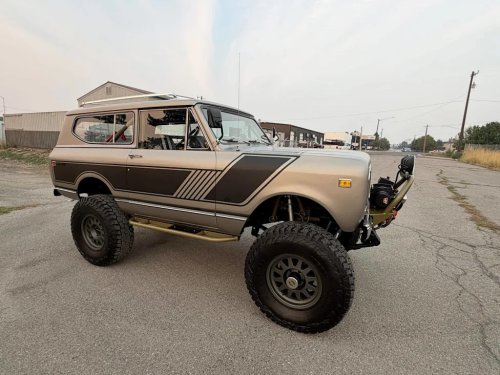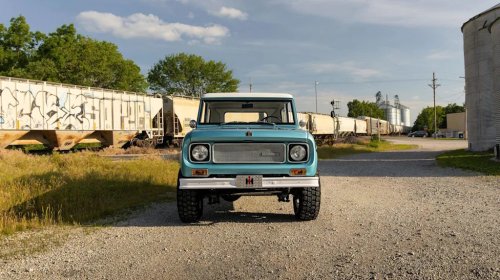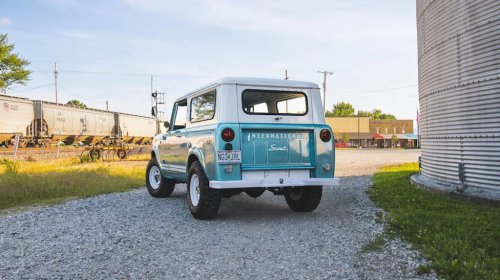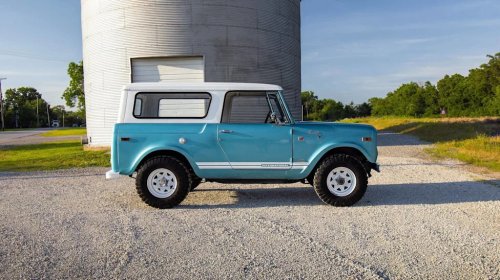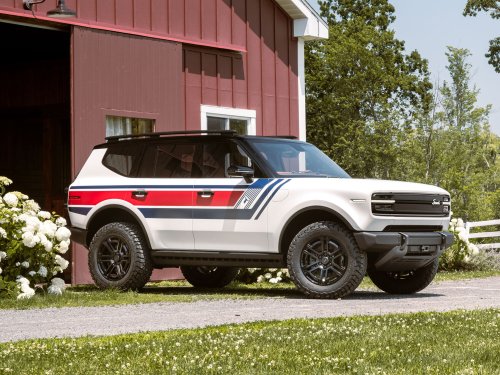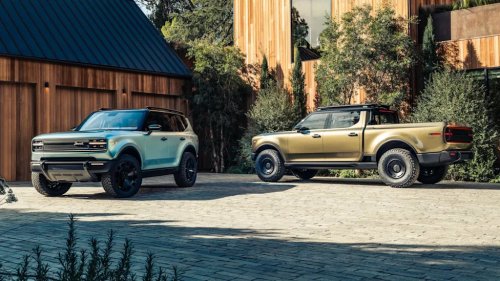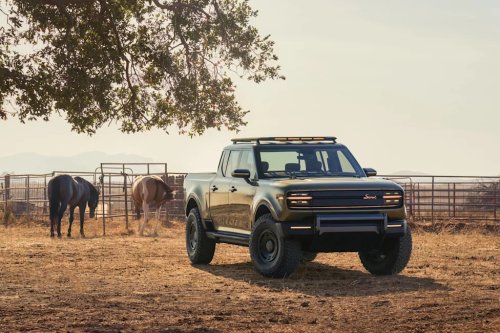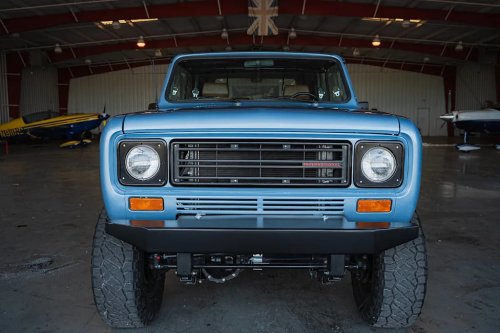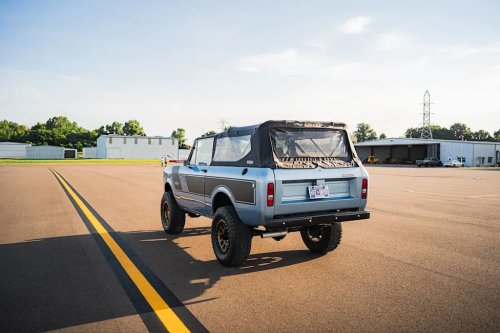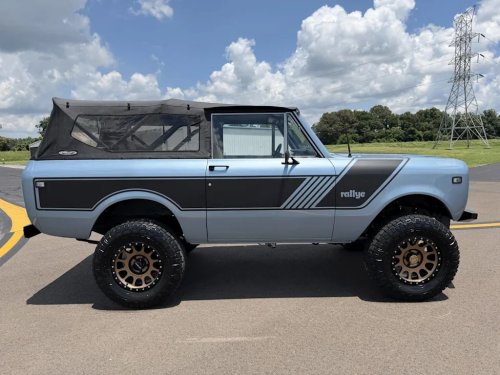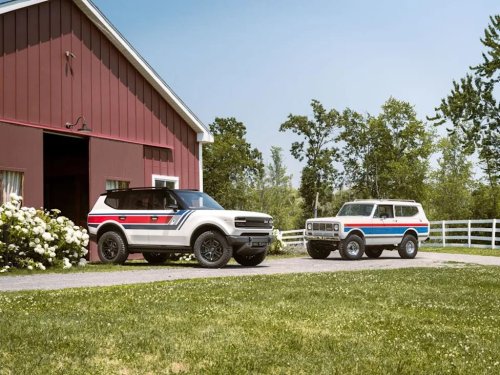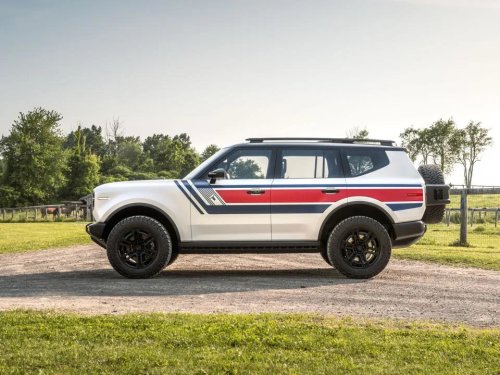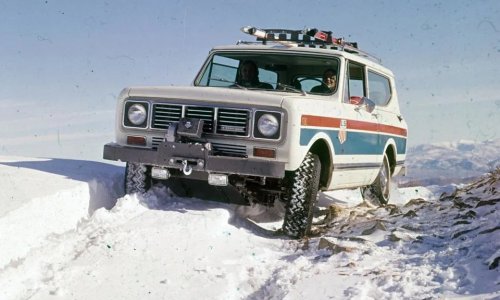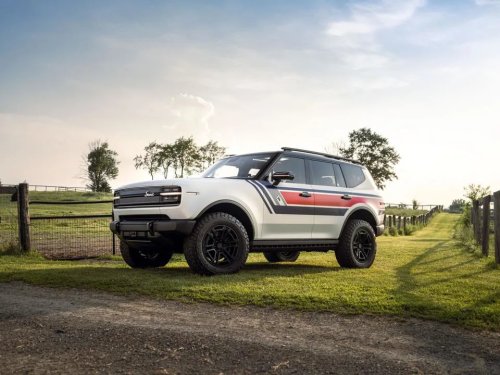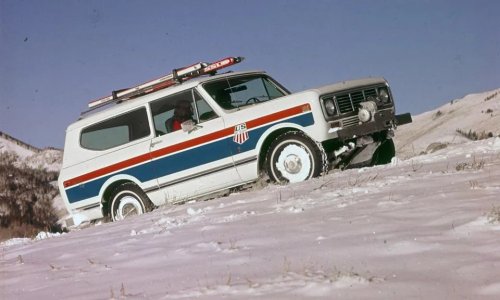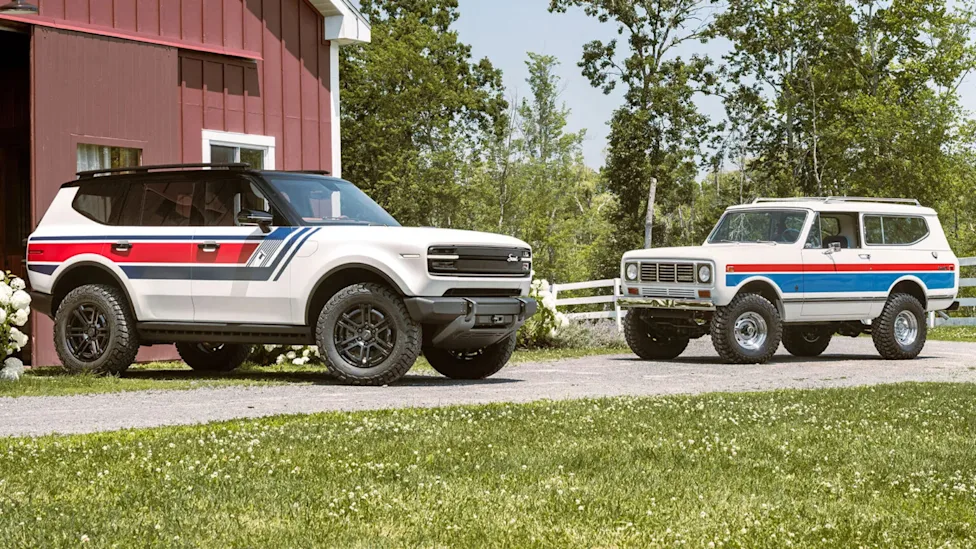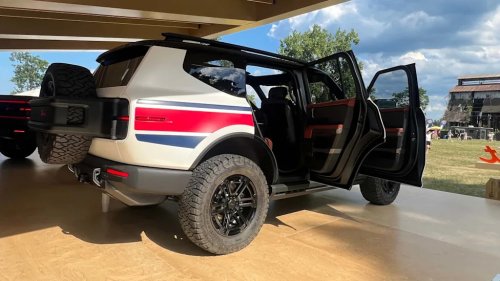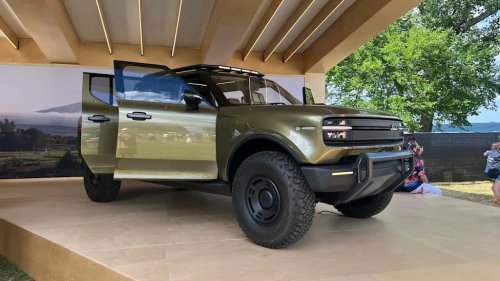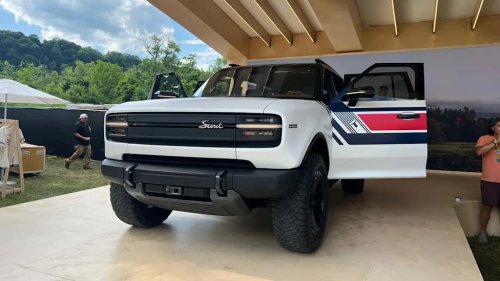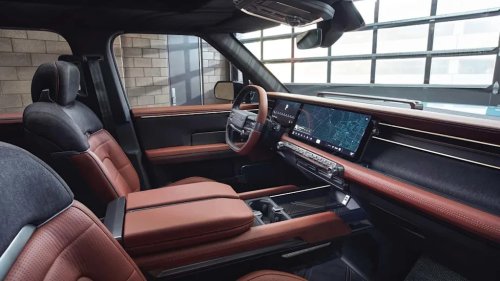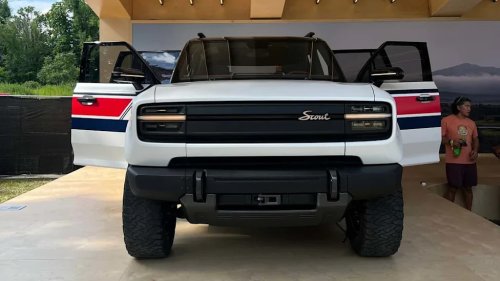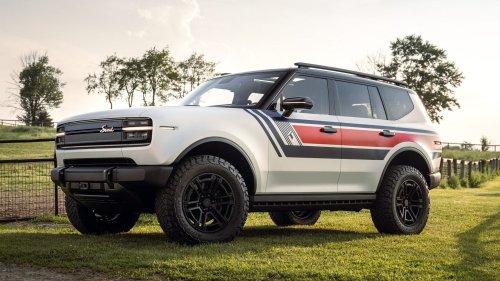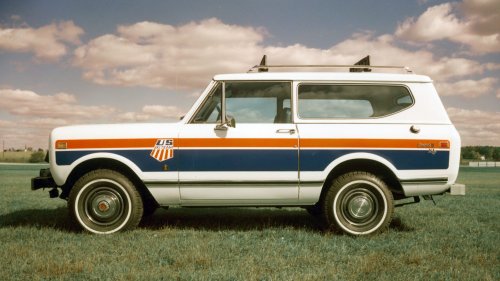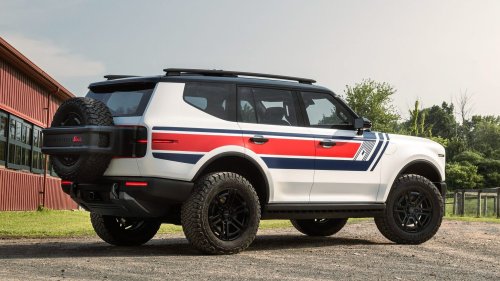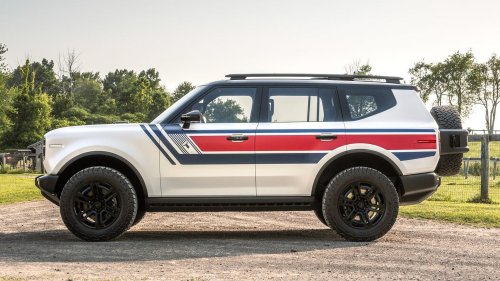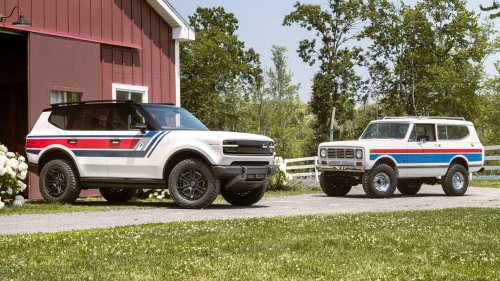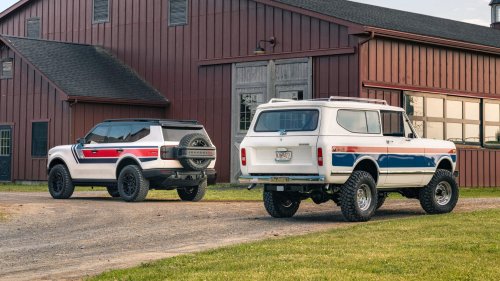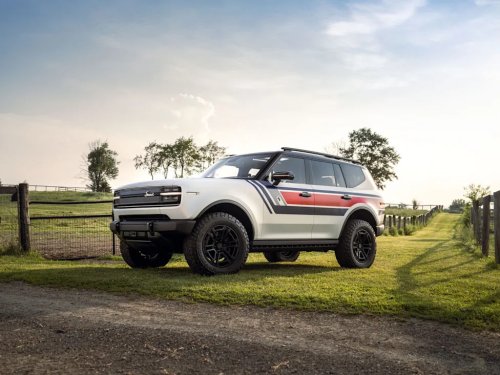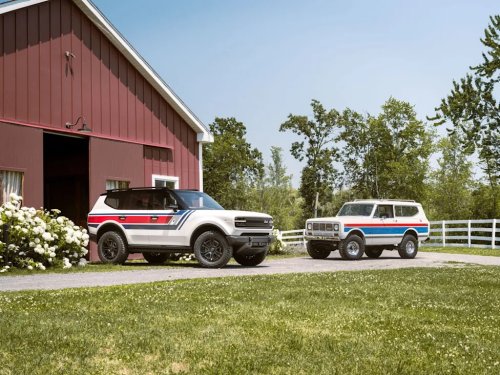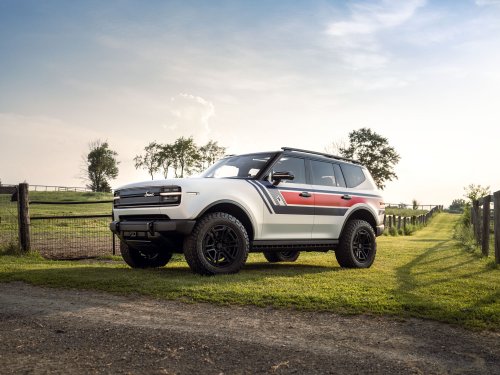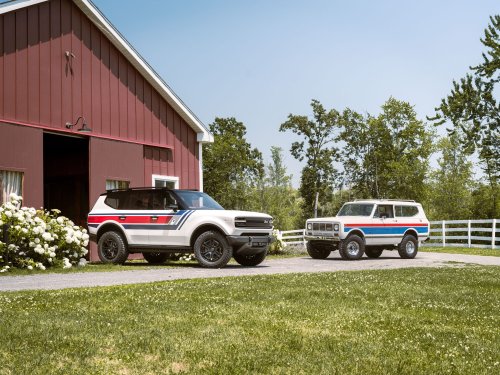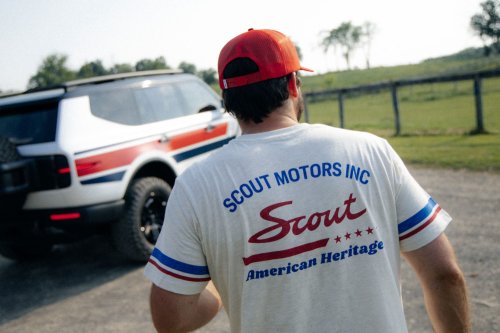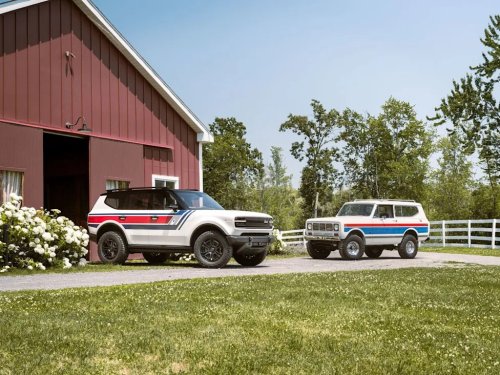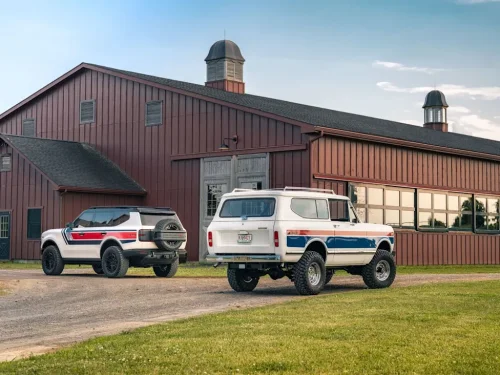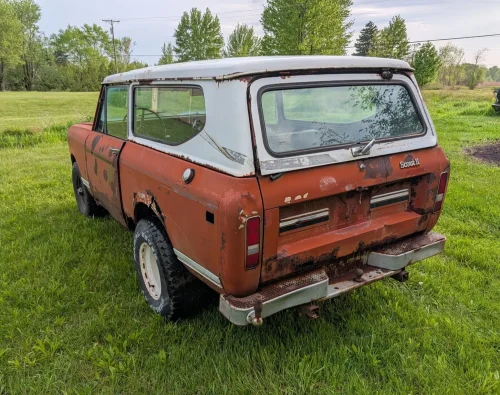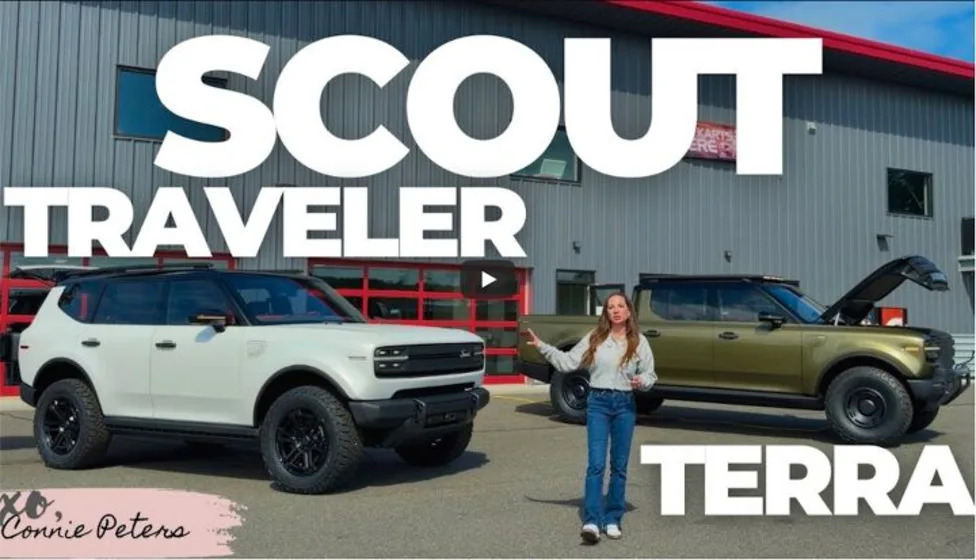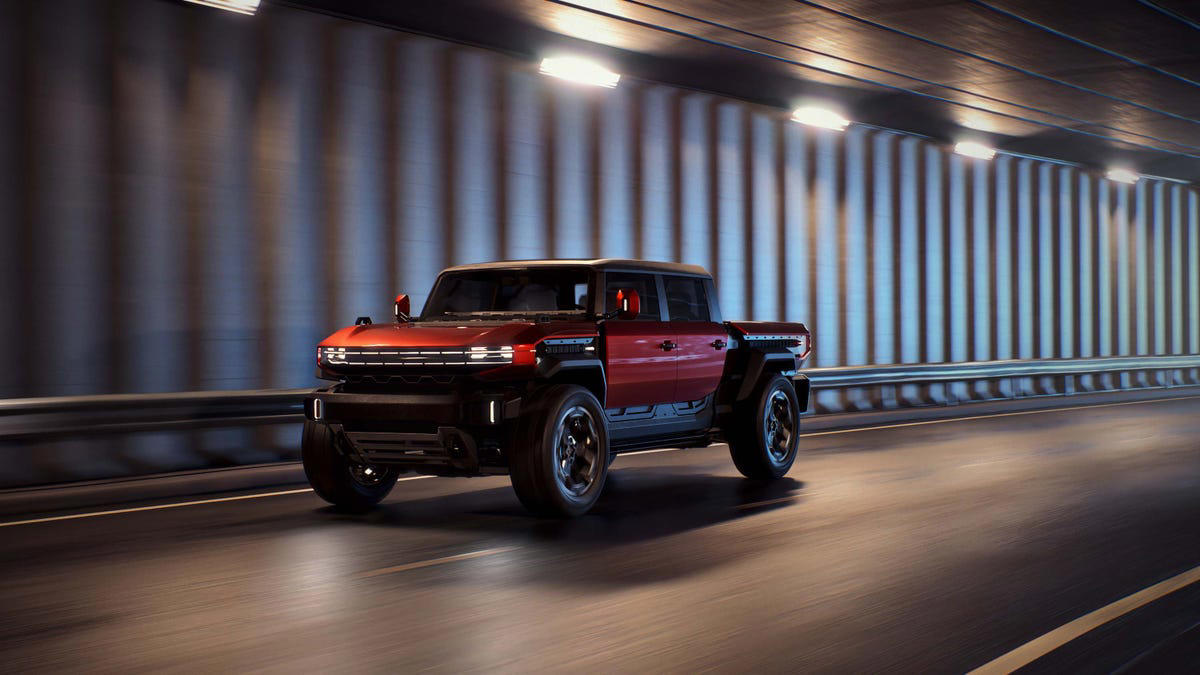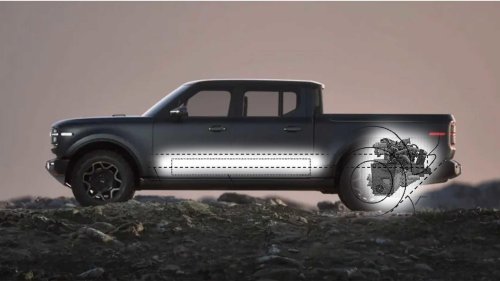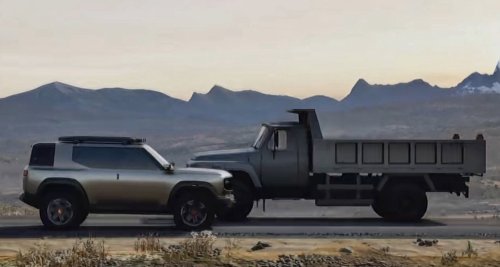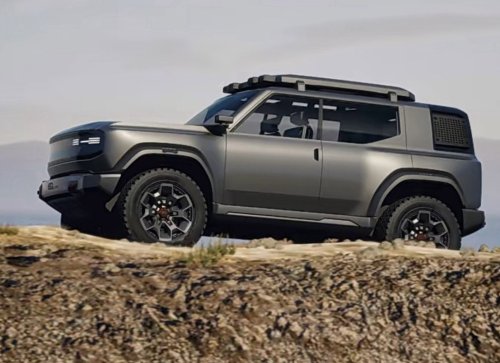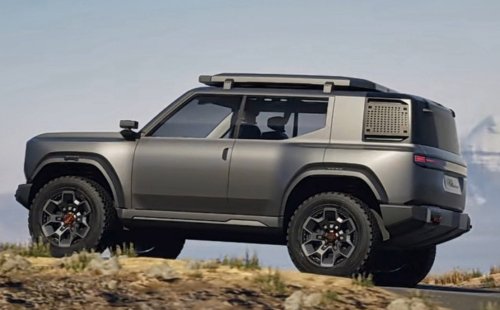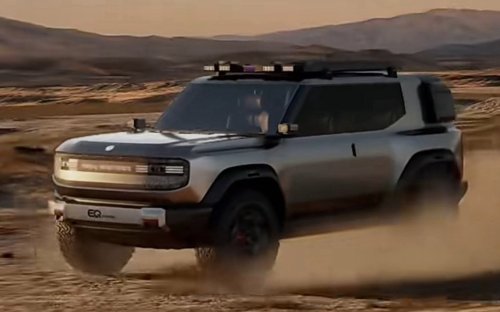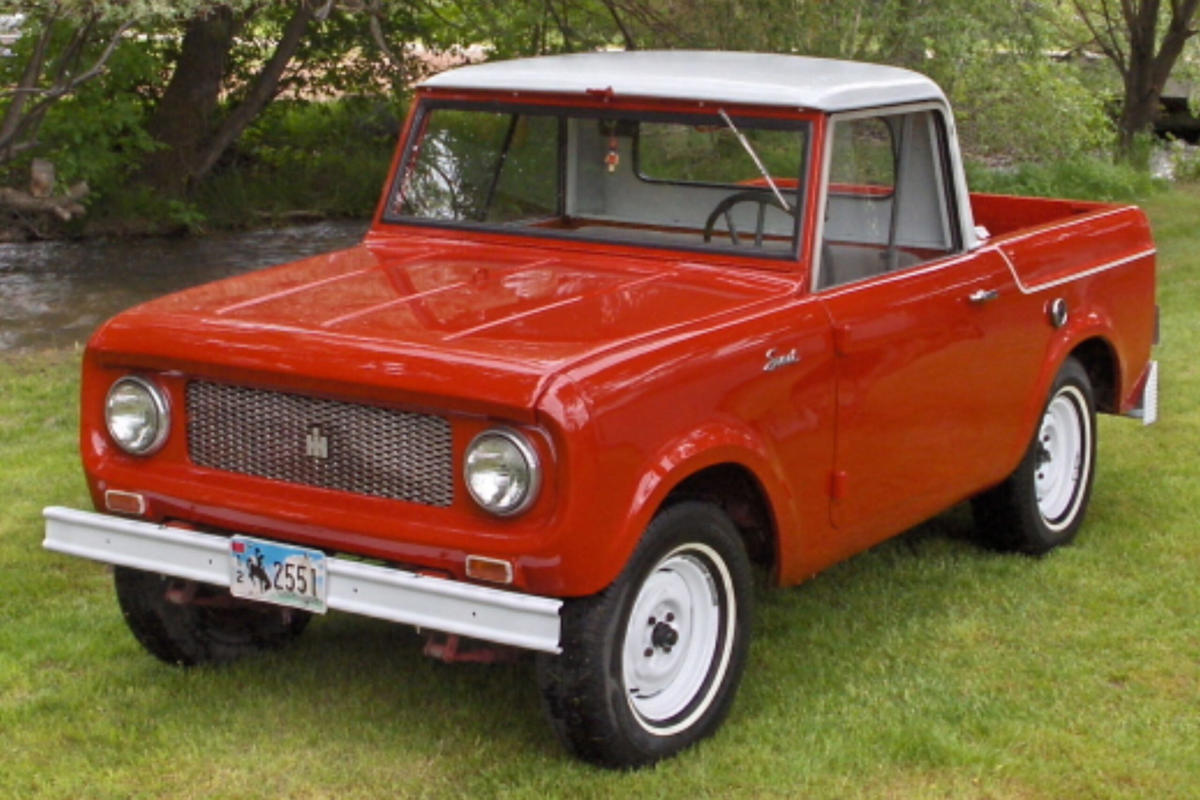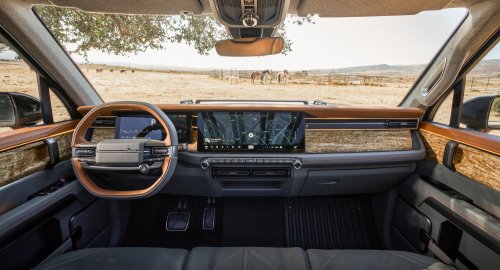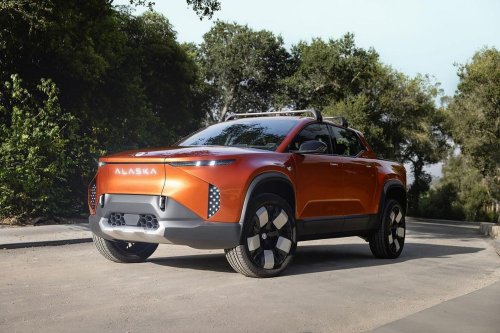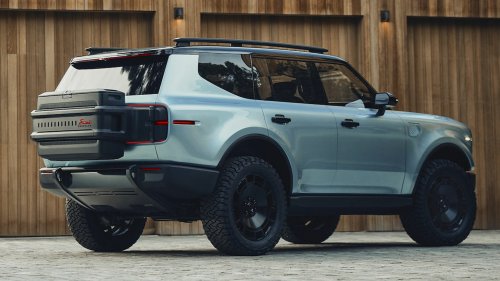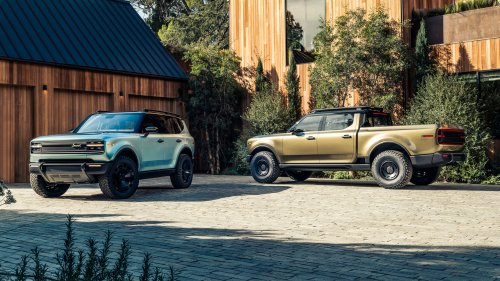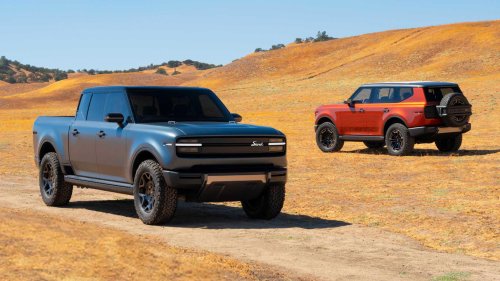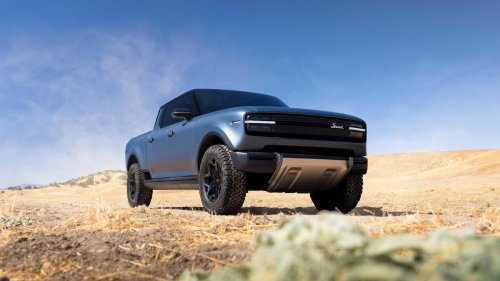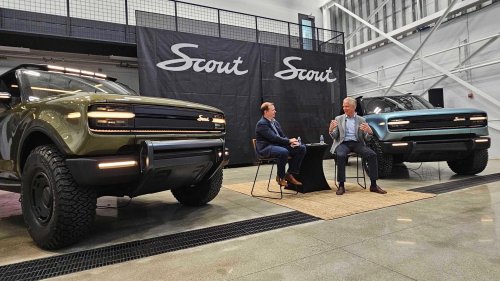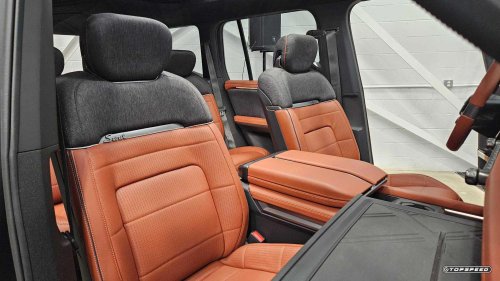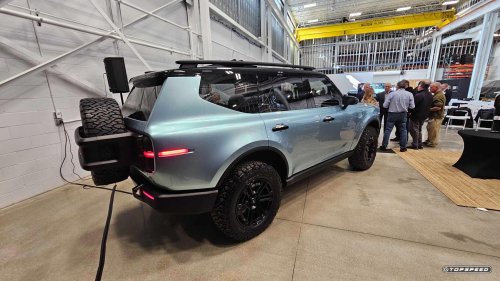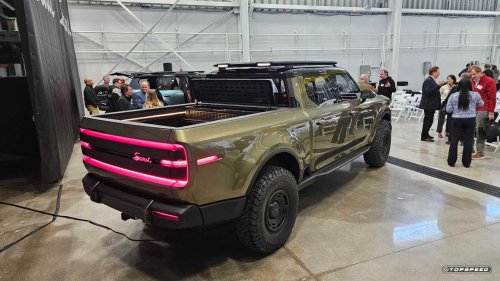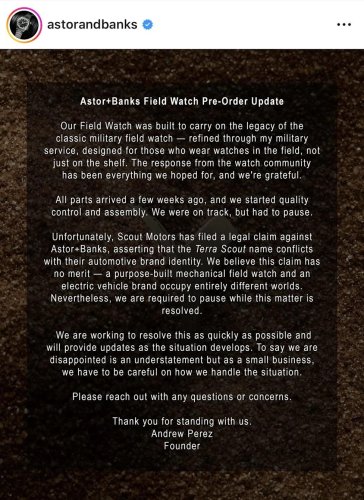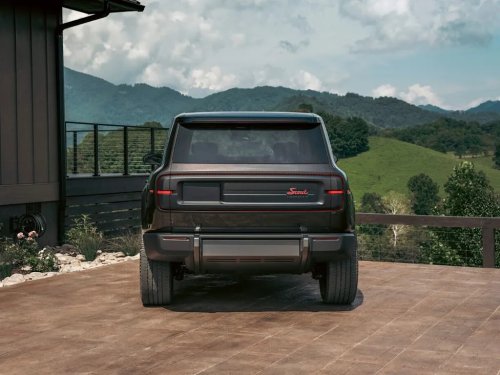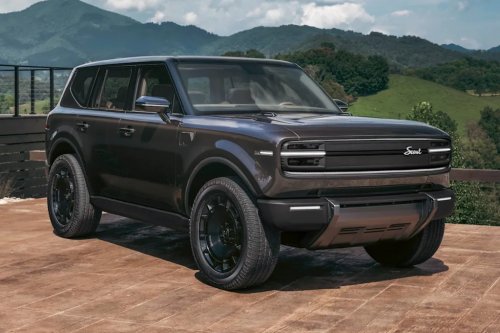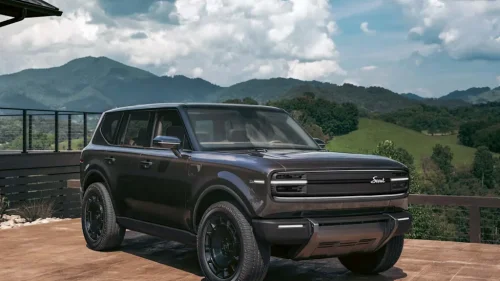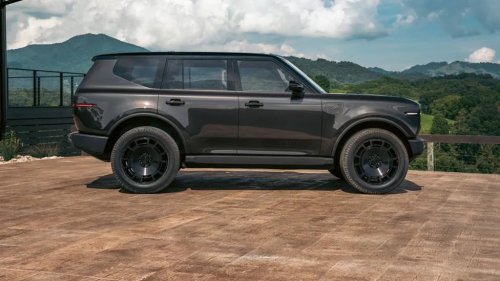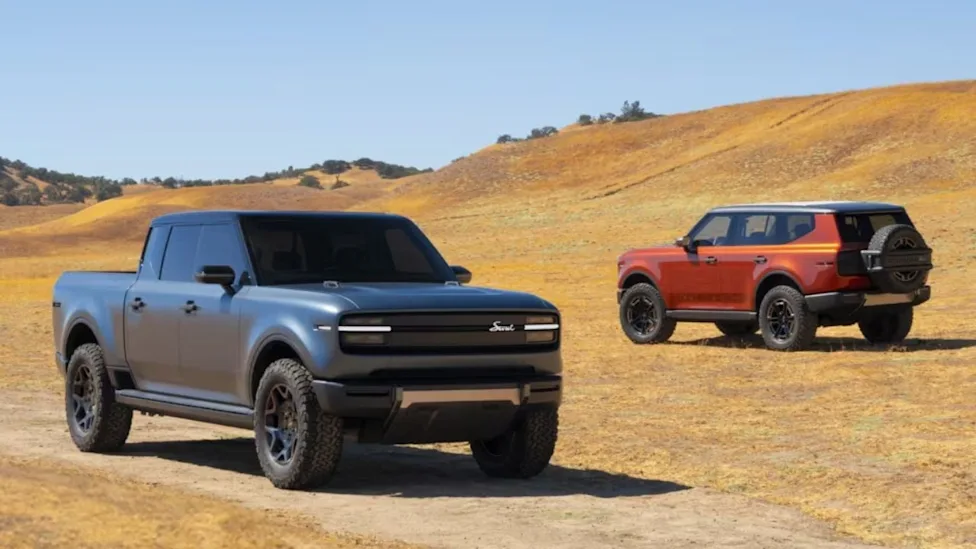
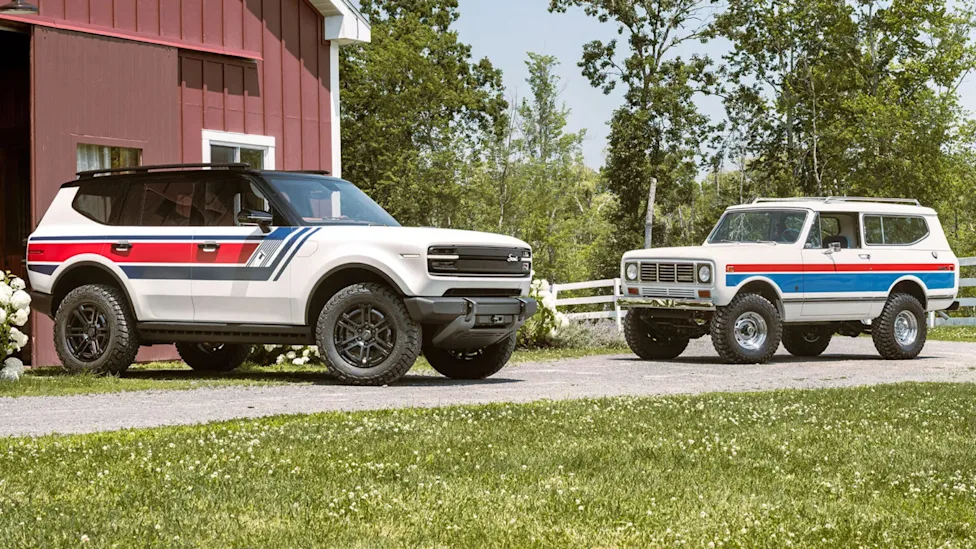
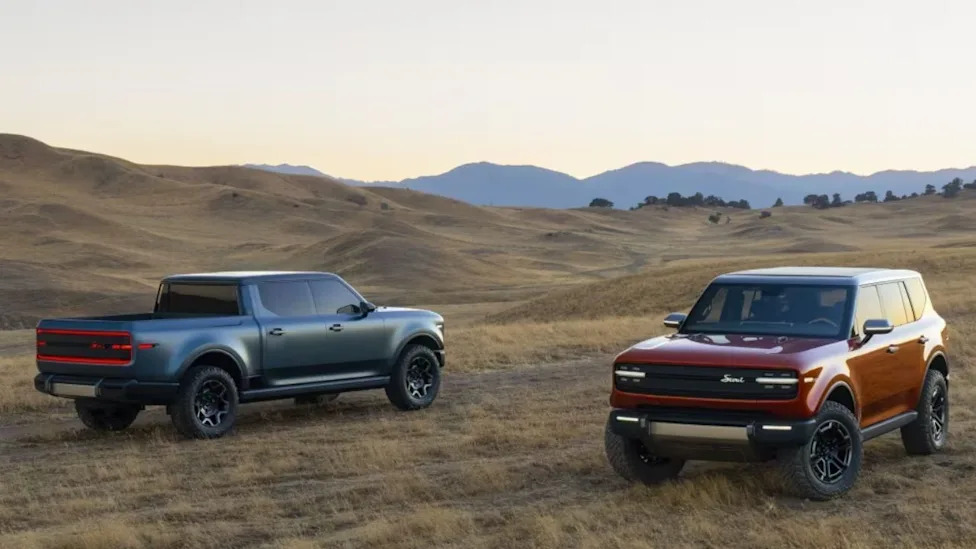

















Photo Courtesy: Autorepublika.Scout Motors hasn't delivered a single production vehicle yet, but the Volkswagen Group-backed automaker is already fighting dealerships over how it plans to sell them. The latest challenge comes from Washington state, where a dealer association is attempting to stop Scout's planned direct-to-consumer sales model.The Washington State Auto Dealers Association has filed a lawsuit arguing that Scout's approach violates state restrictions governing vehicle manufacturers and franchised dealerships. Automotive News reports that the association is seeking legal action that could ultimately prevent Scout from operating as a vehicle dealer in the state.At the center of the dispute is an unusual question: Is Scout genuinely a new automaker, or should it be treated as part of the established Volkswagen Group? The answer could determine whether Scout can follow companies such as Tesla and Rivian by selling directly to customers instead of establishing a traditional franchise dealer network.AdvertisementAdvertisementThe timing makes the battle particularly interesting because Scout hasn't started vehicle production. Its upcoming Terra pickup and Traveler SUV remain future products, yet the company's sales strategy is already facing resistance that could influence how customers eventually buy them.Dealers Say Scout Isn't Really IndependentImage Credit: Scout.Scout Motors presents itself as an independent American brand, even though it is owned by Volkswagen Group. The company has consistently maintained that it operates separately from Volkswagen's other automotive brands and does not have an existing network of franchised Scout dealerships.That distinction is critical to its business model. Scout intends to sell vehicles directly to consumers, allowing customers to handle much of the purchasing process without going through a conventional franchised dealership.Washington dealers see the situation differently. Volkswagen Group already has extensive franchise relationships through brands including Volkswagen, Audi, Porsche, and Lamborghini, and dealers argue that Scout's corporate connection to the same parent company complicates its claim to independence.AdvertisementAdvertisementThe lawsuit alleges that Scout is already competing with dealers through activities including vehicle advertising, marketing, and accepting customer deposits. The association also claims Scout lacks the vehicle dealer license required to operate in Washington and argues its relationship with Volkswagen could prevent it from qualifying for one under the proposed business model.Scout Says It Has No Franchise Dealers to BypassScout's counterargument is relatively straightforward: There are no existing Scout dealerships. Unlike an established automaker suddenly deciding to sell its existing vehicles directly and cutting franchised dealers out of the process, Scout is effectively starting from scratch.Its position is that because it has never created a franchised retail network, it is not competing against Scout dealers or violating agreements with them.The complication is Volkswagen Group's ownership. Dealers challenging Scout's strategy effectively argue that a legacy automaker should not be able to create or revive a separate brand and use that structure to circumvent laws protecting existing franchise networks.AdvertisementAdvertisementThat question could become increasingly important as automakers experiment with new retail models. If Scout successfully establishes a direct-sales operation despite being owned by one of the world's largest legacy automotive groups, other manufacturers could potentially explore similar structures for future brands.The Fight Goes Beyond Selling Scout SUVs and TrucksPhoto Courtesy: Autorepublika.Franchise laws vary significantly across the United States, creating a complicated regulatory landscape for automakers pursuing direct sales. Companies that entered the market without existing dealer networks have historically had greater flexibility in some states, although they have still faced numerous legal and political battles.Scout occupies an unusual middle ground. The brand itself is new in its modern form, but its parent company certainly isn't, giving both sides arguments that could ultimately require courts or lawmakers to clarify exactly where Scout fits.For dealers, the concern extends beyond losing potential Terra and Traveler sales. A successful Scout direct-sales model could establish a path for traditional automakers to launch separate EV-focused brands without relying on their existing franchise networks.AdvertisementAdvertisementConsumers also have a stake in the outcome. Research published by the American Economic Association has previously examined how state franchise regulations can restrict entry and competition in automobile retailing, while dealer groups argue their businesses provide local employment, service infrastructure, and significant economic activity.Scout's Retail Strategy Could Become as Important as Its VehiclesScout plans to enter the market with the Terra pickup and Traveler SUV, offering battery-electric powertrains alongside available range-extender configurations. The vehicles are intended to revive the rugged character associated with the historic International Harvester Scout name while competing in America's increasingly crowded truck and SUV market.Before Scout can prove whether those vehicles will succeed, however, it may need to establish exactly how customers will be allowed to buy them.The Washington lawsuit is another chapter in a broader battle between direct automotive sales and America's long-established franchise dealership system. Scout's connection to Volkswagen Group makes this particular fight especially significant because the company could test whether a legacy automaker can successfully operate a separately branded direct-sales business.AdvertisementAdvertisementFor now, Scout hasn't sold a single production vehicle, and there is no guarantee the dealer association's arguments will prevail. Still, the fact that legal battles are already unfolding shows just how disruptive its retail strategy could be—even before the first Terra or Traveler reaches a customer's driveway.If you want more stories like this, follow Guessing Headlights on Yahoo so you don't miss what's coming next.