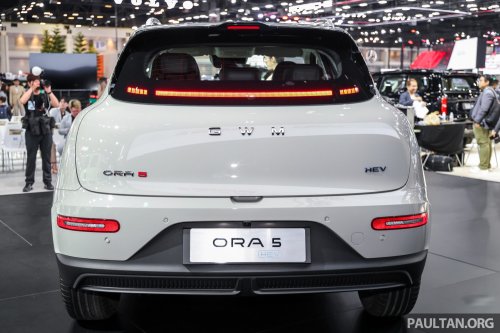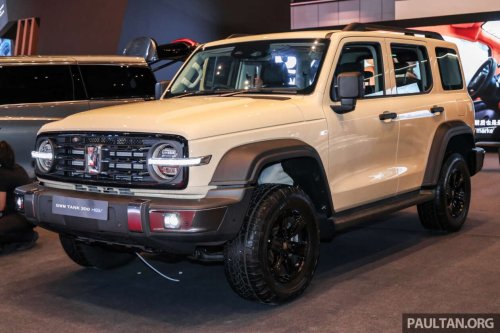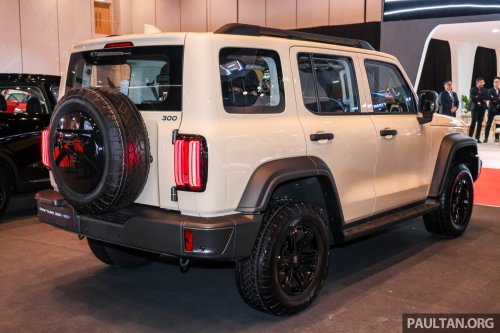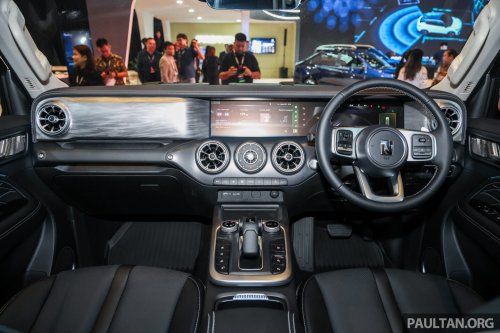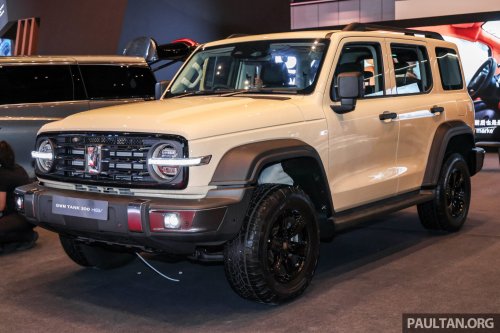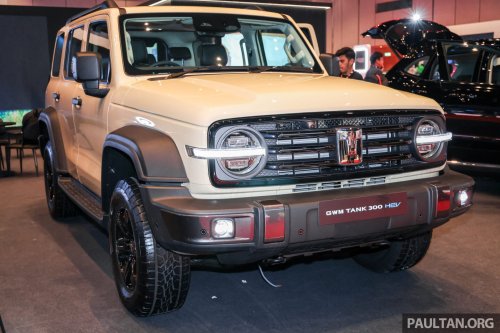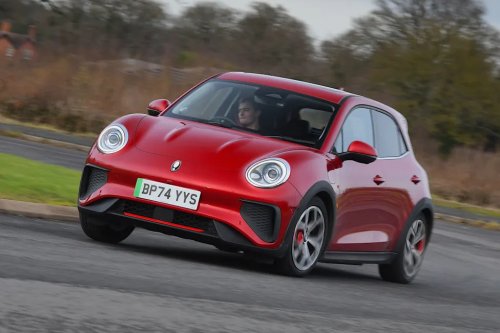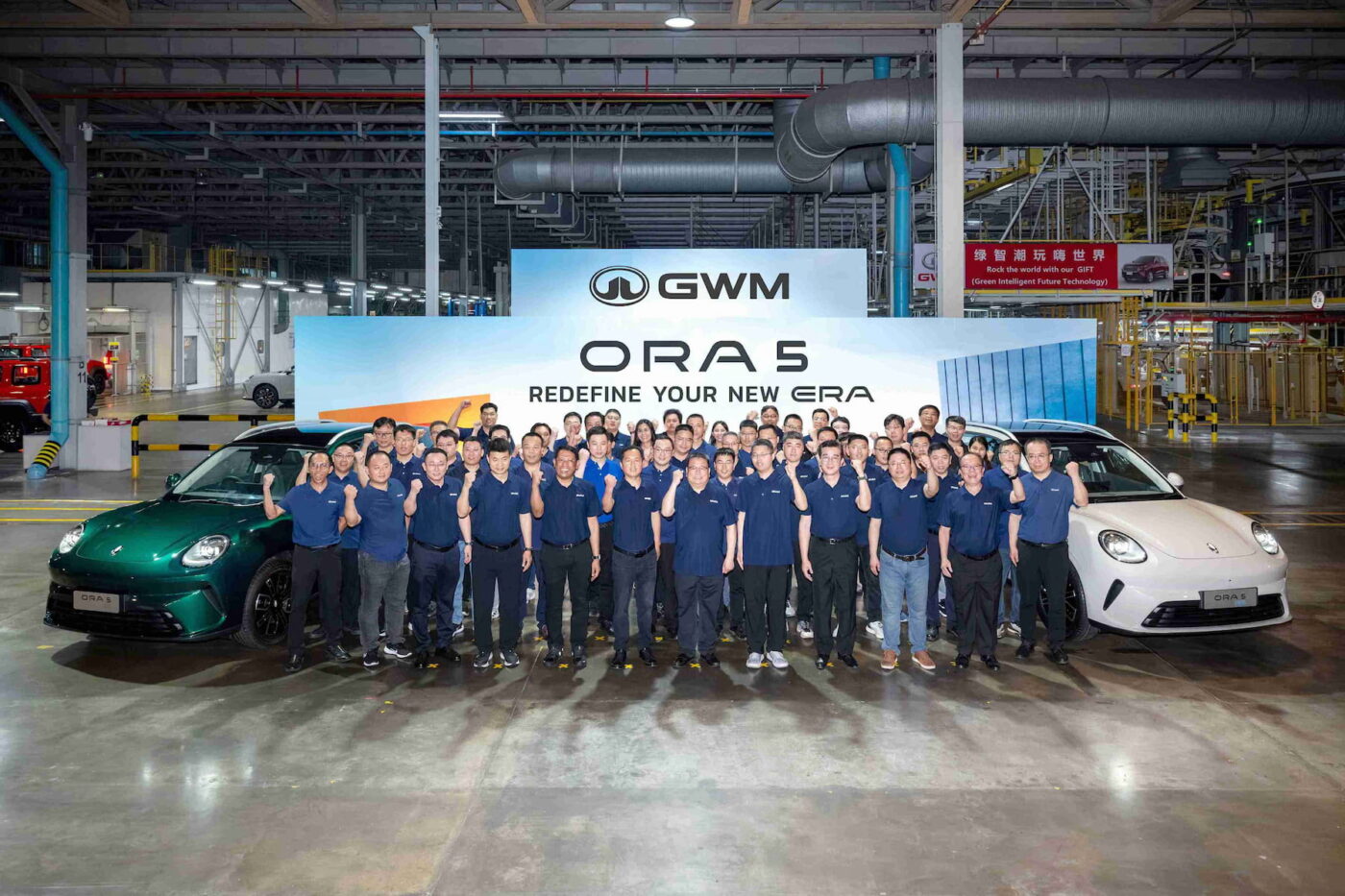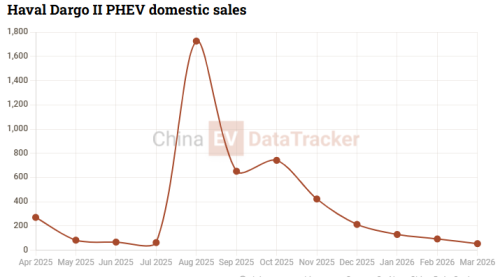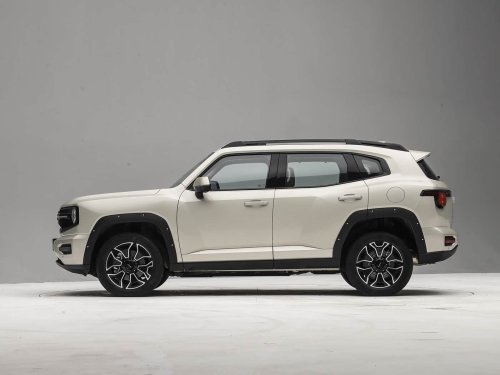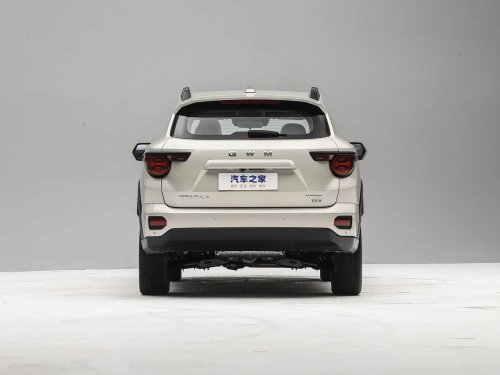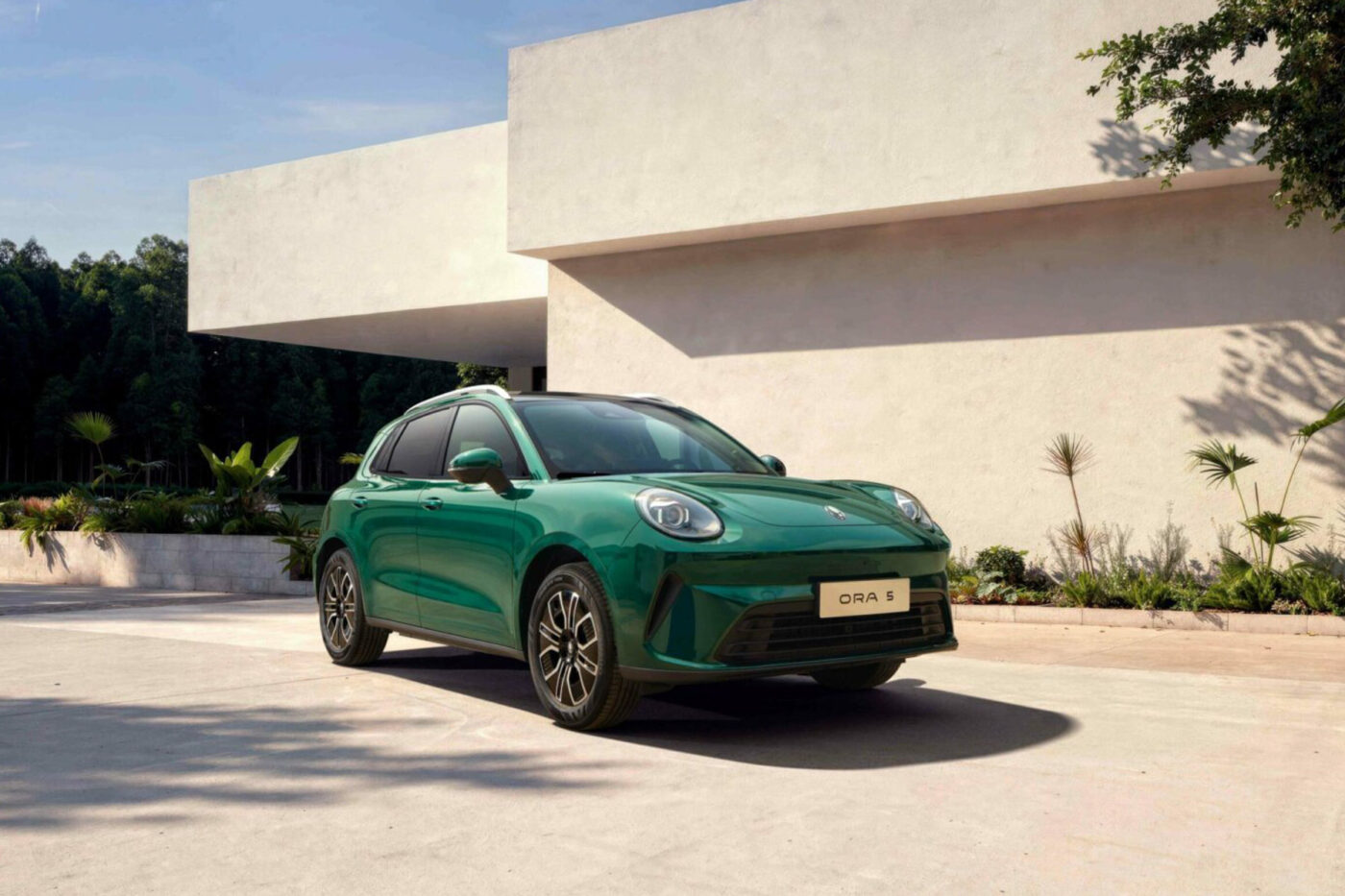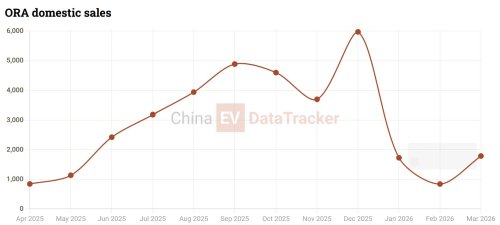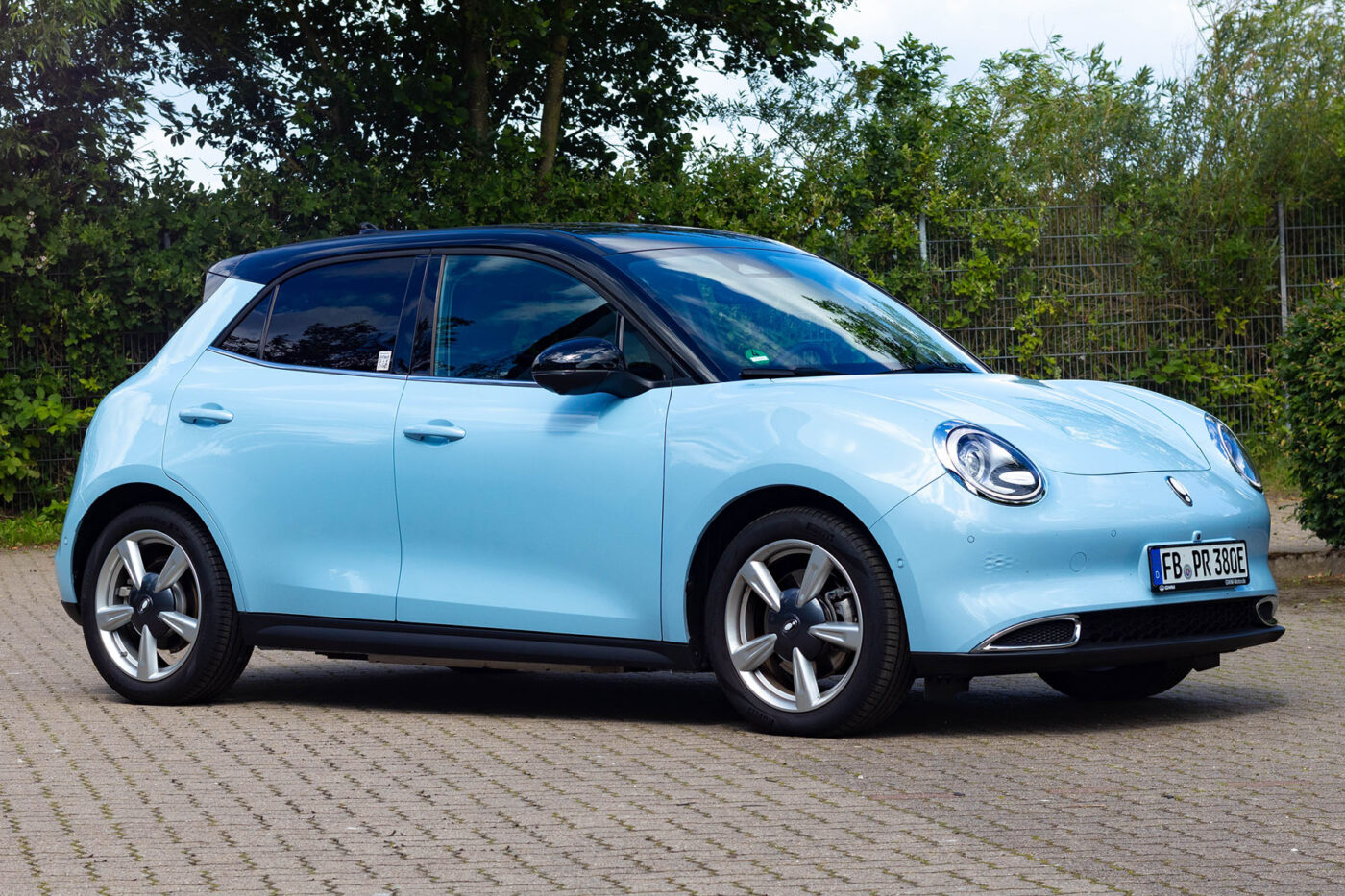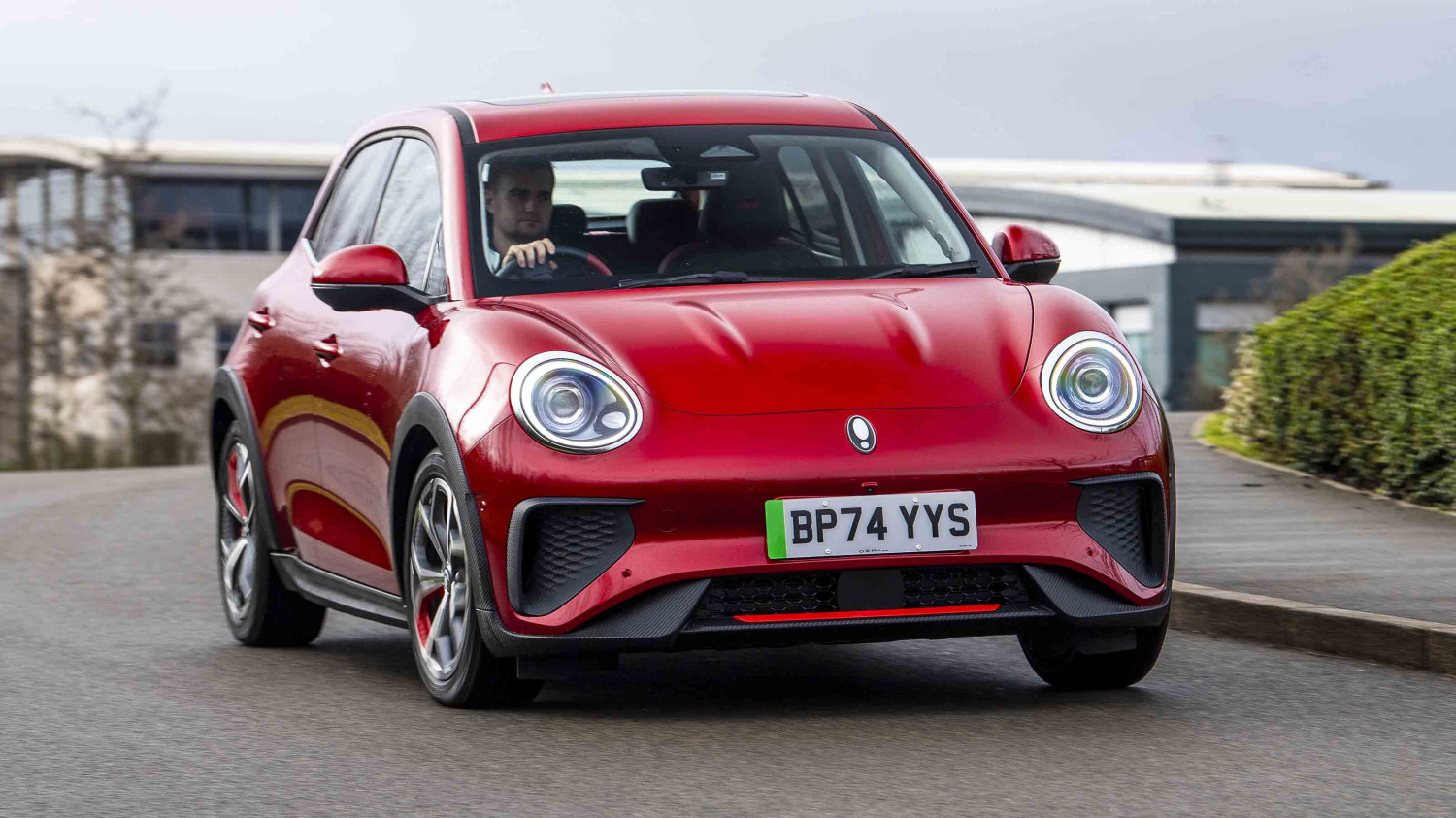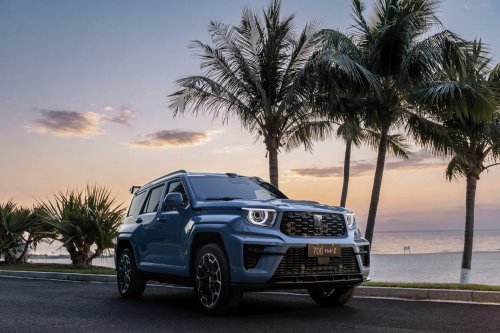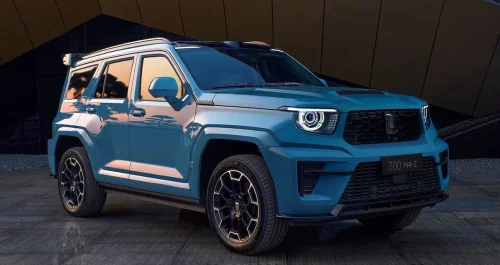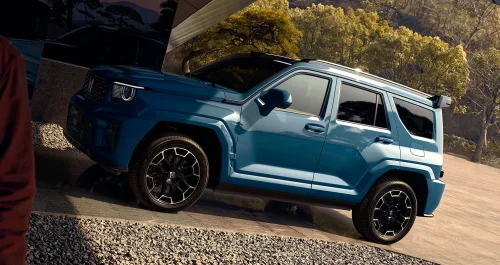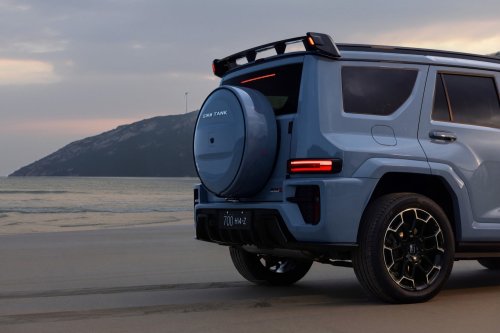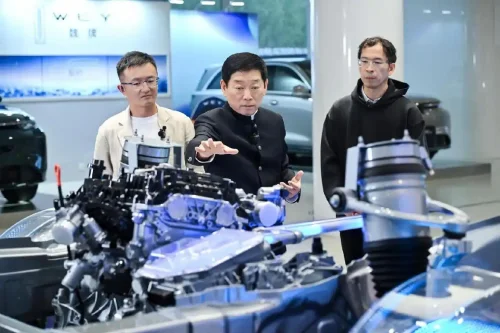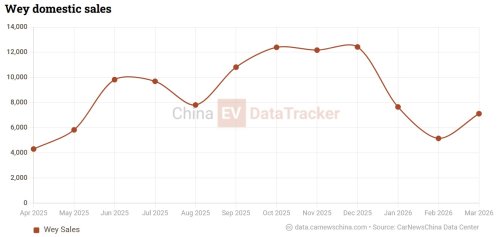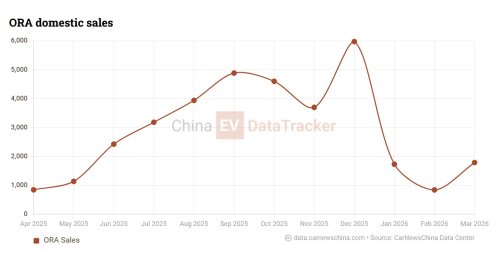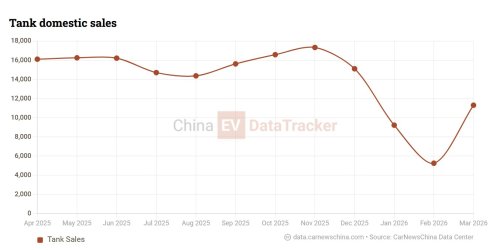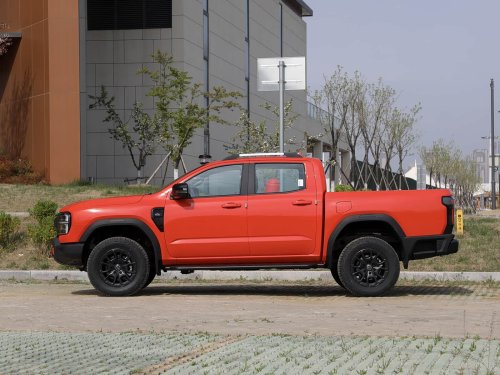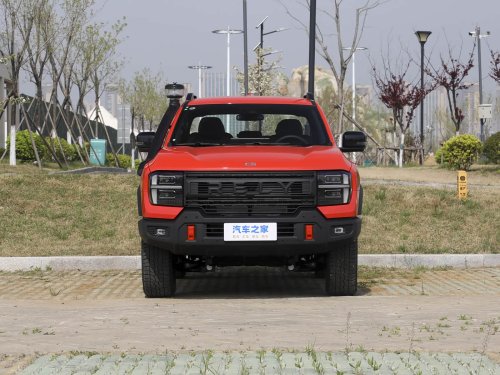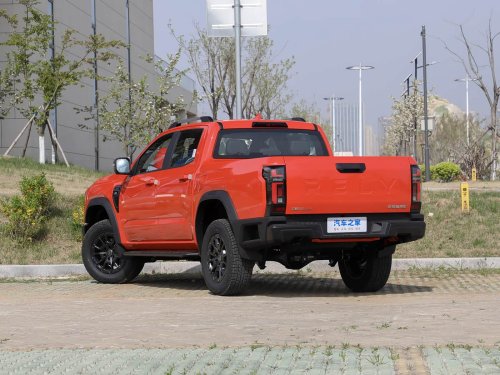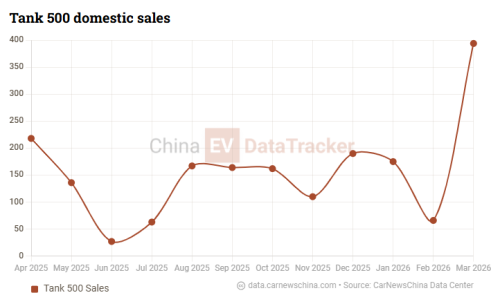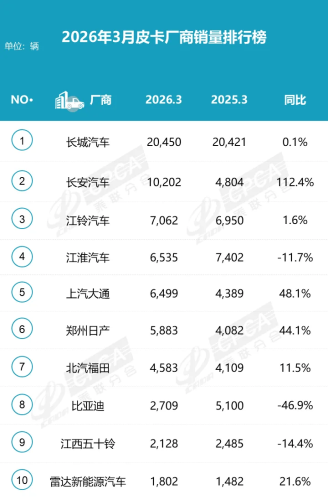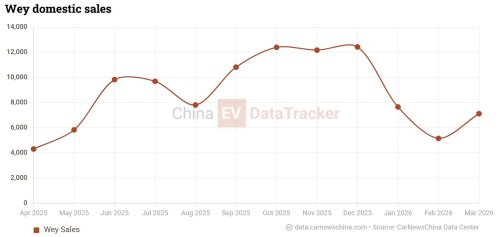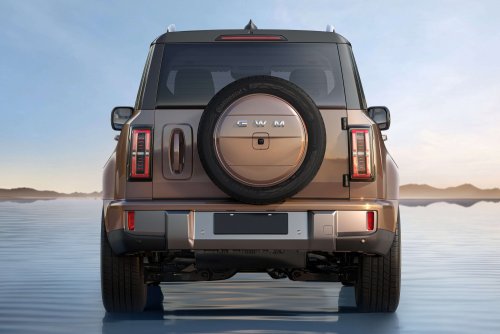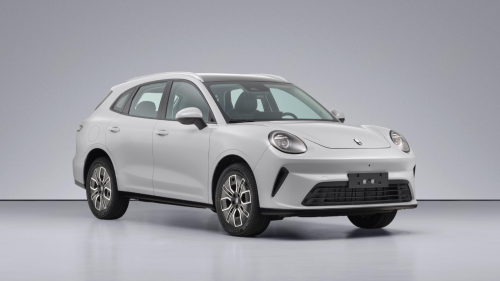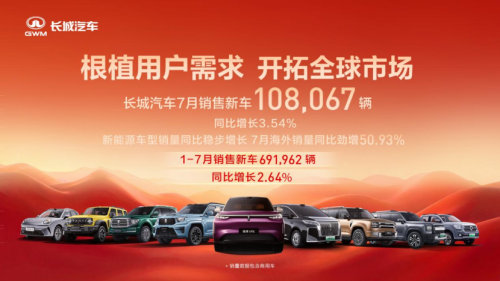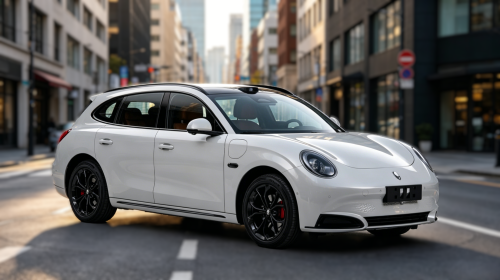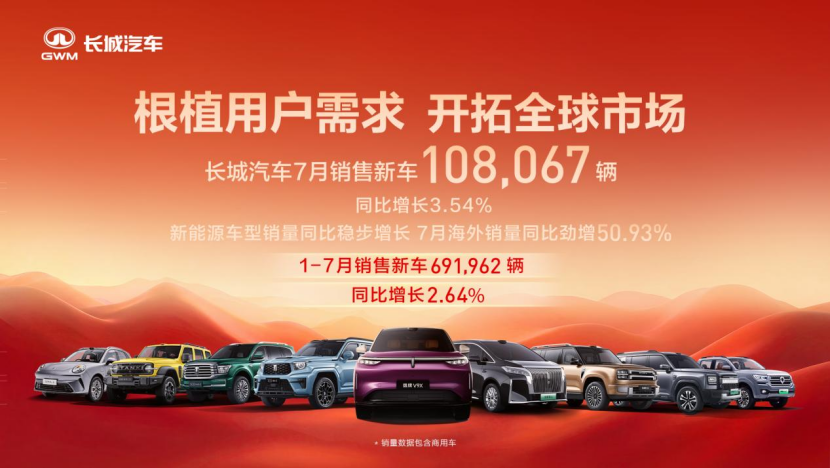
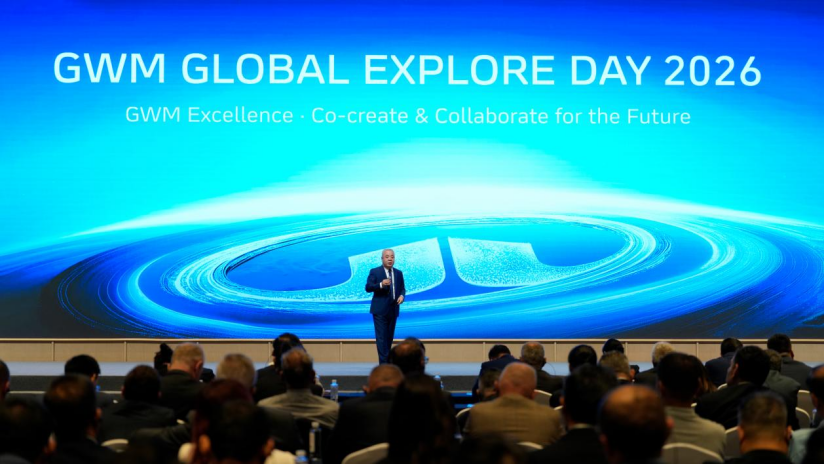



















Gasgoo Munich- Great Wall Motor recently released its production and sales data for July, breaking the 100,000-unit barrier. Despite the traditional off-season lull in China’s domestic market, the automaker posted positive year-on-year sales growth, with overseas markets serving as the core growth engine.Yet earlier this month, the company’s first-half earnings forecast painted a starkly different picture. While revenue and sales climbed in tandem, net profit nearly halved compared to a year ago. The company attributed the decline to overseas fiscal policies and currency fluctuations.July’s Overseas Surge Bolsters Overall PerformanceIn July, Great Wall Motor sold 108,067 new vehicles, a 3.54% year-on-year increase that reversed the previous month’s decline. Cumulative sales for the first seven months reached 691,962 units, up 2.64% from a year earlier, extending the growth momentum seen in the first half.Breaking down the figures, overseas operations emerged as the primary pillar of growth. Overseas sales hit 62,015 units in July, surging 50.93% year-on-year and accounting for nearly 58% of the month’s total. From January through July, international volume topped 350,000 units, representing more than half of the group’s total sales. The company has effectively established a pattern where the domestic market holds the baseline while overseas markets drive incremental growth.On the globalization front, Great Wall Motor advanced several overseas initiatives in July. The Haval Raptor PHEV began production at the company’s knock-down (KD) plant in Uzbekistan. The ORA 05 entered markets including Australia, South Africa, and Spain. Meanwhile, TANK and GWM POER launched owner communities and localized marketing campaigns in Central Asia, expanding growth opportunities for both new energy and internal combustion engine models.Image source: Great Wall MotorPerformance among the five domestic sub-brands diverged sharply. Only rigid-demand segments and entry-level new energy vehicles maintained high-speed growth, while the premium sector showed only a slight month-on-month recovery and remained under pressure year-on-year.ORA continued to gain traction with its small pure electric commuter models, selling 10,820 units in July—a 151.63% surge that made it the group’s fastest-growing brand. GWM Pickup posted steady growth driven by rigid demand for utility vehicles, with July sales reaching 16,006 units, up 16.22%. Haval, the group’s volume driver, sold 56,272 units, remaining largely flat.The two premium brands, TANK and WEY, which had seen declining sales, showed only month-on-month improvement and remained in a year-on-year slump. TANK sold 17,228 units in July, up 9.64% from June, while WEY moved 7,725 units, a 7.43% monthly increase. Although the Gao Shan MPV secured the top spot in first-half new energy MPV sales and new high-end models like the V9X and V8X hit the market, the company failed to reverse the contraction in the premium internal combustion segment. Across the group, new energy vehicle sales reached 34,651 units in July, accounting for 32% of the total. While electrification is advancing, growth is heavily concentrated in ORA, highlighting issues such as insufficient supply in the mid-to-high-end NEV segment and an unbalanced profit structure.Rising Sales Diverge From ProfitabilityIn contrast to the steady growth in production and sales for July and the first half, Great Wall Motor’s financial fundamentals are struggling. Its interim earnings forecast estimates net profit attributable to shareholders will fall between 2.35 billion yuan and 2.60 billion yuan, a sharp decline of 58.97% to 62.92% from a year ago—effectively halving profits.The company cited two external factors for the significant profit contraction: delays in recognizing overseas tax policy subsidies and fluctuations in multi-currency exchange rates.On the same day, Chairman Wei Jianjun clarified via his personal Weibo account. He confirmed that overall sales and operating revenue rose year-on-year in the first half, and sales of high-value domestic models also increased. The profit decline, he noted, was not due to a deterioration in the profitability of the core automotive business.Amid an industry trend of stuffing dealer inventories to boost short-term production and sales figures, Great Wall Motor adheres to a strategy of "selling more, shipping less." The company prioritizes genuine retail volume and actively controls wholesale shipments to dealers, keeping its domestic inventory-to-sales ratio consistently better than the industry average.This strategy mitigates long-term risks such as inventory pile-ups, steep price cuts at retail, and dealer attrition. However, it also means sacrificing short-term volume surges, suppressing the elasticity of wholesale sales figures to a certain degree.Image source: Great Wall MotorTo signal management’s confidence in the company’s long-term value, Wei revealed on Weibo that Great Wall Motor will proceed with its share buyback plan under the existing H-share program. Capital markets generally view large-scale buybacks as a way to offset pessimism stemming from short-term profit declines and enhance shareholder returns.Great Wall Motor’s current operational dilemma reflects a common challenge for domestic brands in the midst of a global expansion push. While overseas markets are unlocking new growth ceilings, a rising proportion of exports amplifies the impact of exchange rates and foreign fiscal policy changes on financial reports. Domestically, sales volume is propped up by low-end new energy vehicles and rigid-demand pickups, while the recovery of premium internal combustion models remains sluggish. Structural weaknesses in the product lineup cannot be fully repaired in the short term.For now, Great Wall Motor is choosing to sacrifice short-term paper profits and sales elasticity to prioritize its global layout and channel health. Whether this long-term strategy will ultimately deliver sustained profitability remains to be verified by production, sales, and financial data in the coming quarters.