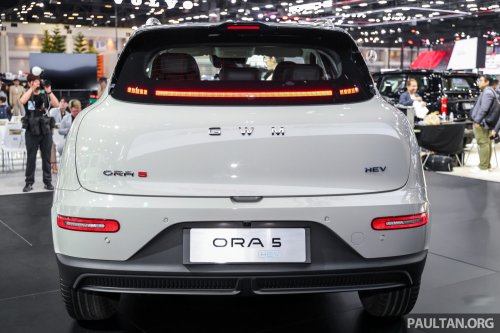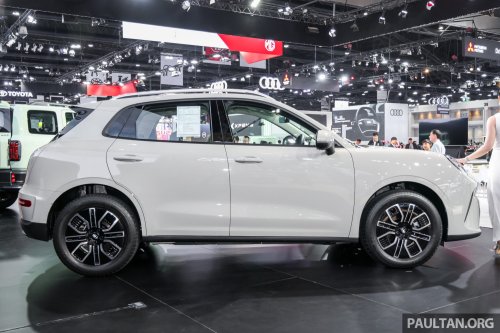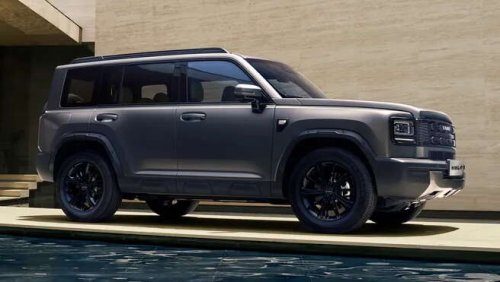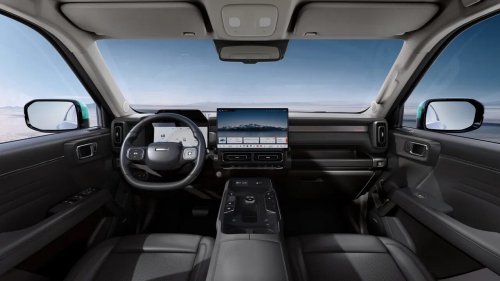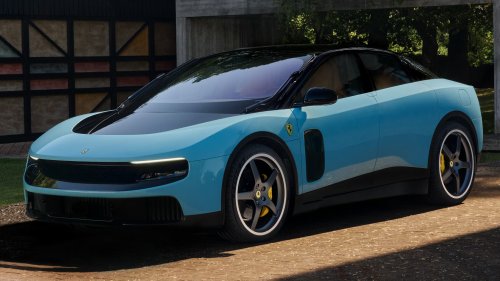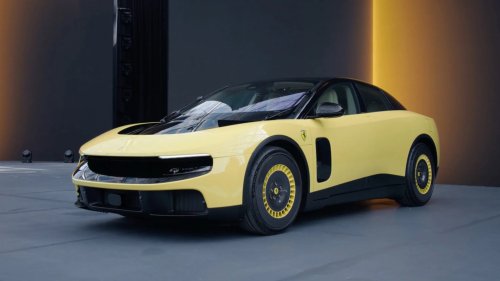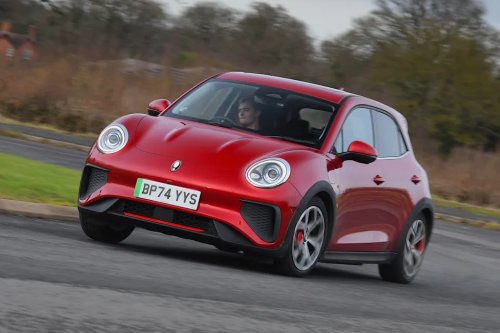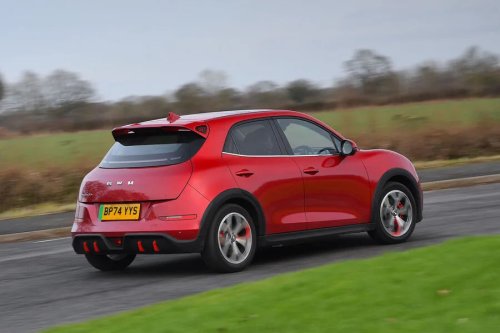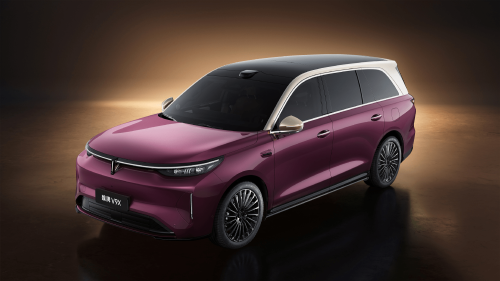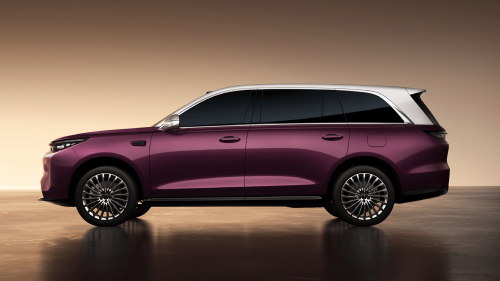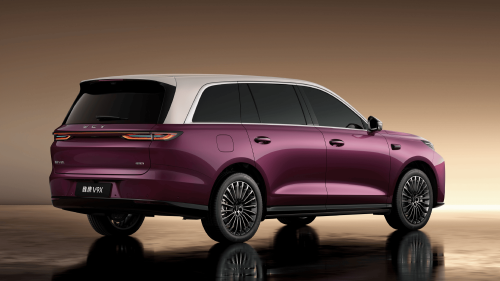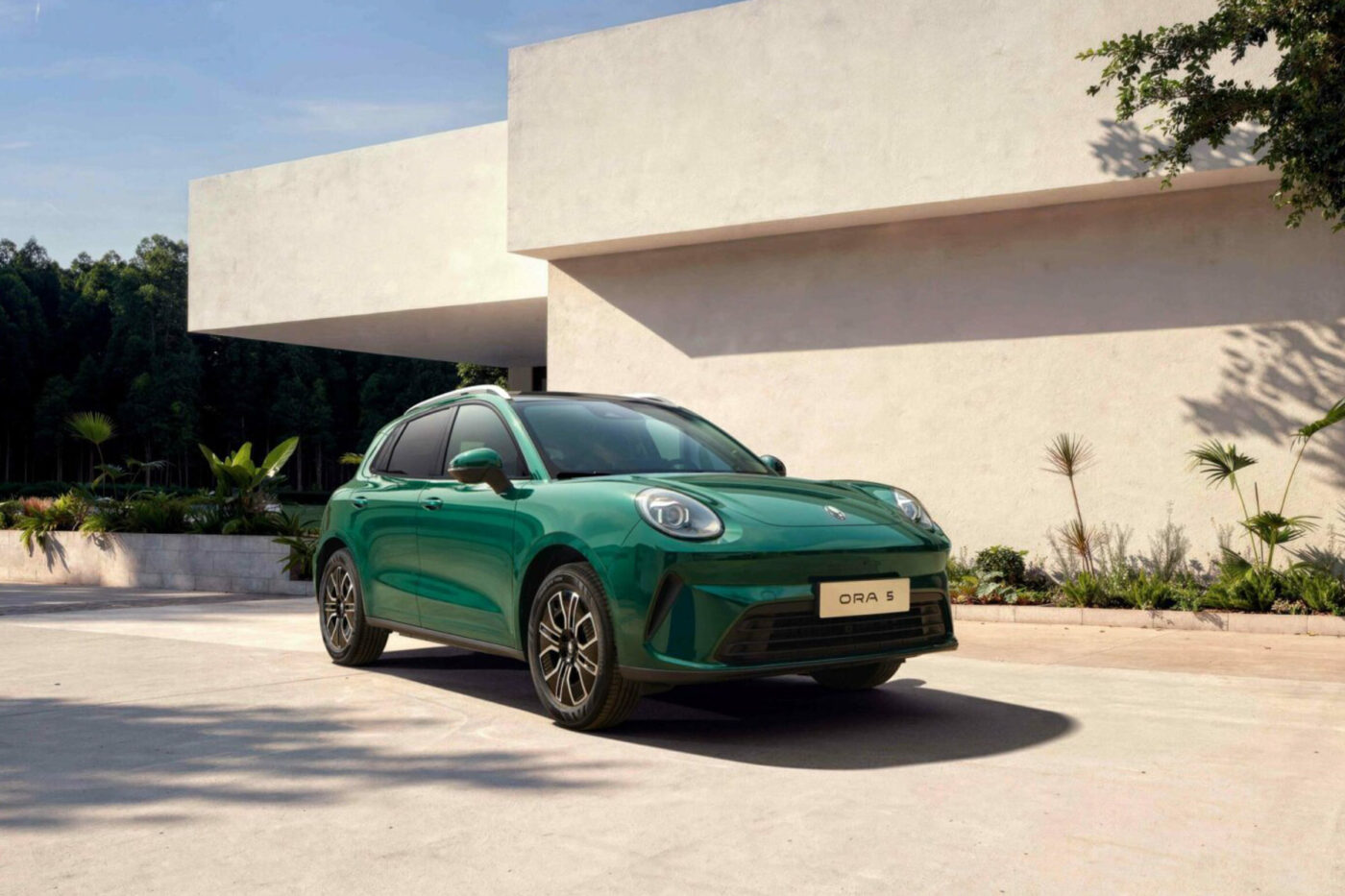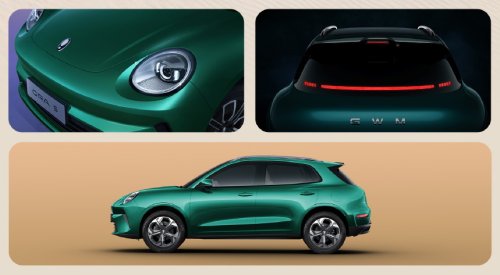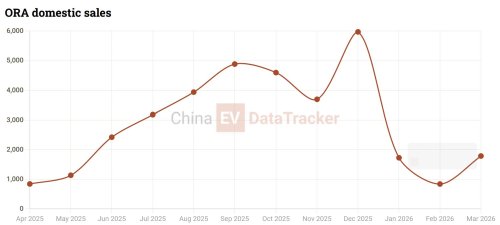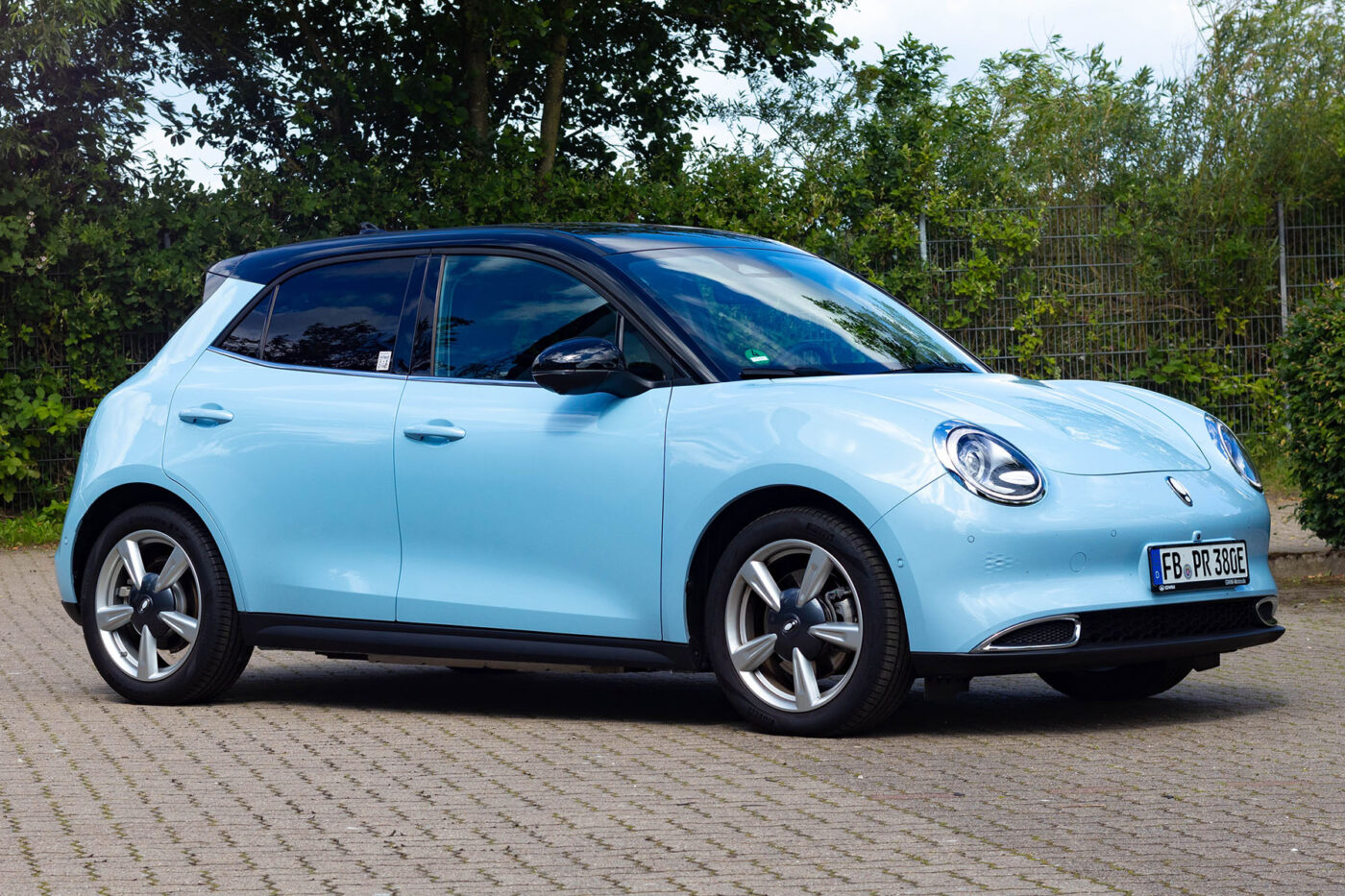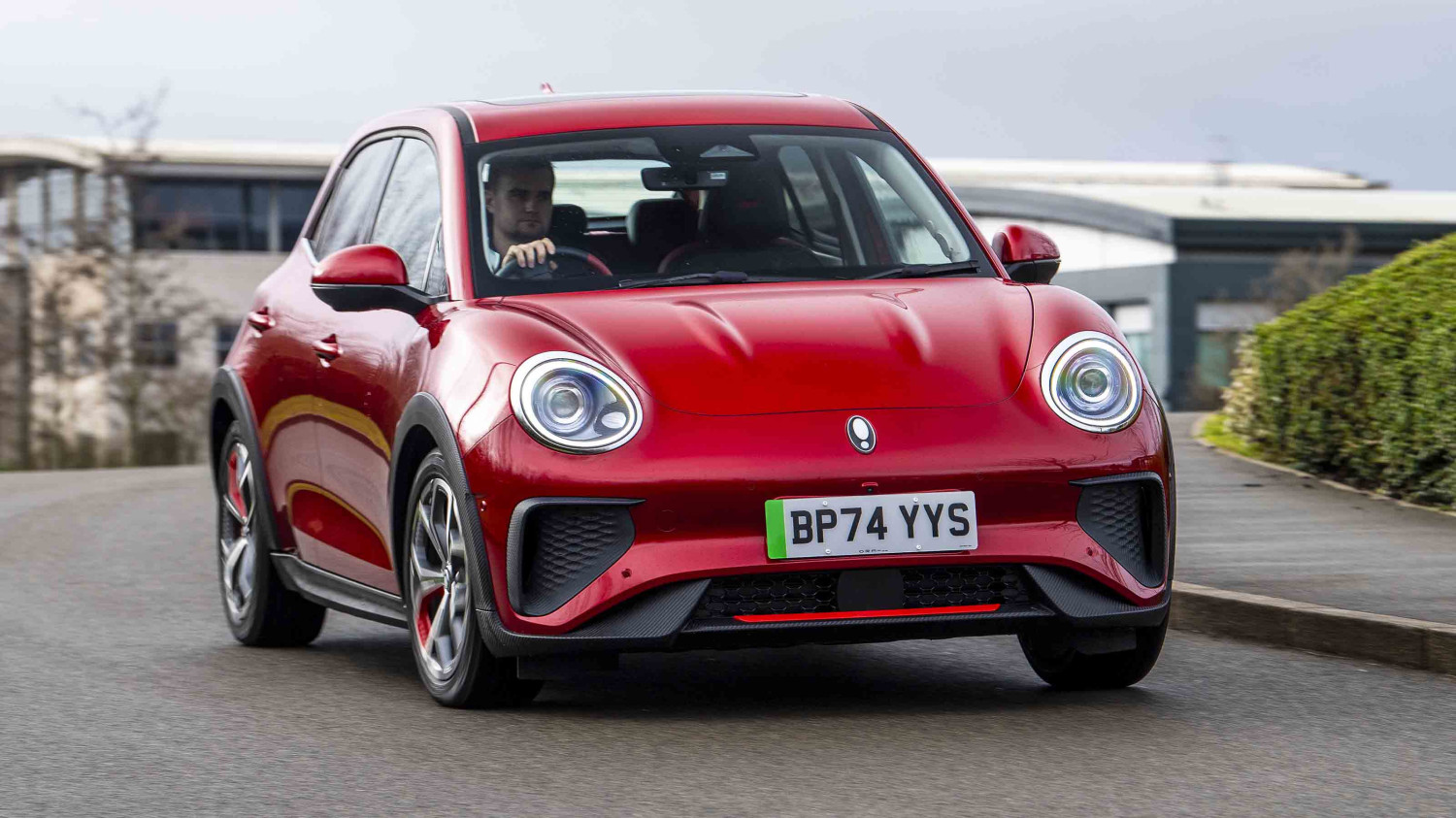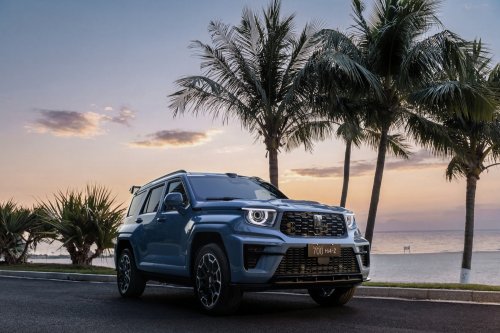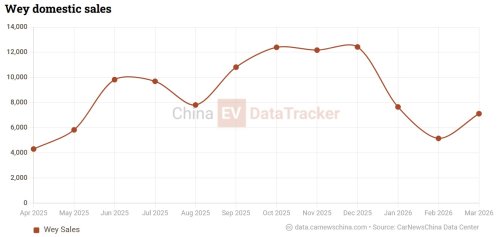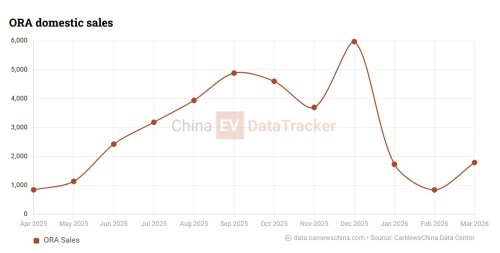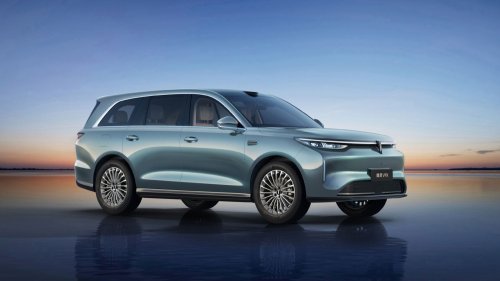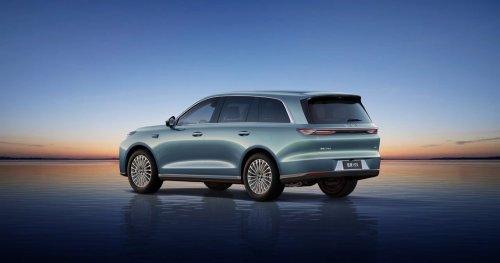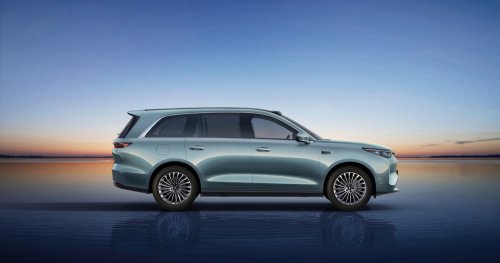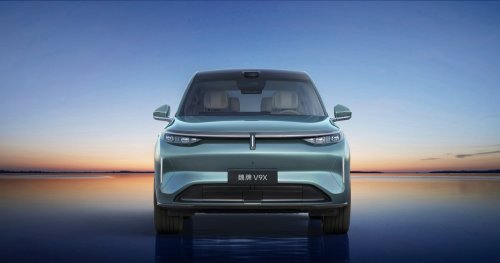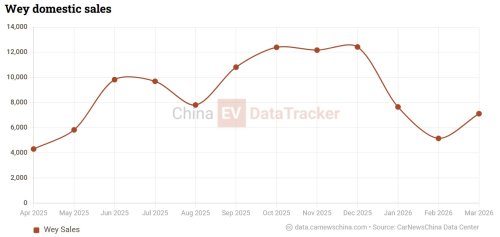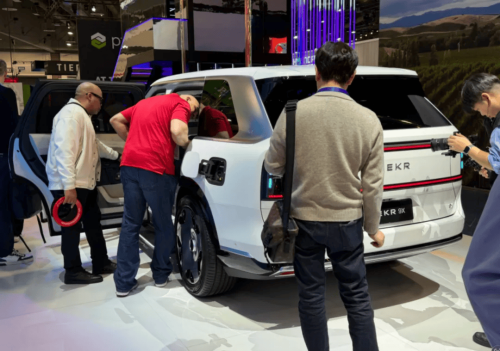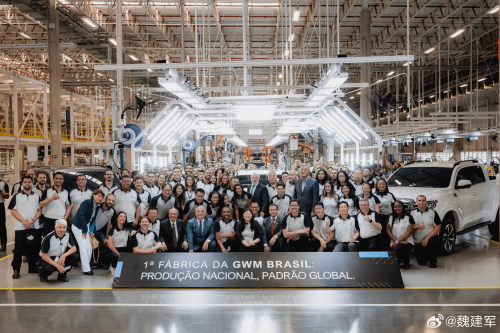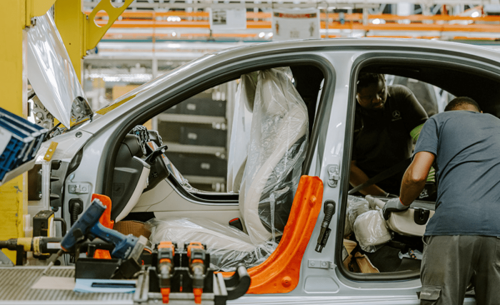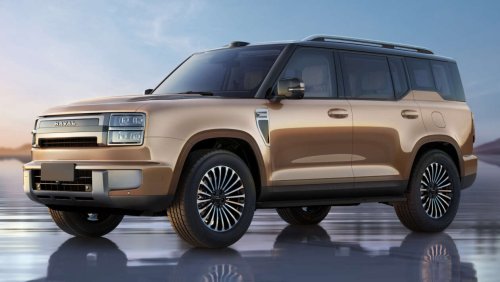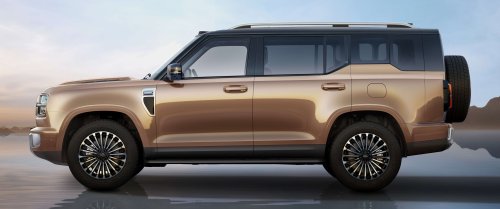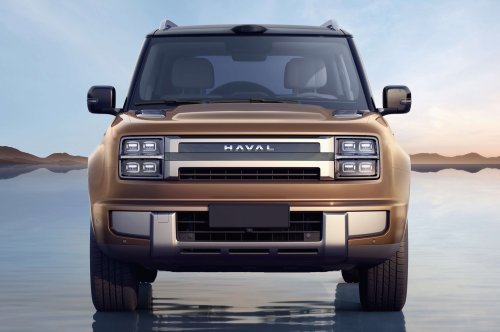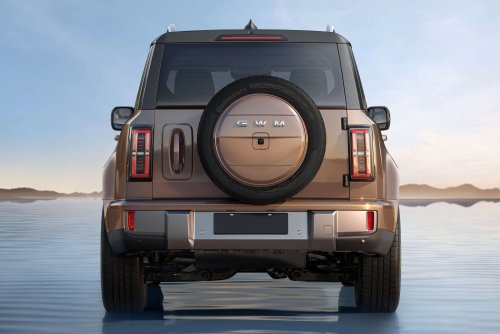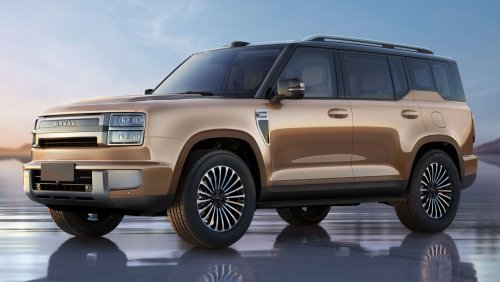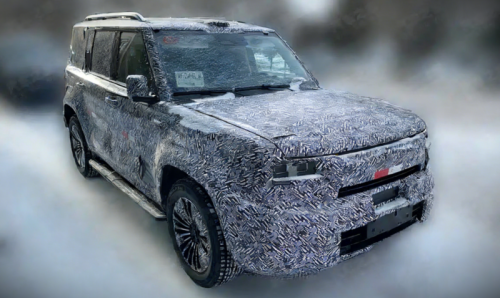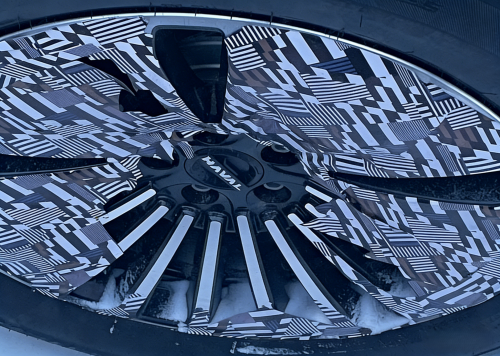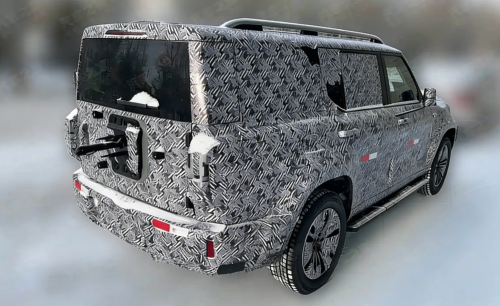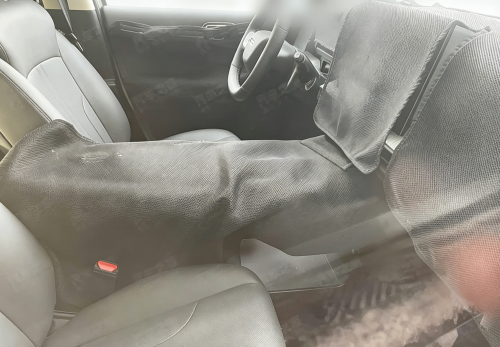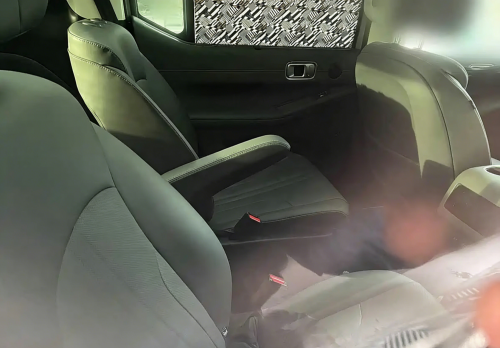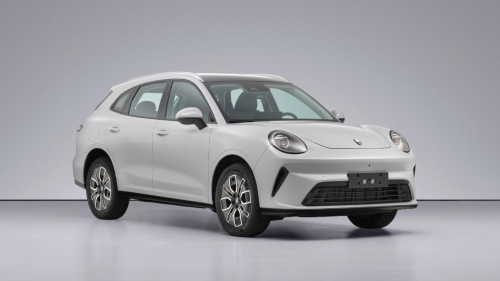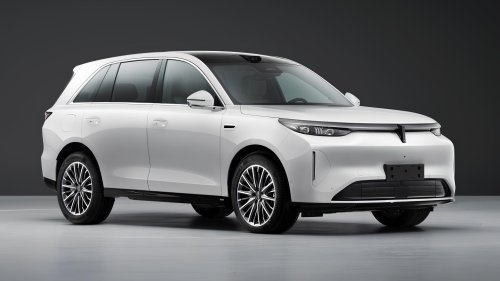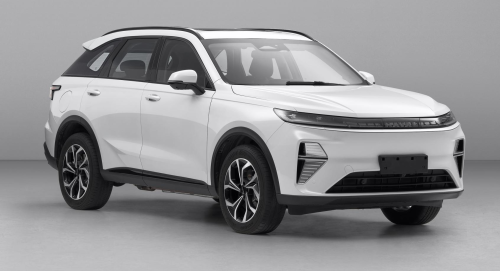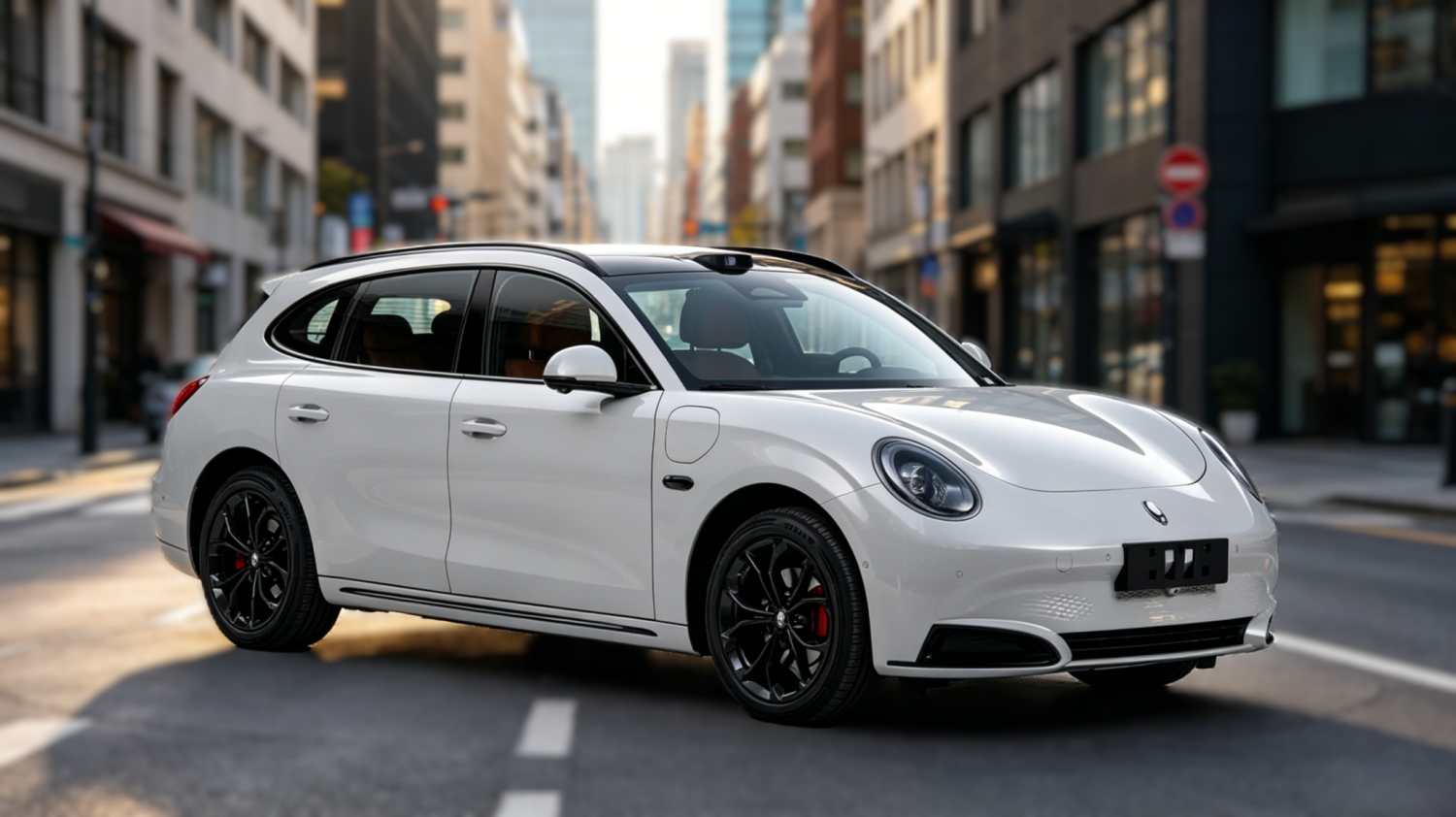
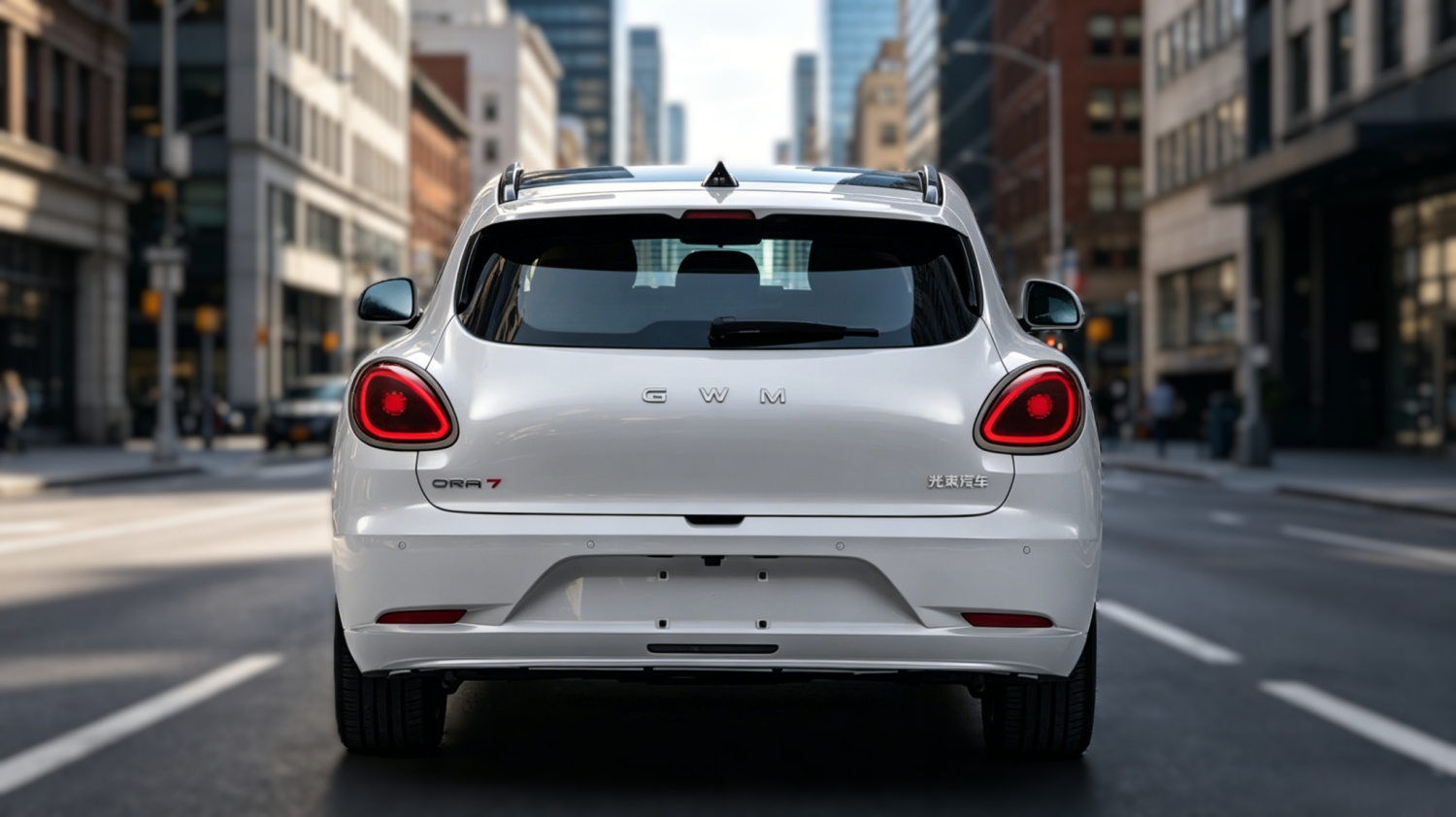
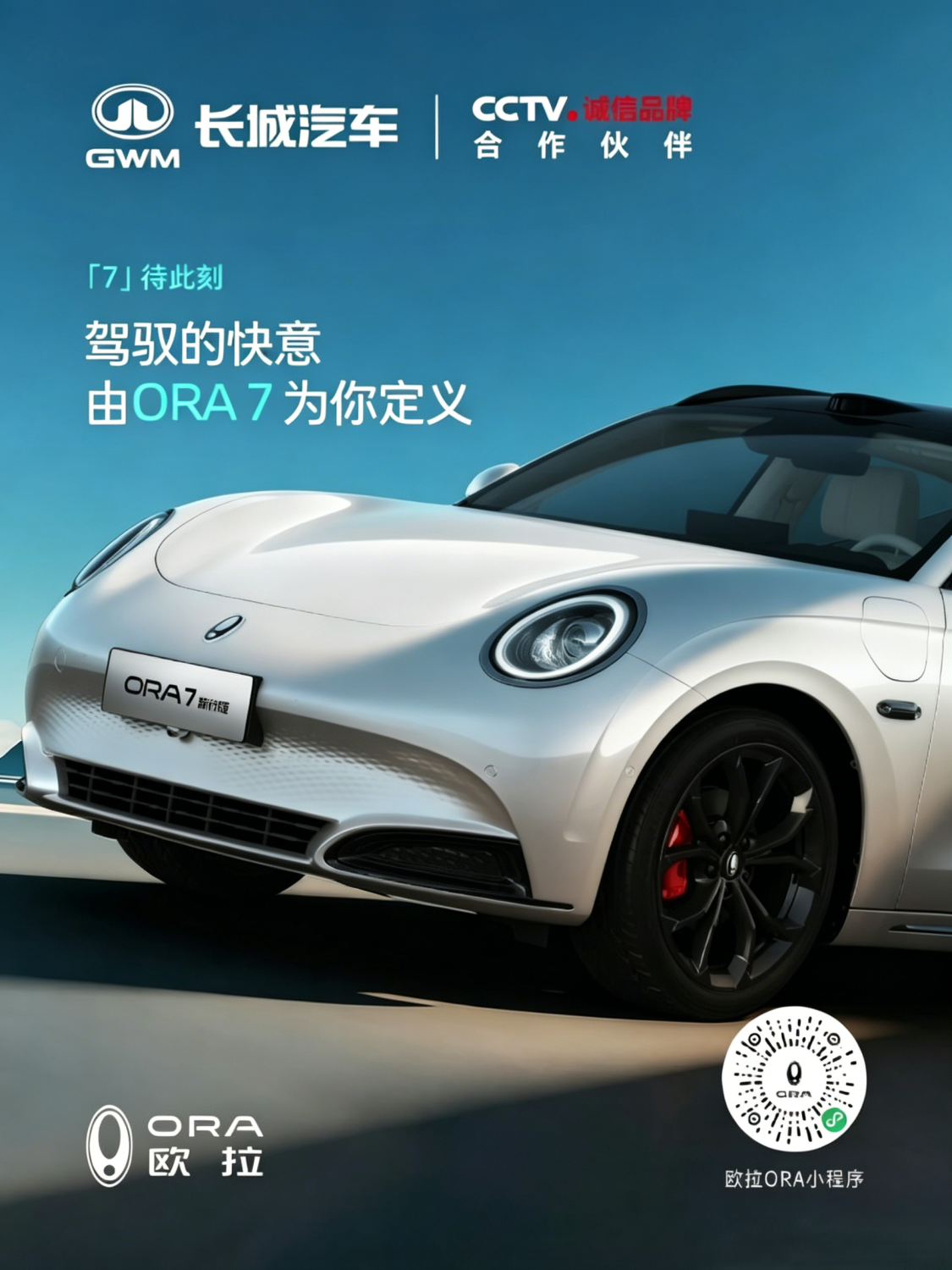



















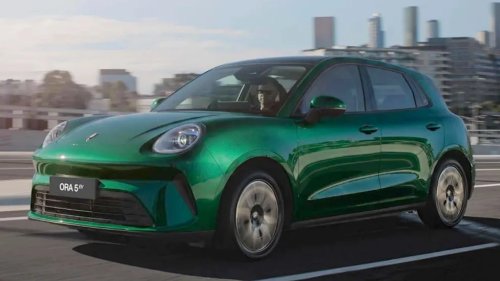

The exterior profile of the upcoming Ora 7 wagon configuration. Credit: CNC Understand China EV’s Market Real-time notifications when critical EV data is released All important data in one place 2,000,000+ data points Become a member Great Wall Motor will officially release its upcoming Ora 7 vehicle series in 2026, introducing a new wagon body architecture alongside the traditional sedan layout, according to Ora General Manager, Wenbin Lu. This product is likely positioned for the 200,000 yuan (29,500 USD) market segment. The model configuration replaces the previous design, formerly known as the Lightning Cat, and will enter production at a joint manufacturing facility before the end of the calendar year. Initial regulatory filings outline distinct vehicle dimensions and powertrain variations that differentiate the wagon layout from its sedan counterpart. BMW Joint Venture and Manufacturing Architecture The production framework for the upcoming vehicle series originates from Spotlight Automotive, the 50:50 corporate joint venture established between Great Wall Motor and BMW. This shared industrial infrastructure directly integrates the vehicle assembly line with the manufacturing ecosystem utilised for the electric Mini lineup. While the underlying mechanical chassis components remain entirely separate, this shared facility enforces standardised European assembly tolerances and unified quality control metrics across the entire shop floor. The production system mandates identical structural monitoring protocols to ensure specified build integrity across both brands. Strategic Realignment and Demographic Expansion Transitioning from previous female-targeted naming themes to a standardised alphanumeric designation marks a corporate effort to expand customer demographics before the official commercial release. The adoption of a functional wagon profile seeks to diversify the brand away from historically gendered marketing angles and appeal to outdoor enthusiasts. This structural shift follows previous brand realignments, including the introduction of alternative internal combustion and hybrid variants of the Ora 5, starting at 69,069 yuan (10,200 USD). Expanding into multi-energy platforms allows the automaker to utilise its wider R&D investments while altering its target demographic focus. Rear view showing the integrated window wiper and roof rails on the wagon variant. Dimensional Variances and Structural Footprints The regulatory documentation lists a uniform 2870 mm wheelbase for both body styles, though physical footprints differ to accommodate the modified rear profile. The sedan variant registers an overall length of 4890 mm, a width of 1850 mm, and a vertical height of 1503 mm. In contrast, the upcoming wagon variant modifies these parameters to 4820 mm in length and 1520 mm in height. This geometric adjustment alters rear cabin space and cargo flexibility without requiring a completely separate chassis layout. Mechanical Overhaul and Hardware Optimisation The technical specifications reveal a shift toward mechanical durability and pragmatic everyday operation over decorative features. The mid-size body architecture completely removes the motorised hidden door handles, utilising traditional mechanical pull-type hardware to optimise cold-weather reliability. Furthermore, the universal deployment of lithium iron phosphate chemistry across all model variants highlights a corporate choice for thermal stability and cell longevity. This chemical standardisation mirrors the engineering strategy seen in the upcoming battery-electric sport utility vehicle, which is slated to expand the company’s vehicle footprint. Advanced Propulsion and Intelligent Sensor Integration The dual-motor wagon configuration features a prominent roof-mounted LiDAR pod configured as the foundational hardware layer for automated highway navigation. This sensor package interfaces with a dual-motor all-wheel-drive propulsion system combining a 160 kW front electric motor with a 150 kW rear electric motor. The combined system output reaches 310 kW, enabling a regulated maximum velocity of 180 km/h under official regulatory test cycles as the brand readies the vehicle for its domestic debut. These performance attributes classify the platform as an all-wheel-drive alternative within the mid-size segment. Market Context According to China EV DataTracker data, the market has recovered from a low of 839 units in February 2026 to 1,785 units in March. The May 2026 figure of 3,831 units represents a 237.8% year-on-year expansion against the prior cycle. Ora 7 image shared by Ora General Manager, Wenbin Lu on Weibo.