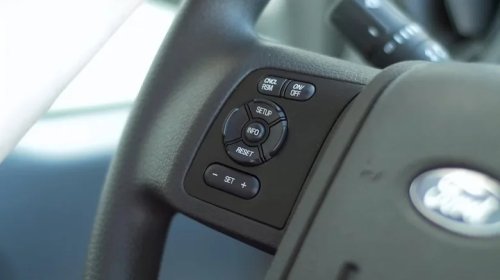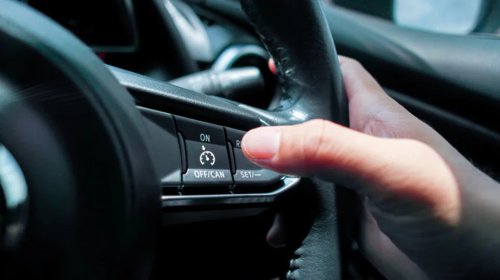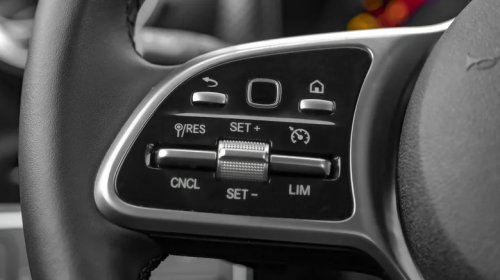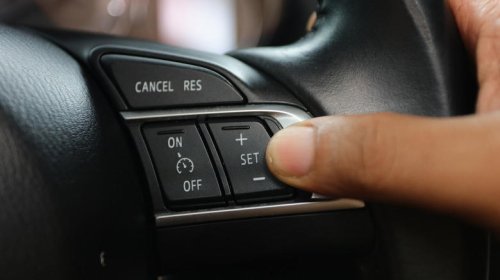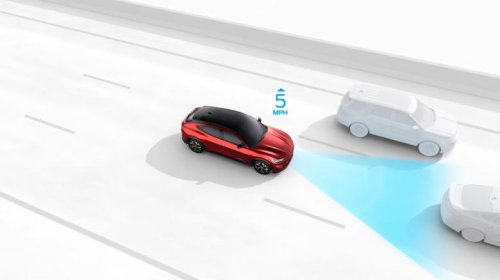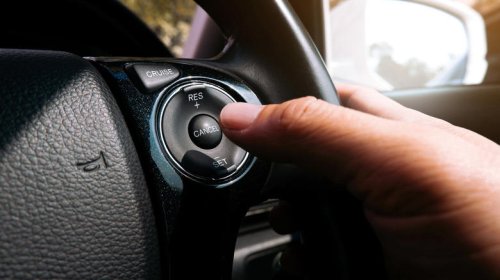



















Officials warn drivers about using adaptive cruise control in heavy rainTransportation officials and several state highway agencies are urging drivers to think twice before relying on adaptive cruise control during heavy rain. The message isn’t “never use it,” but more like “don’t assume the car can see what you can’t.” With downpours and standing water causing a spike in weather-related crashes each year, they’re hoping a quick reminder now prevents a bad day later. Adaptive cruise control (ACC) is one of those features that feels a little magical on a clear day: set your speed, let the car keep a buffer, and enjoy a calmer commute. In heavy rain, though, that magic can turn into misplaced confidence. Officials say the risk isn’t the feature itself—it’s the way rain can interfere with the sensors and the way road conditions change faster than automation can comfortably handle. What officials are actually worried about The big concern is that heavy rain can reduce how well your vehicle’s driver-assist sensors “see.” ACC typically relies on radar, cameras, or a combination of both to judge distance and adjust speed. Rain, spray from other vehicles, fogged lenses, and road mist can all make those systems less reliable. Some cars will warn you when sensors are blocked or visibility is too low, but not all limitations show up as a big, obvious alert. Sometimes the system keeps working—just not as accurately as you’d expect. That’s where officials say drivers can get caught off guard, especially if traffic suddenly slows or someone cuts in through sheets of spray. How heavy rain messes with adaptive cruise control Radar generally performs better than cameras in bad weather, but it’s not invincible. Heavy precipitation can add “noise” to radar returns, and thick spray from trucks can create a rolling wall of water that makes it harder to track the car ahead. Cameras, meanwhile, can struggle when the windshield is streaked, the light is flat and gray, or the lane markings disappear under shiny water. Even if the sensors are doing their best, ACC can’t change the laws of physics. Braking distances grow quickly on wet pavement, and they get worse when water starts to pool. If your tires begin to hydroplane, the car may not slow or steer as expected—even if the system is requesting braking or you’re pushing the pedal yourself. It’s not “self-driving,” and officials want that clear One reason agencies keep repeating these warnings is simple: people overestimate what ACC does. Adaptive cruise control is a driver-assist convenience feature, not an autopilot. It can help maintain speed and following distance, but it doesn’t guarantee it’ll detect every vehicle, obstacle, or sudden slowdown in extreme conditions. Add in the mental effect—“the car’s got it”—and you can see why officials get nervous. In a downpour, you want your full attention on the road, not a half-attentive trust fall with a sensor suite. If you’re using ACC, you’re still the one responsible for steering, scanning, and being ready to brake immediately. Common rain scenarios where ACC can get awkward Officials point to a few situations that show up again and again. One is stop-and-go traffic in heavy spray, where the system may brake late or accelerate a little too eagerly for slick conditions. Another is when a vehicle cuts in close, leaving less cushion than you’d ever choose in the wet. Then there’s standing water. ACC has no special power to detect a shallow-looking puddle that’s actually deep enough to cause hydroplaning. If you’re cruising along at your usual highway setting, the car might maintain speed right into a patch of water you would’ve approached more cautiously. What you should do instead (without giving up every comfort feature) Officials’ simplest advice: in heavy rain, consider turning ACC off and driving “old school,” especially at highway speeds. That doesn’t mean you have to white-knuckle the steering wheel, but it does mean you pick the speed and manage the gaps intentionally. If you do keep ACC on in lighter rain, increase the following distance setting and keep your foot ready to brake. Also, treat any warning messages seriously. If your car says sensors are blocked, driver-assist features are limited, or cameras can’t see lane markings, don’t argue with it. That’s the car’s polite way of saying, “Hey, I’m doing my best, but I’d rather you take the wheel completely right now.” Quick safety checklist officials keep repeating First, slow down earlier than you think you need to. Speed limits are for ideal conditions, and heavy rain is rarely “ideal.” If visibility is poor enough that you’re squinting at taillights, that’s a strong hint the car’s sensors might be struggling too. Second, increase your following distance a lot—more than the default ACC gap most people use on dry days. Third, make sure your wipers and defroster are actually keeping the windshield clear, because a smeary windshield can confuse both you and the camera systems. And yes, officials are once again asking everyone to check tire tread; bald-ish tires plus standing water is a combo nobody wins against. What to watch for if you’ve already been using ACC in the rain If your car feels like it’s “hunting” for the right speed—slowing and then speeding up in a way that doesn’t match traffic—that’s a sign conditions may be too messy for smooth sensor tracking. Another red flag is delayed braking when the car ahead slows, or sudden braking when nothing obvious is in front of you. Either way, officials say the safest move is to disengage ACC and drive manually until conditions improve. And don’t forget the human factor: fatigue and distraction. Rainy driving takes more mental bandwidth, and ACC can tempt you into relaxing when you should be actively scanning. If you notice your attention drifting, that’s not a moral failing—it’s just your cue to simplify the situation and take full control. Bottom line from officials: use the tech, but don’t outsource judgment Adaptive cruise control is great at what it’s designed for: reducing workload in steady traffic on decent roads. Heavy rain is basically the opposite of steady and decent, which is why officials are waving the caution flag. Think of ACC as a helpful assistant, not a substitute driver, and you’ll be using it the way it was meant to be used. If the weather’s coming down hard enough that you’re debating whether it’s “too rainy,” officials say that question is your answer. Slow down, leave extra space, and don’t be shy about turning features off if they’re not making you safer. Your car will still be smart tomorrow—today’s goal is making sure you’re around to drive it. More from Fast Lane Only Unboxing the WWII Jeep in a Crate 15 rare Chevys collectors are quietly buying 10 underrated V8s still worth hunting down Police notice this before you even roll window down