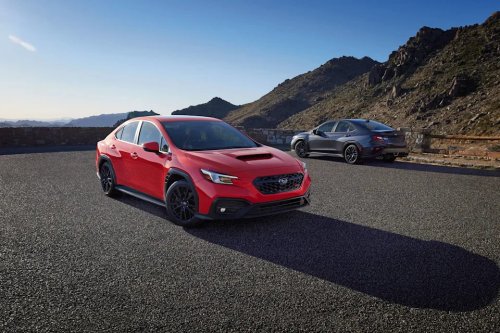
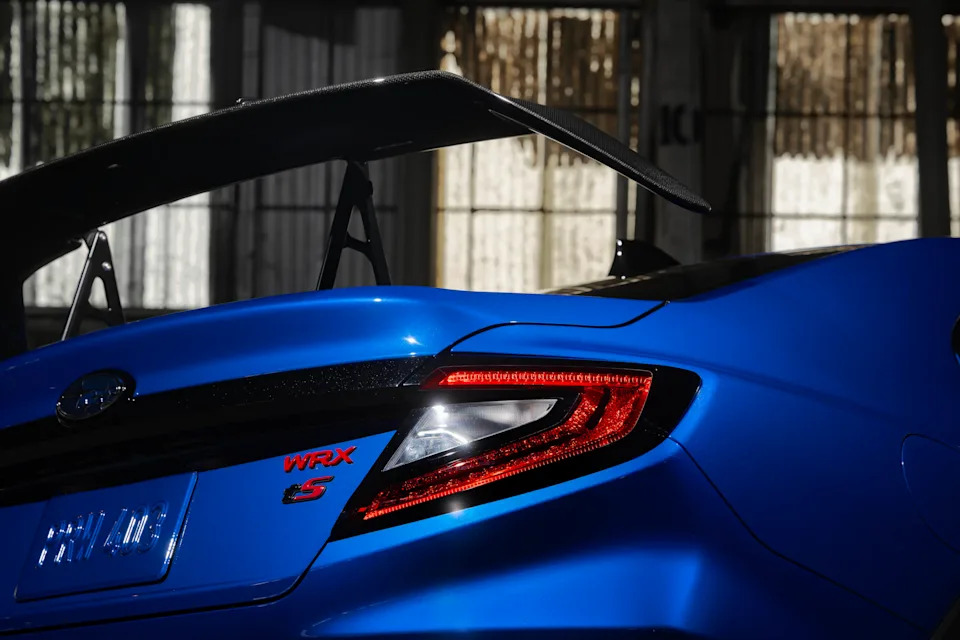
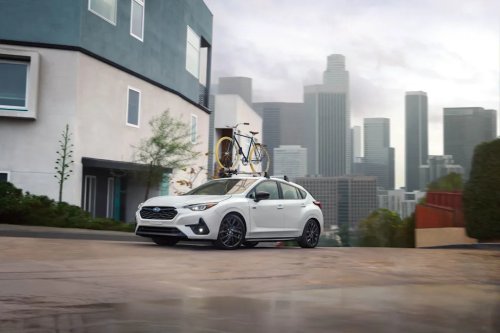
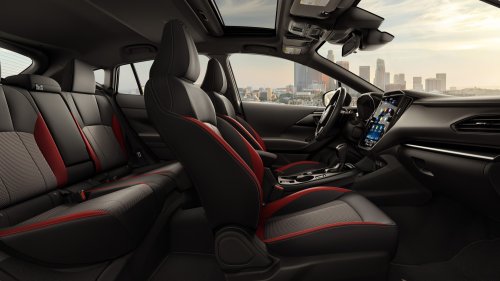
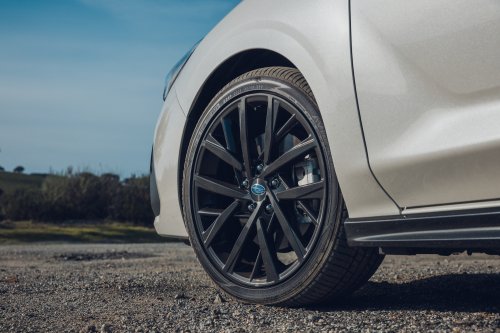
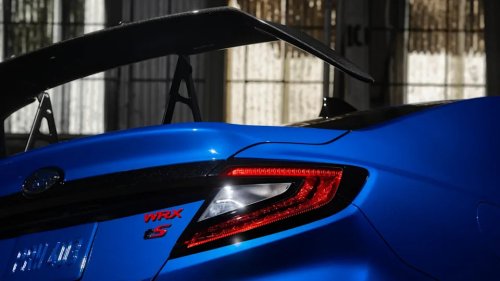
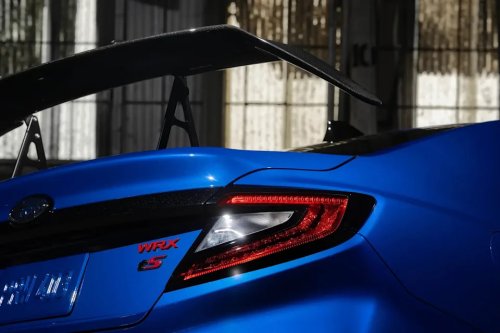
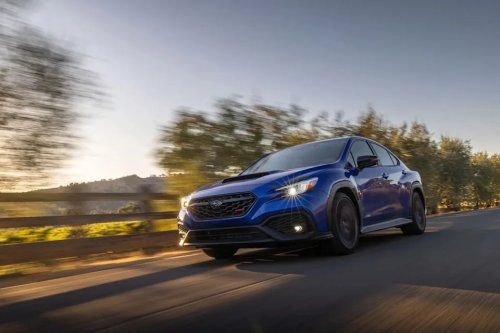
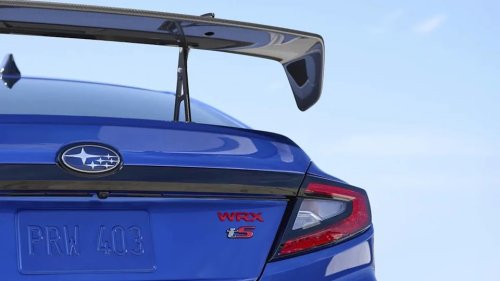
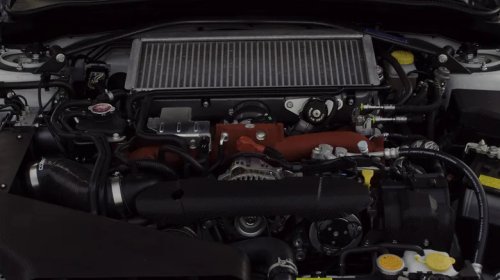
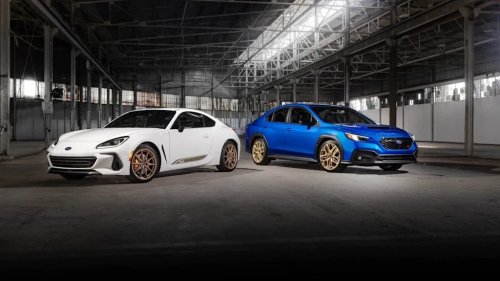
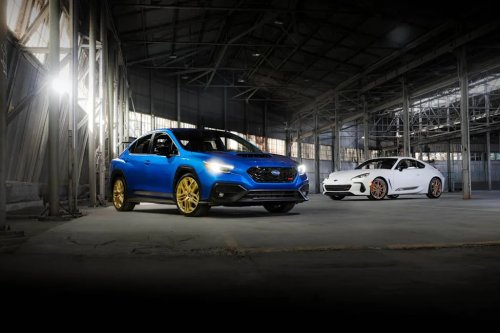
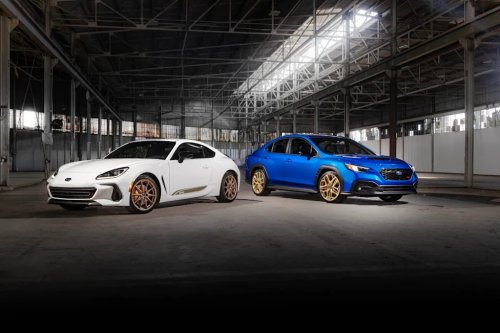
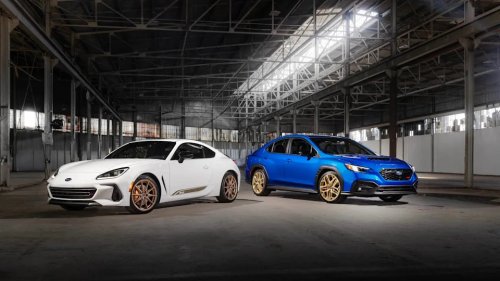
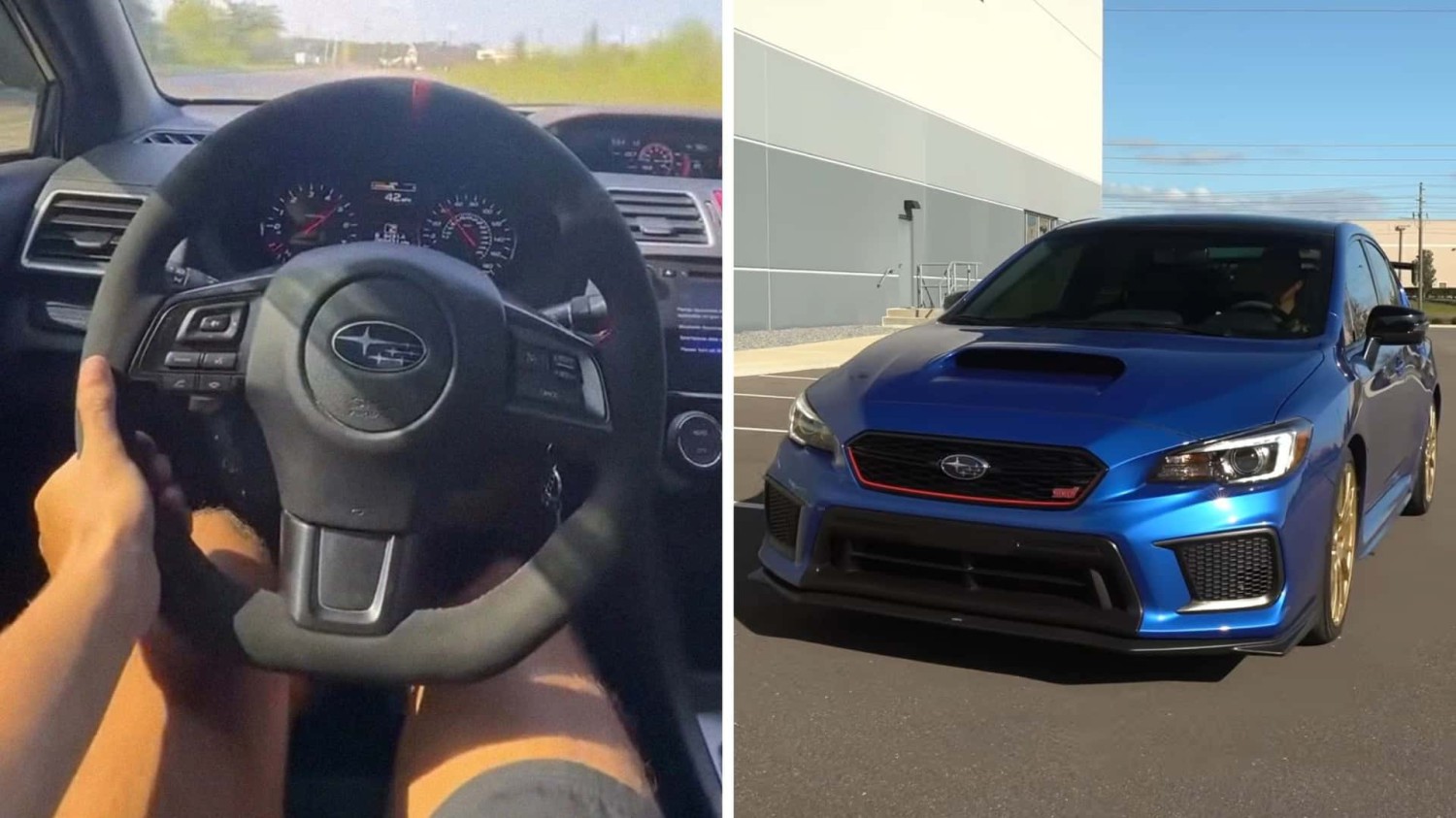
"A lot of metal chunks, silvery metal chunks. I don’t know what they’re from" is not a diagnosis most car owners want to get from the maintenance department of their dealership. But a viral Facebook Reel challenges that notion by capturing a driver who was looking to play chicken with the warranty terms on their vehicle. The clip from automotive creator Myheadgasket shows a Subaru WRX being driven at the upper limits of its drivetrain’s abilities, with the caption stating the intention was to blow up the motor because the WRX still had 10 miles left on its warranty. "Time to take her in" is the driver's satisfied assessment when the engine’s rattling makes it clear its days on the road are numbered. The second half of the clip, which has been viewed more than 251,000 times, then switches to the service department’s diagnostic video, with a caption asking, "Think I got the claim?" One major flaw in the driver's plan is that modern performance cars double as rolling data recorders, with engine control units that log everything from overrev events to throttle position, boost levels, knock, and fault codes. The ECU's freeze-frame snapshots allow you to revisit exactly what the engine was doing when a malfunction occurred. That extra insight means warranty claims are more than a matter of what broke; they also consider whether the data indicate any abuse, modification, or otherwise questionable behavior. Viewers of the clip quickly realized this and debated whether Subaru or the dealer could determine whether it was intentionally broken, which could affect the likelihood of a covered repair. Several observers with dealership technical experience described incidents in which repairs were voided due to incriminating ECU data. "Self destruction isn’t covered under any warranty," one of them stated plainly. Another offered a warning: "I can tell you right now that warranty was voided. Pulling up max data is all it takes." Does Data Detect Bad Driving? All those comments pointed to bad news for the driver: Modern engine control units are complex data loggers that also manage fuel and spark. Think of the ECU as your car's black box, capable of detecting if an engine overrevs its block after a series of wide-open-throttle pulls or if there are missed shifts or sustained overrev conditions. The availability of that data doesn't automatically mean a warranty claim is dead on arrival, since performance cars are designed to be driven hard, and redlining a stock car doesn't qualify as abuse on its own. The question is the line between appreciative, enthusiastic driving and behavior that appears to be intentional destruction or negligence. Evidence of over-revs, severe knock, or oil pressure faults can significantly affect how a dealer and a manufacturer view a warranty claim. Also influencing the decision is the analysis of usage patterns available from the ECU data. Modern diagnostic tools can surface historical data around ongoing questionable or problematic activity, with some events stored in multiple control modules outside the engine computer. That means even if fault codes are cleared, the underlying history or usage patterns may still raise red flags during a warranty review. What's also in question in the video is not the brief, extreme driving shown, but whether the historical data shows an ongoing pattern of the vehicle being driven negligently or abusively. Beyond the data, the warranty review should include checks for evidence of abuse, such as spun bearings, heat-damaged pistons, or valve train damage. That's the kind of analysis that may be necessary if a manufacturer becomes involved in a high-dollar claim, such as a full engine replacement. Voided Warranty Options If a case like this were denied, the financial reality would become ugly in a hurry. A complete WRX engine replacement can run well into five figures when parts and labor are factored in, especially if a long block or full assembly is required rather than a partial rebuild. Even used or remanufactured engines aren't cheap, and they come with their own risks and limited warranties. In cases like this, it's not out of the question for an owner to legally contest any voided claim, but the cost and time involved make it more likely that the owner will choose between paying for a rebuild, selling the car as is, or selling it for parts. Some manufacturers and dealers may offer goodwill assistance in specific cases, covering part of the labor or discounting parts, or even splitting the bill, but this usually depends on service history, mileage, and whether the car appears to be stock and well-maintained. That's not automatic or guaranteed, especially if the failure appears self-inflicted. For more even-handed owners who want to keep their warranty intact, the safest approach is to follow the boring but effective steps of adhering to the service schedule, documenting all maintenance, and assuming that any hard-to-hide modification represents a calculated risk. If you choose to track or autocross the car, make sure to review the policy before something breaks. And, obviously, if you're thinking about "using up" the warranty at the red line, as we saw in the video, keep in mind that a denied engine claim would be the most unintentionally expensive performance mod of all. Motor1 reached out to the creator via email and comment on the clip. We’ll update this if they respond. We want your opinion! What would you like to see on Motor1.com? Take our 3 minute survey. - The Motor1.com Team


















 +75 others