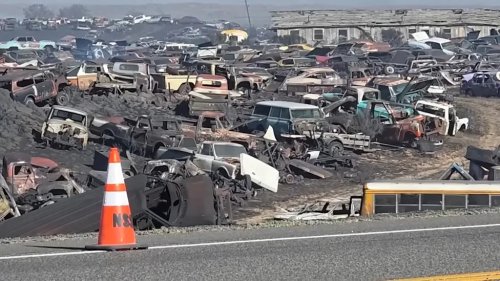
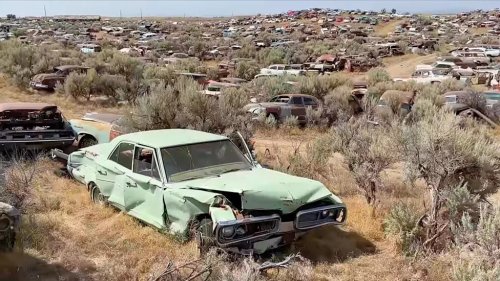
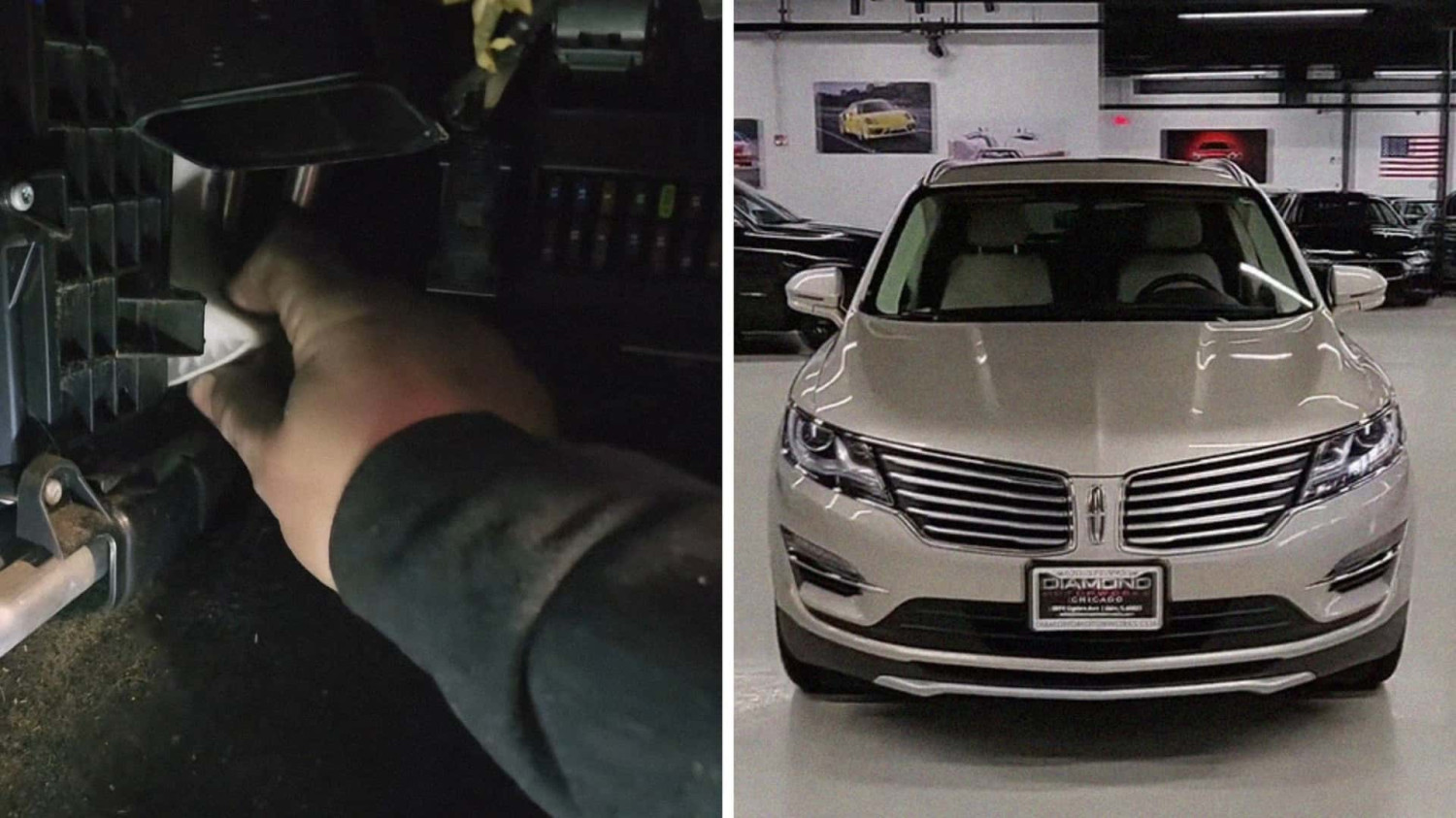
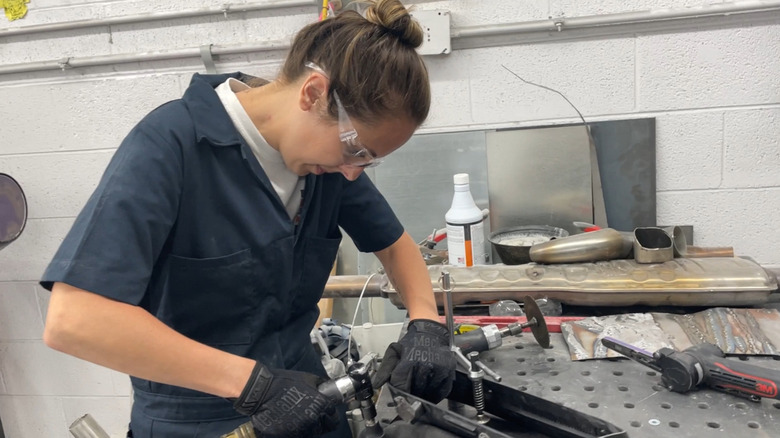
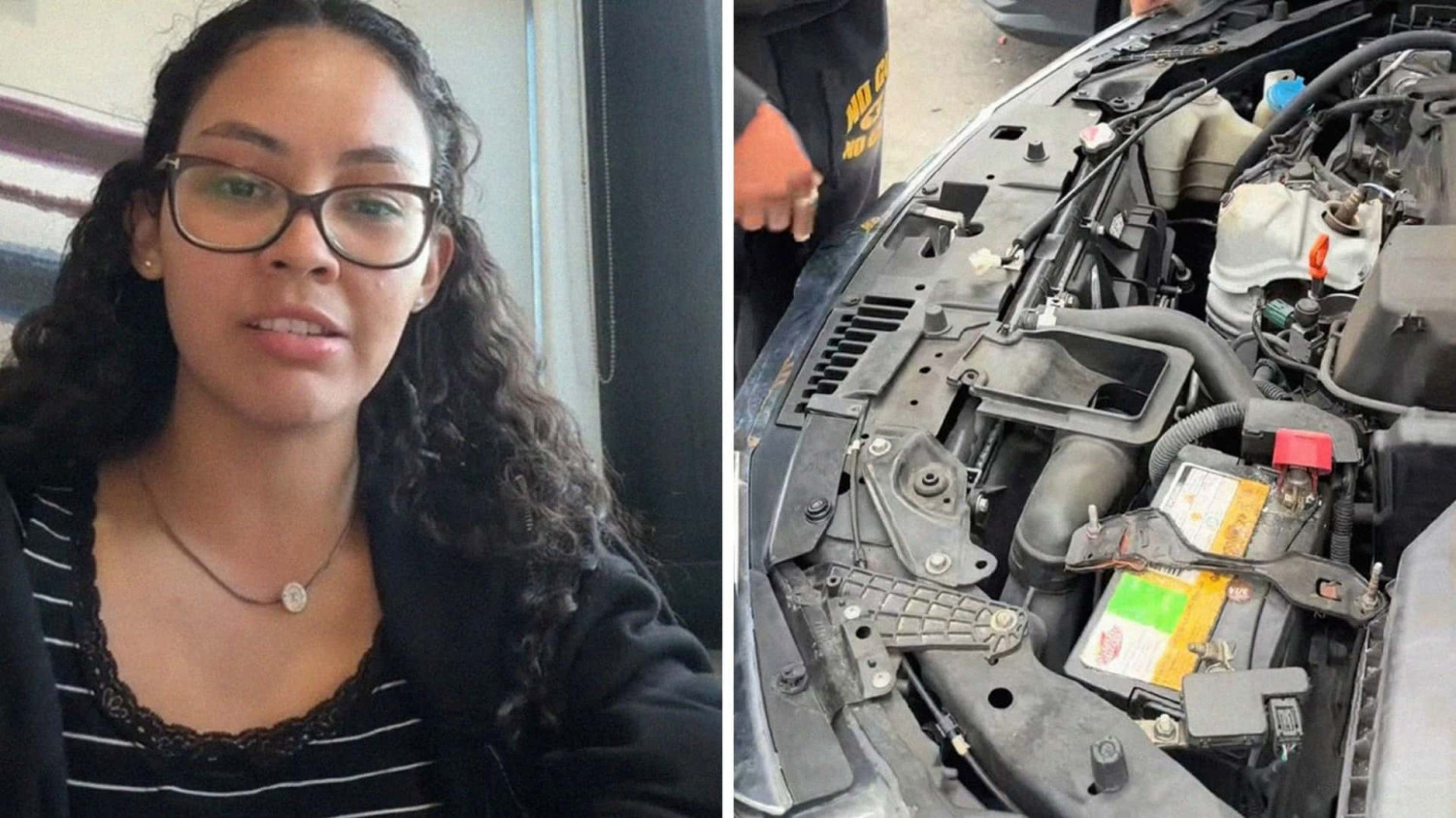
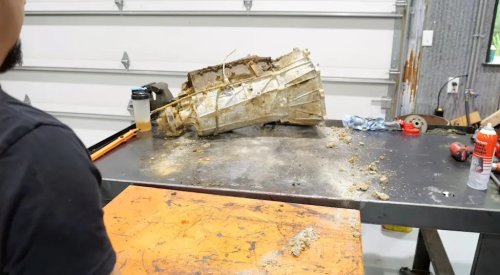
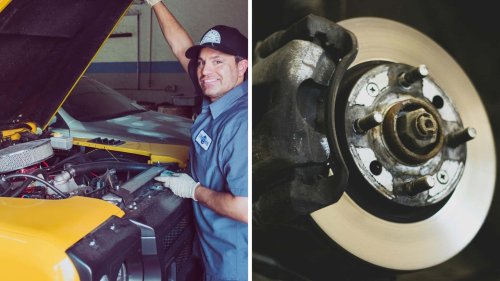
A New Jersey mechanic found himself in a no-win situation after a recent transmission installation resulted in a Chevrolet Silverado that wasn't going anywhere, leaving him dealing with both an angry customer and a parts supplier who fell way behind in providing a replacement part to fix the job. The clip from Jay Arbuckel (@jayarbuckel), owner of AAR (Arbuckel Auto Repair) in Malaga, New Jersey, breaks down the January transmission job for the Silverado that started with getting a salvage part that had over 130,000 miles of use but had a 30-day warranty. When the truck wouldn’t shift after the two-day installation, Arbuckel had to go back to the normally trustworthy parts supplier for a replacement, but wound up waiting for more than a week. “So, they said, ‘All right, we'll send an exchange,’” he said in the clip that’s been viewed more than 13,000 times. “I waited ‘til Wednesday. I tried calling; no answer. I called, like, 15 times. So, I'm like, you know what? I'll just call them tomorrow. So, I called them the next day.” The game of phone tag didn't last forever, even if it might have felt like it at the time. In a follow-up interview with Motor1, Arbuckel said the salvage yard did eventually make good on the warranty and replace the transmission, though not without a lot of stalling and excuses along the way. At various points, he said the yard blamed inspections, staffing delays, and even the fact that the donor vehicle was buried in a row of cars and had to be dug out first, explanations that, after the fact, sounded more like excuses than answers. Once the replacement finally arrived, the fix itself was comparatively straightforward. Pulling the bad unit took a couple of hours. Installing the second one took about the same time, and thankfully, the second go-around was successful. Without the knowledge of the ultimate resolution, the video's comments section quickly turned into a kind of unofficial shop floor debate about where responsibility begins and ends when used parts are involved. Some mechanics said they'd learned the lesson the hard way and now refuse to supply salvage transmissions at all. “My shop policy, I do not supply used parts for customers,” one commenter wrote. Another chimed in, "If a customer supplies the engine or transmission and it’s defective, they pay for the installation and fluids. Not my parts, not my problem.” Playing The Parts Game On the phone, Arbuckel said he'd used that same salvage yard plenty of times before for engines and gearboxes without any major issues, which is part of why the delays caught him off guard. He said the most frustrating part wasn't pulling the failed unit back out of the truck, but being stuck in the middle, trying to keep a waiting customer calm while the supplier kept offering excuses instead of solutions. As the waiting game progressed, tension increased when the customer initially demanded repayment for the $1,000 cost of the transmission, which Arbuckel said he didn't have on hand. “It sounded like the dog ate my homework,” Arbuckel said of the updates he was getting while the Silverado sat undriveable. That kind of limbo is an occupational hazard for independent mechanics, especially when they're trying to keep repair bills within reach for customers driving older vehicles. Arbuckel said he typically works with about three salvage yards, rotating between them depending on availability and price. He said he has a preferred supplier, but budget realities often push jobs toward a second or third option with traditionally lower prices. Sometimes parts are local, while other times they have to be shipped. Either way, sourcing the right component is its own job layered on top of the actual repair work. Before he buys anything, Arbuckel said he checks reviews for the supplier, looks for complaints, verifies part numbers, and double- and triple-checks compatibility. “You’re kind of your own parts advisor,” he said. The goal is to protect the customer as well as himself because when a part is wrong, or late, or dead on arrival, the lost hours and stress don't show up anywhere on the receipt. Warranties Won’t Cover All Problems Even with plenty of care and diligence, Arbuckel said some components carry more uncertainty than others, and drivetrains are at the top of the list. A transmission can check out on paper and still reveal its problems only after it's been filled, bolted up, and put to work. While warranties do exist, he said that they don't account for downtime or the labor it takes to find out that something isn't right. The inherent lesson in all this is that the risk doesn't disappear with a warranty; it just gets deferred to the moment the vehicle is back on the road. That uncertainty also reshapes how responsibility gets felt in the real world. The customer sees a vehicle that is still not usable and is causing them inconvenience. The supplier sees a claim moving through a system, representing a drain on time and resources. The mechanic is the one in the middle who has to absorb the friction and frustration between the two since there's no service desk or other department to manage expectations. “You’re the point person for everything,” he said, whether the problem is technical, logistical, or just interpersonal. That's why many shops draw hard lines around which parts they source and which risks they'll accept. For Arbuckel, the lesson wasn't that used parts are unusable, but that every budget-saving shortcut carries a cost, even if nobody does anything wrong. We want your opinion! What would you like to see on Motor1.com? Take our 3 minute survey. - The Motor1.com Team




















 +64 others