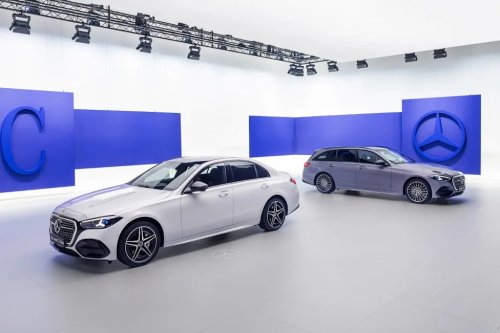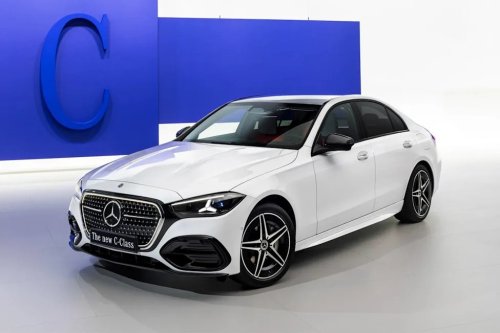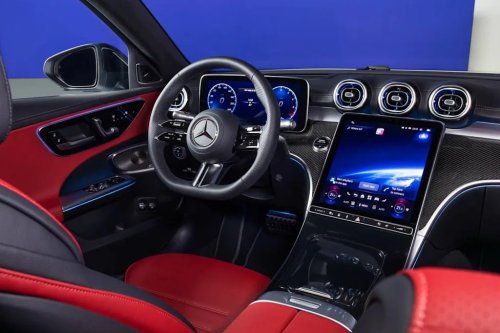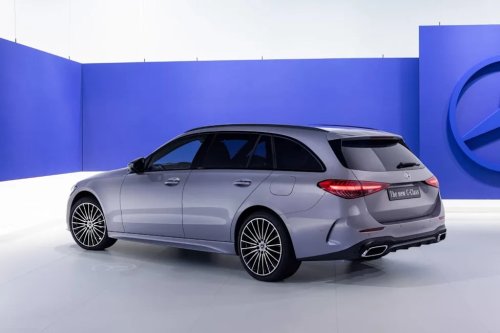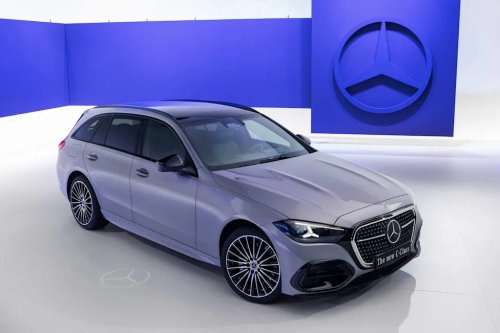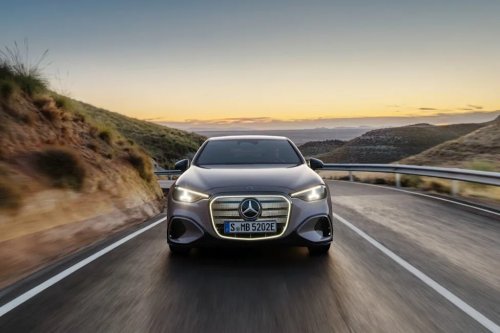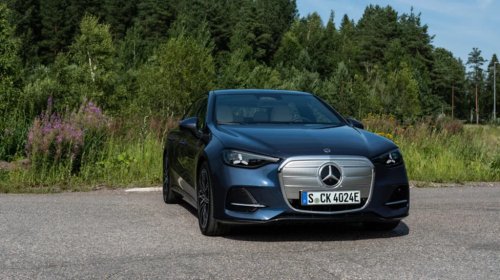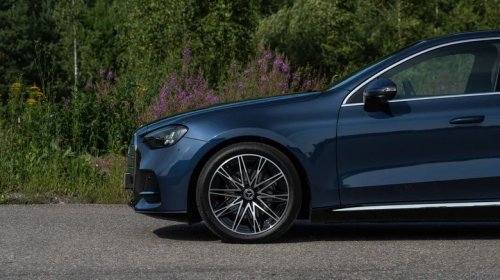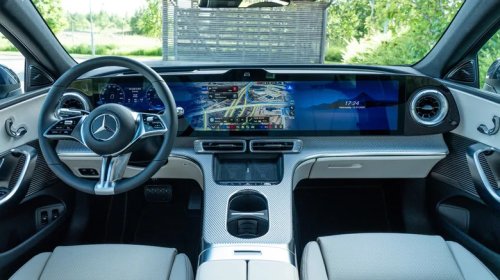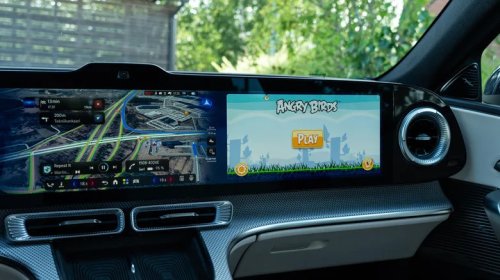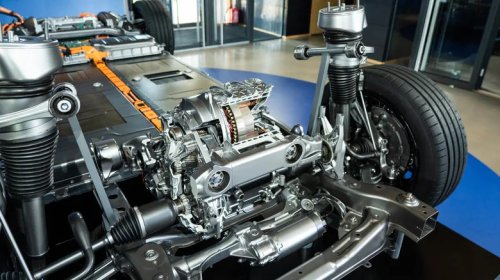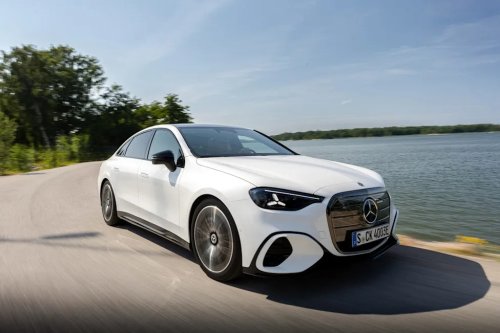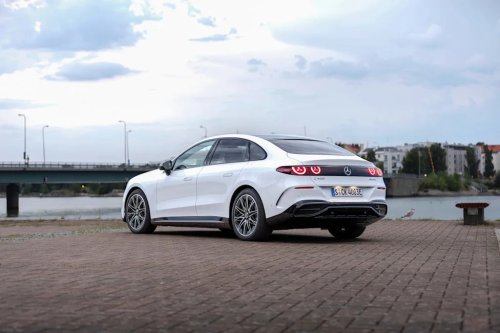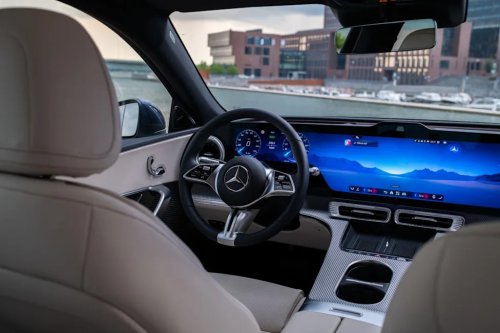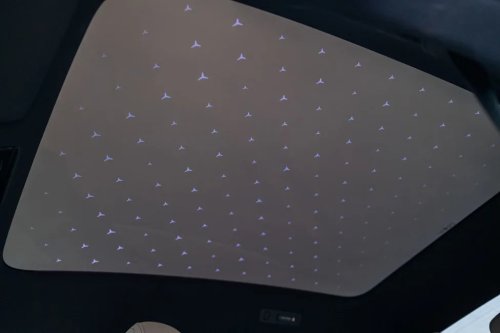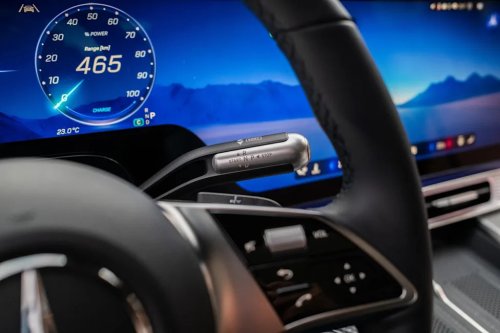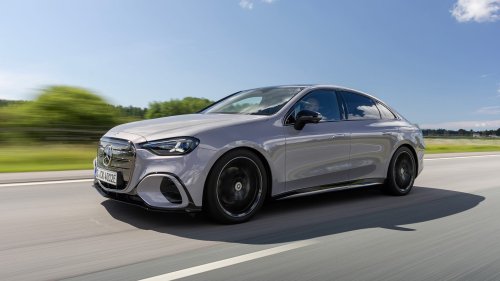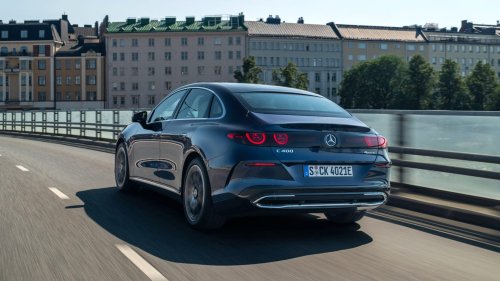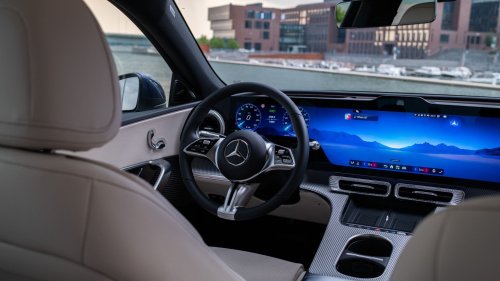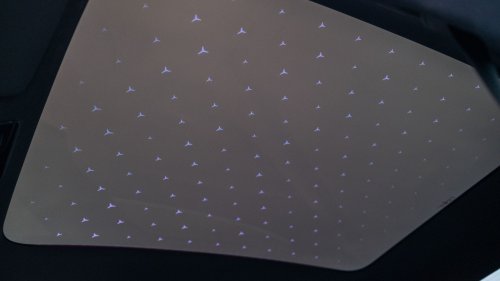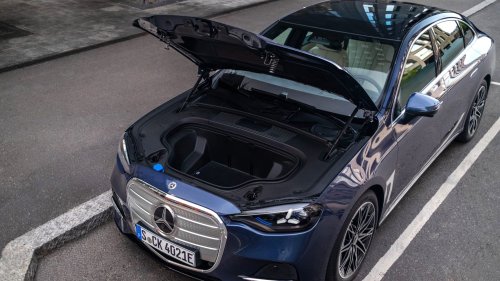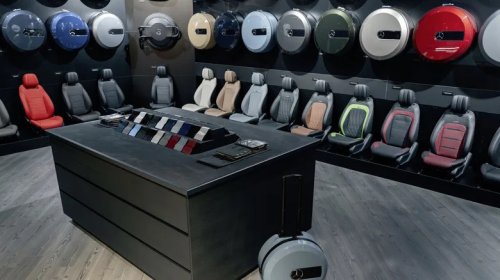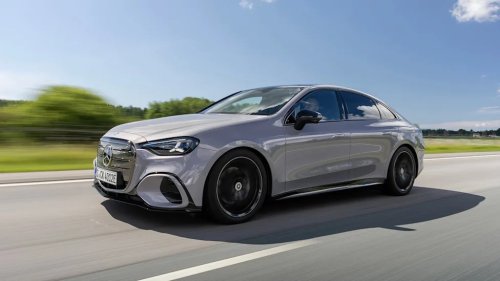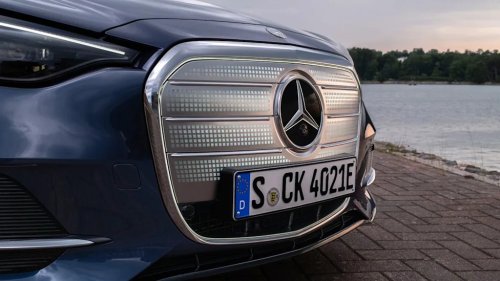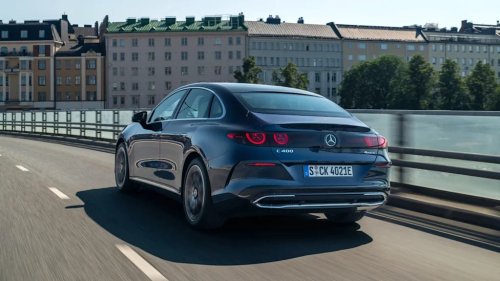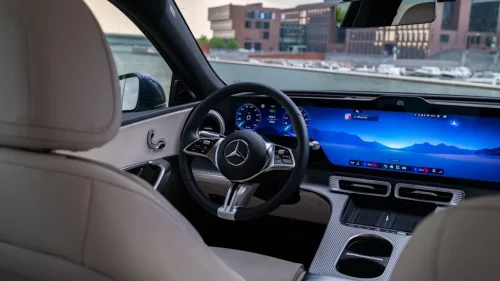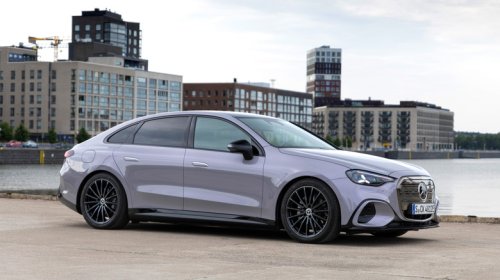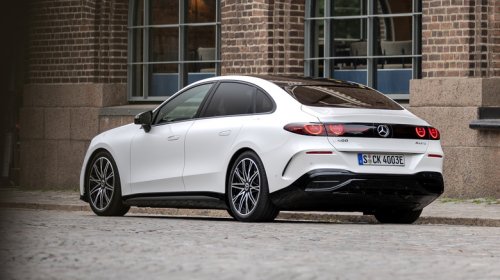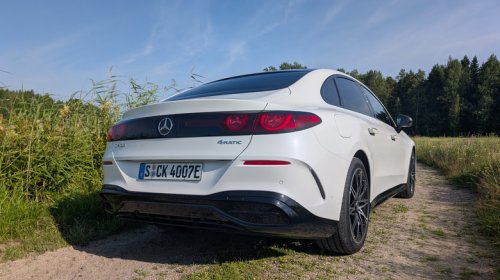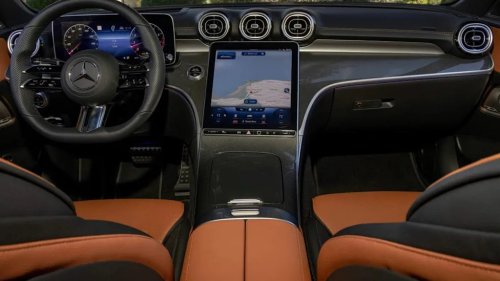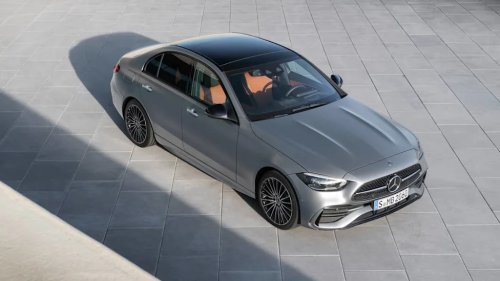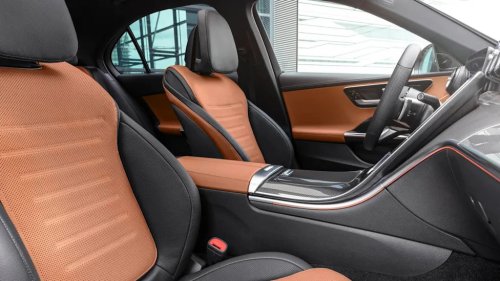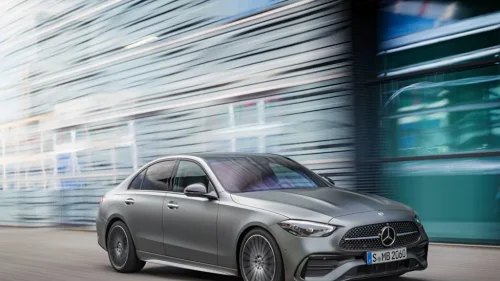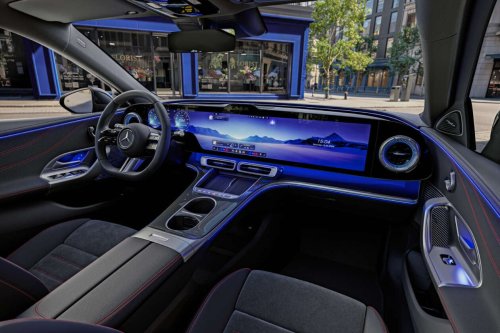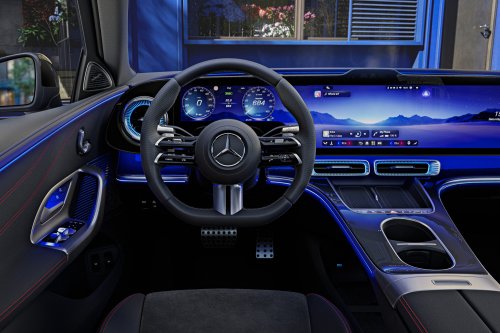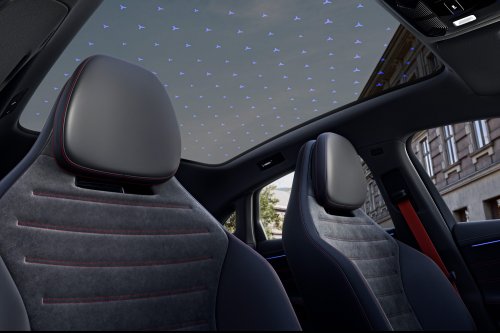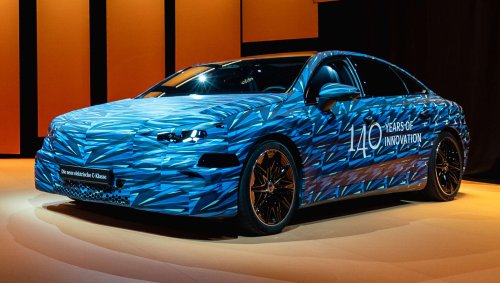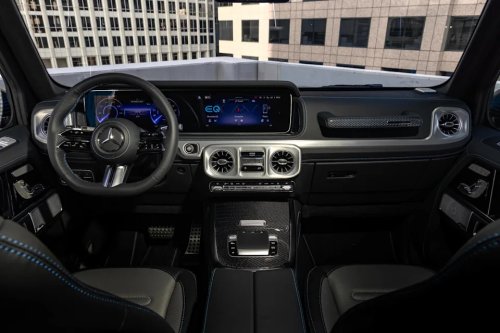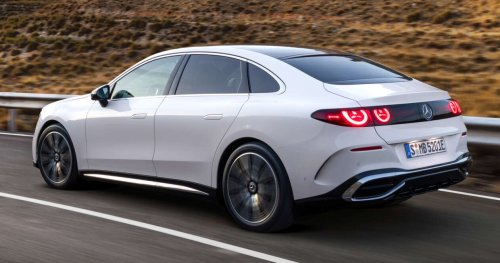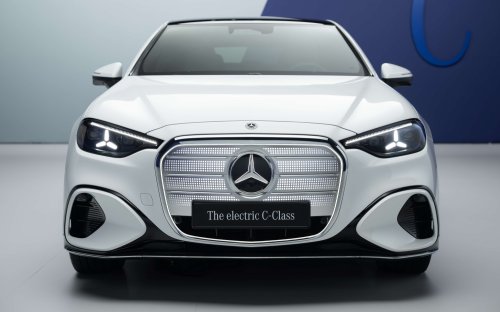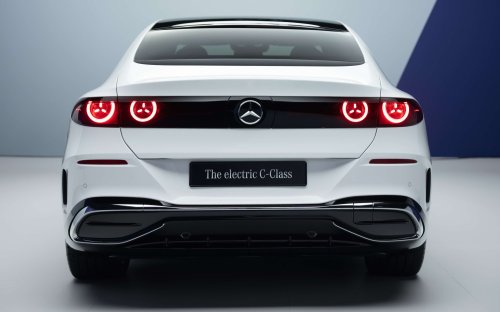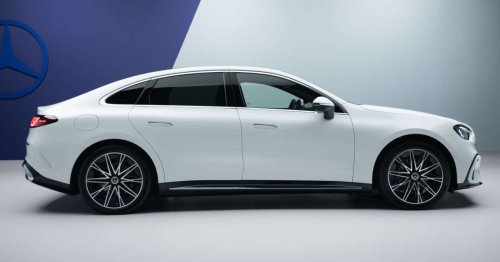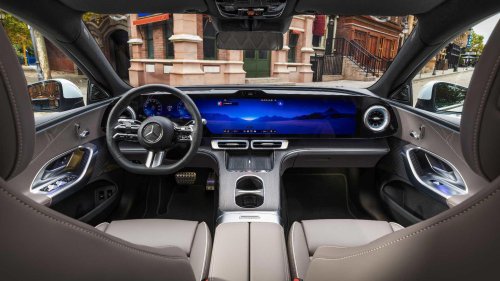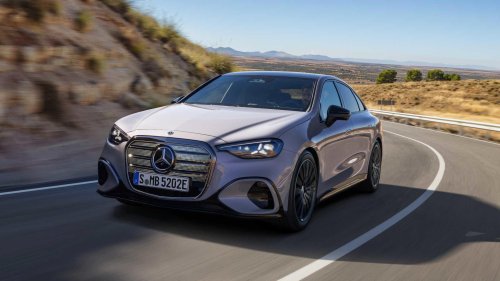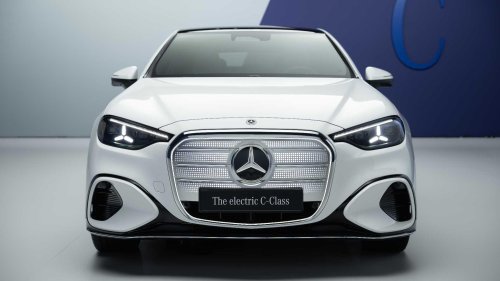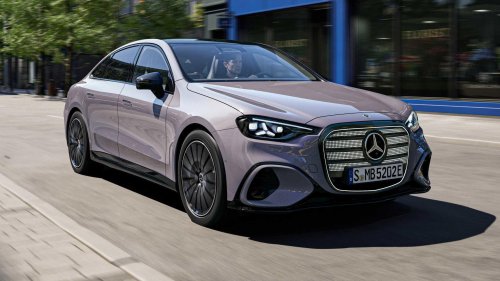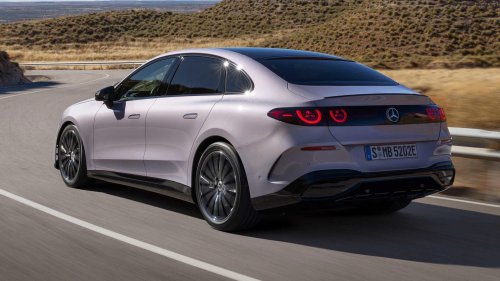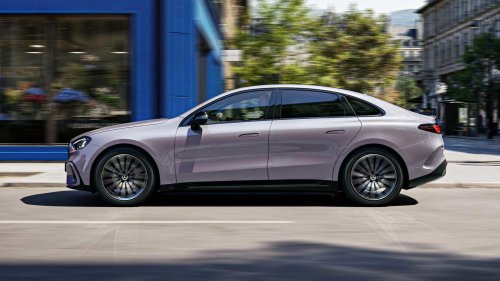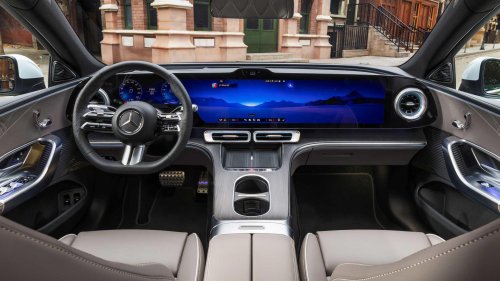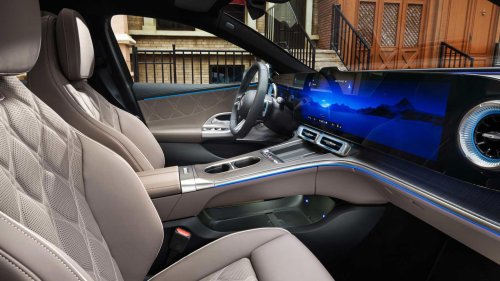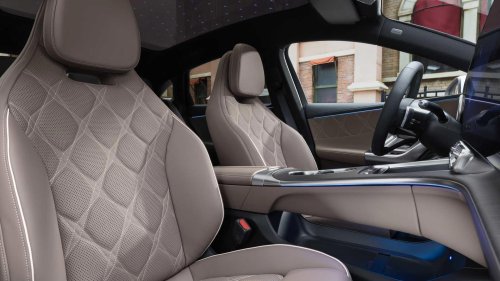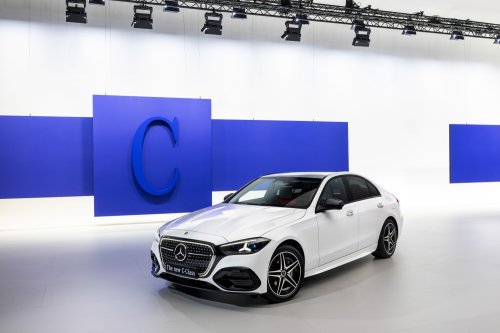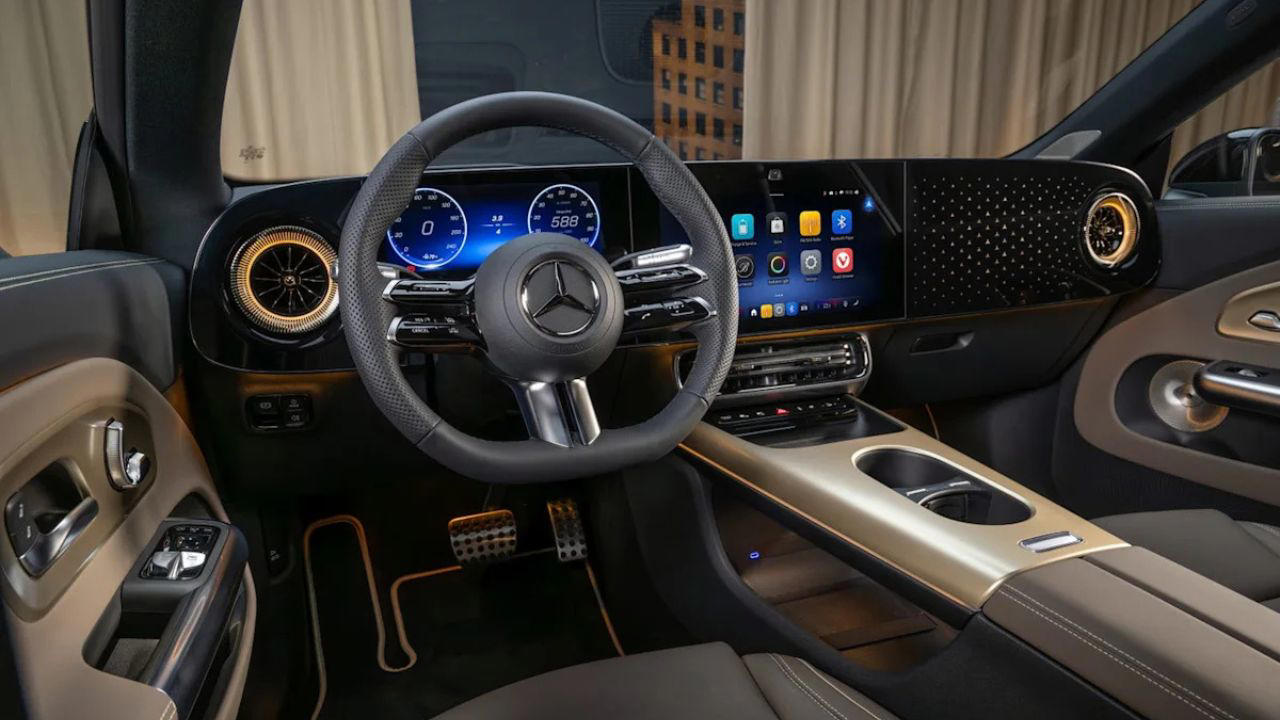



















Mercedes C-Class EV interior debuts with a 39.1-inch MBUX HyperscreenMercedes-Benz has pulled the wraps off the cabin of its upcoming C-Class EV, and the centerpiece is impossible to miss: a 39.1‑inch MBUX Hyperscreen that stretches across the dashboard and turns the compact executive sedan into a rolling display case for the brand’s software ambitions. The new interior leans heavily on digital surfaces, ambient lighting and recycled materials to signal where the next generation of Mercedes luxury is headed. Although the production car is still on the way, the interior reveal offers a clear preview of how Mercedes plans to differentiate its smaller electric models from both the combustion C-Class and rivals in the crowded premium EV segment. Here, the emphasis falls on tech, comfort and efficiency, all wrapped in a package that still feels recognisably like a Mercedes. What happened The new C-Class EV, previewed as the electric counterpart to the long-running C-Class sedan, arrives with a dashboard dominated by that 39.1‑inch MBUX Hyperscreen. According to early interior briefings, the unit combines multiple displays under a single glass panel, with a driver cluster, a large central touchscreen and a passenger display integrated into one sweeping surface. Coverage of the reveal highlights that the screen architecture is tailored specifically for this car, rather than simply lifted from larger models, to better suit the footprint of a compact sedan and its ergonomics for both front occupants, as outlined in cabin details. Compared with the current combustion C-Class, which uses a more conventional portrait central display, the electric version’s interior is almost entirely rethought. Slim, horizontal air vents sit above the Hyperscreen, and physical switchgear is pared back to just a few key controls. Reports on the interior launch describe a cabin that leans into clean surfaces, a floating center console and a steering wheel with capacitive controls, all framed by extensive LED ambient lighting strips that run along the dash and doors to visually connect the displays with the rest of the cockpit. Material choices also mark a shift. The C-Class EV is expected to use a mix of recycled and renewable materials in its seats, door cards and trim pieces. Interior descriptions reference textiles made from secondary raw materials and trim options that include open‑pore wood with backlit patterns, alongside more traditional gloss finishes. The result is a cabin that aims to feel both familiar to existing Mercedes customers and aligned with the sustainability messaging that surrounds the company’s electric lineup. Beyond design, the Hyperscreen runs the latest generation of MBUX software, with an emphasis on personalization and context‑aware shortcuts. The system is designed to learn driver habits, surfacing commonly used functions, navigation destinations and media choices without forcing users to dig through menus. Voice control remains central, and the passenger display can be used independently for media or navigation, with safeguards to prevent driver distraction. Reports on the C-Class EV interior note that the software stack is shared in concept with other recent Mercedes EVs, but the layout and graphics are tuned for the smaller screen real estate and the more compact cabin footprint described in interior previews. The C-Class EV sits on Mercedes-Benz’s next‑generation electric architecture for smaller vehicles. Technical outlines indicate that this platform is designed for rear‑ and all‑wheel drive configurations, with a flat battery pack under the floor and electric motors mounted on one or both axles. While full powertrain specifications for the C-Class EV remain under wraps, early product planning details suggest a spread of outputs to mirror the combustion C-Class range, from more efficiency‑focused variants to performance‑oriented models. These expectations are consistent with broader strategy documents on the upcoming compact electric range, including the position of the C-Class EV as a core model in Mercedes’ transition to battery power, as summarized in model details. The interior reveal also positions the C-Class EV in relation to the brand’s other recent electric debuts. Earlier this year, Mercedes used a major tech showcase to present the electric GLC, a mid‑size SUV that shares several interior themes with the C-Class EV, including a large central display, advanced driver assistance systems and extensive ambient lighting. Coverage of that launch points to a consistent design language across the new electric family, with the GLC EV’s cabin serving as a reference point for materials, seat design and interface logic that now appear in the C-Class EV as well, as seen in the electric GLC debut. Why it matters The C-Class has long been one of Mercedes-Benz’s global bestsellers, a gateway into the brand for private buyers and fleet customers alike. Turning that nameplate into a fully electric model with a tech‑heavy interior is not just a design exercise, it is a statement about where Mercedes expects mainstream premium buyers to go over the next product cycle. By putting a 39.1‑inch Hyperscreen into what is effectively a compact executive sedan, Mercedes is betting that customers in this segment now see software and display real estate as central to perceived luxury. That strategy was already visible in larger models like the EQS and the EQE, but those cars occupy higher price brackets and lower volumes. Bringing similar technology into the C-Class EV suggests a push to normalize expansive digital dashboards in more attainable models. Analysts looking at the C-Class EV’s positioning have noted that the Hyperscreen is not only a visual centerpiece, it is also a revenue platform. Over‑the‑air software updates, subscription‑based features and downloadable apps can all be delivered through MBUX, turning the interior into a long‑term touchpoint for services rather than a one‑time hardware sale. The interior also signals how Mercedes intends to compete with rivals from Tesla, BMW, Audi and a growing list of Chinese manufacturers. Tesla’s Model 3 and Model Y rely on a single central screen and a minimalist cabin, while BMW’s latest i3 and i4 feature curved display panels that merge instrument and infotainment screens. By opting for a full‑width Hyperscreen in the C-Class EV, Mercedes is carving out a distinct visual identity that blends digital abundance with a more traditional luxury feel, including ambient lighting, intricate seat designs and material variety that some rivals lack. At the same time, the C-Class EV does not exist in isolation. The recent introduction of the electric GLC, revealed with a focus on long‑range capability and premium cabin appointments, underlines that Mercedes is building an entire family of EVs that share software and user experience elements. Reports from the Munich motor show highlight that the GLC EV targets a range of 713 km on the WLTP cycle, a figure that demonstrates how seriously Mercedes is taking efficiency and battery performance in its mid‑size SUV, as detailed in range claims. That same engineering mindset is expected to influence the C-Class EV, which will need competitive range and charging speeds to match its high‑tech interior. The emphasis on recycled and renewable materials in the C-Class EV’s cabin also reflects regulatory and consumer pressure. European markets in particular are tightening requirements around lifecycle emissions and recyclability. By integrating secondary raw materials into visible touchpoints like seat fabrics and trim, Mercedes can both reduce the environmental footprint of the car and offer a tangible story to buyers who increasingly ask how a vehicle is built, not just how it drives. This approach mirrors what the company has already showcased in the electric GLC, where interior descriptions highlight the use of sustainable materials alongside traditional leather and wood, as seen in reports on the GLC EV interior. From a market perspective, the C-Class EV’s interior reveal arrives at a time when premium brands are recalibrating their EV strategies. Some manufacturers have slowed or reshaped electric rollouts in response to cost pressures and uneven demand. Mercedes, however, appears committed to a broad electric portfolio, using models like the C-Class EV and GLC EV to anchor its presence in core segments. The investment in the Hyperscreen and associated software suggests that the company sees long‑term value in a strong digital platform, even if short‑term margins are challenged by battery costs and price competition. The cabin design also has implications for driver assistance and safety. A wide digital surface allows for more flexible presentation of information, from navigation to adaptive cruise control status and lane‑keeping visuals. In the electric GLC, Mercedes has already integrated advanced assistance systems that can display detailed lane graphics, traffic sign recognition and route‑based speed recommendations. The C-Class EV is expected to offer a similar suite, using the Hyperscreen to make complex data more digestible for the driver. That could become an important differentiator as regulators scrutinize semi‑automated driving features and demand clearer human‑machine interfaces. There is also a brand identity angle. The combustion C-Class has traditionally balanced sportiness and comfort, with interiors that leaned more toward classic luxury than tech showcase. Moving to a Hyperscreen‑centric cabin risks alienating some traditional buyers who prefer physical buttons and analog gauges. At the same time, it opens the door to younger or more tech‑oriented customers who might otherwise gravitate toward Tesla or newer Chinese brands. Mercedes appears to be threading that needle by keeping familiar design cues, such as turbine‑style vents and sculpted seat shapes, while letting the display dominate the visual field. The C-Class EV’s interior can also be read in the context of how Mercedes differentiates between its sedan and SUV EVs. Coverage of the 2027 GLC EV interior, for instance, shows a layout that emphasizes a tall center console and a more upright seating position, with a large central screen but not a full‑width Hyperscreen, as described in GLC EV previews. By contrast, the C-Class EV’s low, wide dashboard allows the 39.1‑inch unit to sit closer to the driver’s line of sight and stretch across the cabin, reinforcing the idea that sedans remain the canvas for Mercedes’ most dramatic digital interiors. What to watch next With the interior now public, the next milestones for the C-Class EV will center on final exterior design, powertrain specifications and market rollout timing. The company has outlined a broader compact EV roadmap that includes not only the C-Class EV but also related models on the same architecture. Analysts expect the production version to arrive with a range of battery sizes and motor outputs, likely including a rear‑drive base model optimized for efficiency and an all‑wheel‑drive variant with higher performance. Official confirmation of these details will clarify how the car stacks up against competitors like the Tesla Model 3, BMW i4 and Audi A4‑sized EVs. Pricing will be another key variable. The Hyperscreen and advanced driver assistance systems are expensive components, and Mercedes will need to balance the desire to showcase cutting‑edge tech with the realities of the compact executive segment, where fleet buyers and company car schemes are sensitive to total cost of ownership. Observers will be watching how Mercedes structures trim levels and option packages, and whether the Hyperscreen is standard across the range or reserved for higher‑spec variants, with smaller displays offered on entry models. More from Fast Lane Only Unboxing the WWII Jeep in a Crate 15 rare Chevys collectors are quietly buying 10 underrated V8s still worth hunting down Police notice this before you even roll window down