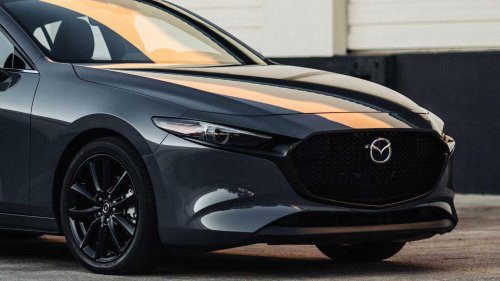
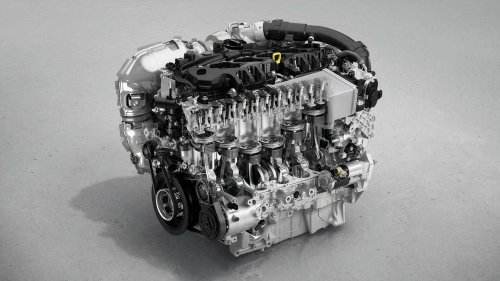
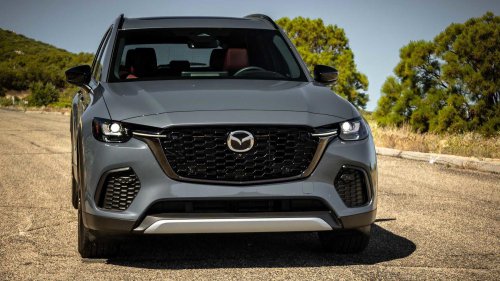
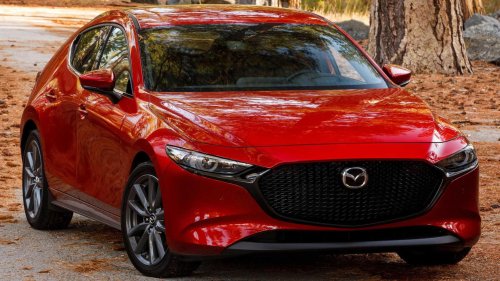
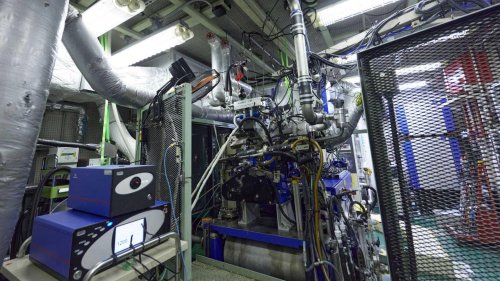
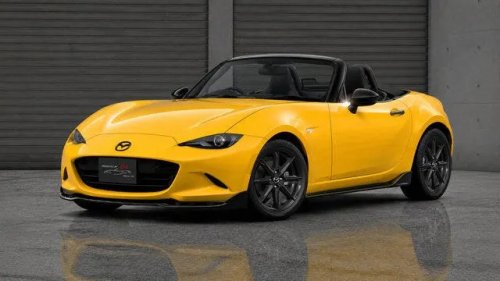
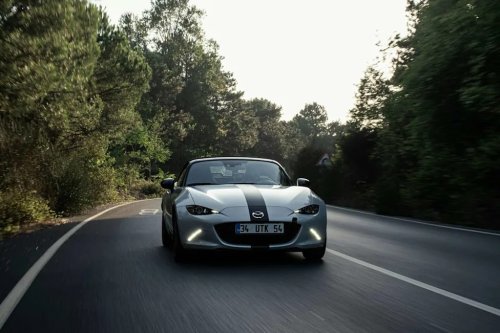
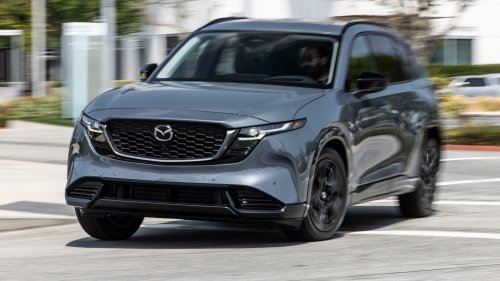
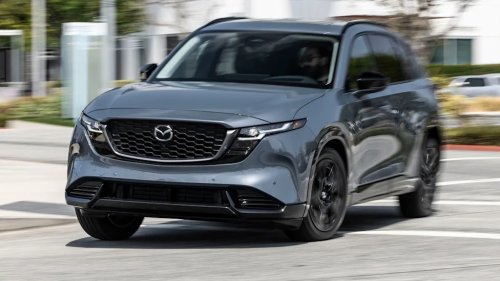
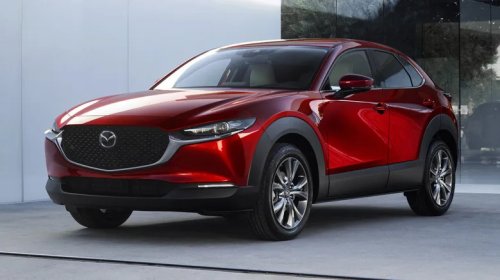
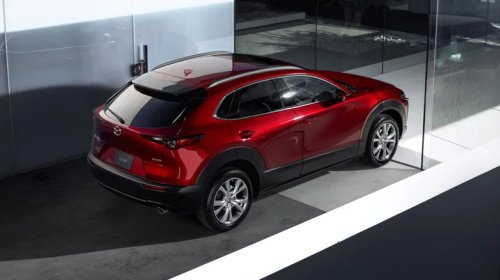
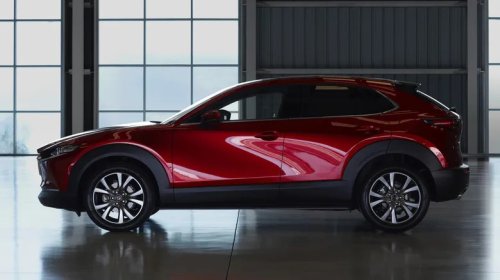
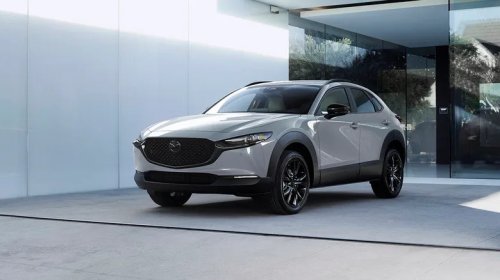
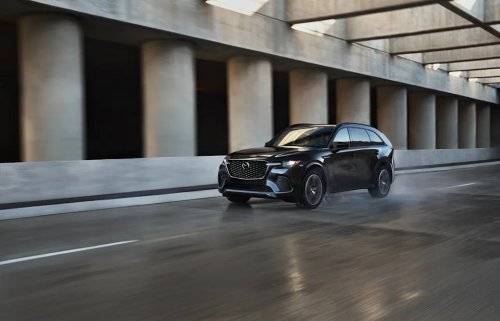
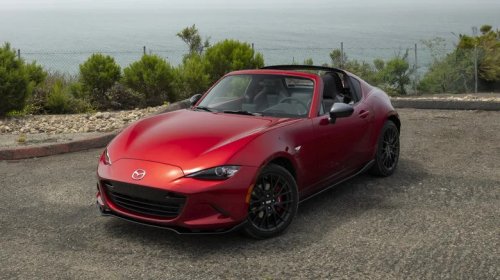
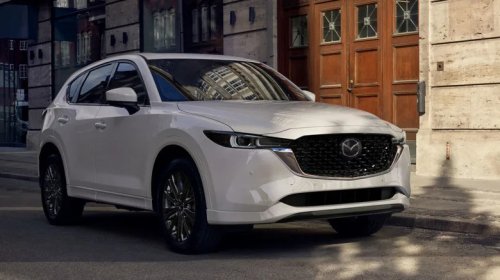
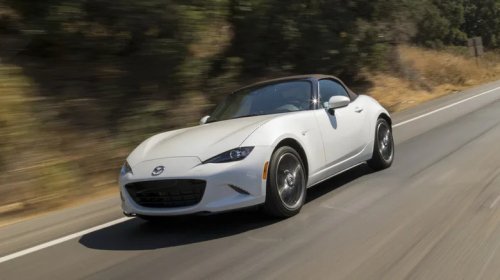
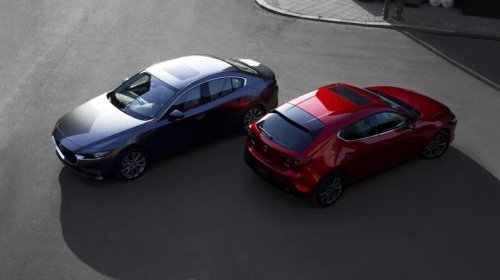
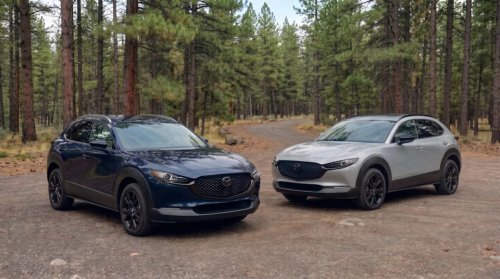
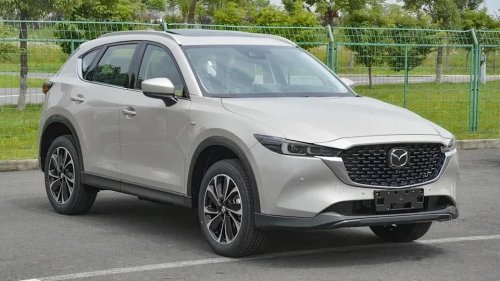
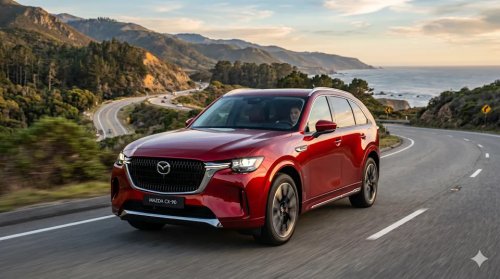
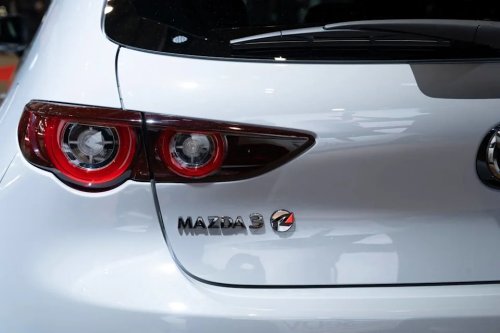
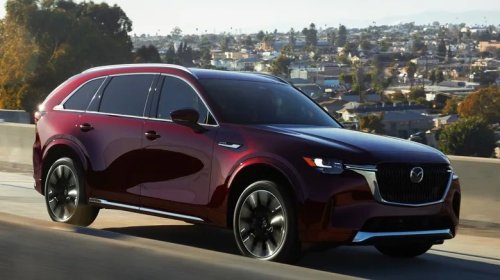
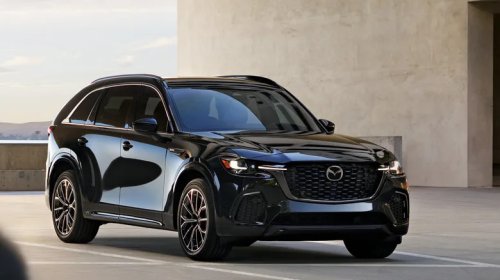
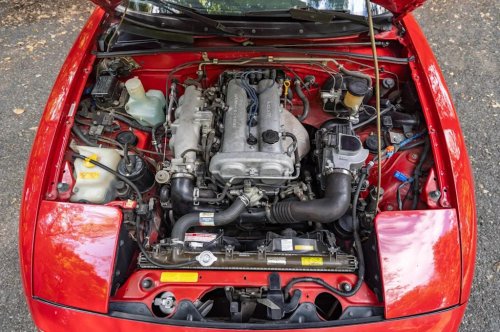
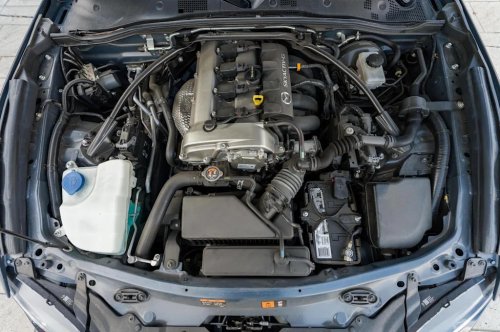
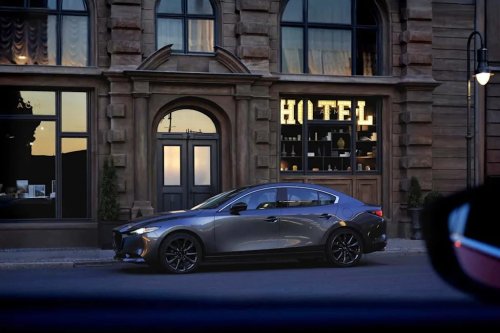
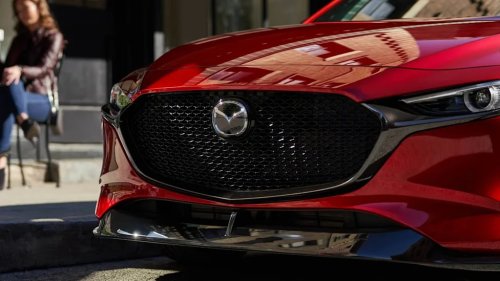
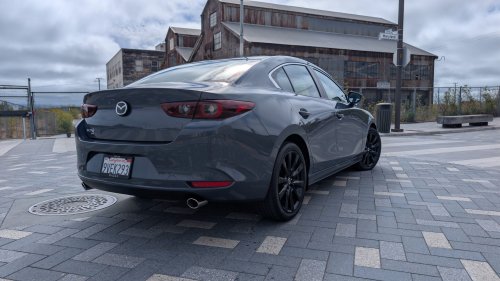
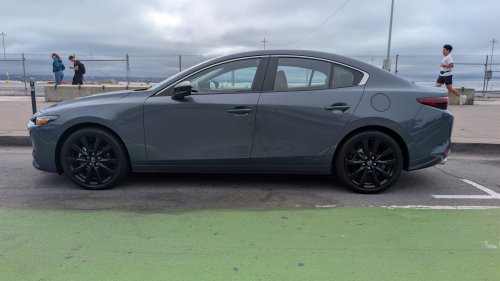
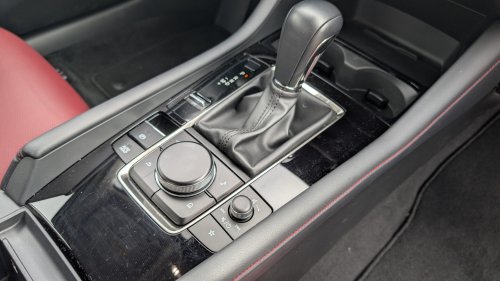
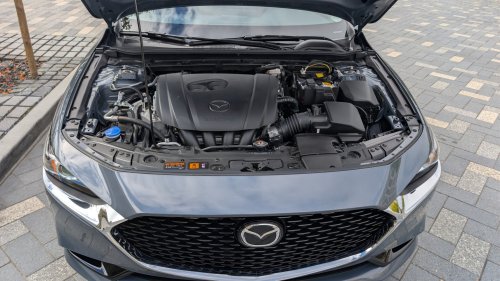
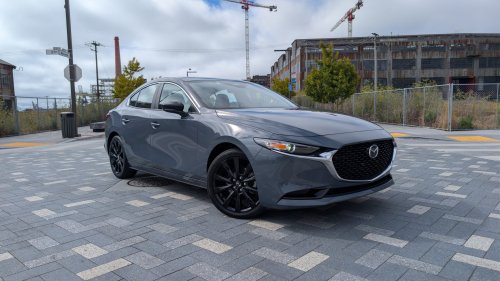
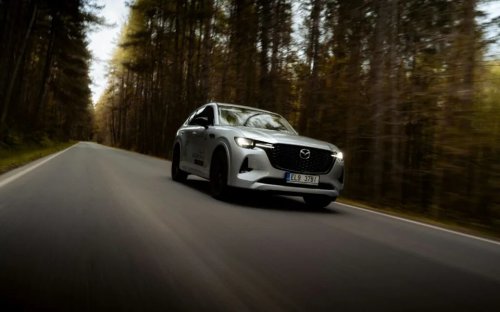
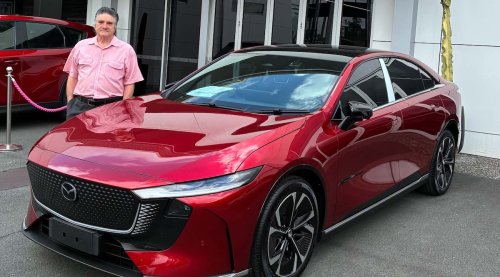
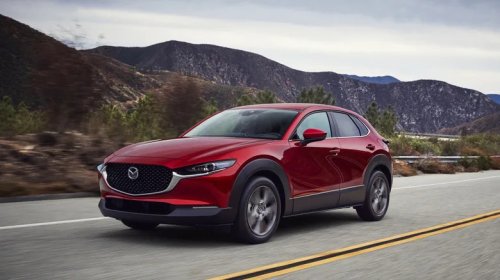
Much has been made of Toyota's stubborn love for hybrids when most other OEMs were chasing full electrification. But another Japanese manufacturer has also been navigating a different road, by showing its support for internal combustion instead. Mazda didn't care that the industry was opting for smaller turbocharged gas engines or marching steadily toward full electrification.Instead, it put a lot of real engineering effort into some naturally aspirated four-cylinders with unusually high compression ratios. In doing so, it created one of the most distinctive engine lineups in the business in the form of the Skyactiv-G family. And it did more than simply rethink how a gas engine should operate, expanding from naturally aspirated engines into turbo applications too. These engines would redefine the driving character of modern-day Mazdas and the company stubbornly continues to perfect its craft, even while chaos ensues all around it. Mazda Refused To Make The Gas Engine Anonymous MazdaFor many years, mainstream automakers have increasingly treated the combustion engine as a problem child that they somehow needed to constrain. They’d shrink displacement and add turbo boost to make up for any downturn, tinker with the regulations, and then move on to something for the future. But Mazda wasn't having any of that. When it introduced its Skyactiv technologies in 2010, it certainly wasn't treating the gasoline part of that plan as a compromise in a transitional era. Instead, Skyactiv represented a serious attempt to make a conventional gas engine more efficient, with more usable torque, and involving some deep mechanical changes.The first Skyactiv-G headline centered around the 13.0:1 compression ratio (in North America), which Mazda claimed was the world's highest for a mass-production gas engine at the time. Mazda also paired this development with a 4-2-1 exhaust manifold, cavity pistons, and multi-hole injectors to deal with knocking and make the high-compression concept feasible in normal road cars. The company claimed that these developments could bring around 15% gains in fuel economy and torque versus previous-generation vehicles, with better combustion overall leading to better drivability. Skyactiv-G Proved There Was Still Room To Improve Combustion Mazda If you listened to many industry titans in the early 2010s, you'd swear that internal combustion was on its deathbed. But Mazda's Skyactiv-G family told a different story, and the company clearly believed that progress could come from these old-fashioned engines without having to radically downsize. Instead, Mazda illustrated its clever work in areas like compression, air flow, injection, thermal efficiency, or low-end response to bring measurable gains in the real world.In current Mazda applications, the modern 2.5-liter Skyactiv-G engine produces 187 hp and 186 lb.-ft of torque. It has features like cylinder deactivation and i-Stop, which can push efficiencies without turning the engine into something joyless. In the CX-5 2.5-liter engine, this is the core powerplant, and the 2026 version of this mainstream crossover has a recalibrated version of the four-cylinder working alongside standard AWD.There's also a strong turbocharged branch of this family, and it has arguably made the broader market pay more attention to Mazda's work. With the 2.5T, Mazda introduced a dynamic pressure turbo setup, generating up to 250 hp and 320 lb.-ft of torque on premium fuel in vehicles like the Mazda3 Turbo or CX-30. The torque number is particularly interesting, coming down low in the rev range to suit everyday driving. It also helps Mazda preserve its reputation for strong, responsive road manners and all without chasing the kind of tiny-displacement, highly-strung turbo feel that was in favor elsewhere. The Family Evolved Well Beyond One Good Four-Cylinder Ian Wright / CarBuzz / Valnet For Mazda, Skyactiv-G was a broad combustion philosophy and not tied to a single engine success story. For example, you'd have the naturally aspirated 2.5-liter workhorse, the turbocharged 2.5T, or the Skyactiv-G 3.3-liter inline-six with mild hybrid assistance, of the kind you’d experience in the CX-70 and CX-90. Mazda also built an experimental bridge featuring Skyactiv-X and Spark-Controlled Compression Ignition. And all these innovations came down to the company's stubborn refusal to treat combustion development as a thing of the past.The inline-six may be especially important because it shows that Mazda didn't constrain its ambitious gasoline thinking to small cars alone. After all, the e-Skyactiv-G 3.3-liter turbo inline-six in the CX-70 and CX-90 can produce up to 340 hp, depending on trim, with solid torque output. And it also uses a 48V mild hybrid system, an eight-speed automatic, and standard AWD, which combine to present a premium powertrain in a very important crossover segment.Instead of building one clever naturally aspirated engine and being pleased with its work, Mazda used the underlying lessons carefully. It developed a platform for multiple kinds of gas performance, spanning mainstream efficiency, torque-rich crossover duty, compact car turbo punch and premium six-cylinder refinement. And that's quite an achievement for a relatively small automaker working in a very competitive industry. Mazda Turned Engine Philosophy Into Brand Identity Mazda Mazda created a recognizable dynamic identity through its work with Skyactiv-G and has been busy working on innovations in areas such as transmissions, chassis tuning, and vehicle response. And this may be why modern Mazdas feel more polished and more expensive than people might expect, with the engine family's broad torque delivery, natural throttle calibration, and lack of peaky, laggy behavior helping to paint that picture.The Mazda3 may be a perfect example of how the engine family can complement the rest of the car. In its current turbo form, this hatchback delivers up to 250 hp, with standard AWD, and a rush to 60 mph in as little as 5.6 seconds. You're got a car that’s peeking into hot hatch territory with its muscular, premium feel and a vehicle that now has a sterling reputation to boot.Across the board, Mazda's combustion engineering may have helped the company extract more brand value than many of its larger rivals. And if its buyers feel that modern Mazdas are unusually cohesive, it could be down to that engine family work. Those engines define why the vehicles feel the way that they do and may explain why Mazda's crossovers, in particular, feel somehow more deliberate than their average competitors. Skyactiv-Z Suggests That The Story Is Unfinished Mazda Skyactiv-G was Mazda's big success story in the 2010s and is undoubtedly an important part of the company's framing today. However, in 2026, Mazda may have even grander ambitions. In a Multi-Solution Briefing, Mazda has suggested that the next Skyactiv-Z 2.5-liter gasoline engine will soon arrive and meet stricter regulations, including Euro 7, LEV4, and Tier 4 in North America. It might bring improved real-world fuel economy and performance in the mass-market price band, and the next-generation CX-5 could include Skyactiv-Z as well as Mazda's own hybrid system.This means that Mazda is not simply defending combustion because of some starry-eyed nostalgia. It's now betting that smarter combustion, alongside the right level of electrification, has a significant future. It might even deploy Skyactiv-Z combustion improvement technologies to its large-platform inline-six engines and work on some rotary emissions improvement. And this means that the Skyactiv-G wasn't the end point for Mazda, as it could turn out to be the base layer for a longer campaign, championing the internal combustion engine.Many purists hope that the rattle and bang of the internal combustion engine can survive long into the future, and Mazda's Skyactiv-G family may give them some cautious optimism. Through some serious intellectual effort, Mazda has managed to keep its current products distinctive and valid, giving buyers genuinely usable performance, while creating a bridge to the next generation of hybrid-compatible gas engines.Skyactiv-G started out as an engineering challenge and matured into something much larger. In doing so, it's given the modern Mazda brand a strong mechanical identity and, crucially, a way to resist bland downsizing. This push also showed that Mazda's cars and crossovers can still be rewarding to drive, carrying combustion development forward when many rivals were already on the EV wagon. And with Skyactiv-Z looming on the horizon, Mazda may yet prove that this supposedly old technology can be entirely appropriate for the unknown times ahead.Sources: Mazda.