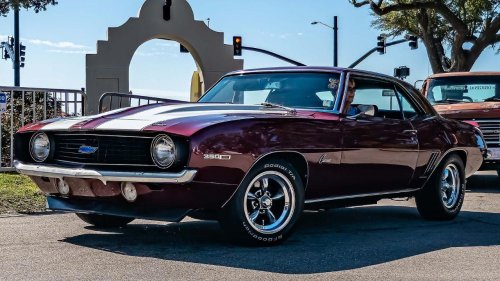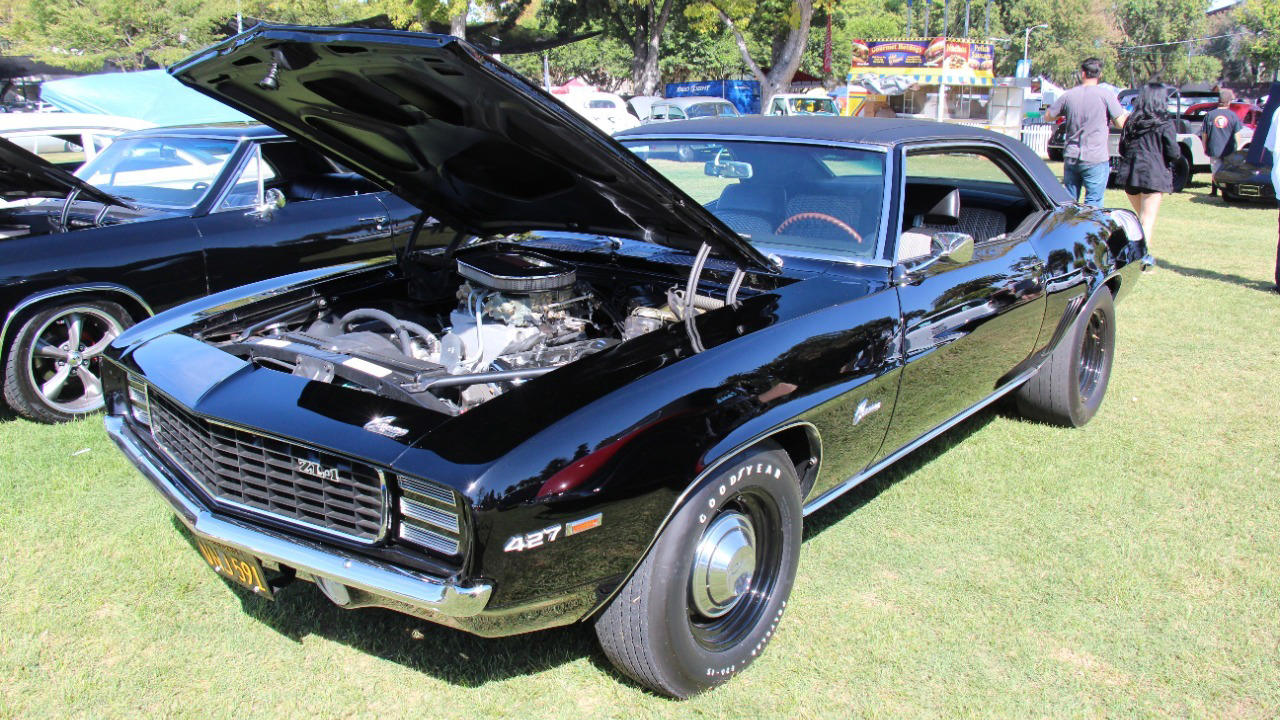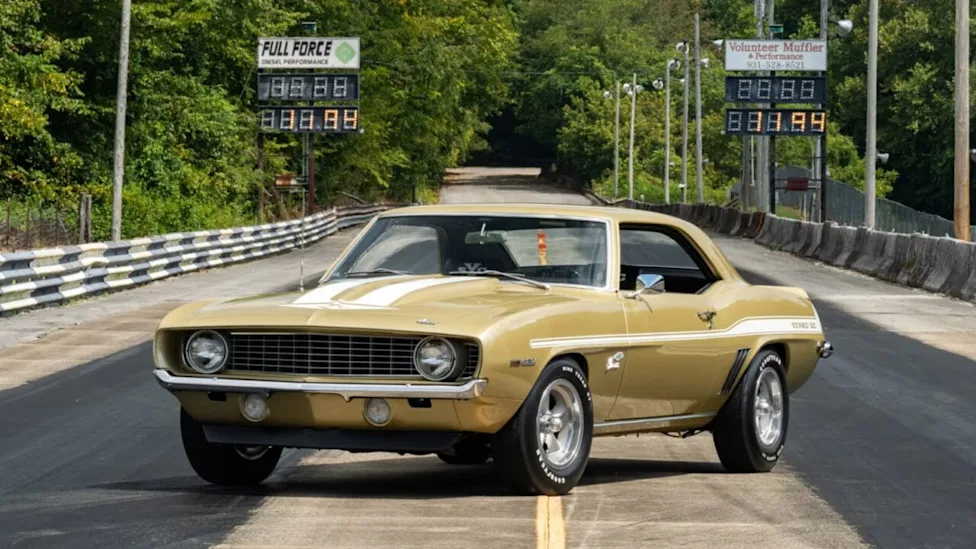
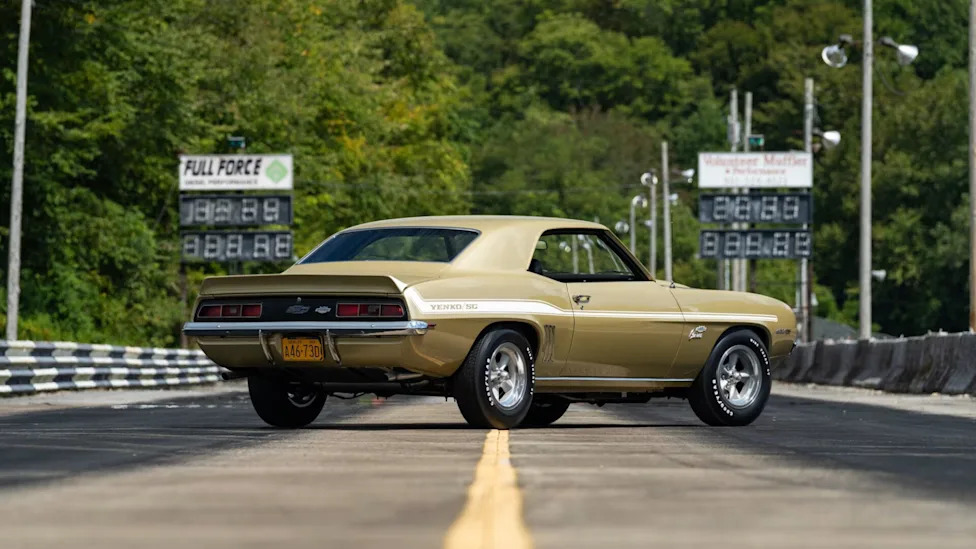
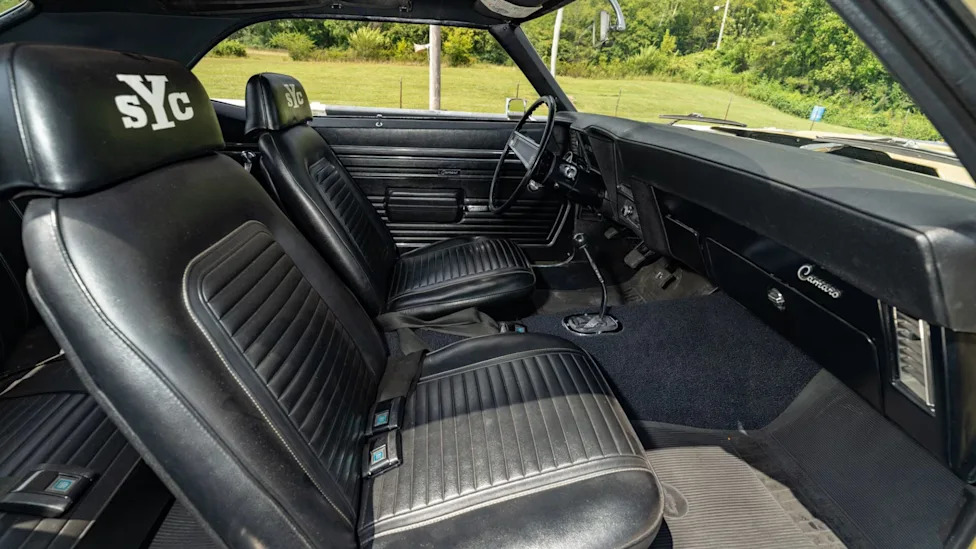



















Image Credit: Mecum.Ryan Snyder's Camaro collection is already unusual on sheer scale, with 41 examples gathered under one roof. According to the Muscle Car Campy YouTube channel and Mecum, however, one car stands above the rest: the first 1969 Yenko Camaro prototype test car.Snyder acquired the Olympic Gold prototype at Mecum Kissimmee 2026 for $1.815 million, setting a public-auction record for a Chevrolet Camaro. The price reflected far more than rarity, because this was the car used to help establish the 1969 Yenko Camaro program before regular customer cars followed.Its history includes magazine testing, drag-strip abuse, unusual pre-production details, and decades in the respected Cliff Ernst Collection. Remarkably, it also retains its original L72 427 V8 after spending part of its early life being driven exactly as a 427-powered Yenko was intended.AdvertisementAdvertisementFor Snyder, the acquisition also completed another chapter in a Camaro obsession that began with a far humbler car. He has said his first Camaro was a salvage-title 1994 V6, and roughly three decades later, his collection includes some of the most important examples Chevrolet enthusiasts could hope to own.This Was The Prototype For The 1969 Yenko CamaroImage Credit: Mecum.Don Yenko had already established a reputation for putting 427-cubic-inch engines into Camaros before the 1969 model year. Earlier conversions required significant dealership work, but Chevrolet's Central Office Production Order system eventually allowed Yenko to source factory-built cars with the L72 427 already installed.This prototype represents the beginning of that 1969 program. It was built under COPO 9561 with the 427/425-horsepower L72 V8 and also received the COPO 9737 Sports Car Conversion Package.Only 201 Yenko Camaros were built for 1969. Mecum states that just 10 were finished in Olympic Gold, with this example being one of two featuring white graphics and the only one documented with Atlas wheels installed through the dealership.AdvertisementAdvertisementBecause it preceded the regular production cars, the Camaro also carries several unusual details. Muscle Car Campy highlighted differences in badging and trim placement that do not match later Yenko examples, giving collectors additional evidence of its prototype status.A Magazine Drag Test Became Part Of Its HistoryThis Yenko was not protected from hard driving when new. Drag racer Ed Hedrick drove it during testing for Super Stock and Drag Illustrated, making six quarter-mile passes with slicks and open headers installed.The quickest run reportedly came in at 11.94 seconds at 114 mph. Those numbers were formidable in 1969 and helped demonstrate exactly why the combination of a lightweight Camaro body and Chevrolet's big-block L72 became so feared.The car was also photographed during its promotional life and appeared in period publications, including as a cover car for Drag Times. Documentation included with the Camaro now traces much of that history, ranging from Yenko paperwork to old racing photographs and magazine features.Its Original 427 Was Somehow RecoveredCliff Ernst acquired the Camaro in 1987 from original owner Ronald Welsh, although the car did not have its factory engine when it entered the Ernst Collection. The original L72 was later located in a Chevelle owned by someone nearby, allowing Ernst to reunite the engine with the prototype.AdvertisementAdvertisementThe Camaro subsequently underwent a comprehensive restoration and remains remarkably authentic in several important areas. Mecum lists the original engine, BE-code heavy-duty 12-bolt rear axle, trim tag, and interior among the components still retained by the car.Ernst's family kept the Yenko for nearly four decades. When part of the collection was eventually offered for sale following Ernst's death in 2024, the prototype was held back until Mecum Kissimmee 2026 because of its exceptional significance.Snyder Was Determined To Take It HomeImage Credit: Mecum.By the time the prototype reached the auction block, Snyder already understood Yenko Camaros well. His collection includes multiple examples, and he has assembled a group representing every factory color offered on 1969 Yenko Camaros.Snyder told Mecum he was almost certain he would leave the auction with the prototype regardless of where bidding went. The hammer eventually fell at $1.815 million, making it the most expensive Camaro publicly auctioned at the time.AdvertisementAdvertisementThe collection also includes another Rallye Green Yenko formerly associated with the Ernst family. Snyder had previously acquired that car's original engine and later bought the Camaro itself, giving him the opportunity to reunite another historic Yenko with its original powerplant.From A Salvage Camaro To A Record-Setting YenkoSnyder's first Camaro was worlds removed from the gold prototype now occupying his collection. His salvage-title 1994 V6 wore an inexpensive repaint and Z28 badges, yet it was apparently enough to begin an obsession that would eventually grow into a 41-car collection.The 1969 Yenko prototype is an appropriate centerpiece. It combines factory COPO history, Don Yenko's performance legacy, documented magazine testing, its original 427, and unusual prototype features into one of the most historically significant Camaros still in existence.Would you consider the first 1969 Yenko prototype the ultimate Camaro? Is $1.815 million justified for a car with this much documented history? If you could choose one Camaro from any generation for your own collection, which would it be? Let us know in the comments.If you want more stories like this, follow Guessing Headlights on Yahoo so you don't miss what's coming next.