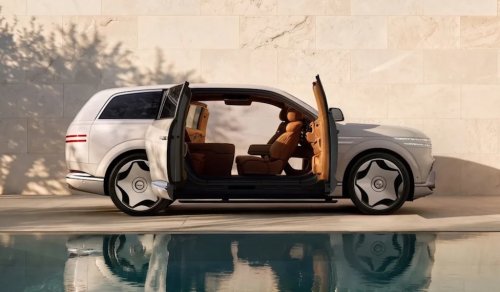
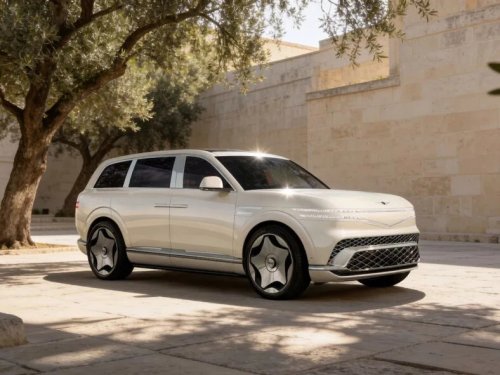
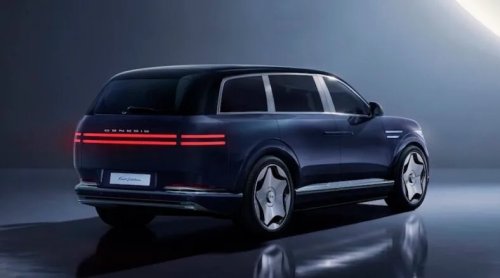
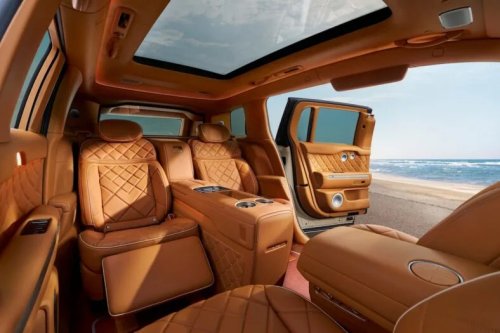
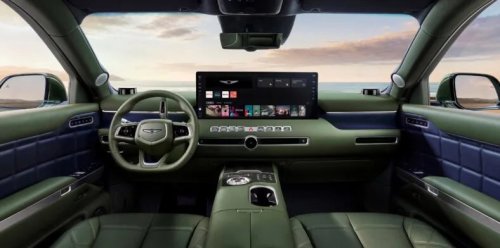
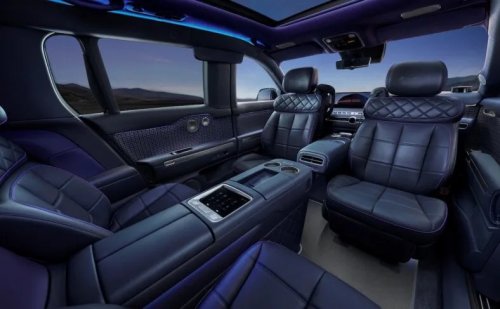
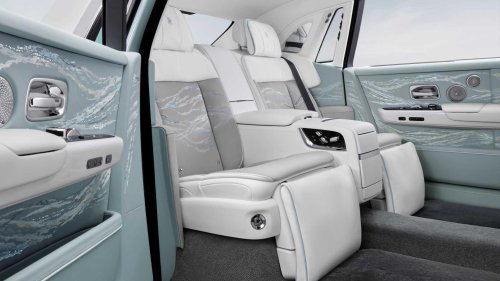
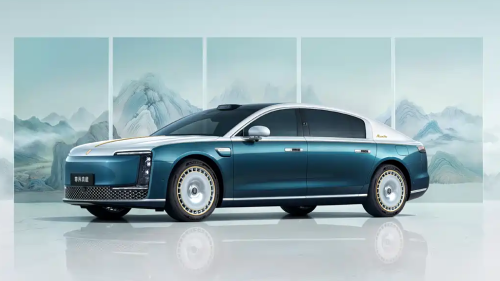
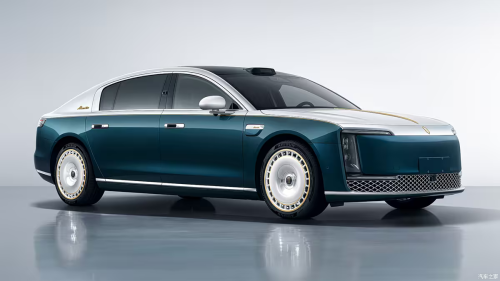
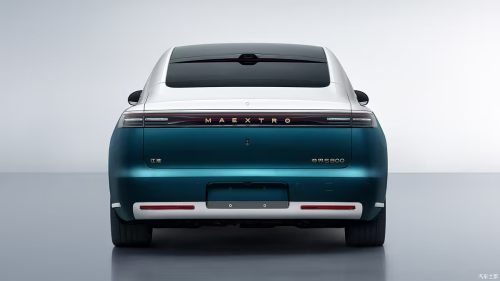
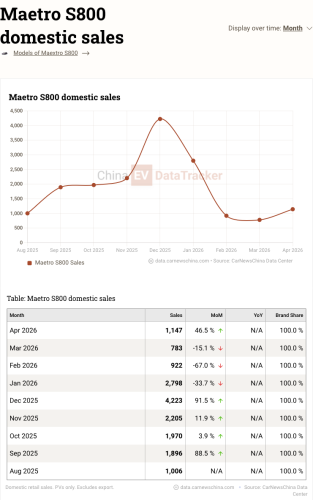
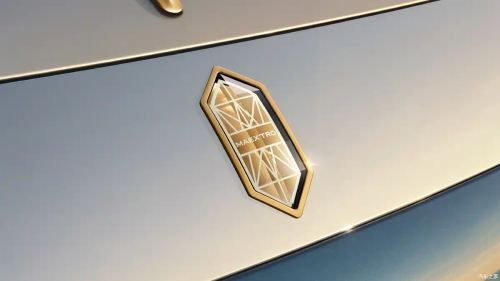
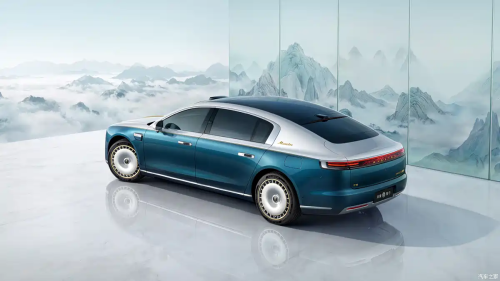
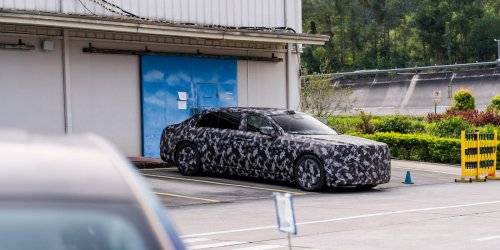
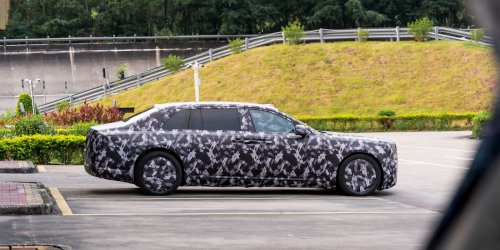
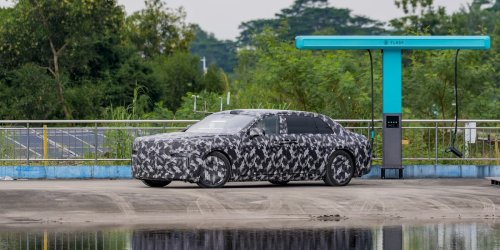
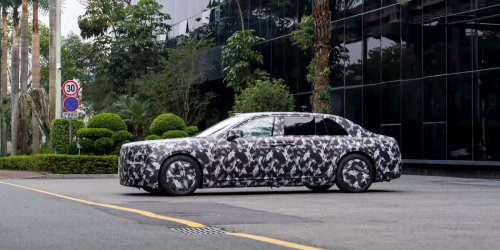
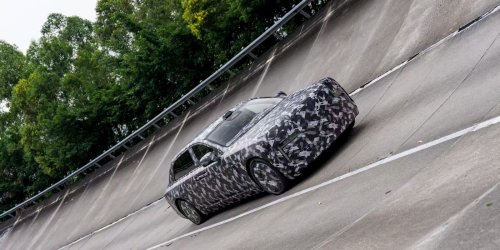
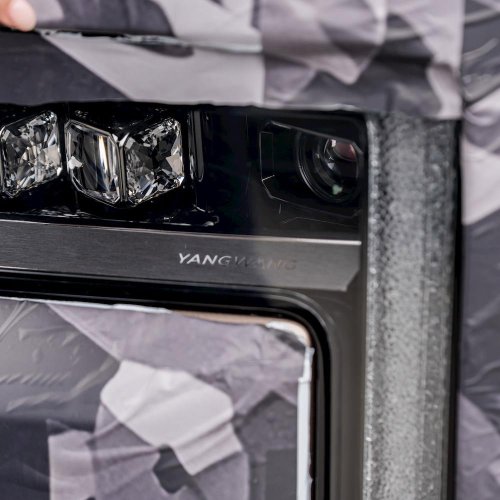
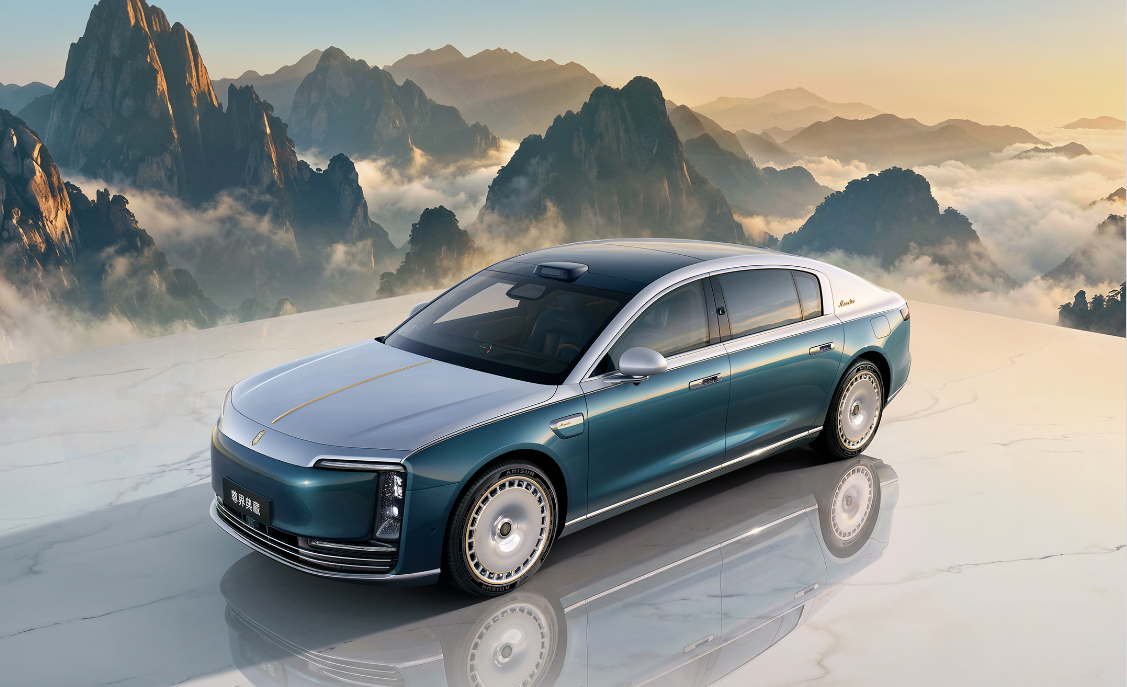
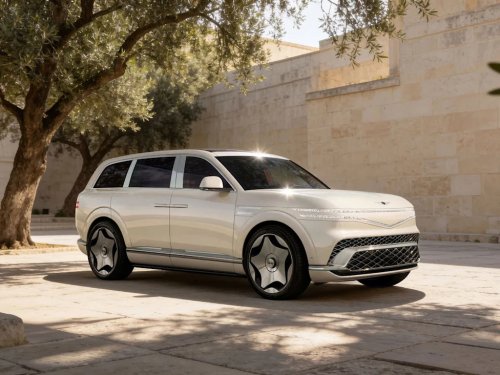
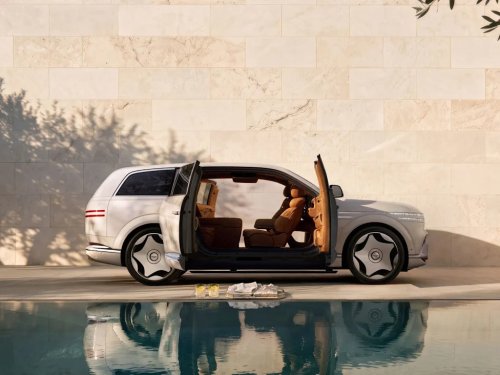
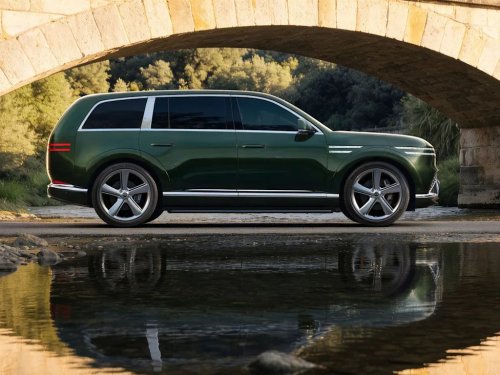
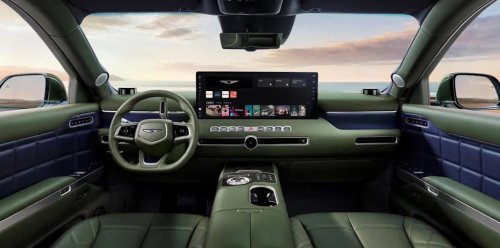
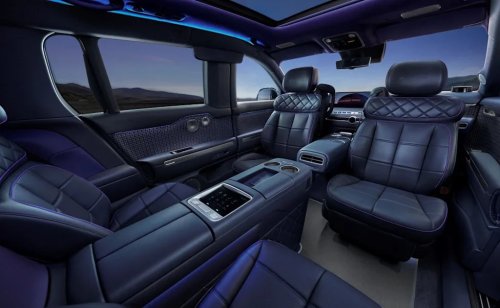
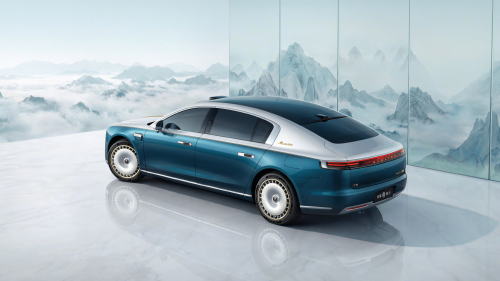
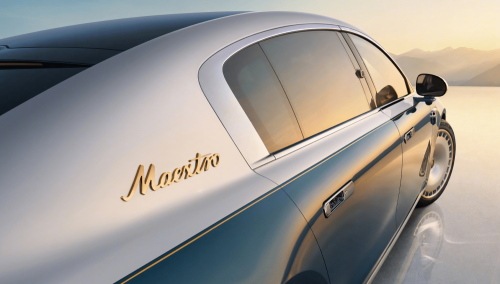
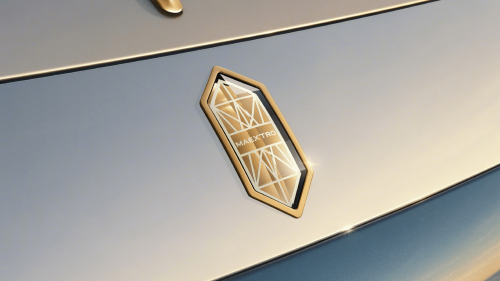
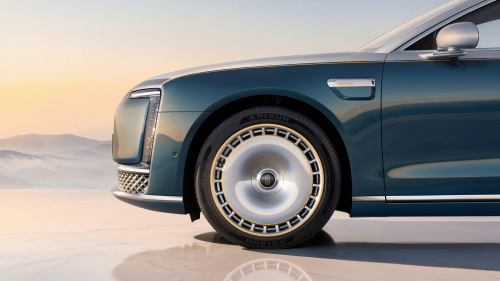
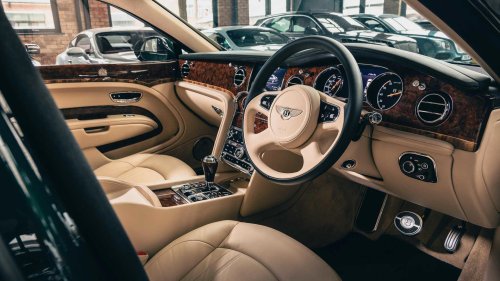
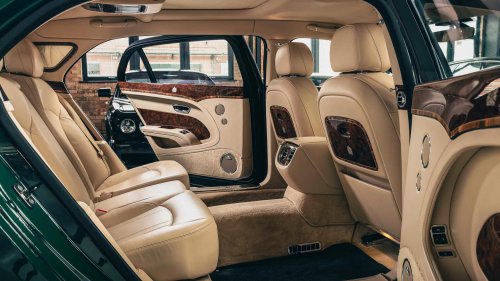
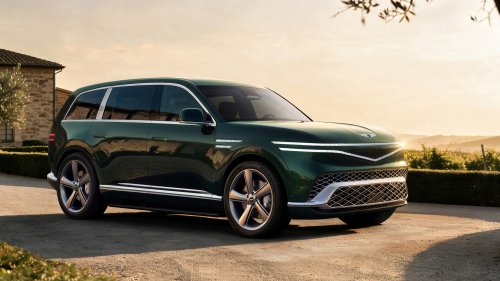
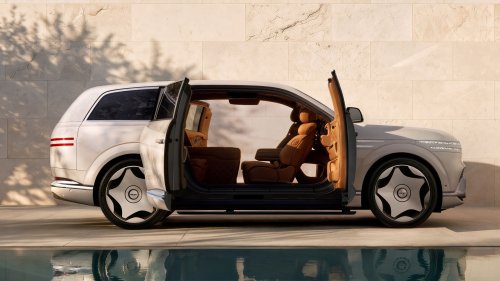
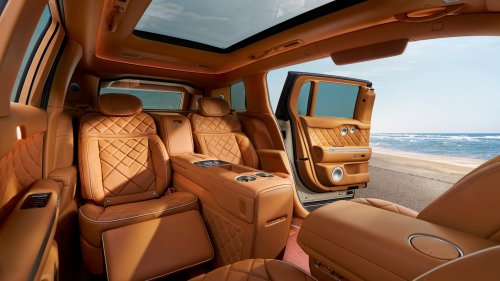
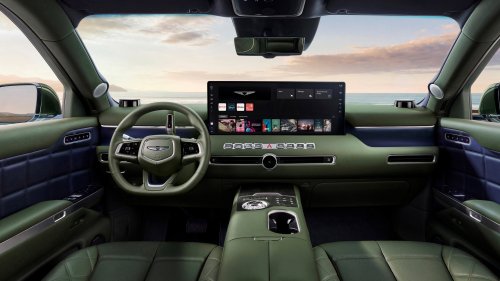
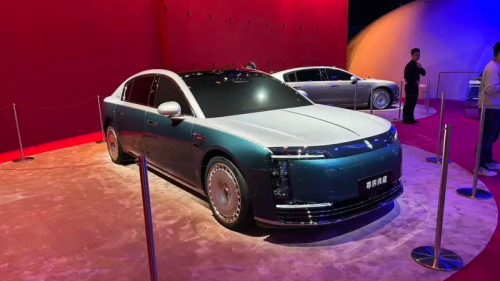
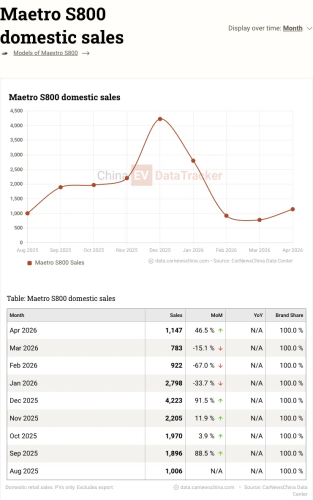
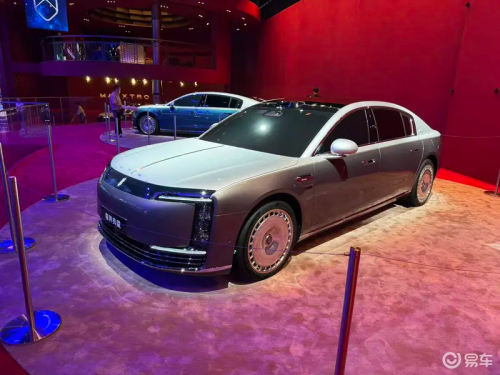
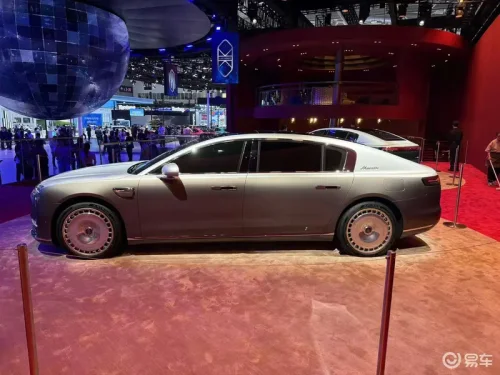
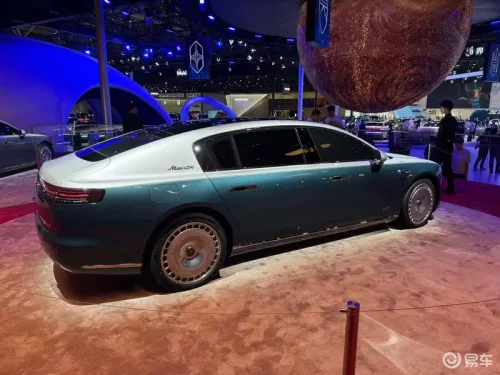
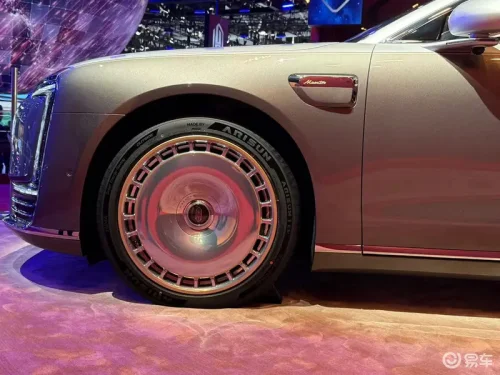
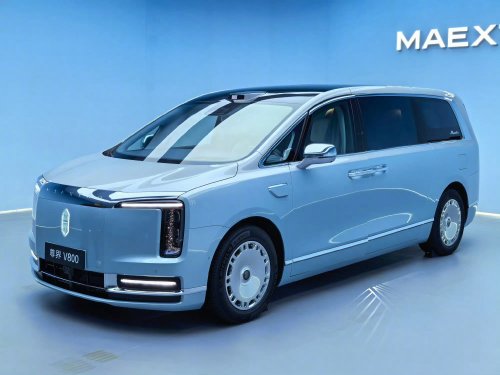
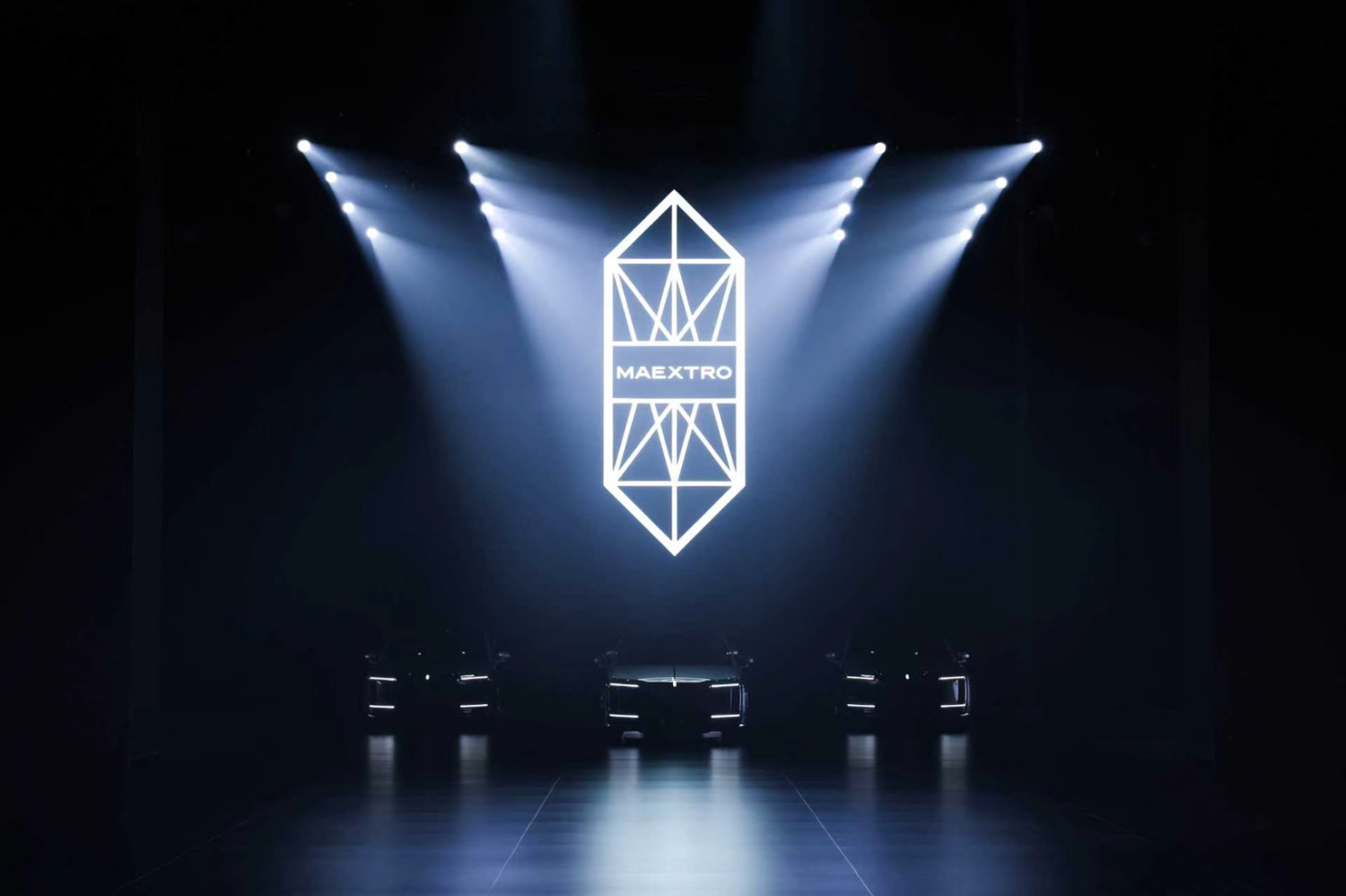
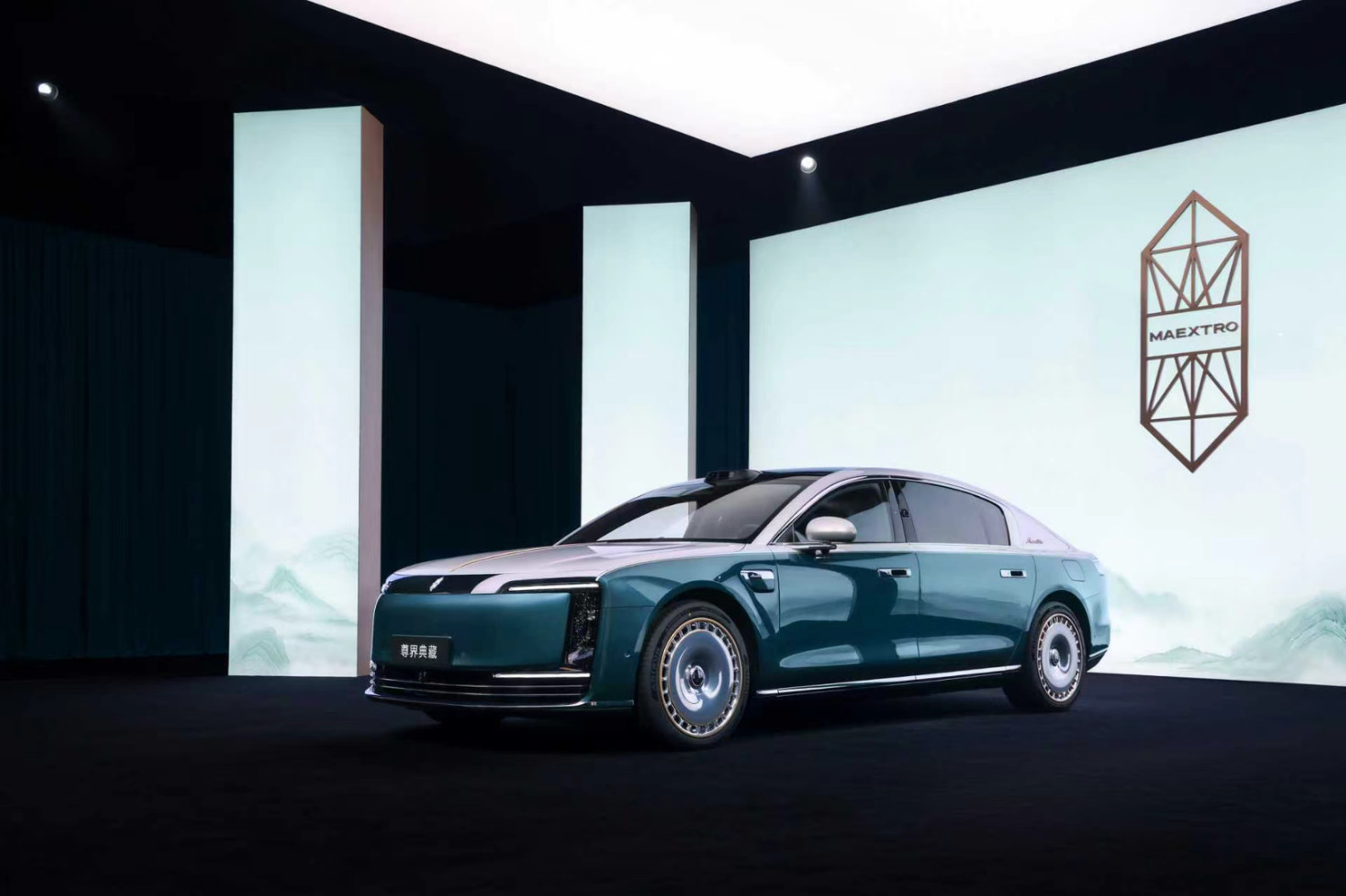
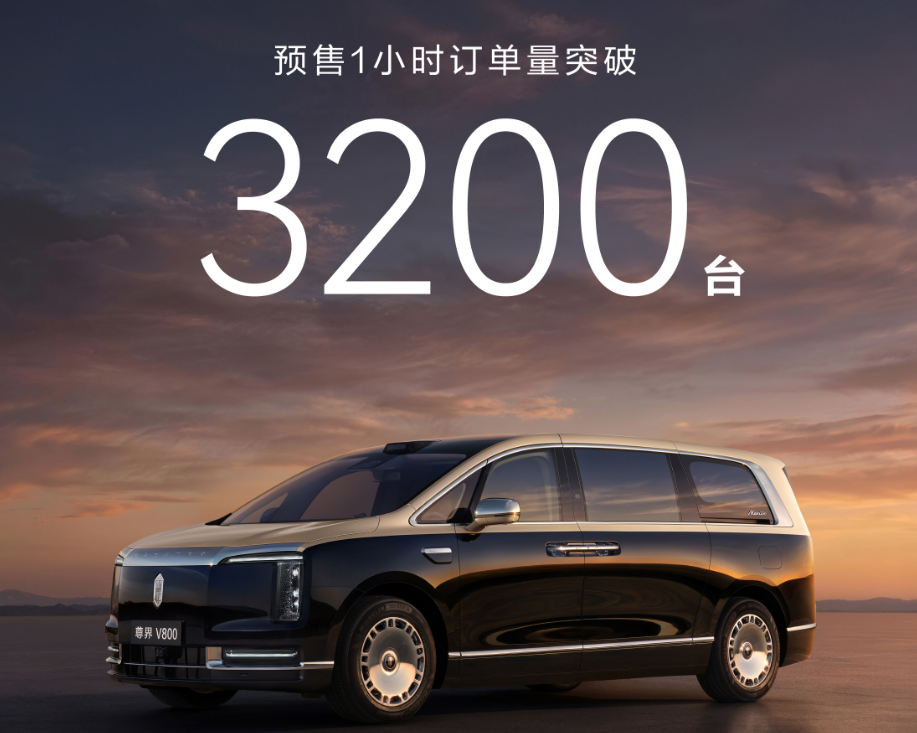
Gasgoo Munich- On June 25, at the HIMA Maextro brand gala, the Maextro S800 Grand Design officially hit the market starting at 1.388 million yuan. While this marks a significant cut from the pre-sale range of 1.6 million to 2 million yuan, it still represents a near doubling of the starting price compared to the standard S800 at 708,000 yuan.Public discourse has fixated on the sticker price itself — questioning why a domestic car commands nearly 1.4 million yuan. But the real scrutiny belongs to the market coordinates this vehicle stakes out, and the structural shifts it reflects in China's ultra-luxury auto sector.With the standard S800 having already validated its position—delivering 19,000 units over 13 months and holding the title of best-seller in the million-yuan luxury segment for nine consecutive months—the significance of the Grand Design is no longer about whether it can sell. It is about whether it can rewrite the rules of the game.Image Source: MaextroPower Shift in the Luxury Market: From Brand Narrative to Technological GapTo grasp the competitiveness of the Maextro S800 Grand Design, one must first understand the transformation sweeping through its market.China's domestic luxury market is undergoing a dramatic reshuffle. Sales for the traditional German triumvirate—BMW, Mercedes-Benz, and Audi—are in a sustained slump. Higher up, the situation for traditional heavyweights like Porsche is even more severe; the German marque has seen its China sales slide for four consecutive years from 2022 through 2025.In sharp contrast stands the structural rise of Chinese brands. Their share in the premium market above 300,000 yuan continues to surge, and in the 500,000 yuan-plus arena, they are steadily seizing market initiative.Across the current luxury landscape, the value anchor is shifting from brand heritage and mechanical prowess to intelligence levels and full-scenario experiences. For the vast majority of high-end buyers, intelligent features have become a decisive purchase factor.The Maextro S800 achieved its breakthrough precisely during this window of power transfer. It now firmly leads delivery volumes in the ultra-luxury sedan market above 700,000 yuan, widening the gap against competitors like the Mercedes-Maybach S-Class.Against this backdrop, the logic behind launching the Grand Design becomes clear: it is not a mere upgrade of the standard version, but a strategic extension into a higher price band following the standard model's successful breach of the million-yuan market. Richard Yu described it as a "brand new exploration of the 2 million yuan market." The subtext is unmistakable—Maextro intends not only to enter the ultra-luxury arena but to establish its authority within it.Deconstructing the Grand Design's CompetitivenessThe price premium of the Grand Design over the standard version must be justified by tangible, perceptible value.First, there is the pursuit of ultimate craftsmanship. Beyond two exclusive color themes—"Distant Mountain Green" and "Rising Sun Gold"—the Grand Design incorporates artisanal elements typically reserved for traditional ultra-luxury houses. The body features a 7C5B painting process, while a single gold waistline stretches 4.5 meters along the flank. It is just 3mm wide, tapering to 0.5mm at the tip, with precision controlled within ±0.1mm. The "Double Gold Ring" forged wheels undergo 10 processes and 16 hours of meticulous polishing.Inside, 18 real wood trim panels employ marquetry techniques, achieving millimeter-precision assembly through over ten distinct processes. The seats feature a dual-pattern design combining T-grain and weave, involving more than 20 manual weaving steps. The "Splendid Flowers" theme suite includes a starry headliner with 510,000 stitches, silk throw pillows with 220,000 stitches, and seatbelts with 80,000. These figures underscore a clear intent: to distinguish the vehicle from mass-produced industrial cars through quantifiable, perceptible artisanal input.Second, there is generational leadership in intelligent technology. The Grand Design carries six LiDAR units, including three forward-facing 896-line dual-path image-grade sensors. It also debuts a higher-order redundant architecture for assisted driving, utilizing dual chips, dual sensor sets, dual connectors, and a dual power supply. Richard Yu explicitly stated at the launch that the car is designed for L3+ autonomous driving, launching with ADS 5 and upgradable to ADS 6. The Domain Fusion Architecture 2.0 boosts road recognition accuracy by 50% and ride comfort by 80%.As traditional ultra-luxury brands waver between internal combustion platforms and electrification, the Grand Design pre-installs L3+ capability, elevating intelligence from a functional feature to a foundational architectural strength.The Grand Design's advantages extend to comprehensive safety and quietness. Under the Xuanwu body architecture, high-strength steel and aluminum account for 92% of the structure, with hot-formed steel exceeding 1,500 MPa making up 24%. Torsional stiffness reaches 53,300 N·m/deg.The vehicle features the CAS 5.0 all-dimensional collision avoidance system, supporting forward prevention at 1–150 km/h and lateral prevention at 10–130 km/h.Regarding acoustic refinement, acoustic-enhanced PVB double-layer laminated glass covers the windshield, four doors, and rear triangular windows. Total sound-absorbing material spans 21 square meters and weighs over 40 kilograms.The significance of these metrics lies in this: in the market above one million yuan, safety and silence are not bonuses—they are the entry ticket. The intensity of the Grand Design's configuration in these basic dimensions effectively answers a core question: do Chinese brands have the capacity to build uncompromising product credibility in the ultra-luxury space?Notably, the Grand Design's official launch price was cut by over 210,000 yuan from the pre-sale range. This adjustment serves as a crucial market signal: even in the ultra-high-end sector, Maextro is maintaining a pragmatic pricing strategy rather than chasing a symbolic price tag for its own sake.Image Source: MaextroThe Real Intent Behind the 1.388 Million Yuan Price TagThe true challenge for the Grand Design lies not in the product itself, but in market acceptance. The ultra-luxury sedan segment is inherently limited in size, with demand driven largely by replacement buyers.In fact, sales figures for the standard S800 have shown volatility in recent months. This fluctuation suggests that even after holding the top spot for nine months, the stability of demand in the million-yuan segment remains to be proven.Yet, the core value of the Grand Design is not sales volume itself, but its anchoring effect. "When consumers see the Grand Design, the 700,000 yuan S800 suddenly looks like exceptional value"—this is a classic anchoring strategy. Ultra-high-end products may have limited sales, but they significantly boost the appeal of flagship models and raise the brand's overall price ceiling. One research firm predicts that following the Grand Design's launch, total monthly sales for the S800 lineup could reach 2,000 to 2,500 units. If realized, Maextro would establish a genuine scale advantage in the million-yuan market.However, this strategy's success hinges on a prerequisite: that the brand premium can be recognized by consumers and sustained over the long term.In the era of smart electric vehicles, that premise faces unprecedented challenges. Intelligence follows Moore's Law; rapid product iteration and the prospect of asset depreciation may dampen the willingness of high-net-worth individuals to buy. Unlike traditional ultra-luxury brands that build depreciation-resistant barriers through a century of heritage, Maextro lacks that historical depth—a shortcoming that cannot be ignored.That said, Maextro possesses advantages traditional brands do not. As the technological gap widens for models like the Mercedes-Maybach S-Class and Porsche Panamera in terms of intelligence, a blunt truth emerges: the user base in the ultra-luxury market is not a monolith. They are reassessing what is worth buying.The emergence of the Maextro S800 Grand Design essentially answers one question: as the technological narratives of traditional ultra-luxury brands lose their grip, can Chinese brands fill the void with a new value system—Oriental aesthetic craftsmanship, generational leadership in autonomous driving, and all-dimensional safety redundancy? The 1.388 million yuan price tag is both an answer to that question and a test of the market.At the brand gala, Maextro also simultaneously unveiled two MPV models—the V800 and V680—both opening for pre-sale. The V800 is priced between 800,000 and 1.2 million yuan, while the V680 ranges from 650,000 to 900,000 yuan. Both new models are expected to officially hit the market in early August.The V800 is officially defined as the "first domestic million-yuan MPV" and the "first MPV equipped with a fully active suspension." Market response was swift: within one hour of the pre-sale opening, combined orders for the V800 and V680 surpassed 3,200 units, with the V800 accounting for 84% of the total. The heat surrounding Maextro's MPV duo is evident. Furthermore, the MPV pre-launch signals that Maextro is evolving from a single-model lineup to a broader product matrix.Image Source: MaextroIn summary, the Maextro S800 Grand Design may ultimately not be a high-volume model, but its launch is profoundly significant. It pushes the price ceiling for domestic sedans to new heights. The mere fact that a Chinese-brand sedan enters the market at 1.388 million yuan—while its standard version sits atop the million-yuan sales charts for nine months running—is rewriting the value coordinates of the Chinese automotive industry.The power shift in the domestic ultra-luxury market will not happen overnight, but the direction of that transfer is unmistakably clear.



















 +20 others