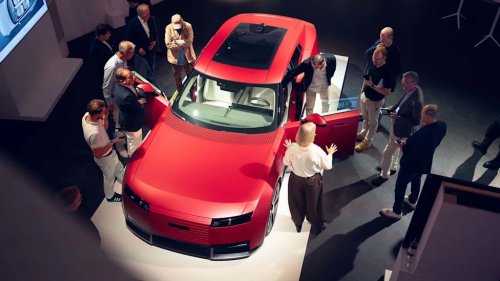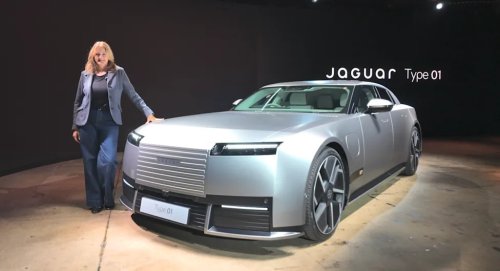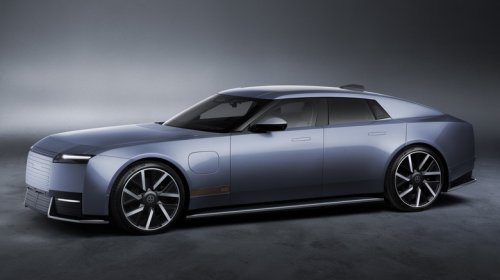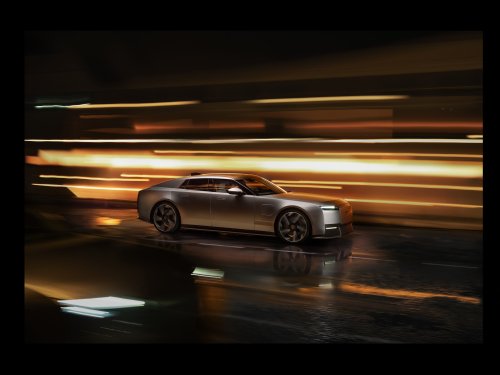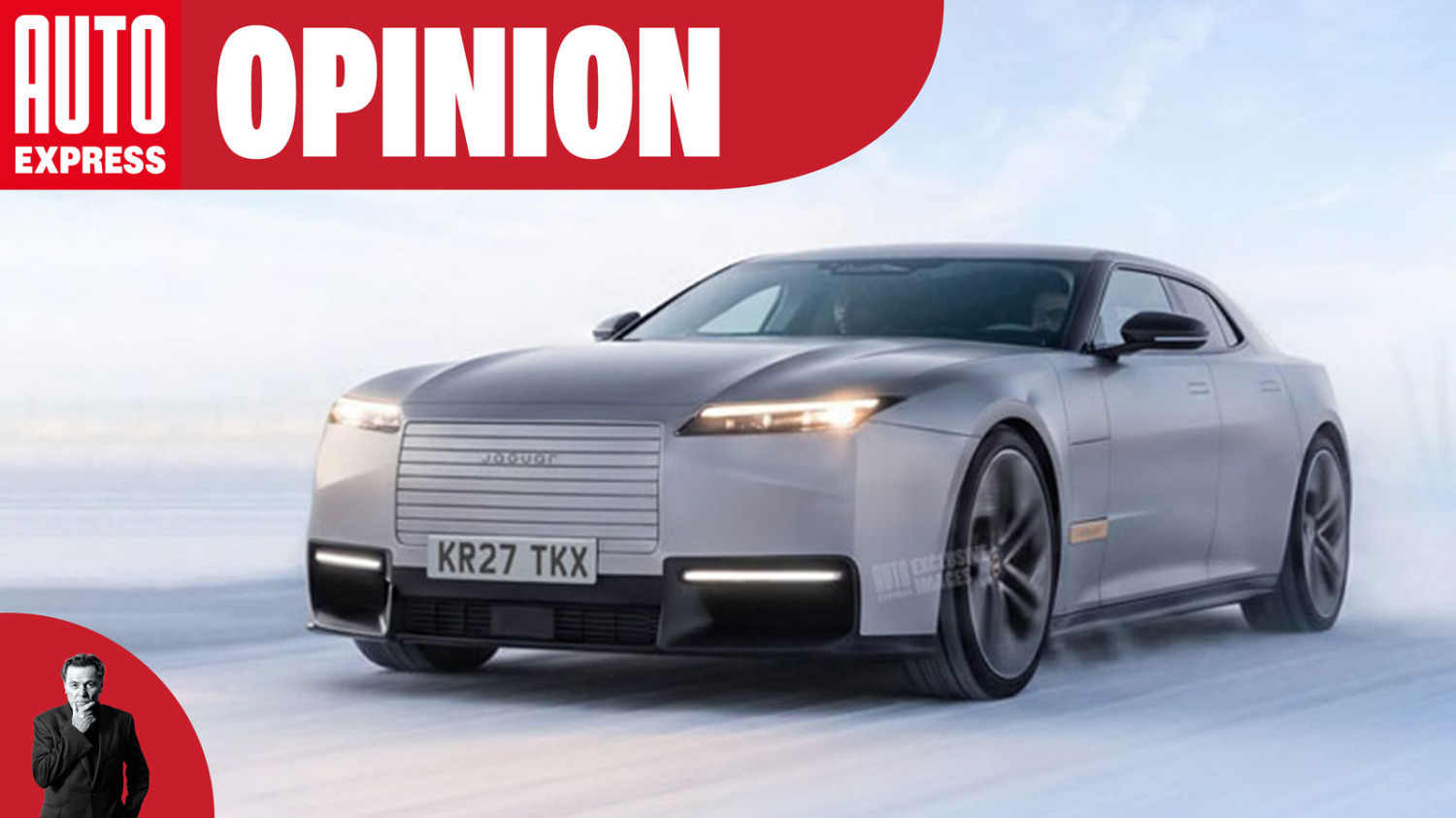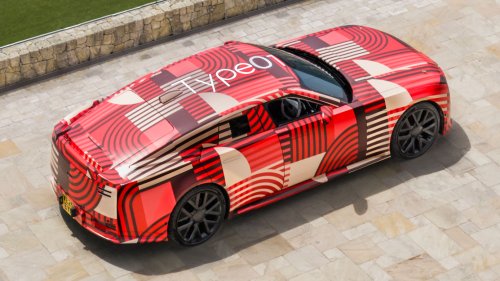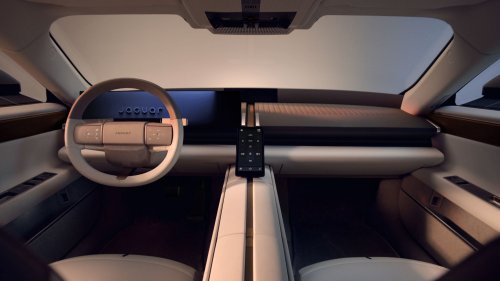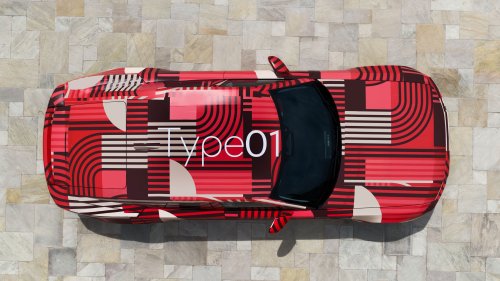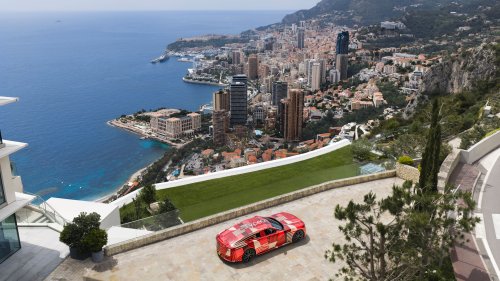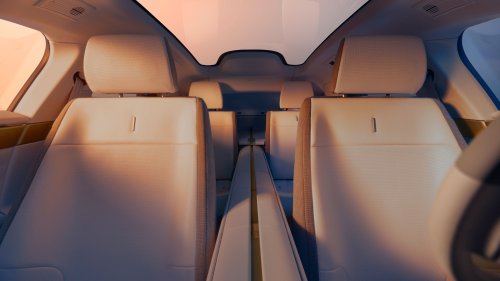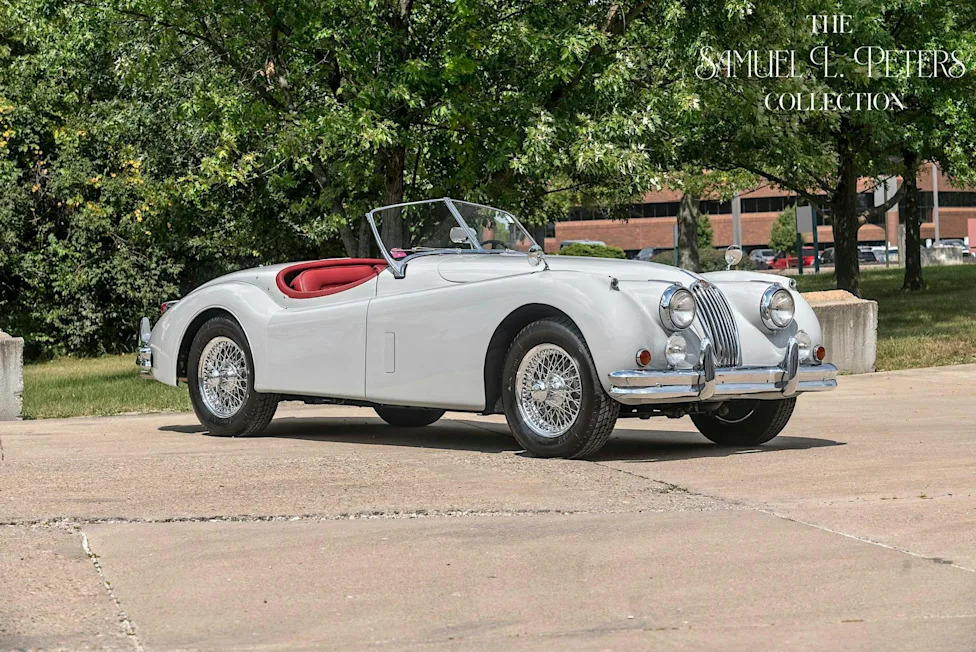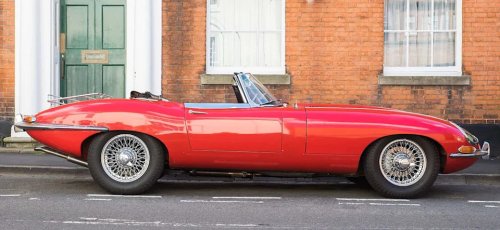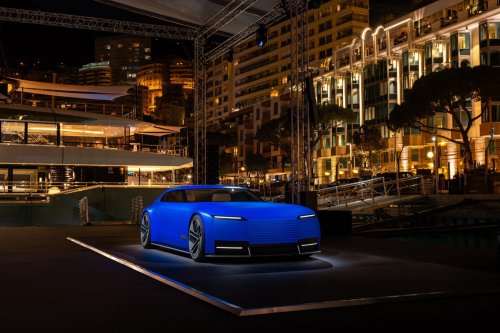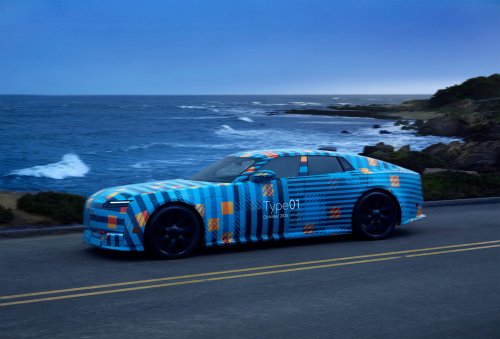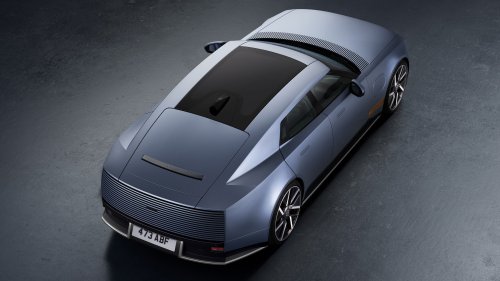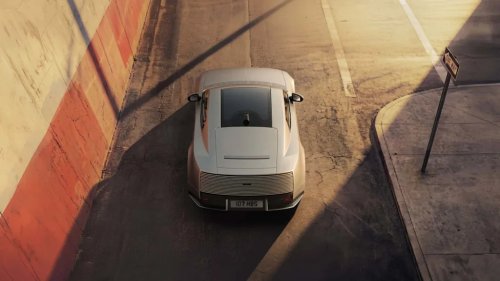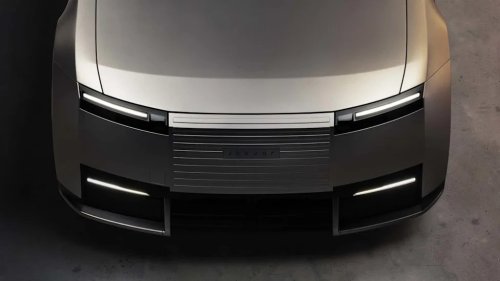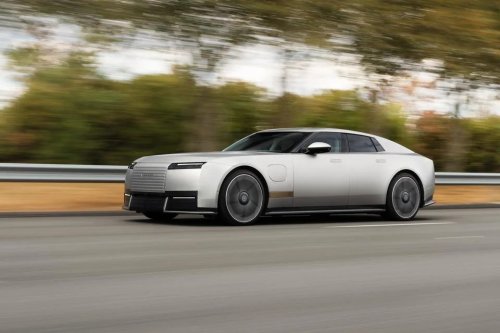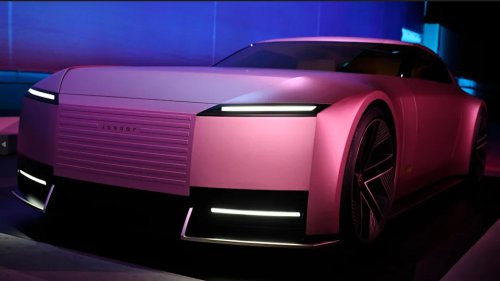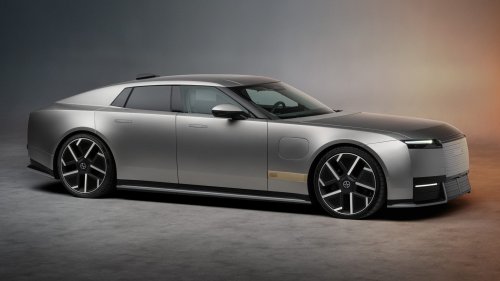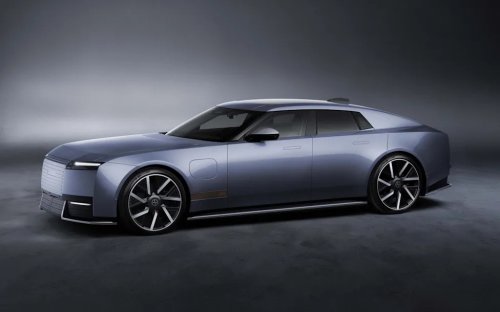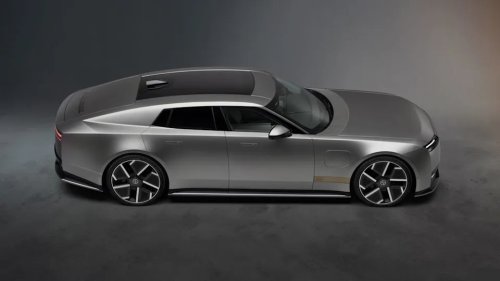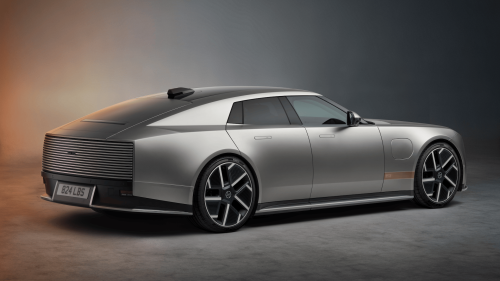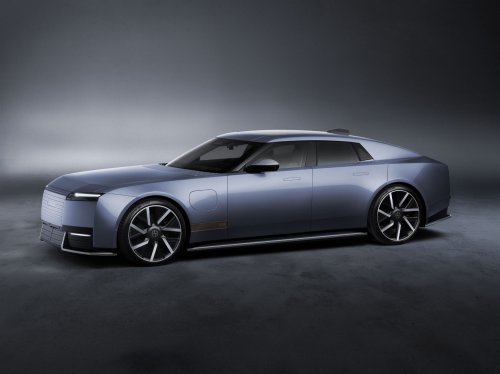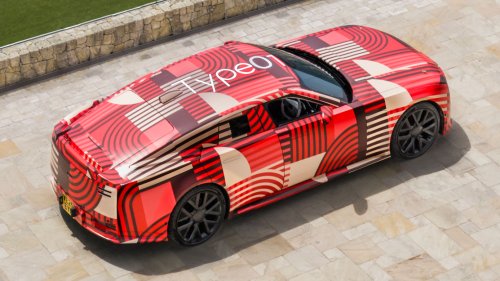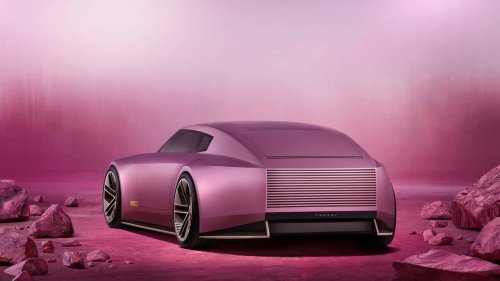
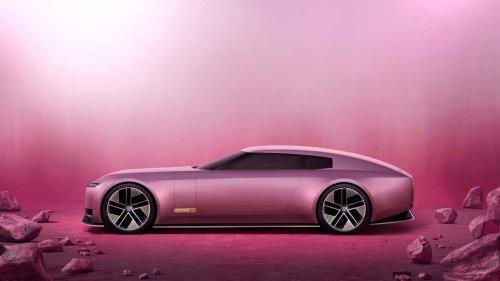
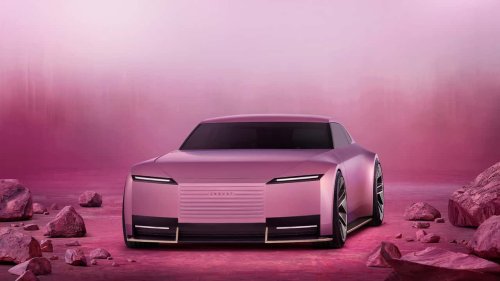
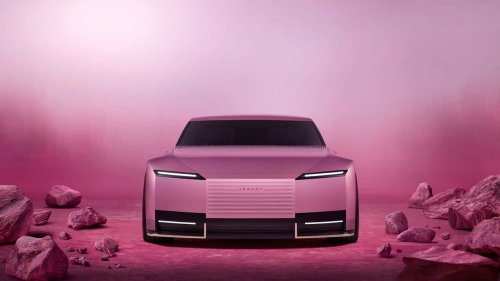
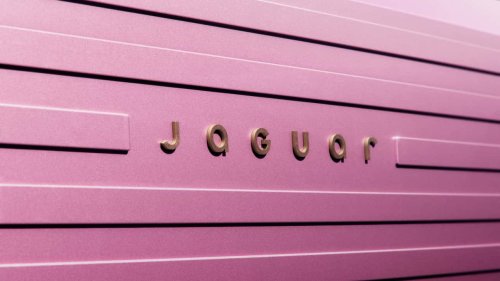
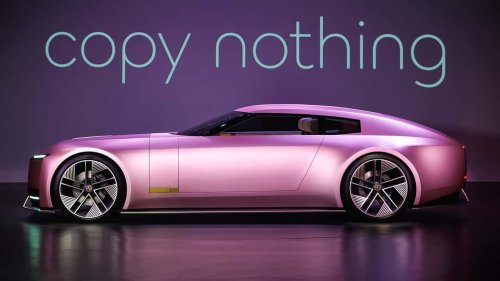
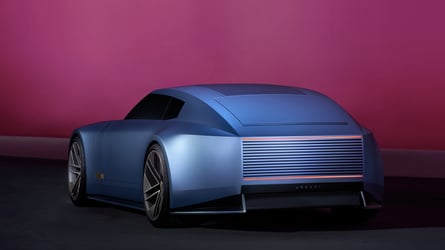
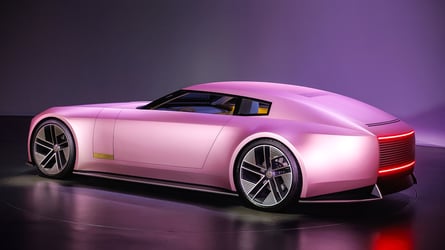
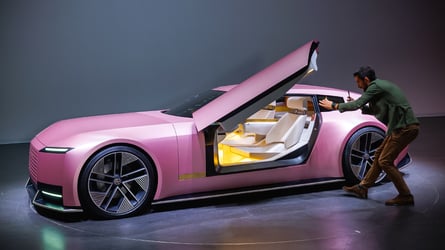
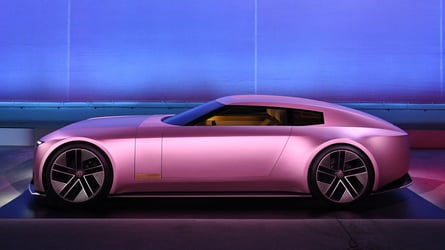
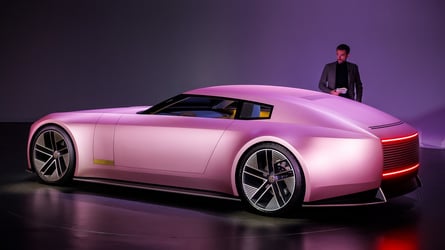
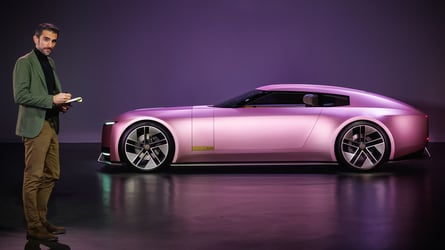
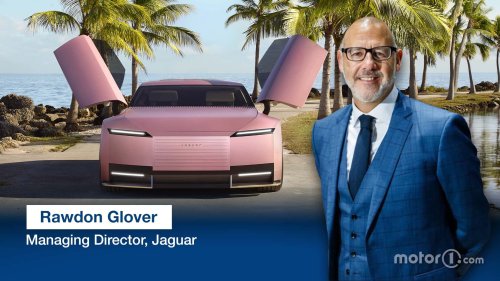



















There’s a real sense of momentum in Gaydon. I felt it the moment I walked through the doors at Jaguar Land Rover headquarters. You can see it in the faces of everyone you pass as you move through the bright, minimalist corridors. But more than anything, that spark of energy—mixed with a bit of nerves, but also confidence—was unmistakable in the eyes of Rawdon Glover, Jaguar’s Managing Director and the person steering one of the biggest revolutions in the history of the iconic British brand. And during an early test drive of the Type 00 prototype, I also had the chance to ask him a few questions to better understand what’s really going on. Jaguar Type 00 Concept Q: We’re at the start of a new era for Jaguar. What should we expect? A: First of all, in the best tradition of the brand, expect a break from convention. We won’t follow the same rules everyone else follows—especially in the EV world. Expect a decisive shift away from our previous design language. It’s something Jaguar has done several times over its 90-year history. But also expect it to drive like a Jaguar. Q: The Type 00 is ambitious, both technically and in terms of positioning. How did you decide on its attributes? What makes it different? A: Some of this is subjective, so I’ll give you my take. What makes it special is its ability to reconcile things that are often at odds with each other. On one hand, we’re an electric brand, so range is fundamental. On the other, proportions and overall height matter a lot to us. This four-door GT stands just about 55 inches tall. Traditionally, a project like this forces a choice: either increase battery pack thickness to get more range—raising the car in the process—or accept a compromise on driving distance. Tell us what you think! View Comments Jaguar Type 00 Concept We looked for different solutions. In this case, unlike almost everyone else, we’re positioning part of the battery pack ahead of the lower structures. To do that, we had to completely rethink energy management and impact behavior. That lets us keep the car low, preserve the proportions, and at the same time avoid sacrificing either range or performance. It’s an example of the approach we’ve taken. I remember when I saw the model for the first time—I wondered how it would stand up to aerodynamic requirements and active and passive safety demands. And yet we managed to maintain the purity of the design while also achieving the most aerodynamic Jaguar ever, with a 0.23 drag coefficient. That’s a notable result for a car with these proportions—especially because we didn’t follow the typical EV route of similarly shaped, rounded designs with small wheels. Q: What have you learned during development? A: That it isn’t easy. Creating a new vehicle while also rebuilding a brand is complex. The biggest lesson is that without teamwork, you don’t achieve anything. For example, on aerodynamics we started at a drag coefficient of about 0.30 and brought it down to 0.23, with clear benefits for range. That was only possible thanks to ongoing collaboration between designers, modelers, and engineers, with about 15,000 tests and changes. Jaguar Type 00 Concept Q: Based on your market research, who are the buyers for a car this unusual? A: Well, it certainly won’t be inexpensive: the average price in Europe will be over €130,000 (at $150,000 at today's exchange rate), so spending power is the first factor. We’re likely talking about customers who are more urban than rural and who are open to EVs—even if they aren’t necessarily current EV owners. But what truly connects them is a mindset: they value design and quality, they’re interested in technology, and above all they’re independent and self-assured. They choose brands that represent them. This is a car with a strong design statement that speaks to people who want to stand out. Every use should feel meaningful—whether it’s a highway trip or simply arriving somewhere. Q: How will the Jaguar lineup evolve from here? A: Future Jaguars will share some key elements already seen on the four-door GT. They’ll have very pronounced proportions and a strong identity. They’ll all be fairly low. We won’t move into tall SUV territory, because that’s already very well covered by Range Rover. There will be strong stylistic consistency across the range, but each vehicle will have a distinct personality. Q: Stepping back, you halted production of the previous models and canceled future programs. How did you arrive at such a drastic decision? A: Looking back five or six years, Jaguar’s business model wasn’t working: it wasn’t profitable, it wasn’t growing, and the customer base was aging. Culturally, the brand was also losing relevance. And competing in the premium volume segment dominated by German automakers was extremely difficult—especially for reasons of industrial scale. Our model works better at the high end, where it’s possible to support higher prices with more distinctive products. That’s why an update wasn’t enough—we needed a clean break. That led to the decision to stop existing programs and restart. Jaguar Type 00 Concept Q: The communication around the first prototype reveal was heavily criticized. Some accused you of trying to erase the past—like deleting Instagram posts—while others accused you of being “woke,” with colorful ads and androgynous characters. Was that reaction intentional, or did you get something wrong? A: I think it depends a lot on how you look at the brand launch experience and what we did in Miami. Jaguar was becoming more and more of a forgotten brand. Yes, people still had a strong emotional connection with it, but what they loved wasn’t what we’d been doing in recent years. It was what we’d done 30, 40, 50 years ago. For us, that was a real challenge. The purpose of the initial campaign was simply to send a signal. What we wanted to say was: “Look, Jaguar is doing something truly radical. It’s not what you expect from Jaguar. It’s something about originality, difference, standing out.” Now, if you asked me: did you expect Jaguar to become the most talked-about brand on social media globally for three straight days? I would have thought you were crazy—of course not. So in a sense, we achieved far more than we expected: much more attention, many more people looking at what we were doing. From a big-picture perspective, that’s positive. People were interested and started talking about Jaguar again. What we lost in that moment, though, was control of the narrative. Social media is a very binary, divisive platform. Everything becomes: I like it, I don’t like it. It’s this, it’s that. Black or white—about anything. We had a much more nuanced story, about renewal and connecting to the past. Those details are very hard to communicate on social platforms. Jaguar Type 00 Concept That’s why we’ve now “unpacked” the message to explain it to people—to journalists, to customers, to potential customers. And when you explain it properly, people understand. But I think it’s fair to say that for a period we lost control of the narrative. Now that we’re starting to talk about vehicle dynamics, we’re no longer talking only about design—we’re also talking about engineering. That gives us far more opportunity to go into detail: how does it drive? What are the benchmarks? And that’s why we’re coming back to some of Jaguar’s iconic models from the past. Because if you think about it, until recently—until December—we were only talking about design. Now we have the ability, consistently, to talk about dynamic capability. And that’s exactly what car enthusiasts and Jaguar fans wanted to hear. I always try to see the glass half full: we created interest, we created anticipation. People now want to know: what will you do next? What’s the production car like? How does it drive? What’s it like inside? And that’s a very positive thing, because we’ve built a base of interest that didn’t exist 14 or 15 months ago. Now it does, and we have to manage it carefully. Q: Looking back, would you still have presented it in pink? A: You know, we were in Miami. You know what the local football team color is there? Pink. It’s a typical color for the city and its sunsets. The real question I’d ask is: did the car look good? Did you like it? I don’t have the option of going back and starting over, so I look forward and say, “OK, what did we learn?” And what we learned is that we need to pause and spend more time controlling our messaging. Q: Rolls-Royce, another British luxury brand, has said its gas-powered models will live beyond 2030, stepping back from the goal of being fully electric by then. Would you ever consider hybrids? Is it technically possible on this platform? A: No. Jaguar will be exclusively electric. We’re not working on anything else. Compared to other models on the market, we’re talking about ranges of around 435 miles. At that kind of range, charging anxiety becomes much less of a concern. Q: Last question. What comes after this Type 00—and do you also have a plan B? A: What’s next? We’re working on the entire lineup. A four-door GT is essentially finished. We’re in the final stages. Now we’re moving into the technical development phase—that’s the next step—and we’re excited about that new model just as much as we are about the first. We believe in what we’re doing. We’re taking risks, sure, but nothing is risk-free. And I think if you look at our past, Jaguar has often taken an approach that didn’t necessarily follow the path everyone else was taking. We think this is the right moment to continue in that direction. Gallery: Jaguar Type 00 Concept (2024) We want your opinion! What would you like to see on Motor1.com? Take our 3 minute survey. - The Motor1.com Team