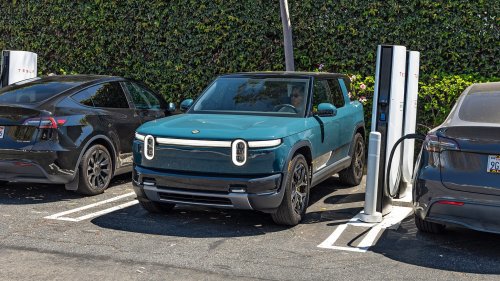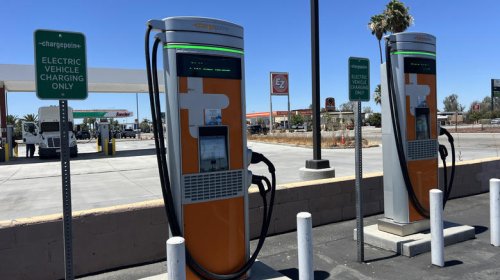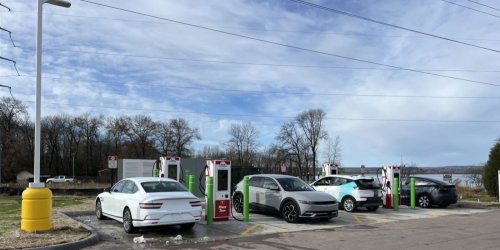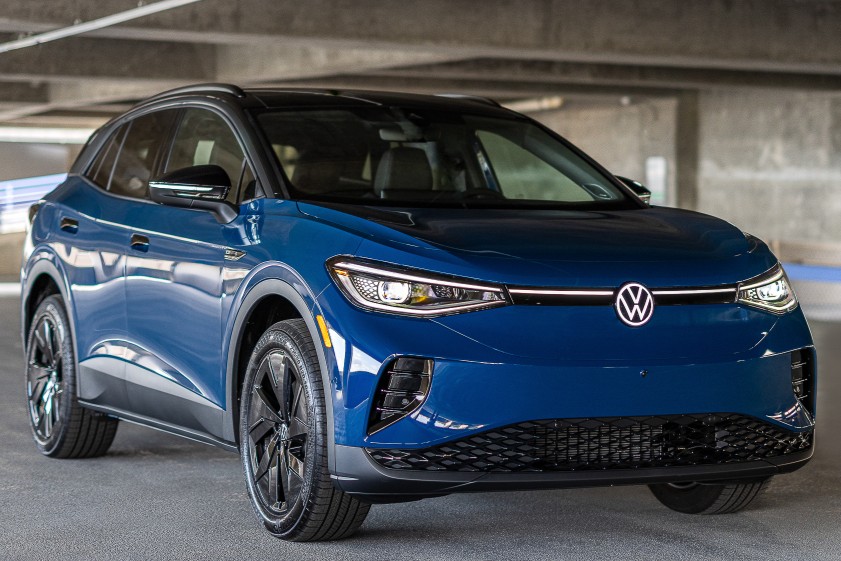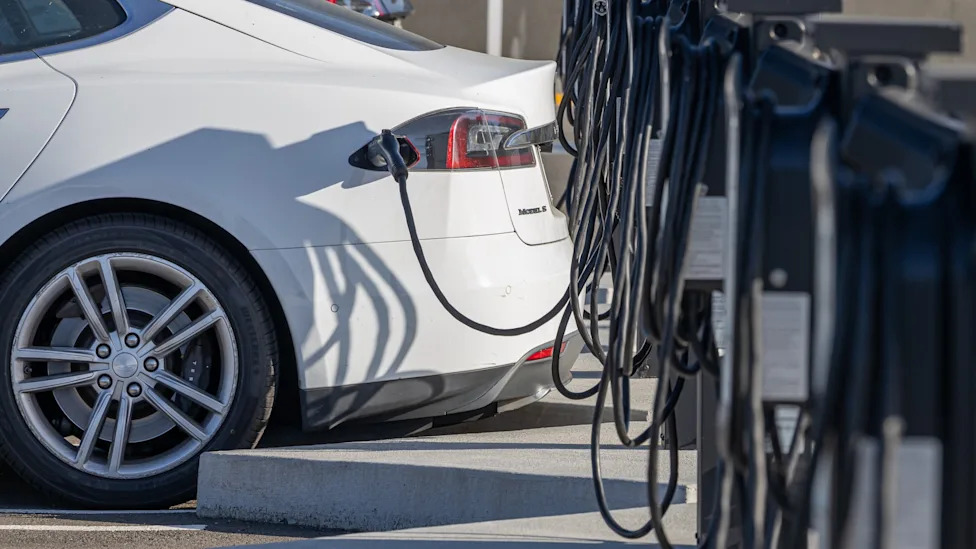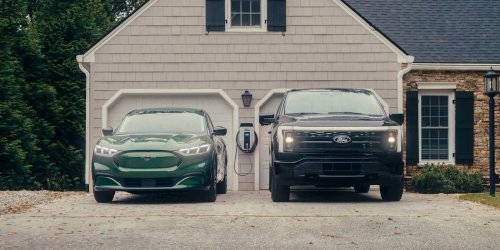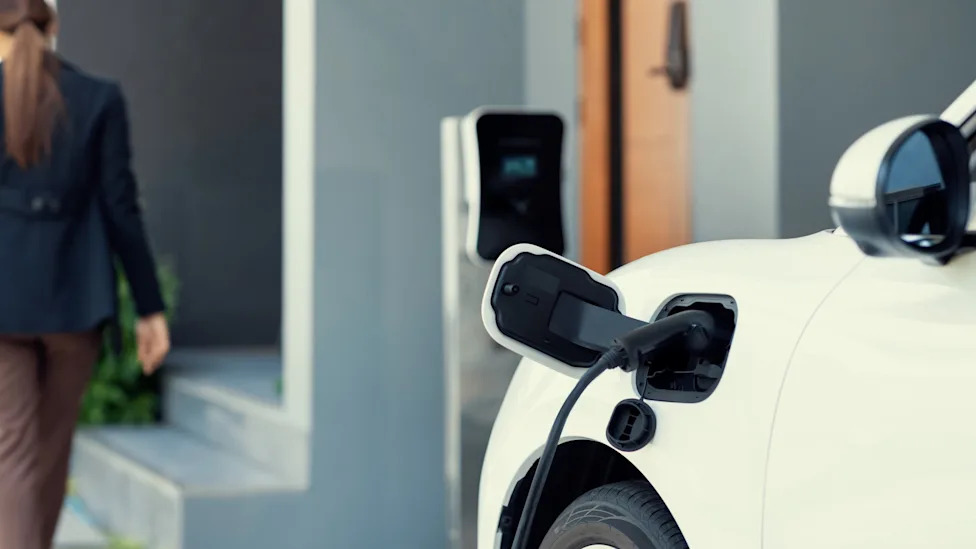



















Photo Credit: iStockFor many people shopping for an electric vehicle, the first comparisons are range figures and charging times.TestMiles, however, argued that everyday ownership may hinge on the simpler issue of whether a car can be charged in the place it is usually parked.What's happening?Based on time spent with a Volkswagen ID. Buzz and a Ford Mustang Mach-E GT Performance Edition, a TestMiles writer concluded that access to home charging can matter more than attention-grabbing specifications because it affects nearly every part of using the vehicle.AdvertisementAdvertisementBeing able to connect the car overnight means many drivers can begin the next day with enough energy for normal use without adding a separate stop. Without that option, they may need to depend on public chargers and deal with availability, wait times, and pricing.TestMiles cited data from the Federal Highway Administration, which reported that the average light-duty vehicle traveled 10,787 miles in 2024, working out to about 30 miles per day. Meanwhile, figures from the U.S. Department of Energy show that about 80% of EV charging occurs at home.When many motorists only need to replace the miles driven that day, not refill a battery from near empty, charging at home is much more convenient and a lot cheaper than public stations.In favorable conditions, a Level 2 charger can add roughly 25 miles of range each hour, while a standard household outlet may add about five miles per hour.Why does it matter?Charging at home can remove much of the hassle from EV ownership and can also lower costs. Instead of arranging regular stops to refuel, many people can plug in at night and recover the distance used in a typical day.AdvertisementAdvertisementExpenses may drop further when utilities offer discounted overnight electricity. The exact benefit depends on local power rates, gasoline prices, and installation costs, but home charging can still be a significant way to save money.Many drivers, though, do not have that option. TestMiles noted that Census Bureau figures show that 65.2% of U.S. housing units were owner-occupied during the 2020-2024 period, and renters may encounter obstacles such as landlord permission requirements, insufficient electrical service, or a lack of a dedicated parking space.As a result, housing is playing a bigger role in who gets the easiest EV experience. A garage or driveway can make charging feel routine, while apartment living or street parking can make the same vehicle far less convenient.What can I do?Anyone considering buying an EV may want to evaluate their parking situation before focusing on horsepower or headline range figures.AdvertisementAdvertisementKey questions include whether a regular outlet is available, whether Level 2 charging can be installed, and whether the electrical panel can handle it. Qmerit can help with free Level 2 charging installation estimates to make life easier for EV drivers.It also helps to base the decision on real driving patterns. Someone with a 25- to 30-mile daily commute has very different charging demands than a driver who often tows, travels long distances, or works unpredictable hours, and looking at a normal week can help avoid paying for more battery capacity than is usually necessary.When home charging is not an option, it can make sense to identify reliable places to charge where the car already remains parked for extended periods, such as workplaces, grocery stores, apartment complexes, hotels, or curbside locations.For many people, those longer dwell-time stops may work better than depending only on fast chargers along highways.AdvertisementAdvertisementThe most effective charging arrangement often begins where the vehicle already sits. When charging is available where people live, EV ownership can be simpler, more practical, and more affordable.Get TCD's free newsletters for easy tips, smart advice, and a chance to earn $5,000 toward home upgrades. To see more stories like this one, change your Google preferences here.