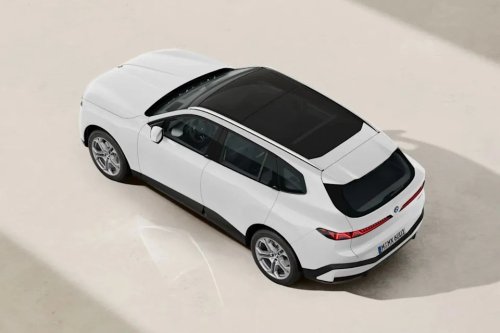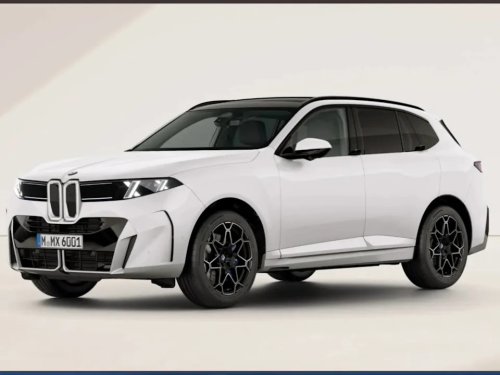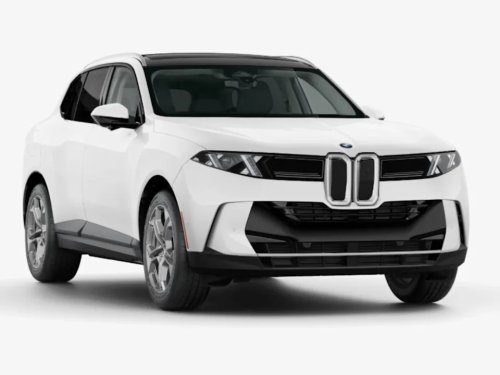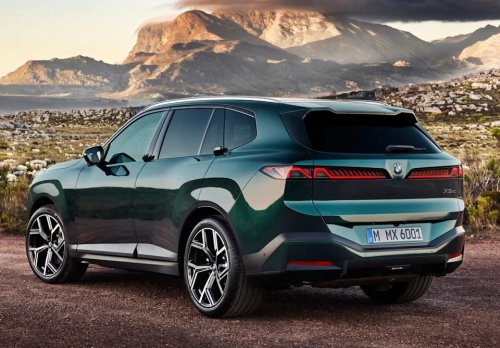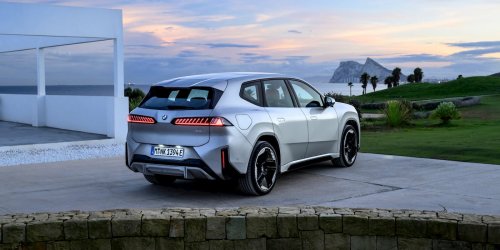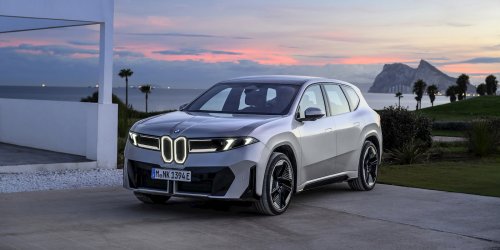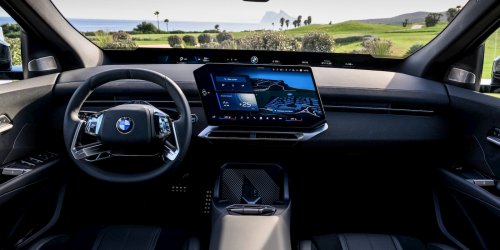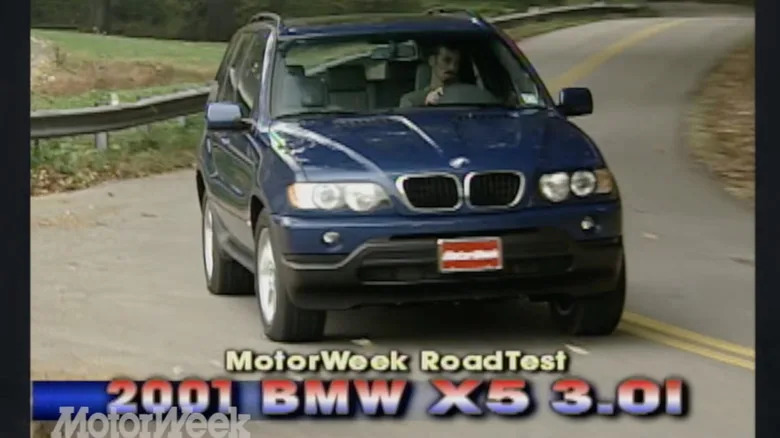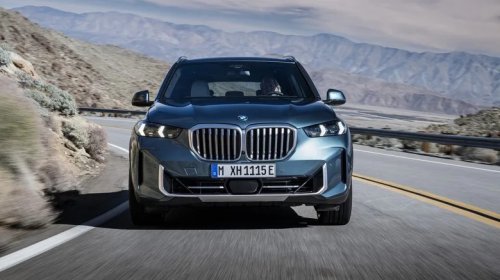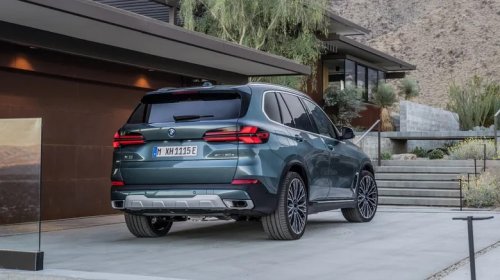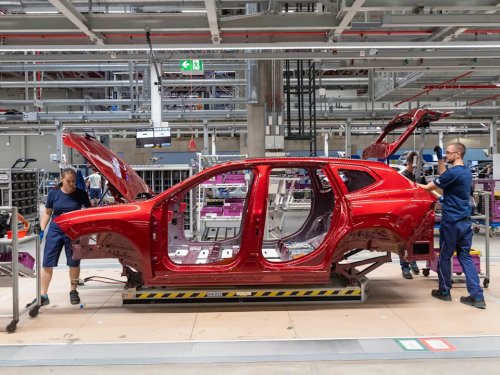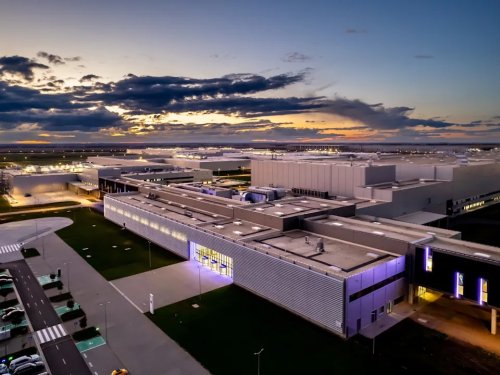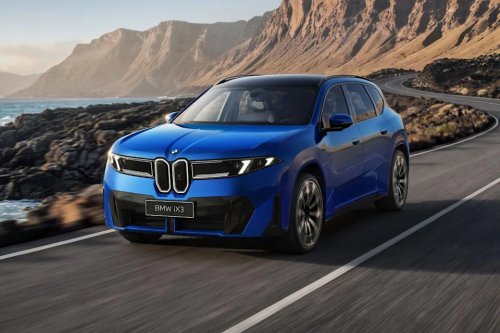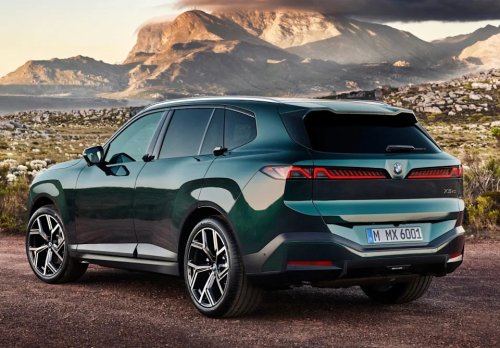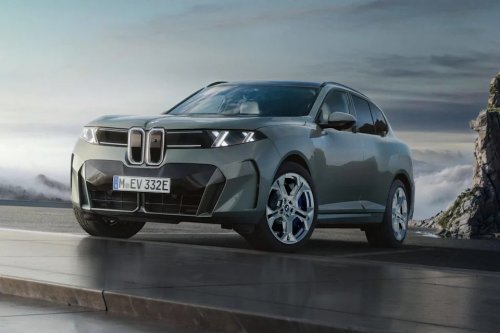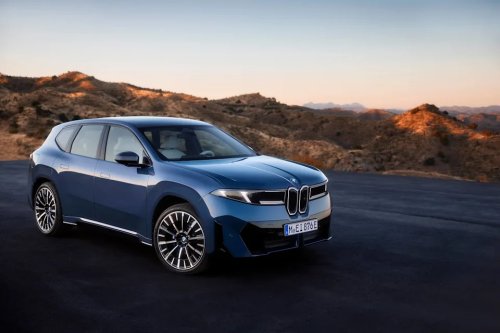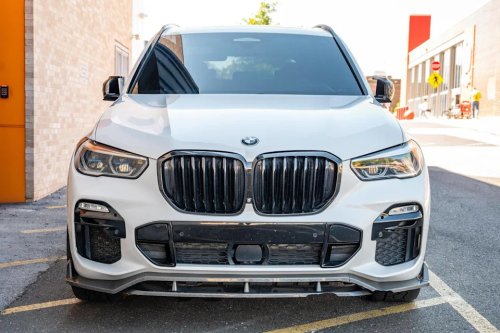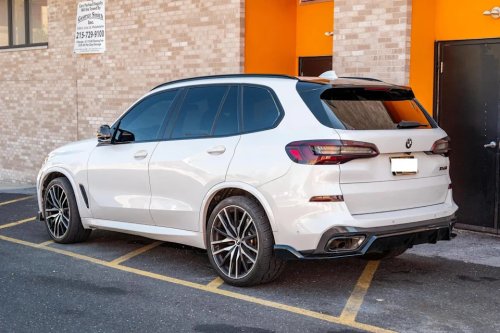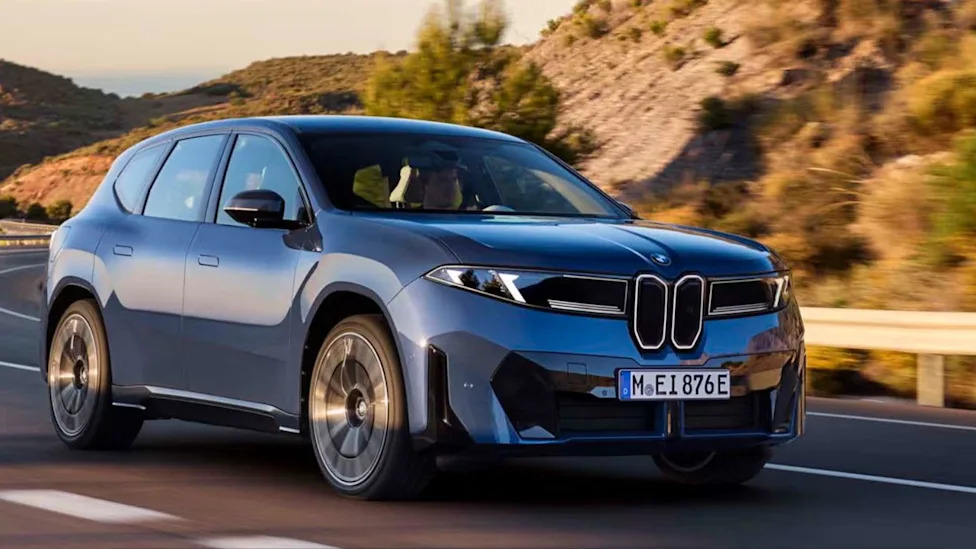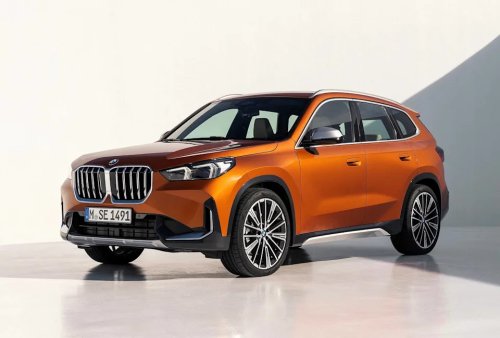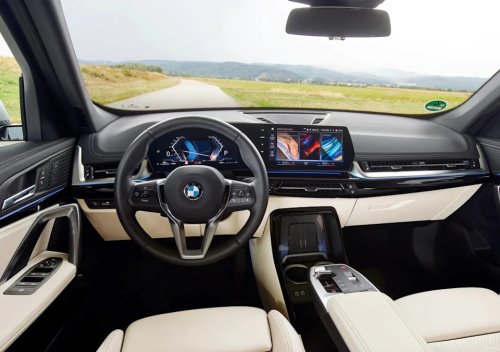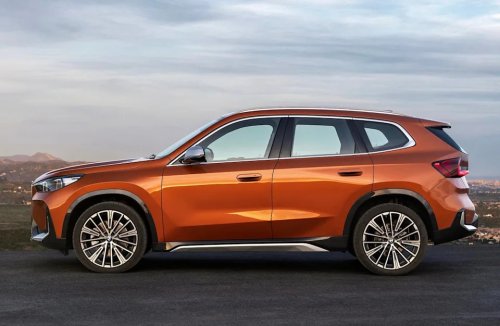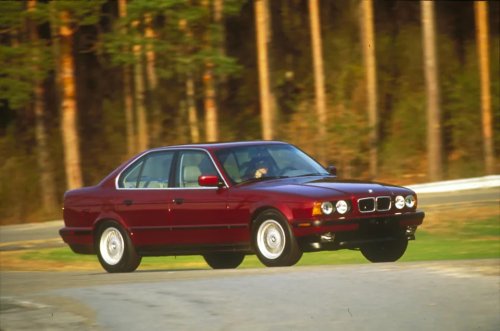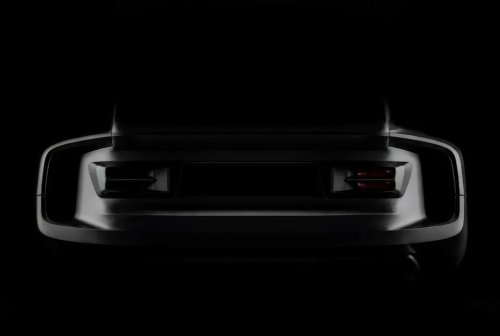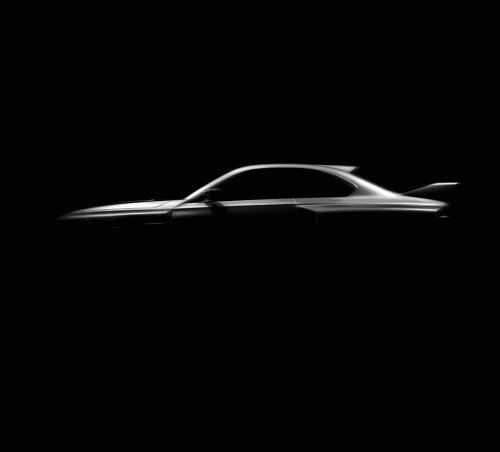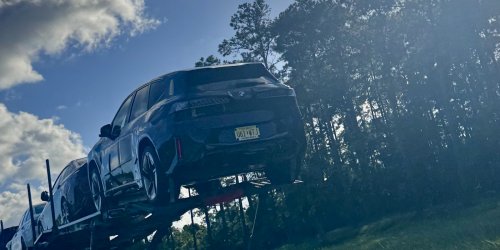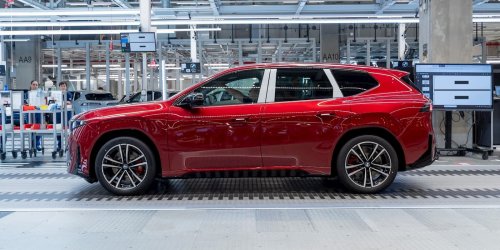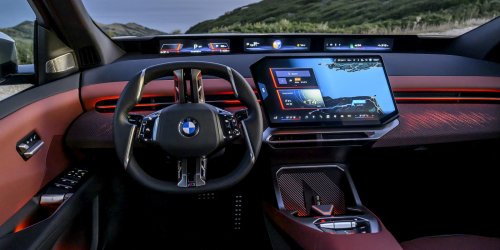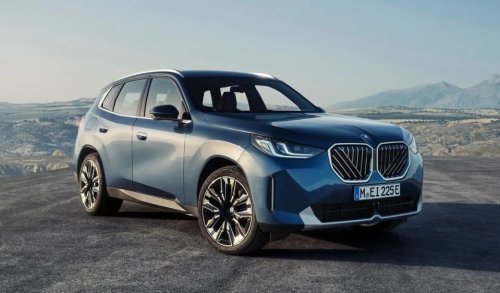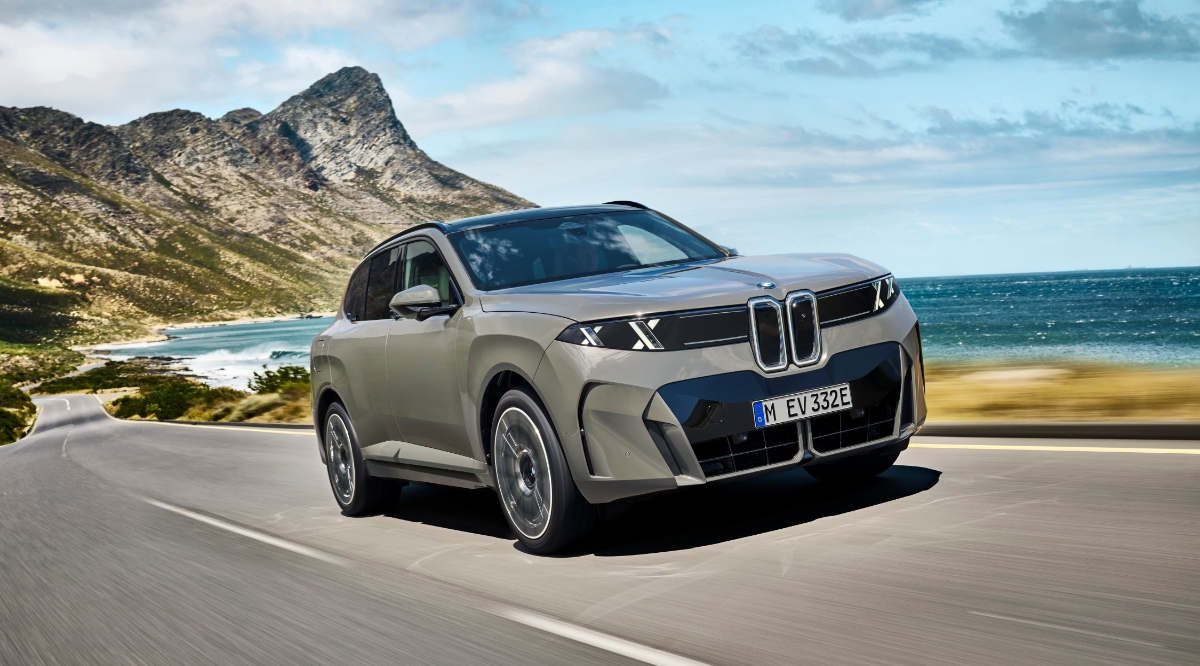
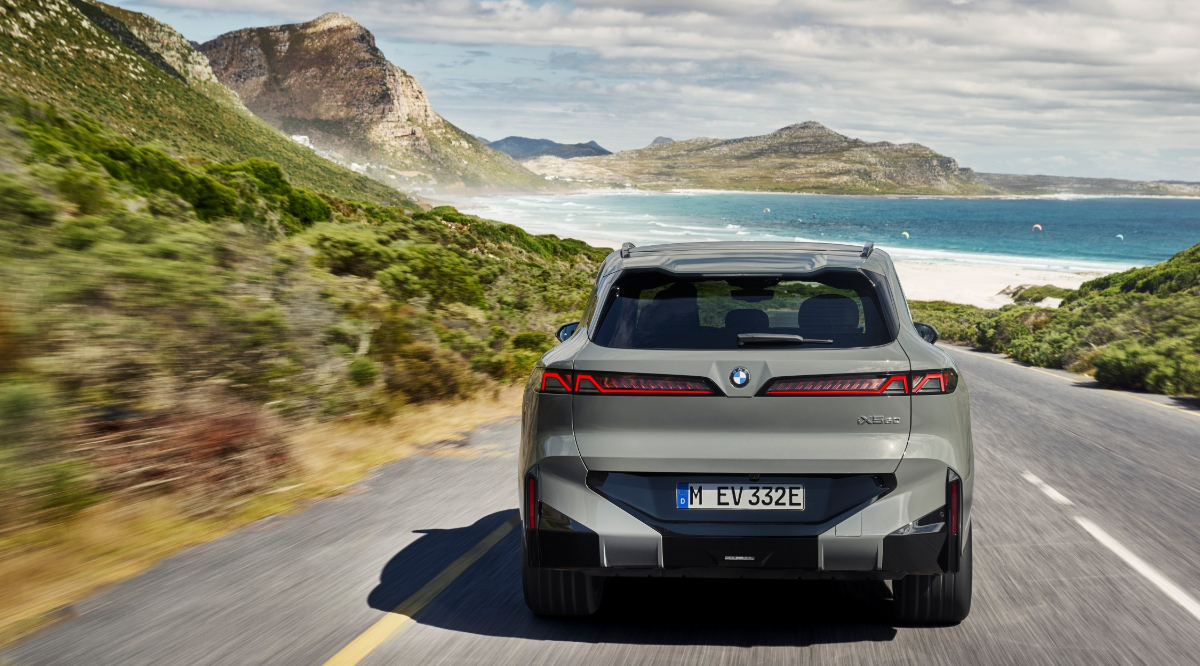
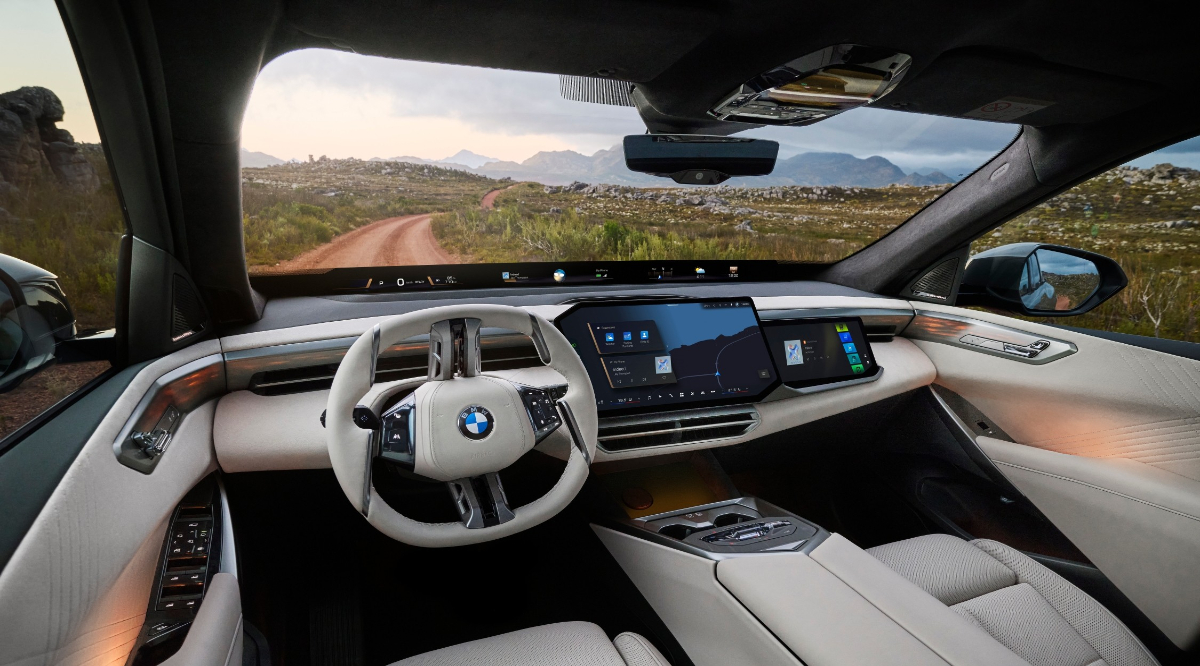



















In 1999, BMW countered the Mercedes M-Class with its own “sports activity vehicle,” the X5. It was a huge sales hit, as customers in droves decided they no longer wanted to drive sedans and preferred SUVs instead. BMW officially debuted the fifth-generation X5 this week, which incorporates many of the latest ideas that have gone into the company’s Neue Klasse vehicles. It will be built primarily in Spartanburg, South Carolina, at a factory that has just finished a $1.7 billion revitalization. Since 1994, that factory has assembled more than 7.3 million vehicles, with 412,799 BMW X models built in 2025 alone, the seventh time output has exceeded 400,000 units in a single year, reports Automotive Manufacturing Solutions. Roughly half of current production is exported to nearly 120 countries, helping make BMW the leading automotive exporter in the United States by value, with close to 3 million vehicles shipped from US soil worth more than $113 billion to date. Across nearly 30 US locations in 12 states and more than 400 suppliers, BMW says its American operations now support over 120,000 jobs and contribute more than $43.3 billion annually to the US economy. With the X5 having sold more than 3 million units globally since 1999 — a third of them in the United States — Spartanburg’s role as the model’s global home looks set to deepen rather than diminish as electrification proceeds. It is somewhat startling to think that the largest exporter of US made vehicles is a German company, and there is a backstory here. Cars and trucks imported into the US pay tariffs — especially now. That means many foreign manufacturers find their products in the US are uncompetitive. But exporters can offset some of those tariffs, which gives BMW an edge over others, especially Mercedes, which also manufactures cars in America but mostly for internal consumption. A BMW Commitment Made In 2022 “When we announced our investment plans for South Carolina in 2022, we made a clear commitment to the future of the BMW Group in the United States,” said Milan Nedeljković, chairman of the BMW board of management, at the Spartanburg celebration this week. “Today, we are delivering on that commitment. The completion of our investments in Plant Spartanburg and Plant Woodruff demonstrates our confidence in the United States and reinforces South Carolina’s role at the center of BMW Group’s global operations.” At a time when most US manufacturers are running away from electric vehicles like their hair was on fire, BMW is taking what it calls a “technology open” approach. The latest X5 will be available with as many as five powertrain choices — a combustion engine (either gasoline or diesel), a 48 volt mild hybrid, a plug-in hybrid, a battery electric, and eventually a hydrogen fuel cell system. Robert Engelhorn, the CEO of BMW Manufacturing., framed the flexibility as an operational hedge as much as a customer offering. “The future of BMW X models will continue to be shaped in South Carolina,” he said. “From highly efficient combustion engines and plug-in hybrid systems to battery-electric and future hydrogen-powered vehicles, Plant Spartanburg will be able to assemble a broad range of drivetrain technologies for customers in the U.S. and around the world. This flexibility of Plant Spartanburg and our global production network strengthens our resilience, supports customer choice, and enables us to meet customer demand at any level.” Cars that are offered in gasoline, hybrid and electric forms tend to be less efficient than vehicles that are designed to run solely on batteries. But that won’t be the case with the electric iX5, Engelhorn told the New York Times. Demand is too unpredictable for a carmaker to bet on any one technology, he said. If a factory can produce only electric vehicles or only fossil fuel vehicles, “you’re always wrong with capacities.” The iX5 has a 141 kWh battery and an estimated range of 435 miles, based on BMW testing following EPA testing procedures. Its 800 volt architecture permits fast charging and includes bidirectional charging. Five Powertrain Choices Credit: BMW Sebastian Mackensen, the CEO of BMW of North America, said the new X5 is proof that flexibility and electrification are not competing priorities. “The new BMW X5 demonstrates our belief that innovation and customer choice go hand in hand. Our customers both in the US and around the world will love the new BMW X5, and our technology-open approach puts them in the driver’s seat to enjoy the performance and premium experience that defines BMW, regardless of which drivetrain they choose.” A single assembly line capable of switching between five drivetrains gives BMW room to shift production weighting in response to demand signals, regulatory shifts, or tariff pressure, without the capital expense of standing up parallel facilities, says AMS. That leaves the regulars here at CleanTechnica somewhat embarrassed. For years, we have been saying “Just build the damned EVs and be done with it!” A vehicle designed from the ground up to drive exclusively on electrons can take advantage of the lack of a conventional drivetrain to add more room for passengers and even include a “frunk” up front. BMW does not consider a frunk to be all that necessary, apparently. The battery electric car — known as the iX5 — is scheduled to go into production in Spartanburg early next year, making it the first BMW EV manufactured outside of Germany. The company says it plans to build another five battery electric models in the US in the near future. They all will use 120 mm tall cells manufactured at BMW’s new battery factory in nearby Woodruff, South Carolina, which will assemble them into “cell to pack” modules that eliminate the separate cell coating and cell module production steps that traditionally add time and complexity — and cost — to battery assembly. Pricing Details And AI Credit: BMW In a press release, BMW said, “The 2027 BMW X5 roll out begins in October with the market launch of the X5 40 xDrive. The rear wheel drive X5 40, plug-in hybrid X5 50e xDrive, and first battery electric variant, the iX5 60 xDrive, will follow in the first quarter of 2027. Additional models, including a V8-powered M Performance variant, are scheduled to arrive later in 2027. Further ahead, the BMW iX5 Hydrogen will bring hydrogen fuel cell technology to series production, pairing all-electric driving with quick refueling stops. The 2027 BMW X5 40 will carry a base MSRP of $69,800, while the 40 xDrive will start at $72,100. The all-wheel drive X5 50e xDrive PHEV opens at $77,500, and the fully electric iX5 60 xDrive at $79,800. Each requires a destination and handling charge of $1,450.” Both US factories have been built around the principles set forth in BMW iFactory, the company’s blueprint for efficient, sustainable and digitally integrated production. Digital twins and 3D virtual simulation now precede physical implementation across both sites, while AIQX, BMW’s in-house Artificial Intelligence Quality Next platform, applies sensor and camera data along the line to deliver real-time quality feedback to workers. Plant Spartanburg has gone further still, deploying humanoid robots from Figure AI as part of BMW’s wider Physical AI Initiative, a move the company positions as freeing associates from physically demanding, repetitive tasks to focus on precision work. It is an early but significant signal of where BMW expects shop floor labor to evolve next, and one that will be closely watched by manufacturers weighing similar deployments of their own. You are invited to read the BMW press release for more details about the glowing BMW badge in the grille , the “powerful” design language of the rear tail lights, and a thousand other details. Suffice to say, the iX5 is likely to be one sweet ride.