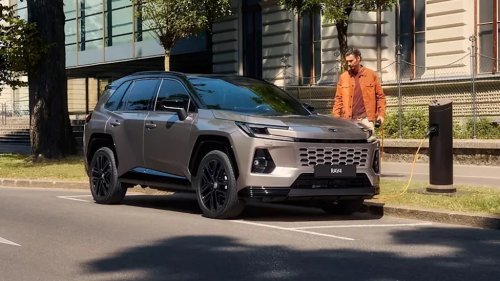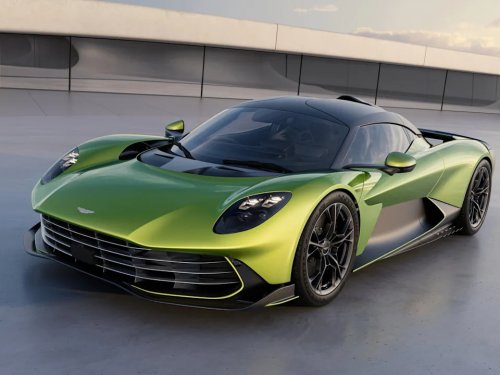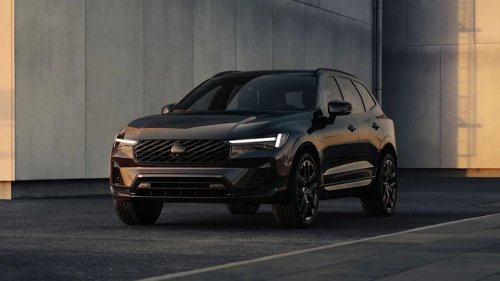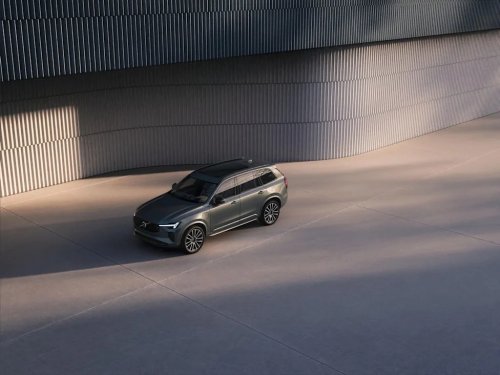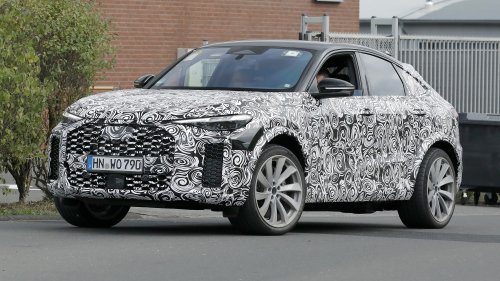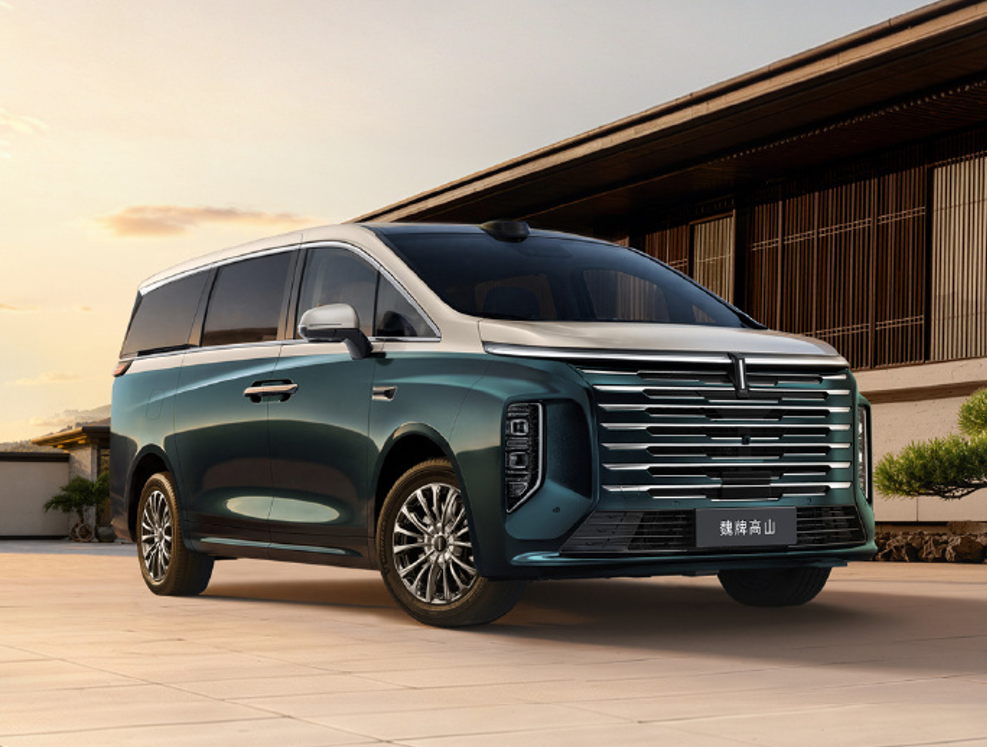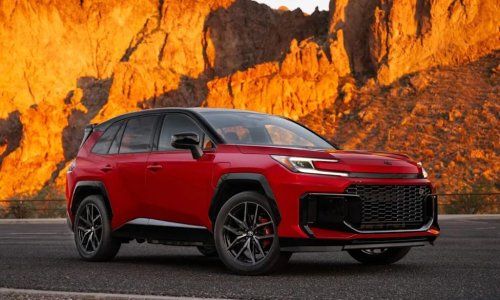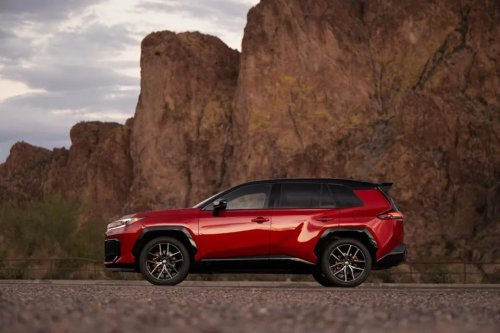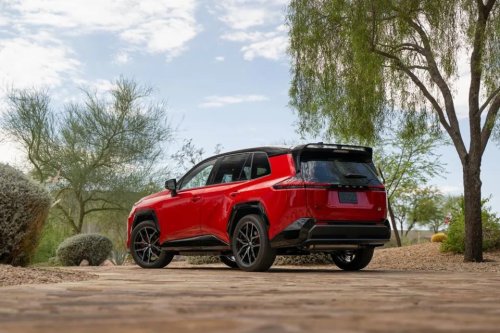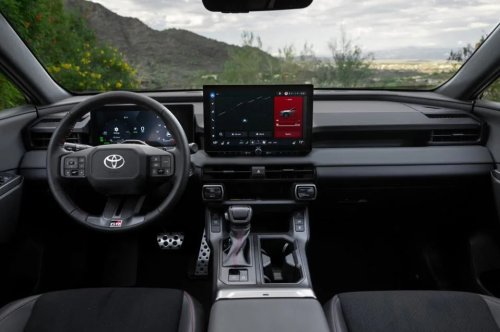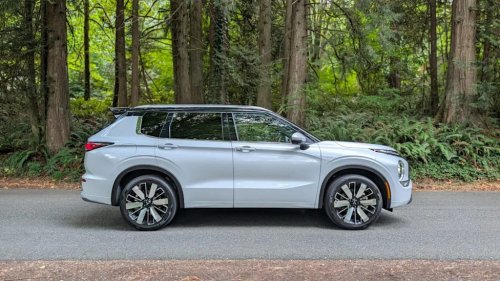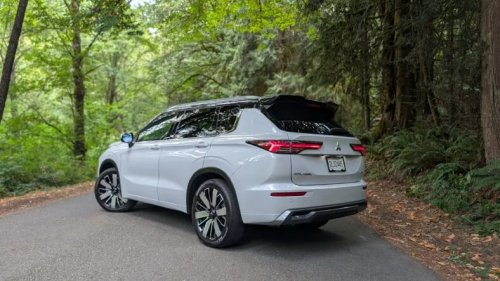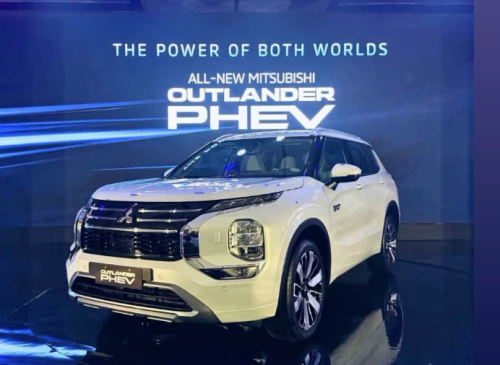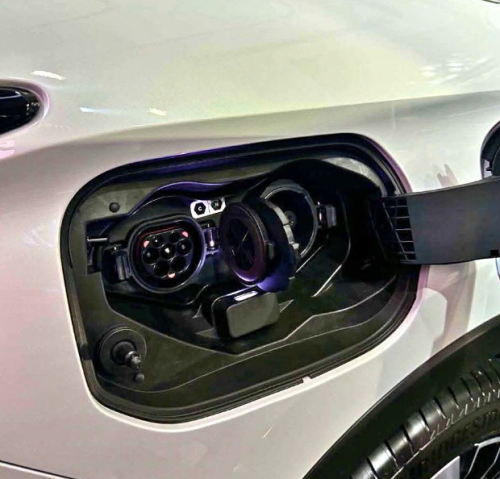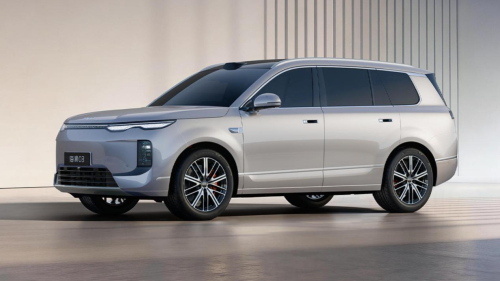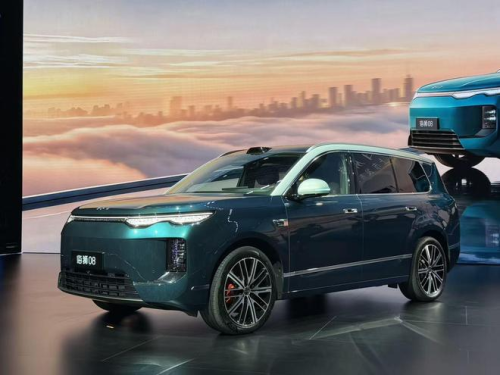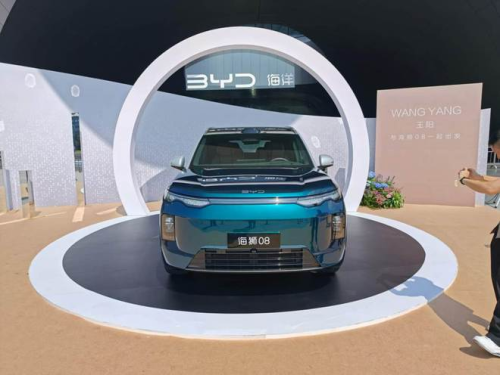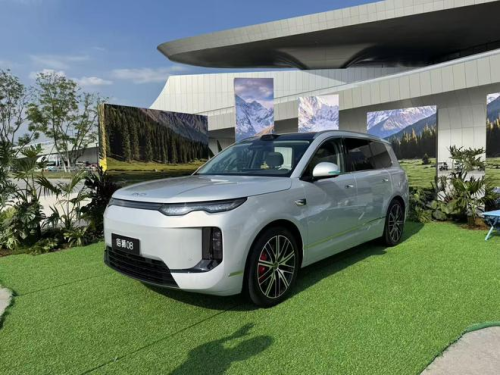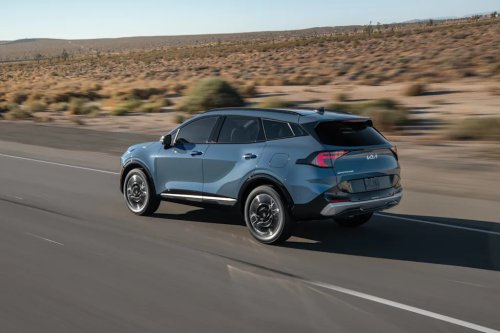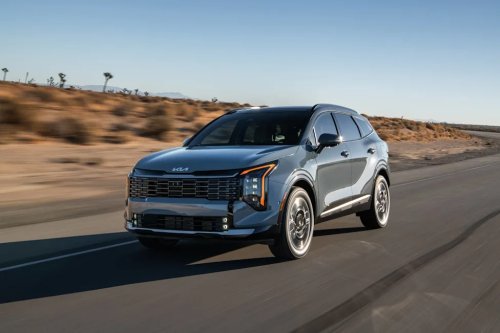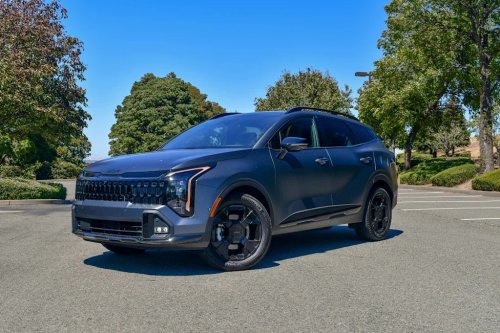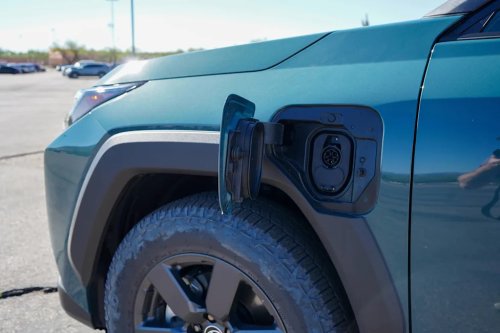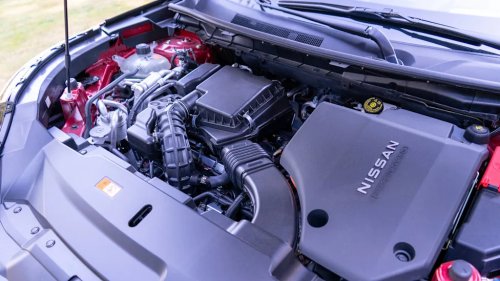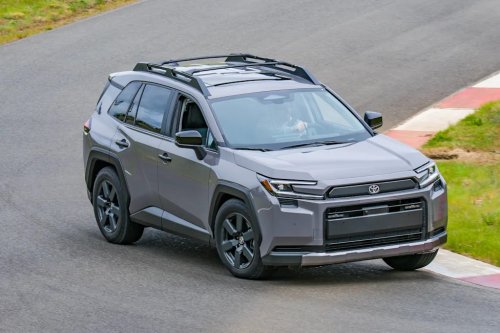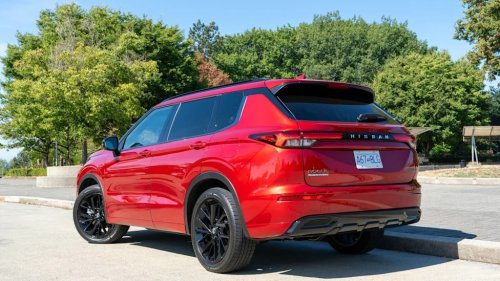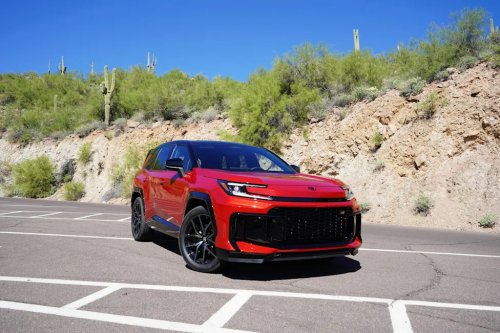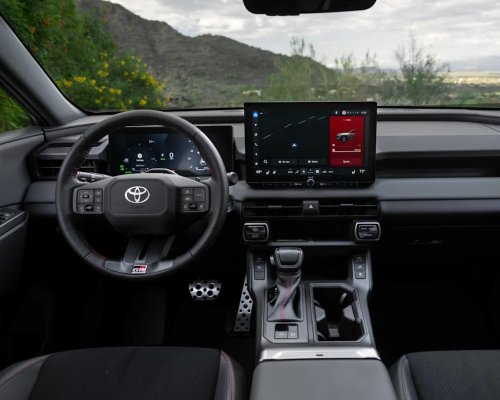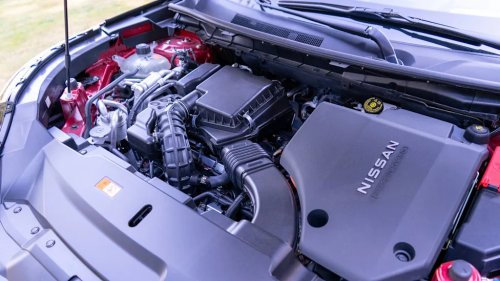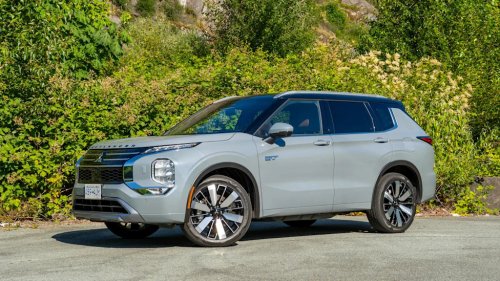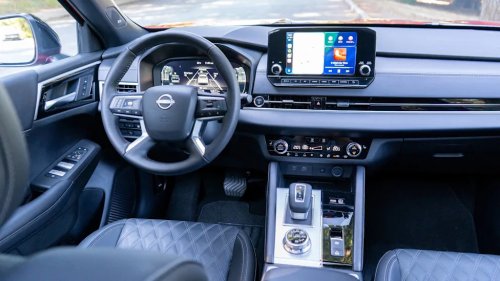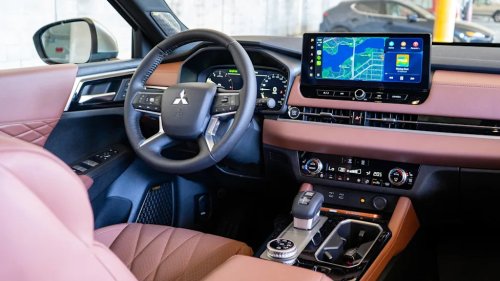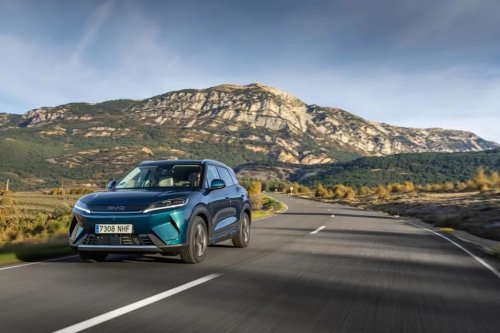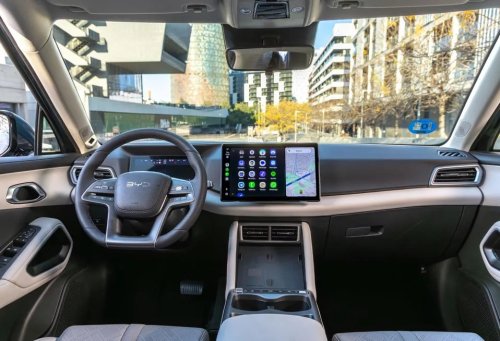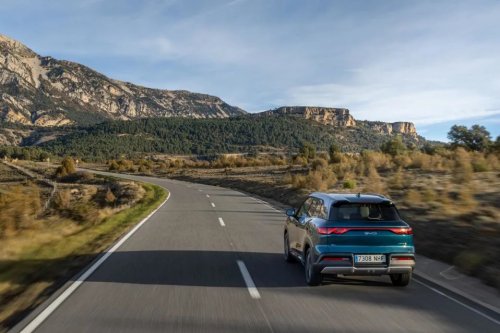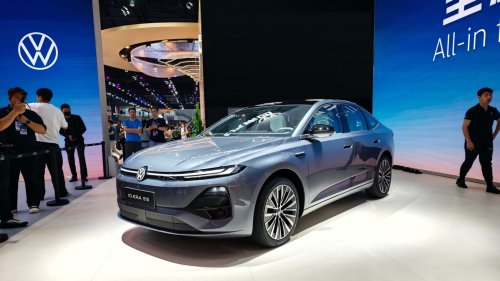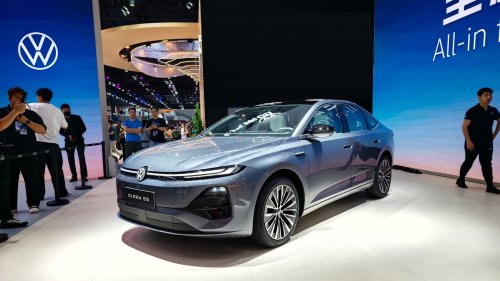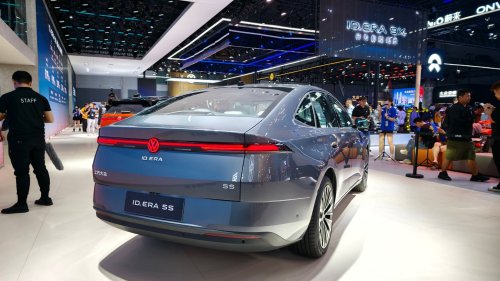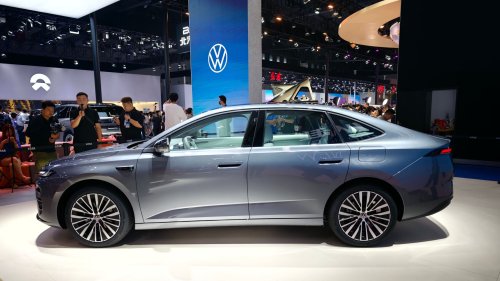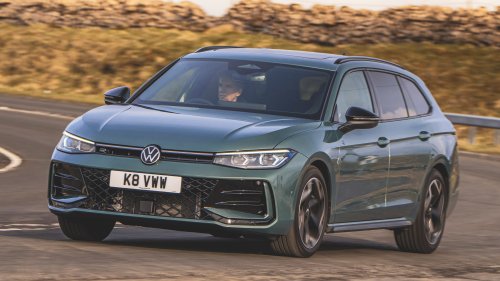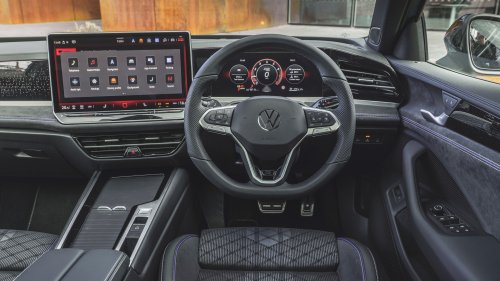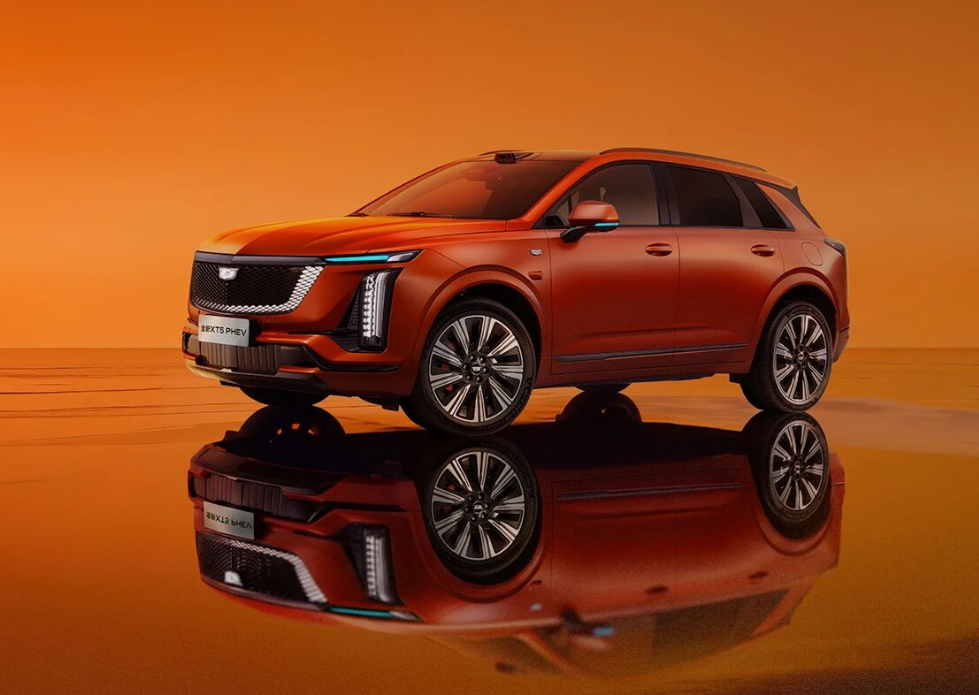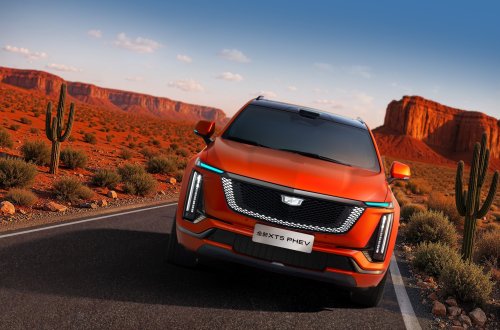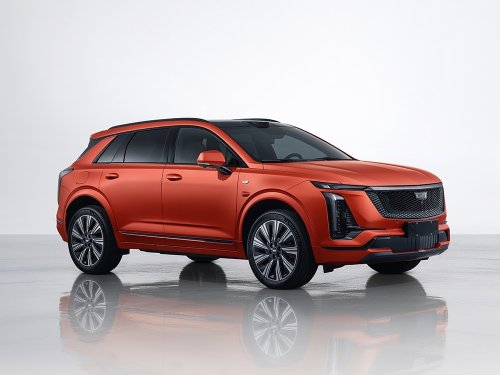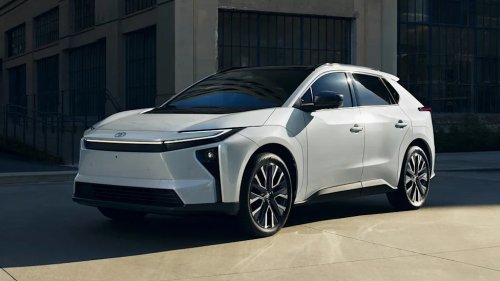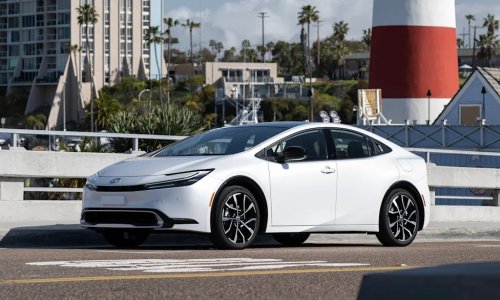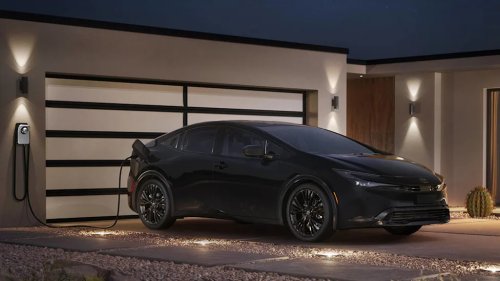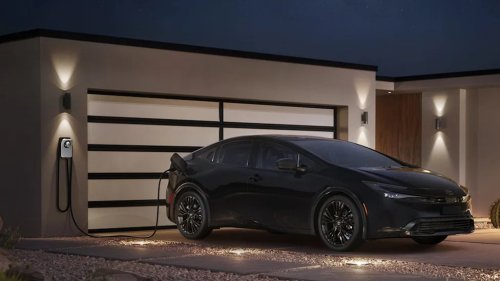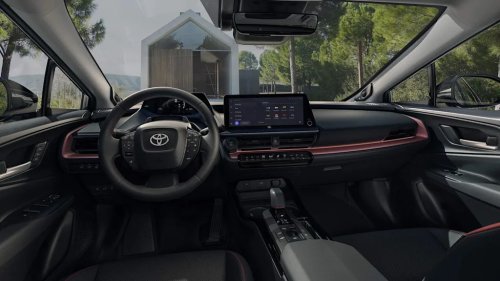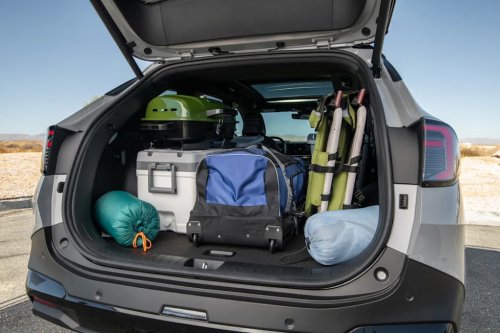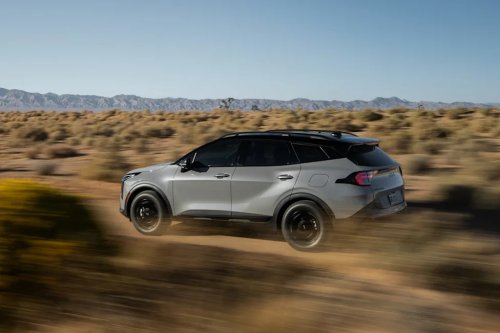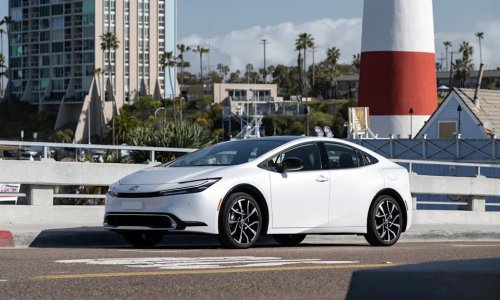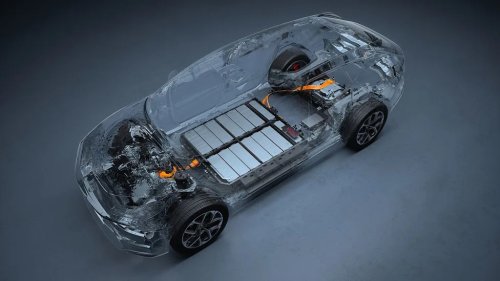
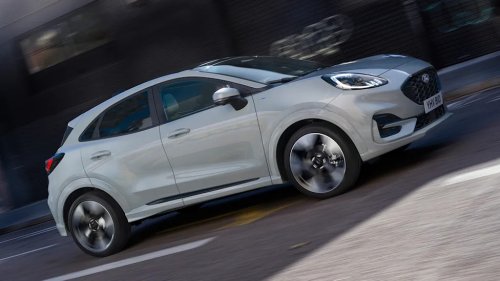
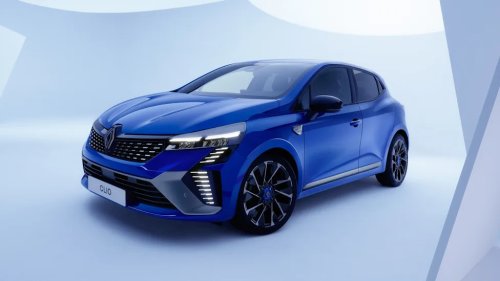
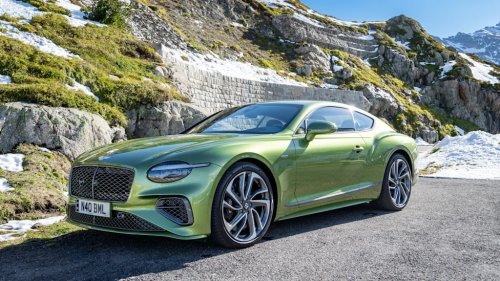
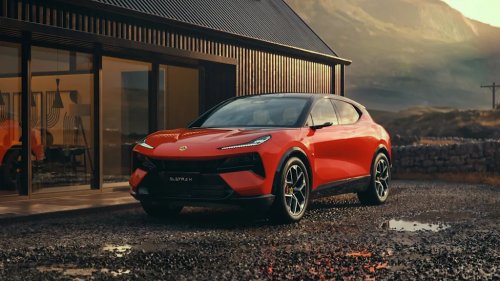



















When you buy through links on our articles, Future and its syndication partners may earn a commission.Credit: LotusHybrid cars have exploded in popularity over the past decade, and are now more sight-after than ever, thanks to how they blend the efficiency of an electric car with the long-range abilities of a petrol or diesel vehicle.The general premise is that a hybrid car has both an engine and an electric motor. Sometimes the car drives in pure-electric mode, while other times the engine fires up and drinks fuel from the tank in the conventional manner.AdvertisementAdvertisementSome hybrids can travel dozens of miles on battery power alone, while others only use the moto occasionally – and some have an engine that isn't really attached to the wheels at all.Understanding which hybrid is best for you can be tricky. Manufacturers like to describe some systems as "self-charging", while others quote enormous efficiency figures, such as over 100 miles per gallon, that are rarely achievable during normal, real-world driving. Below we've gathered up the four most common hybrid systems and explained exactly how they work, along with examples of cars that use them.Mild hybridCredit: FordOften shortened to MHEV, this is the hybrid technology pioneered by the original Toyota Prius, all the way back in 2000. A quarter of a century has refined the tech, but the fundamentals remain the same. Mild hybrid cars are predominantly driven by their petrol or diesel engine in the conventional way, but their drivetrain also incorporates a small electric motor.That motor is ready to draw from a small battery and help the engine in certain situations, but cannot drive the car alone. Mild hybrids mostly use their battery and motor to assist the engine during acceleration from low speed, and restarting the engine when the stop-start system is enabled.AdvertisementAdvertisementPowered by petrol or diesel engines, these cars cannot be plugged in to charge, as instead the small battery is topped-up using regenerative braking whenever the car is coasting is slowing down. Mild hybrid batteries operate at just 48 volts (compared to the 400 or 800 volts of EVs), and tend to be just 0-5 to 1.0 kWh in capacity, which is tiny compared to the circa 50-120 kWh batteries used by most fully-electric vehicles.Full hybridCredit: RenaultKnown as an FHEV, a full hybrid electric vehicle works in a similar way to a mild hybrid, but with a key difference – the motor and battery can drive the car directly.They can only do so with the engine off for short bursts, but it means a full hybrid car can set off from standstill and handle slow, stop-start city traffic, without the engine. The engine also frequently shuts down when coasting, such as on the motorway, and the battery is then charged by regenerative braking, or by the engine itself. Full hybrids can usually manage just a couple of miles of electric range, but in city traffic that can make a big difference to tailpipe emissions and fuel efficiency.These are the cars manufacturers like to describe as "self charging hybrids", since regenerative braking and the engine are used to refill the battery, and they cannot be plugged in for a top-up.Plug-in hybridCredit: FutureNow to the hybrid everyone is familiar with – the plug-in hybrid vehicle, or PHEV. These hybrids have far larger batteries than the models covered so far, with capacity generally between 10 and 30 kWh. This means a much larger range too, with dozens of electric-only miles possible in some cases – enough for most drivers to complete their daily commute engine-free, potentially for several days at a time, before plugging back in.AdvertisementAdvertisementPair a plug-in hybrid with a cheap home electricity tariff, and you have the potential for incredibly cheap commuting, since charging at night costs significantly less and the engine will barely ever fire into life during shorter local journeys. Some PHEVs can even manage motorway speeds for dozens of miles without consuming a drop of petrol.Like other hybrids, and EVs, plug-ins use regenerative braking to top up the battery when coasting and braking. The engine can also be used to refill the battery, but this isn't a particularly efficient use of petrol. These cars also have a 'hold' function, where battery use is paused; press this on the motorway, use the engine at its most efficient, then reactivate the hybrid system when you reach city traffic, and drive about with electric power alone.Manufacturers like to attach enormous, three-figure miles-per-gallon figures to plug-in hybrids. But these are only achievable if you use the battery as much as possible without it running out. That said, regular charging can easily make a PHEV more efficient, and cheaper to run, than an equivalent non-hybrid.Range-extender hybridCredit: LotusNow for a lesser-known type of hybrid, but one that is likely to become more popular in the coming years. An early example of the range-extended (also known as the REX, REEV and EREV) is the original BMW i3. As well as being an EV, this car was also available with a small, range-extender engine. This didn't drive the wheels, but instead acted as a generator that ran on petrol and topped up the battery, increasing range.AdvertisementAdvertisementThat generation of i3 died without a successor, but today several manufacturers are again looking at range-extender tech as a way to improve EV range and alleviate the dreaded range anxiety. Lotus recently announced the Eletre X, a version of its electric SUV with a 2.0-litre turbocharged engine that feeds the battery, boosts range to over 750 miles, and can drive the front axle during motorway cruising.Volkswagen is also looking at the tech as part of its ID Era concept from 2025, and Mazda builds a range-extender hybrid called the MX-30 R-EV. Chinese brands are also experimenting with range-extender hybrids, and BYD, Yangwang and Leapmotor all make such cars.