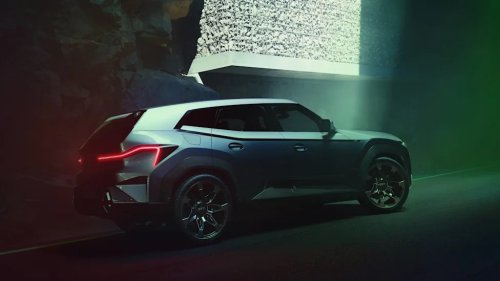
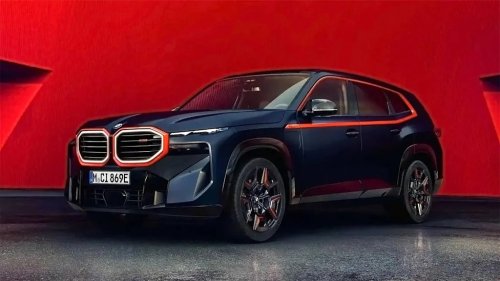
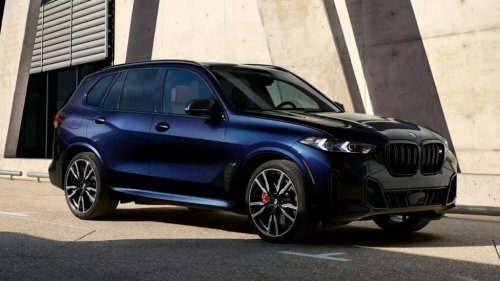
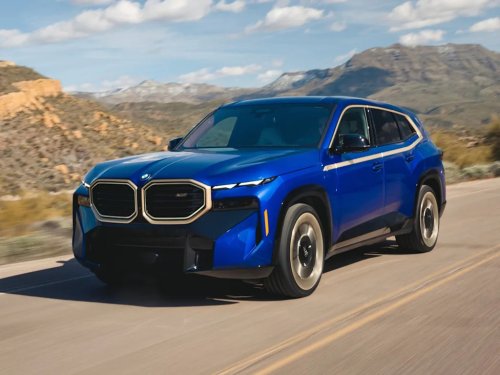
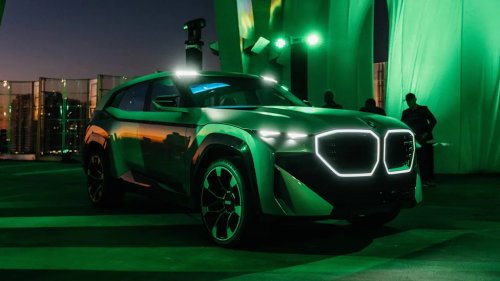
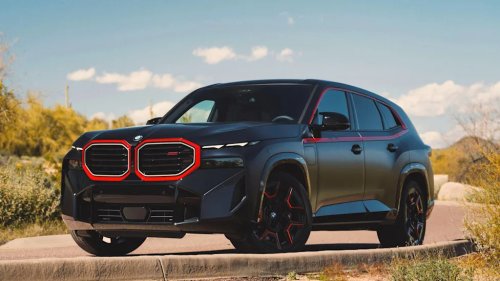
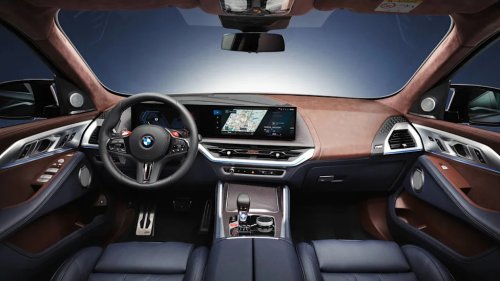
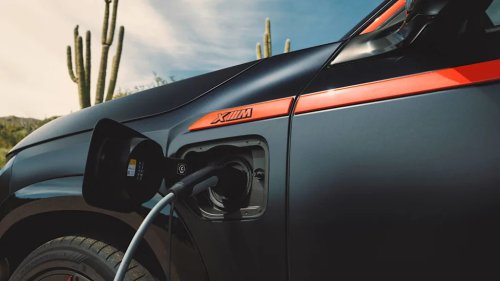
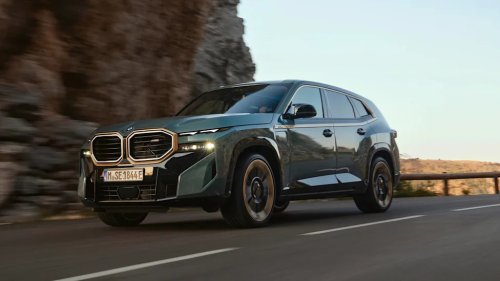
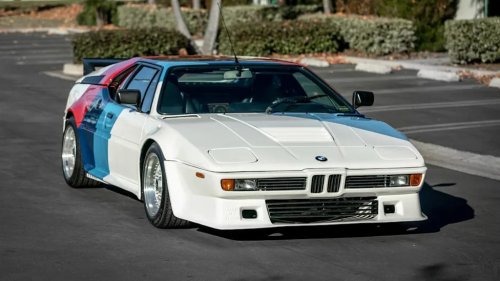
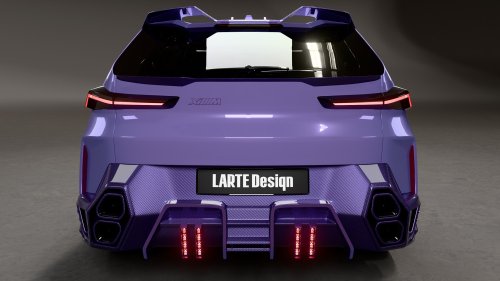
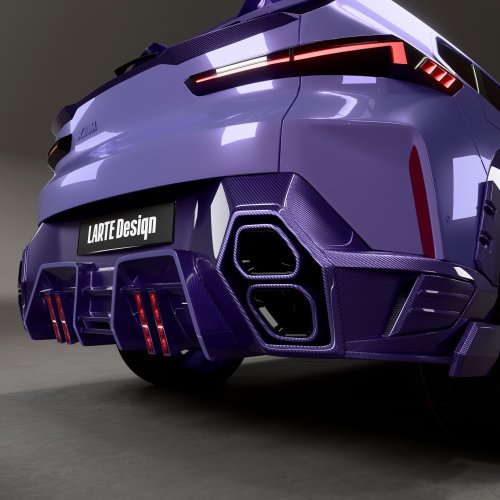
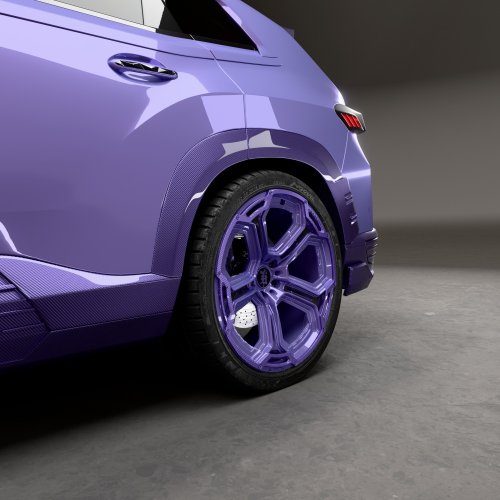
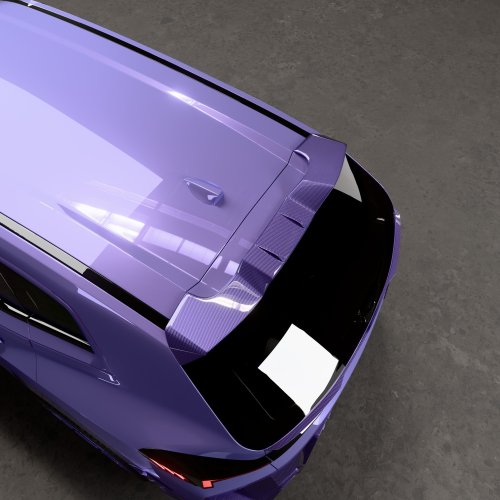
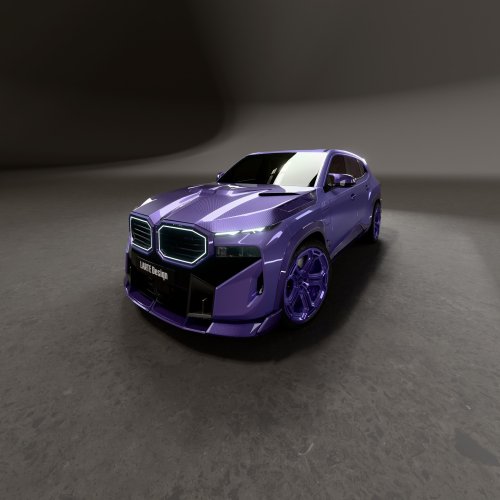
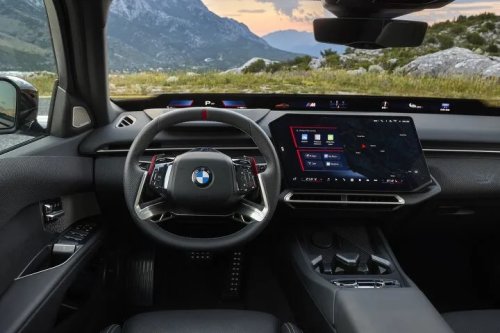
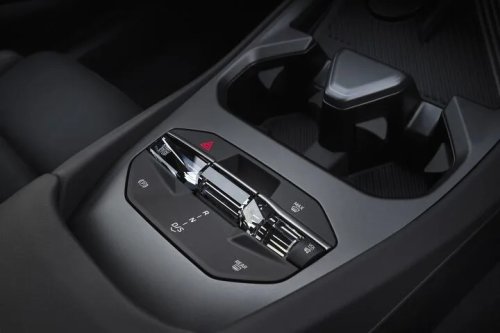
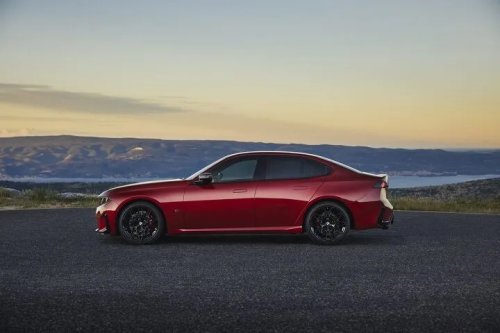
Autoblog and Yahoo may earn commission from links in this article.When More is Too MuchThe BMW XM is large, powerful, tech-infused, and downright garish in some colorways, but BMW did not build the XM to blend into the background. Even in a lineup where massive grilles and crazy colors abound, the XM is over the top. It was conceived as a rolling exclamation point: the first standalone M vehicle since the original 1978 M1 supercar, an electrified performance flagship with more than 700 horsepower in range-topping Label form, and styling bold enough to make even a maxed-out BMW X7 M60i look like a dressed-down German SUV.BMWIt's hard to deny what the XM hasn't been able to achieve. BMW sold a mere 7,608 XMs globally last year. Although the Bavarian brand never planned huge sales numbers for its most expensive vehicle, the fact that the XM was the slowest selling Bimmer was disappointing. Its outlook has worsened this year: demand through June fell 22.4 percent year over year, to just 2,816 vehicles.AdvertisementAdvertisementThe XM has struggled to find even a modicum of sales momentum in major markets, especially in China, where it attracts far less demand than BMW's more conventional high-performance models—and, in many cases, even less expensive and less powerful alternatives from within BMW's own lineup. The same goes for sales in America. The XM's high asking price of $159,600 doesn't help matters. The only comfort is that there's no extra charge for upsized wheels, real carbon fiber trim, or full Merino leather.Over the Top in Every WayAt its core, the XM was positioned as an ultra-luxury, plug-in-hybrid high-performance SUV. The BMW approach to a tech-forward, plug-in hybrid super-SUV once seemed like a worthy pursuit, especially when the X5 M and X6 M were hot-sellers. Wealthy buyers increasingly want SUVs, plug-in hybrid powertrains can deliver insane levels of torque, and BMW M has successfully expanded beyond coupes and sedans, making high-performance SUVs some of their best-sellers.2026 BMW X5 MBMWBut the XM, especially at this price, is an outlier. Buyers looking for a fast, practical BMW SUV could buy an X5 M or X6 M, both of which offer familiar proportions, better looks, less polarizing color schemes, strong performance, and a more approachable price. Buyers who wanted maximum luxury could move into a well-equipped X7, which offers more third-row utility and a less confrontational design. And those desiring the most dramatic exotic SUV experience had alternatives including the Lamborghini Urus, Ferrari Purosangue, Aston Martin DBX707, and high-end versions of the Porsche Cayenne.In-Your-Face Styling, More Than Most BimmersBMWBMW intended the XM to be polarizing. The company openly embraced its aggressive exterior design, including split headlights, an illuminated kidney grille, angular bodywork, stacked exhaust outlets, and bright accent trim. It's obvious that BMW meant to make the XM instantly recognizable and give it the visual attitude expected of a flagship M product. Yet polarizing design only works when enough people are drawn to it. In some colorways, the XM looks downright silly.BMWAdvertisementAdvertisementThe XM's proportions have been especially difficult for critics and shoppers to accept. It is a large, heavy SUV, but its detailing is a mashup of big angles, garish wheel arches, and overblown bumpers. Unlike the original M1—which was visually distinct because it was a low-slung mid-engine sports car—the XM borrows its basic architecture from a mainstream luxury SUV and layers on increasingly elaborate styling cues that are noticeable but not especially attractive.Price Is Hard to DefendThe XM entered the market with a six-figure-plus price tag, while the more powerful XM Red Label pushed substantially higher, nearing $187,000. That placed it in direct competition with vehicles carrying stronger luxury, performance, or exclusivity credentials. BMW had to adjust and just make one model, the XM Label for 2026. Yes, it delivers an insane 738 horsepower, and the price has dropped, but it's still pretty pricey. BMW is actually discounting them just to move more of them off the lots.The issue was not simply that the XM was expensive. BMW has no difficulty selling expensive vehicles. The problem was that buyers could spend less on an X5 M Competition and receive a similarly outrageous twin-turbocharged V8 experience in a more familiar (and more attractive) package. They could also spend comparable money on alternatives that offered a clearer identity: Porsche Cayenne Turbo GT, Range Rover, or a great all-arounder like the Mercedes-AMG GLS 63.The Plug-In Hybrid CompromiseBMW's plug-in-hybrid system gave the XM impressive specifications. In the XM Label, the electric motor adds 194 ponies, combining with a tuned V8 for a total output of 738 horsepower. The system also provides 30 miles of all-electric driving range, although it falls short of competitors. The XM's powertrain helped BMW present the model as a bridge between traditional M performance and full-electrification.BMWAdvertisementAdvertisementIt offers what the X5 M and X6 M don't, but the hybrid system also adds something that doesn't help: added weight that brings the total to around 6,100 lbs. That's considerably more than the M5 Touring (5,530 lbs.), the X5 M Competition (5,498 lbs.), and the i7 M70 xDrive60 (5,820 lbs). The XM is exceptionally heavy for a vehicle wearing an M badge, and that undermined its appeal among enthusiasts who still associate BMW M with agility, responsiveness, and driver connection.harouts_bmw/Bring a TrailerThe spirit of the first M car, the legendary, lightweight, and stunning M1 didn't make its way into the XM. The extra mass did not make the XM slow—it is extremely quick, getting to 60 mph from a standstill in 3.7 seconds. It's also shockingly capable in spite of its heft. The coil-spring suspension system also gets adaptive dampers and active anti-roll bars, managing myriad surfaces capably. But if you want to dial up the performance, the resulting stiffness is a bit much to bear. It's also impossible to ignore the XM's corpulence when the car is pushed. It makes the X5 M Competition feel nimble by comparison.Final ThoughtsThe XM probably won't see another generation. It seems the brand has no current plans to replace it. Moreover, the XM won't go down in memory as a legend but more of a miscalculation. It represented BMW M's attempt to create a new halo product for a changing luxury market: SUV-focused, electrified, expensive, and extroverted. Perhaps the brand will do something less polarizing, lighter, and more in line with its M-badged hits.This story was originally published by Autoblog on Aug 25, 2026, where it first appeared in the Features section. Add Autoblog as a Preferred Source by clicking here.