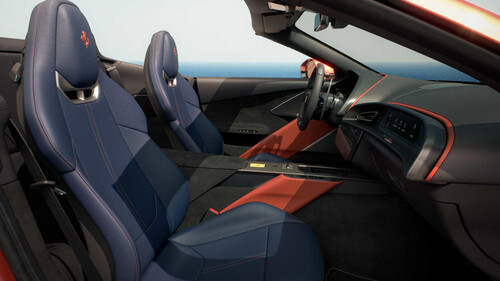
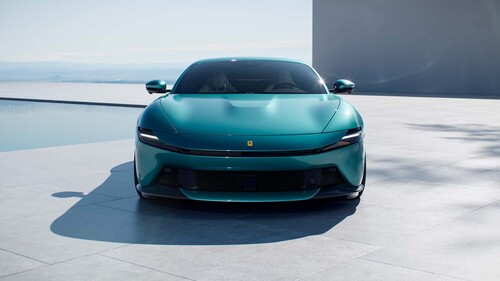
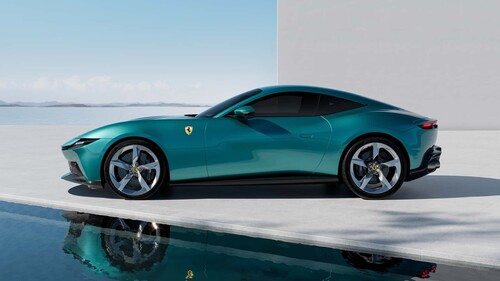
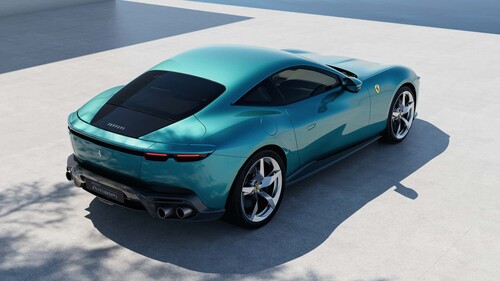
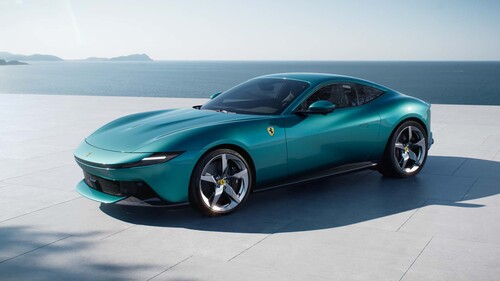
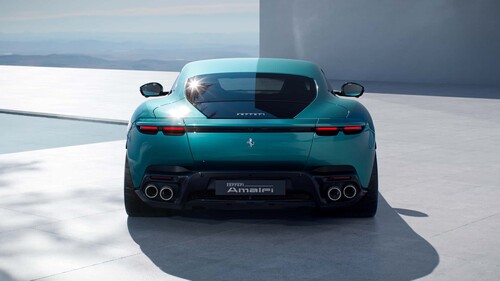
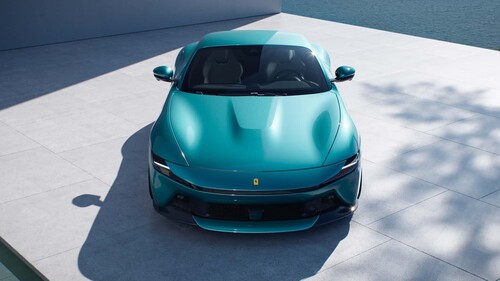
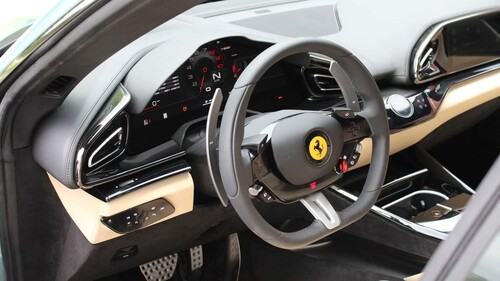
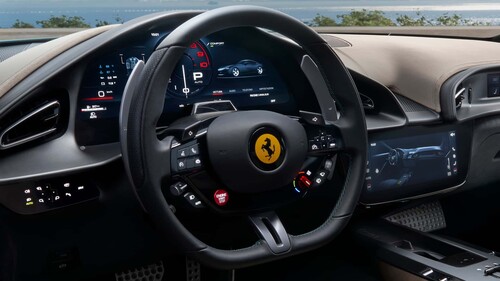
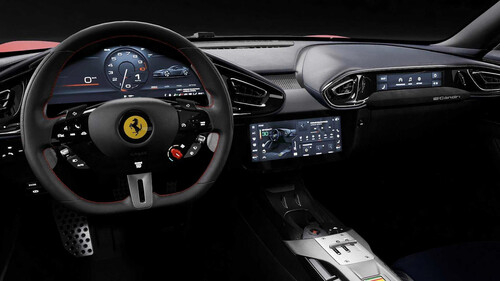
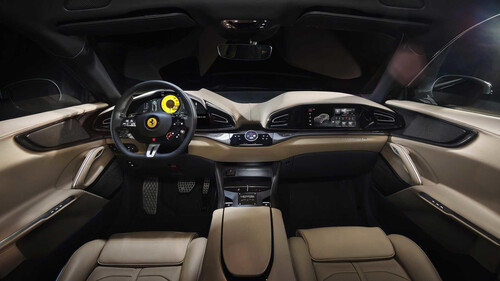
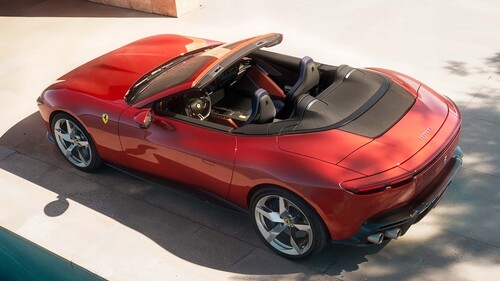
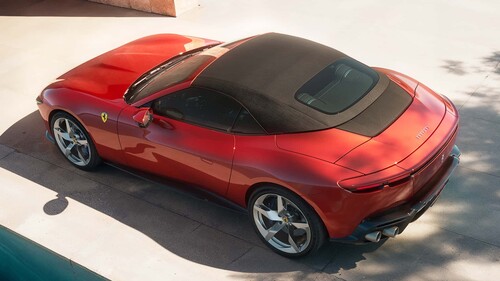
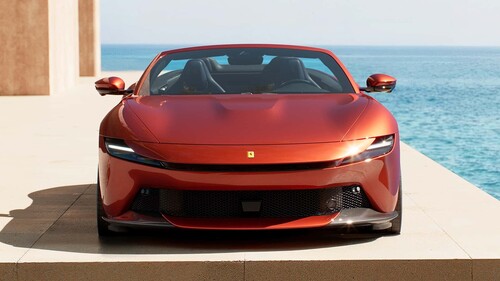
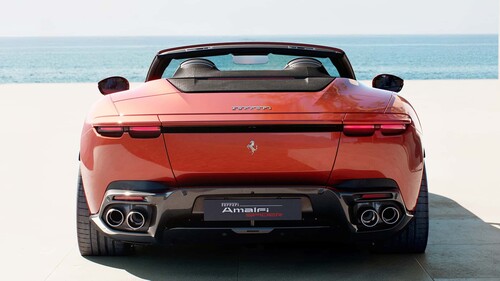
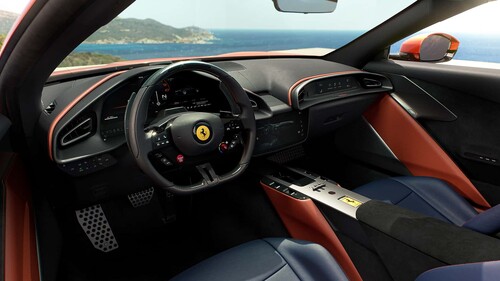
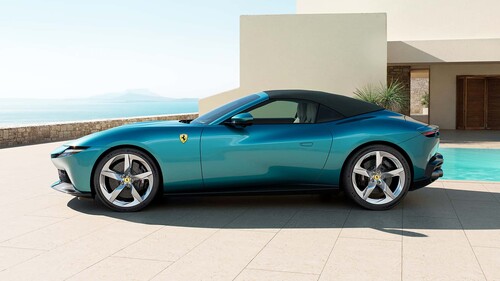
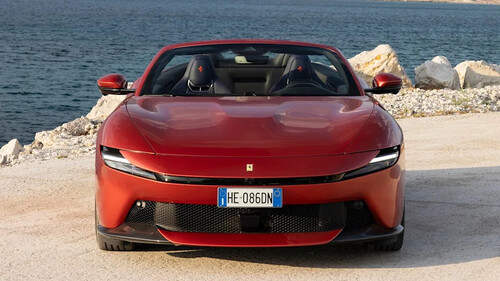
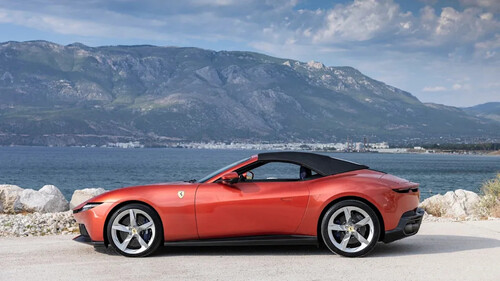
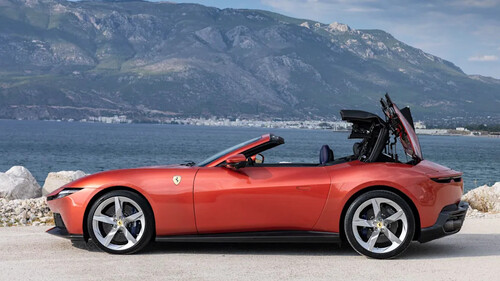
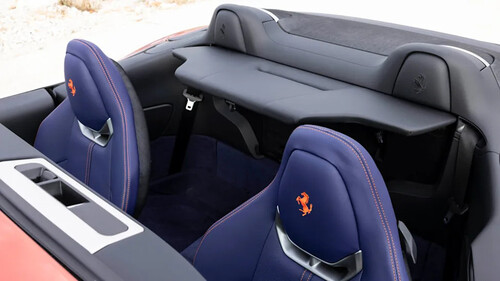
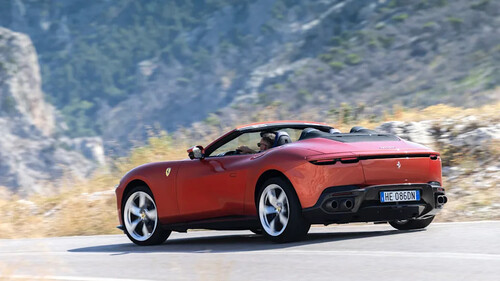
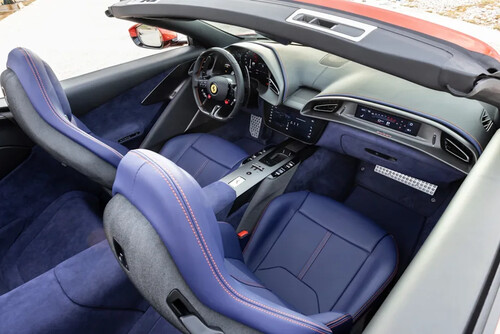
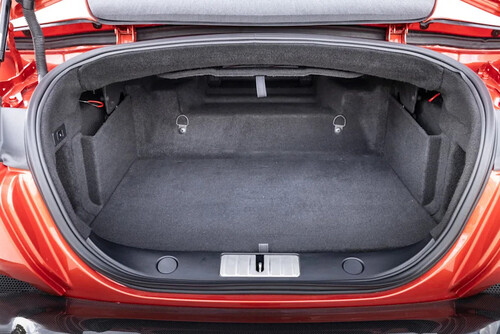
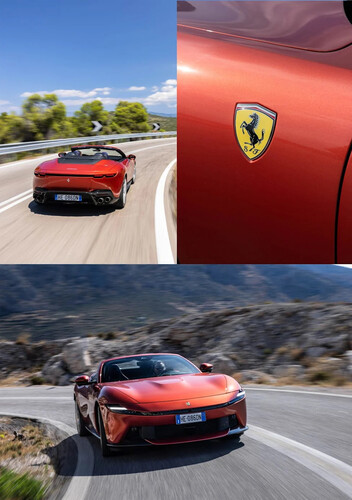
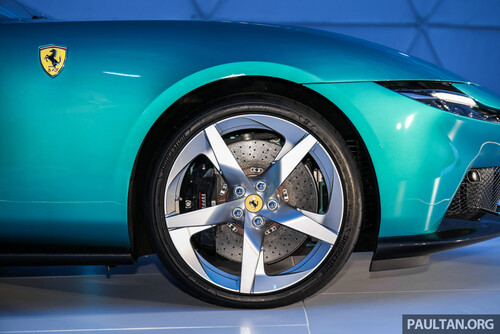
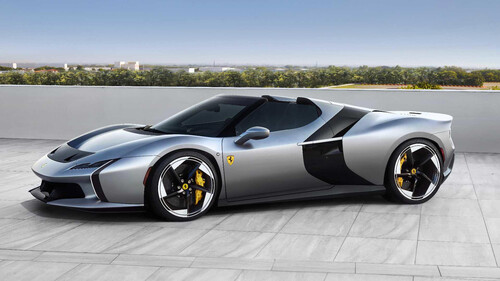
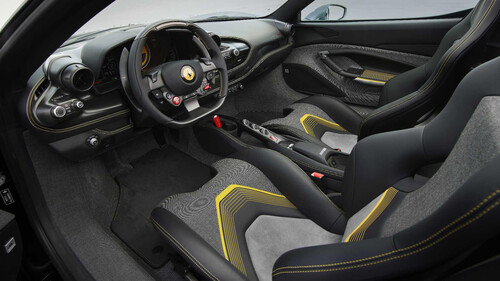
Ferrari Amalfi Spider drops its top and unleashes 631 hp V8 madnessThe Ferrari Amalfi Spider arrives as the open-air evolution of Maranello’s newest grand tourer, and you feel its intent the moment the fabric roof disappears and the 631 hp V8 clears its throat. This is a car built to turn long journeys into fast, cinematic experiences, with the same 3.9-liter punch as the coupe and a body tailored to make the most of sky, sound, and speed. The Amalfi story and where the Spider fits You first meet this car through the lineage of the Ferrari Amalfi itself, a grand touring coupe identified as Type F169M and produced by Italian manufacturer Ferrari. The fixed-roof model established the template: front mid-mounted twin-turbo V8, 2+2 layout, and a focus on long-distance comfort wrapped in a sleek body that replaced the Roma as Ferrari’s core GT. From there, the convertible Ferrari Amalfi Spider extends the same formula into a roofless package that raises the price over the coupé but adds the drama of open sky. The brand itself presents The Ferrari Amalfi as The Future of Grand Touring, and the Spider is the natural answer if you want that vision with more sun and more soundtrack. Engine, power, and performance numbers Under the sculpted hood, you still get a twin-turbocharged 3.9-liter V8, so the Spider does not dilute the mechanical heart that defines the coupe. The unit produces 631 horsepower and 560 pound-feet of torque, figures that put you squarely in modern supercar territory even though the car positions itself as a GT. According to one detailed technical breakdown, The Amalfi Spider pairs this output with a projected 199 mph top speed. Ferrari keeps the drivetrain closely aligned with the coupe, which means you benefit from the same 8-speed dual-clutch transmission and rear-wheel-drive layout. Reporting on the launch notes that the Amalfi Spider maintains the 3.9-liter engine and 631 hp, and that it works with an 8-speed dual-clutch automatic to deliver the numbers. You can expect 0 to 62 m in around 3.3 seconds, with the Spider only 0.4 second behind the coupe by the time you reach 124 m, according to performance figures shared for the Spider. On the road, those numbers translate into a car that feels ferocious when you lean on the throttle yet remains measured enough for grand touring. You are not just dealing with straight-line speed, either. The Spider inherits the coupe’s chassis tuning, driving modes, and electronic helpers, so you can tailor the car from relaxed highway cruiser to back-road weapon with a simple twist of the manettino. Roof mechanism and open-air experience The core difference you experience sits above your head. The Amalfi Spider uses a retractable soft-top roof that prioritizes both speed and elegance of operation. Visual walkarounds of The Amalfi Spider show a compact mechanism that folds neatly without swallowing the trunk, which matters if you plan to cross a continent with luggage. Operation is possible at urban speeds, so you do not have to pull over every time the weather changes. The fabric itself is designed to shimmer in the sunlight and match the car’s more sensual bodywork. With the roof down, you sit closer to the V8’s soundtrack, and Ferrari’s calibration of the exhaust and intake lets you hear more of the engine’s character without turning the cabin into a wind tunnel. Design, proportions, and the “Future of Grand Touring” Visually, you recognize the Spider instantly as part of the Amalfi family. The long hood, compact cabin, and muscular rear haunches all carry over, but the absence of a fixed roof lets the designers emphasize the car’s waistline and rear deck. Ferrari has been explicit about positioning Future of Grand around this silhouette: a front-mid-engine layout that gives you balance, luggage space, and the drama of a classic GT profile. Compared with the Roma that the Amalfi replaces, you feel a stronger emphasis on sculpture and surfacing. The Spider’s rear deck is reworked to house the roof, with flying-buttress-style shapes that guide air cleanly while framing the roll-over structures. The result is a car that looks equally composed with the roof up or down, which matters when you arrive somewhere and want it to make a statement even in bad weather. Interior tech and 2+2 practicality Inside, you sit in an environment that closely mirrors the coupe. The dashboard wraps around both driver and passenger, and you interact with a 15.6-inch digital instrument cluster and a 10.3-inch central touchscreen, dimensions highlighted in a detailed look at the 15.6-inch and 10.3-inch displays. There is also a passenger display, so whoever rides with you can follow navigation, media, and performance data without leaning over your shoulder. The car keeps a 2+2 layout. The rear seats are best suited to short trips or small passengers, yet they give you flexibility that a strict two-seater cannot match. For weekend travel, you can fold luggage into the rear bench and still have a usable trunk, which the roof mechanism has been engineered not to compromise. You feel the Spider’s GT brief most clearly here: it is still a Ferrari, but it is one you can sensibly take on a long tour. How the Spider differs from the coupe When you compare the Spider to the fixed-roof Amalfi, you see a careful effort to preserve performance while adding drama. The engine output remains identical at 631 horsepower, and the 0 to 62 m time of 3.3 seconds matches the coupe’s figure. Only at higher speeds does the Spider give up a fraction of pace, with that 0.4 second deficit by 124 m that you are unlikely to notice outside a track. Structurally, Ferrari has reinforced the chassis to maintain rigidity without adding excessive weight, which explains why the performance gap is so small. The driving modes and electronic systems carry over unchanged, so you can move between comfort and more aggressive calibrations exactly as you would in the coupe. You trade a slight increase in mass for the sensory gain of open-air driving, a compromise that suits the grand touring mission. Positioning in the Ferrari range You should also see the Amalfi Spider in the context of the wider Ferrari lineup. The Ferrari Amalfi sits as a front-engined GT, distinct from mid-engined models and from the V12 12Cilindri, and the Spider gives that segment an open-top option that had been missing since the Roma’s departure. You get a car that is less extreme than track-focused specials yet far more engaging than a conventional luxury cabriolet. Launch coverage describes how Ferrari unveiled the Ferrari Amalfi Spider in Maranello as a V8 2+ spider with a front-mid-mounted engine that extends the brand’s GT strategy. Another overview of the debut notes that Ferrari’s new Amalfi brings 631 hp with the top down and frames it as the convertible evolution of the updated Roma concept. You are effectively getting the latest interpretation of Ferrari’s front-engined V8 grand tourer, now tuned for open-air theatre. Why this 631 hp Spider matters for you If you are considering a high-end GT, the Amalfi Spider offers a distinctive mix. You get 631-HP performance that rivals serious supercars, as highlighted in coverage of 631-HP roofless designs, yet you also enjoy a cabin that encourages long journeys and a roof that can vanish in seconds. You do not have to choose between comfort and spectacle. The Spider also speaks directly to how you might want to use a Ferrari. Instead of a car that only comes alive on a circuit, you get one that feels special at 40 mph through a coastal town or at 140 mph on a derestricted highway. The combination of a 3.9-liter V8, a finely tuned chassis, and the simple act of dropping the top turns every drive into an event. If you want a Ferrari that fits your life as well as your dreams, the Amalfi Spider gives you a compelling new way to do both. More from Fast Lane Only Unboxing the WWII Jeep in a Crate 15 rare Chevys collectors are quietly buying 10 underrated V8s still worth hunting down Police notice this before you even roll window down