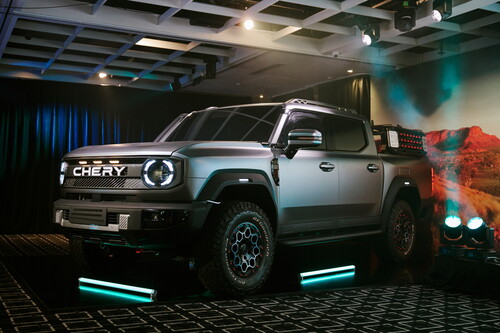
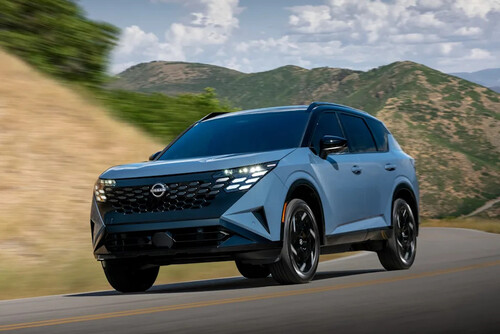
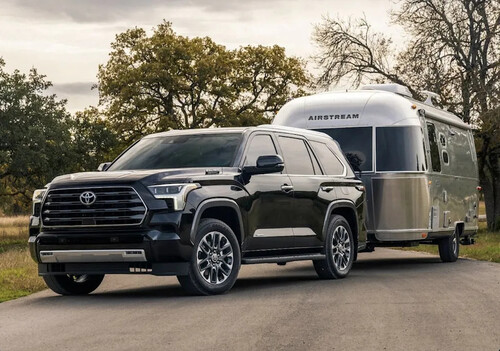
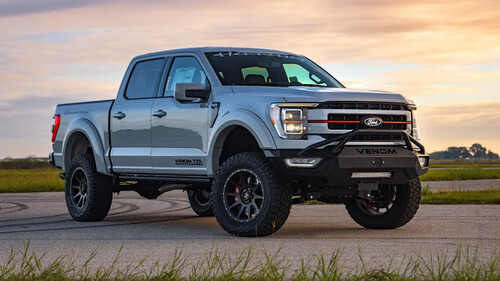
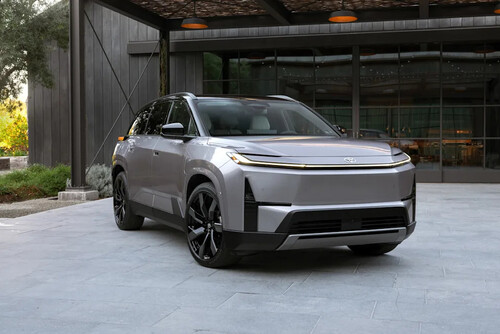
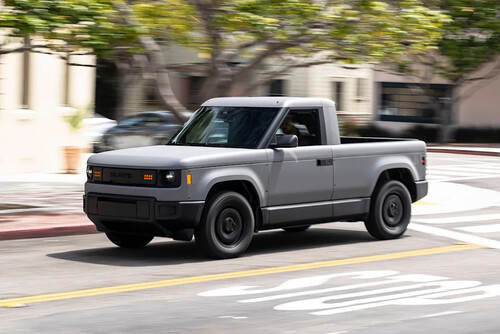
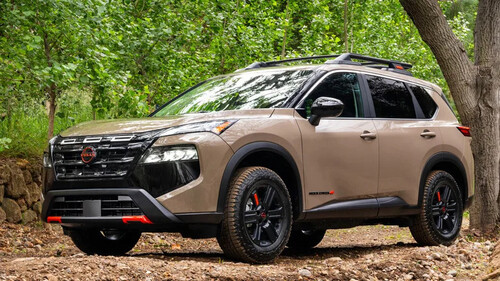
Autoblog and Yahoo may earn commission from links in this article.A Changing Hybrid LandscapeRemember when hybrids weren't as popular as they are now? If you wanted to save at the pumps, your options were limited to a few – mostly using a classic combustion engine working in concert with an electric motor, like the Toyota Prius. Today, there are plenty of electrified vehicle types: mild hybrids, full hybrids, plug-in hybrid electric vehicles (PHEVs), and full-on EVs, all vying for your consideration.Conventional hybrids still rule the streets, but PHEVs have established a niche thanks to their ability to cruise on electricity alone before the gas engine kicks in. For a lot of folks, they're the Goldilocks option – not quite a full EV, but much more electric than your average hybrid.ToyotaNow, another type of electrified vehicle is entering the conversation: the extended-range electric vehicle, or EREV. Although EREVs remain relatively uncommon in the US, several automakers are preparing to launch their own versions. Ram, Scout Motors, and Ford have all announced their intention to introduce range-extender technology to address concerns about charging infrastructure and long-distance travel.AdvertisementAdvertisementSo, here's the crucial question: what actually sets these two apart? Where do they shine, where do they stumble, and – most importantly – can you count on either one to go the distance?Ford ChinaWhat is a PHEV?A PHEV is basically a hybrid with a twist: it packs a gas engine, an electric motor, and a battery you can actually plug in. Unlike regular hybrids, you get to drive on pure electricity for a while before the engine has to step in. One example would be the Toyota RAV4 GR Sport, which has an all-electric range of 54 miles.That said, once you run out of juice, PHEVs revert to a regular hybrid. And that's the main advantage: you can handle your daily grind on mostly electricity while still having a combustion engine in your back pocket for those longer hauls.The drawback, however, is that a PHEV delivers its greatest benefits only when it's charged regularly, taking advantage of the EV range for short drives. However, many owners statistically plug in less often than expected, reducing both capability and emissions advantages.What is an EREV?An EREV also combines a battery, an electric motor, and a gas engine, but the way they work together is a whole different story.AdvertisementAdvertisementThe big twist with an EREV: only the electric motor actually moves the car. The gas engine never touches the wheels – it just acts as a generator, kicking in to make electricity when your battery runs low. Nissan's e-Power technology, which will enter North America with the Rogue Hybrid, is one example of an EREV.That distinction is at the heart of the PHEV vs EREV comparison. Since the electric motor is always in charge, driving an EREV feels a lot like piloting a full-on EV. Most EREVs even come with bigger batteries than your average PHEV, so you can go farther on electricity before the gas generator has to wake up.NissanEREV vs PHEV: Pros and Cons of EachWhen comparing EREV vehicle vs PHEV, each technology features its own advantages. PHEVs are dedicated to flexibility. You can zip around town on electricity, then lean on gasoline for road trips. They're everywhere – sedans, SUVs, you name it – and if you have a place to plug in, you can really cut down on fuel use.But here's the rub: PHEVs are pretty complicated under the hood, since both the engine and electric motor can drive the wheels. And if you slack off on charging, your PHEV basically turns into a heavier regular hybrid, losing a lot of its magic.AdvertisementAdvertisementEREVs are a little different – the electric motor is always in charge, so the drive feels the same whether you're running on battery or the generator is humming away. The gas engine gets an easier life too, since it's just making electricity instead of contending with the wheels.The downside? EREVs are still rare birds, with only a handful of options out there. Bigger batteries can mean a bigger price tag, and just like PHEVs, you're still dealing with both electric and gas hardware – so they're not as simple as a pure EV.Nissan/YouTubeView the 2 images of this gallery on the original articleWhich Is More Reliable?Reliability isn't just about breakdowns – it's about whether your car actually delivers on what it promises, day in and day out. Mechanically, PHEVs are handling a lot: engine, electric motor, transmission – all working together to move you. More moving parts don't always mean more problems, but it does mean more stuff that could need fixing down the road.AdvertisementAdvertisementIn the case of EREVs, only the electric motor drives the wheels, and the gas engine just sits back and makes electricity, usually under steady, predictable conditions. In theory, that could mean less wear and tear on the engine.Then there's how people actually use these cars. PHEVs need regular charging to really pay off, but EREVs are built to keep electric driving front and center, no matter how often you plug in. That means their benefits are more consistent, no matter who's behind the wheel.The catch? EREVs are still the new kids on the block. PHEVs have years of real-world data to back them up, but we don't yet have the same track record for EREVs.Right now, PHEVs win on experience – they've been around the block. But EREVs might have the upper hand in terms of simpler drivetrains and a more predictable driving experience.KiaFinal ThoughtsPicking between a PHEV and an EREV really depends on how you drive. If you've got a place to plug in and want the freedom to switch between electric and gas, a PHEV is probably your best bet. They're familiar, easy to live with, and come in just about every shape and size.AdvertisementAdvertisementEREVs are for folks who want that EV-driving advantage but aren't inclined to trust their lives to the public charging network. Kind of like regular hybrids, but with electric driving front and center, plus a gas backup for longer trips.So, which one's better? At this point, the answer's still up in the air. PHEVs are the old guard, but EREVs are coming up fast with a simpler, electric-first attitude. As more brands jump into the range-extender game, expect the EREV vs PHEV debate to get even louder.Scout MotorsView the 4 images of this gallery on the original articleThis story was originally published by Autoblog on Jun 16, 2026, where it first appeared in the Features section. Add Autoblog as a Preferred Source by clicking here.