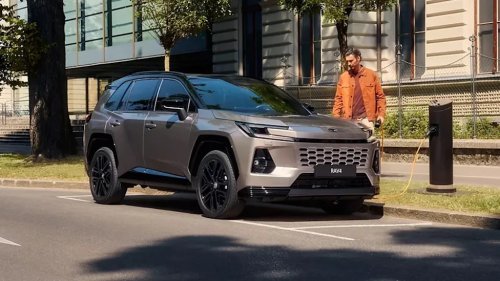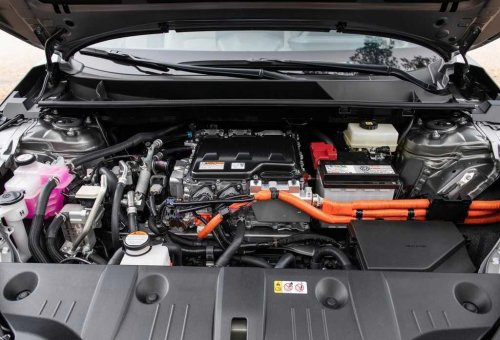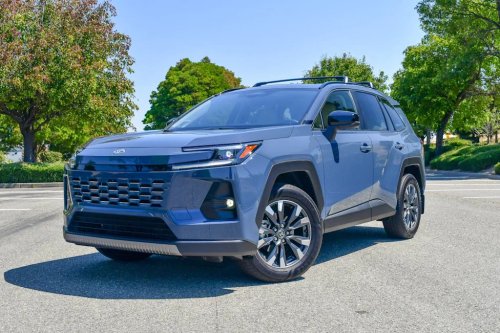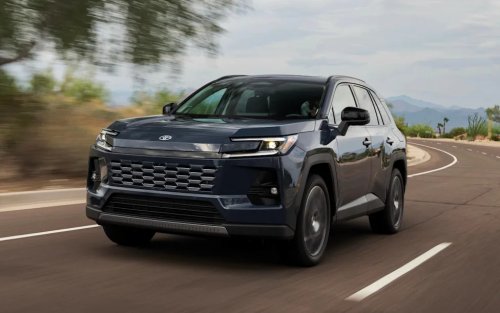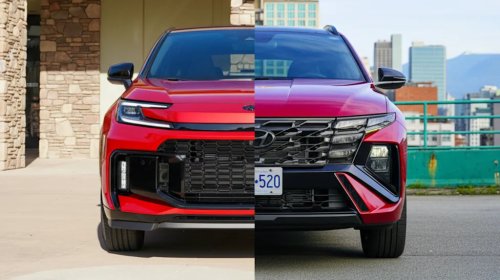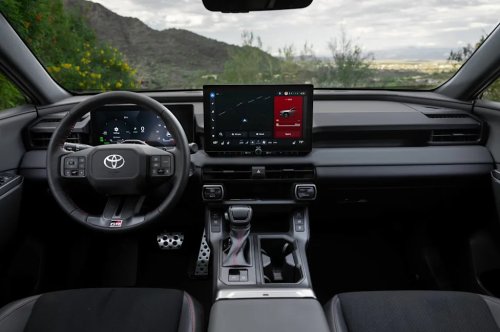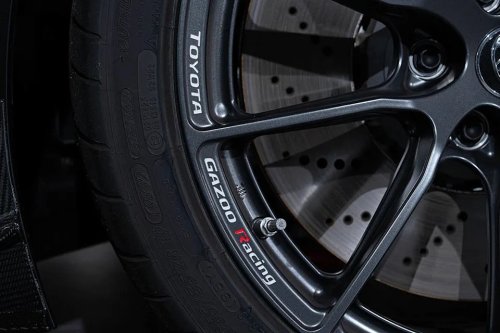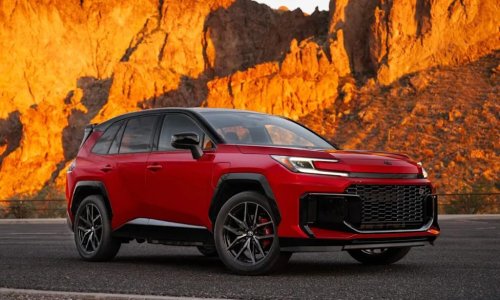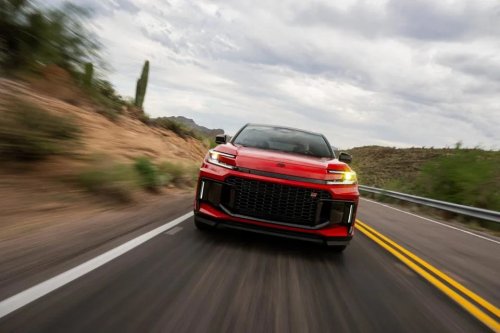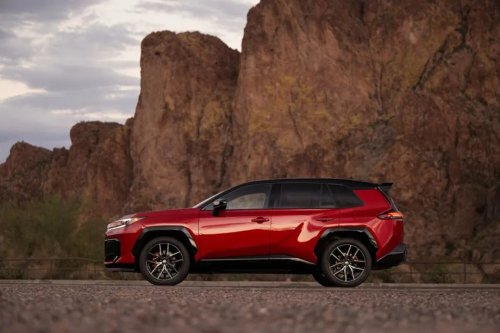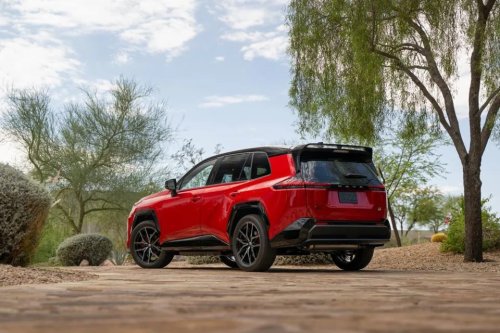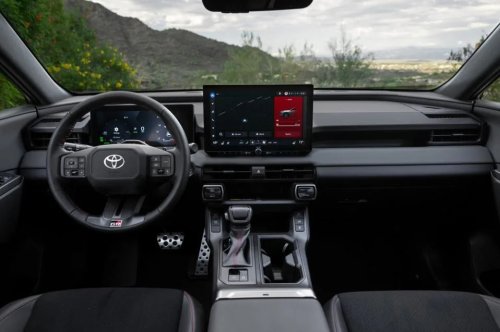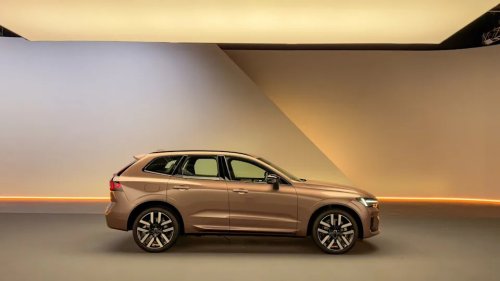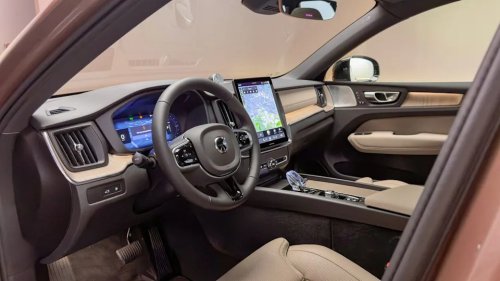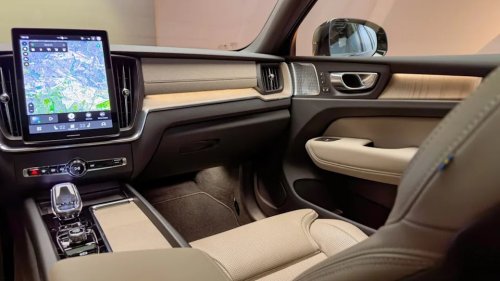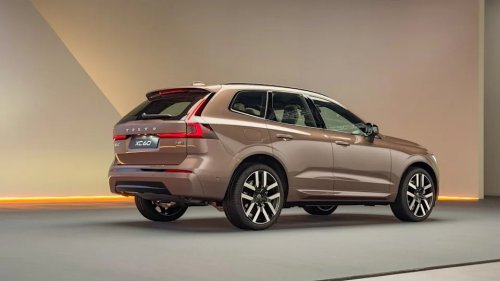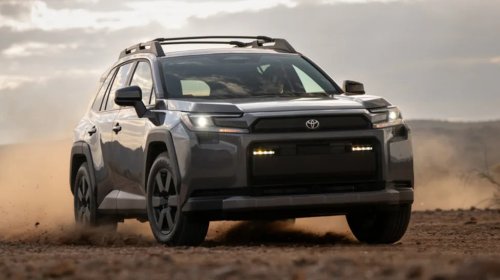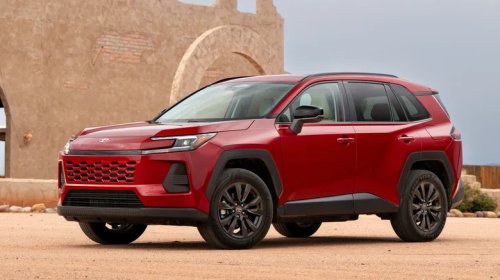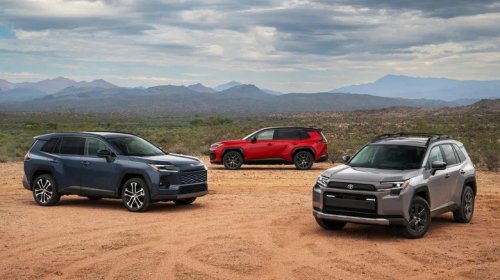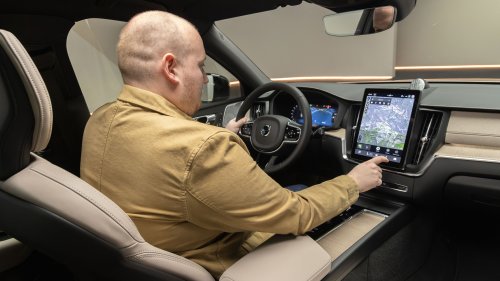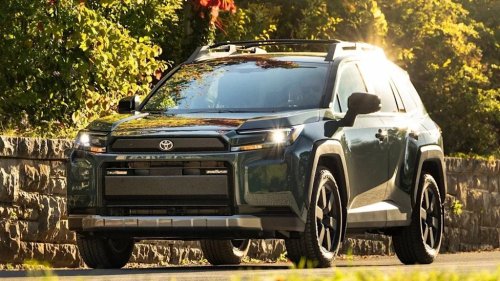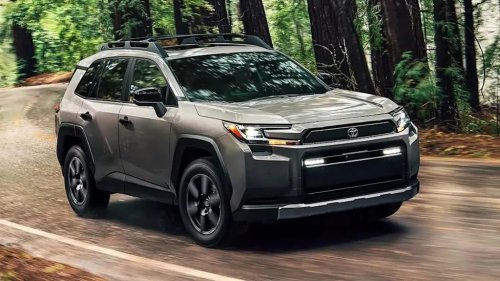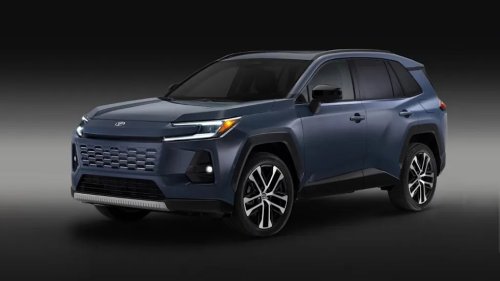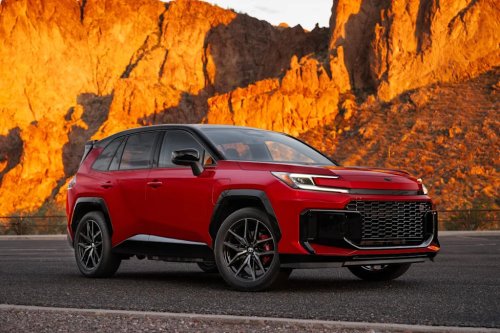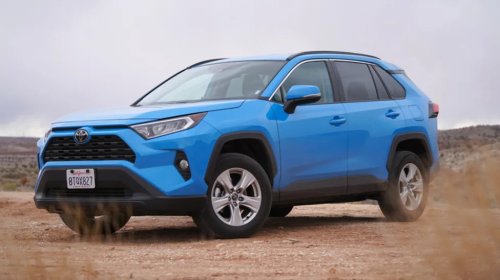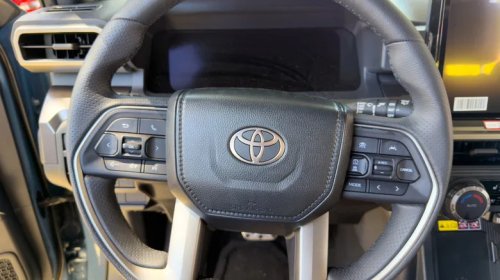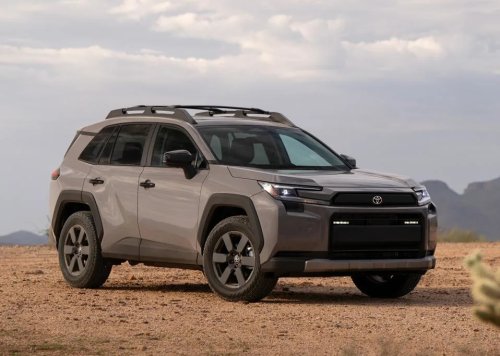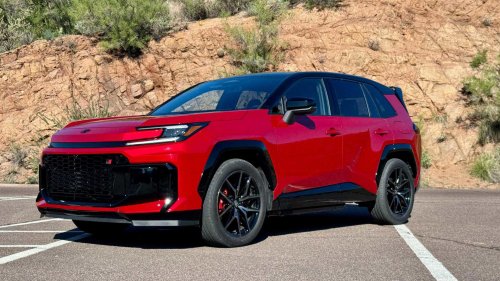
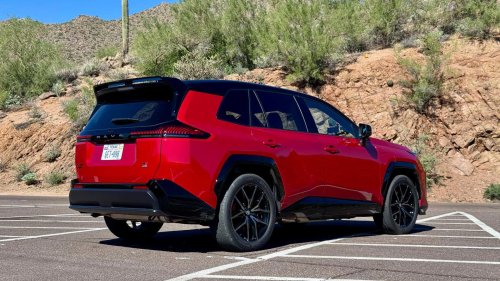
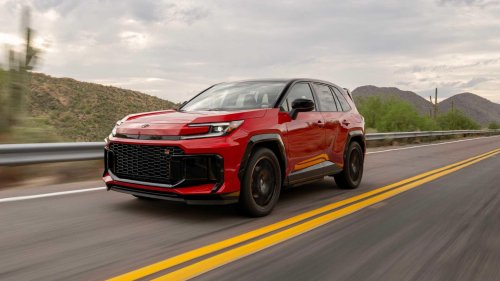
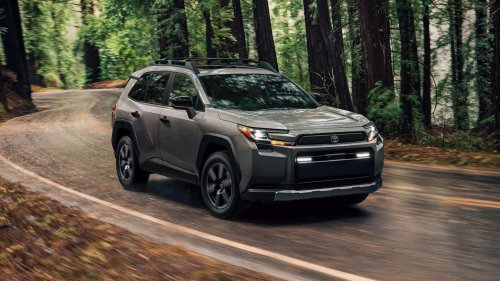
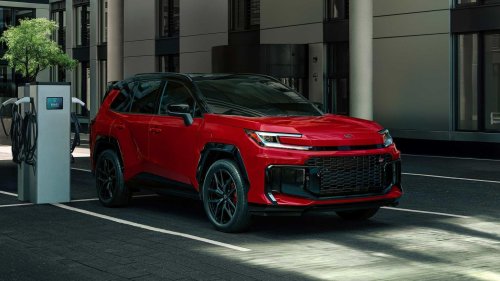
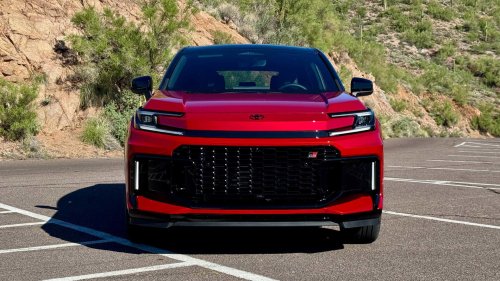



















One of the big misconceptions in the automotive world is that Toyota lost the electric vehicle (EV) race to the likes of Tesla and Hyundai. For years, critics (the "greenies," if we may call them that) loudly condemned the Japanese brand for dragging its feet on full electrification, pointing to the bZ4X—now called the bZ in the US—as evidence of its so-called reluctance. But the new 2026 RAV4 Plug-In Hybrid (PHEV) flips that narrative entirely. By transforming this crossover into a stealthy electric vehicle, Toyota validated every skeptical buyer and made its own dedicated electric platform look virtually redundant in the process. Why The Toyota Strategy Shines Jared Rosenholtz/CarBuzz/Valnet The automotive industry has spent the better part of a decade (perhaps laughably) insisting that pure battery electric vehicles are the only acceptable path forward for modern transportation. In the United States, this mandate arrived with a significant amount of consumer anxiety, tied to inadequate public infrastructure, wildly unpredictable charging speeds, and severe range limitations during winter months. During this frenzied push toward total electrification, Toyota appeared resistant to the trend.The launch of the bZ felt somewhat obligatory, acting as a token placeholder rather than a car that is part of a "passionate revolution." However, the true brilliance of this calculated reluctance is finally visible. Toyota understood that American buyers didn't inherently desire an EV for the sake of owning an EV; they wanted the practical benefits without the associated compromises.The 2026 RAV4 PHEV stands as the bastion of Toyota’s vision. It takes the familiar, wildly successful RAV4 blueprint and injects a sixth-generation PHEV powertrain that transforms its capability. Rather than abandoning internal combustion entirely, this setup leverages the exact parameters of the American commute to offer a zero-emission experience for daily routines. You get the environmental benefits and torque-rich driving dynamics of a modern EV, combined with the highway cruising potential of a traditional gas engine.The bZ demands behavioral changes from its owners. Just like any other EV out there, it forces owners to map charging stops and calculate how cooler conditions will impact driving range. In contrast, the RAV4 PHEV demands nothing new from the driver and proves that a logical integration of new technologies vastly outperforms forced disruption. PHEV Value Defeats Electric EV Over 320 HP For The RAV4 PHEV Jared Rosenholtz/CarBuzz/Valnet It is not unusual to think that consumers will cross-shop the RAV4 PHEV against full EVs, notably the Tesla Model Y and Toyota/Lexus's own dedicated electric crossovers. And when you place these spec sheets side by side, the logic behind choosing a pure EV begins to unravel for the average household. The RAV4 PHEV is not simply an efficiency exercise built to satisfy emissions regulations; it is a performance machine that easily dominates its stablemates and direct competitors. With a combined system output that climbs up to 324 horsepower, it eclipses the bZ's relatively modest output.When you press the accelerator pedal, the combination of instant electric torque and high-revving internal combustion power sends this SUV from 0-60 mph in just over 5 seconds. This startling figure makes it noticeably quicker than many dedicated electric vehicles currently on the market for around the same price point, and it refutes the notion that hybrid powertrains are inherently sluggish, compromised, or boring to drive. The driving dynamics deliver a surge of immediate acceleration that feels refined, ensuring that buyers do not have to sacrifice excitement in the name of environmental practicality."Believe it or not, the RAV4 PHEV's EV mode is quicker from 0-60 mph than a BMW M5 or McLaren Artura without their gas engines. And when you aren't driving spiritedly, the PHEV system works flawlessly, transitioning from electric to gas without alerting the driver."- Jared Rosenholtz, Editor-At-Large, CarBuzzWhen you opt for the RAV4 PHEV, you are essentially buying a high-performance sleeper that also happens to be incredibly fuel-efficient. While the bZ focuses on simply existing as an EV, the PHEV focuses on being a comprehensively superior vehicle first and foremost. The fact that the RAV4 has more horsepower while retaining its reliable gas backup exposes a reality: the dedicated electric platform is currently a harder sell when the hybrid alternative performs this well.!!!MODEL TAG!!! Listing Carousel 2026 Toyota RAV4/cars/toyota/rav4/2026/ Performance Trumps Compromises Toyota To further underscore the point that this plug-in is no longer simply a sensible commuter car for the eco-conscious, Toyota has introduced the highly anticipated, performance-tuned GR Sport variant—a first for the RAV4. This isn't merely an appearance package with red interior stitching and a slightly different front grille. The Gazoo Racing-tuned suspension alters the handling characteristics, stiffening the chassis and sharpening the steering response.Equipped with aggressive styling cues and exclusive 20-inch wheels wrapped in performance summer tires, the GR Sport trim sheds the traditional, subdued "eco-warrior" aesthetic that has defined plug-in hybrids for the last decade. Pushing the upper pricing limits to around $50,000, this flagship trim level proves that maximum efficiency and genuine driving enthusiasm are no longer concepts that can't exist in harmony. Buyers who previously overlooked hybrids because they felt numb, overly soft, or entirely disconnected from the road now have a factory-tuned alternative that demands respect and consideration.By integrating Gazoo Racing DNA into its most practical plug-in architecture, Toyota created an enthusiast-adjacent family vehicle that covers all possible bases. The bZ simply cannot match this level of driving engagement, which only highlights the redundancy of a pure EV that lacks mechanical character. Cautious buyers who waited on the sidelines during the early EV hype are now being rewarded with a mature, high-performance product that does not ask them to compromise on everything. And if Toyota got anything right with its RAV4 PHEV, it’s that this is a lesson in proper product planning. Charging Times & Real Driving Ranges Fast Charge To 80%, In Minutes 2026 Toyota RAV4 WoodlandThe most significant technological leap for the new RAV4 targets the core argument for owning an EV: usable daily range and charging speed. The SUV’s pure electric-only range has been pushed to roughly 50 miles, an impressive 19% improvement over the previous RAV4 Prime’s 42-mile capacity. Given that the average American daily commute hovers around 37 miles, this approximately 8-mile bump vastly increases the SUV’s daily usability.Select upper trims like the XSE and the off-road-based Woodland edition, and buyers have the benefit of DC fast-charging capabilities. Owners can now take the battery from 10-80% in a brief 30 to 35 minutes. Previously, PHEVs were limited to slow Level 2 home chargers that took many hours to replenish the battery pack. That has changed, and drivers can now obtain a quick, meaningful charge during a routine errand stop, just as an EV owner would.This combination of a 50-mile electric range and rapid DC fast-charging capability effectively neutralizes the bZ's primary selling proposition. Because if you can drive the RAV4 PHEV in EV mode all week without burning a single drop of gasoline, and recharge in 30 minutes when absolutely necessary, the bZ's much larger battery essentially becomes an expensive, heavy liability rather than a tangible asset. How Real World Applications Play Out 2026 Toyota RAV4 GR Sport Red Front Angled ViewPricing supports the argument that the pure electric alternative is currently operating from a position of weakness. The new RAV4 PHEV lineup starts at $41,500 for the well-equipped base SE trim. When you compare this directly against a comparably optioned bZ (MSRP from XLE: $34,900 / Limited: $43,300), the two vehicles sit only a few thousand dollars apart on the dealership lot. However, the long-term value proposition is where even greater differences come to the fore.2026 RAV4 PHEV Lineup:SE: $41,500 Woodland: $45,300 XSE: $47,200 GR SPORT: $48,500 For that initial entry price, the RAV4 PHEV lacks any form of range anxiety, benefits from an established national network of gasoline stations for cross-country travel, and boasts very impressive residual values and proven consumer demand. The Toyota buyer who chose to forgo the initial EV hype was vindicated. They recognized that the public charging infrastructure wasn't ready and that pure electric platforms often demanded far too many lifestyle adjustments. Toyota's deliberate strategy of slowly refining the hybrid formula has culminated in a product that genuinely feels superior to anything that came before it. Is The RAV4 PHEV A Stepping Stone? Jared Rosenholtz/CarBuzz/Valnet While some automotive brands discontinued their combustion engines to chase government mandates and fleeting media headlines, Toyota quietly engineered a stopgap that might just be the permanent solution. In 2026, the RAV4 Plug-In Hybrid stands as the vindication for every buyer who refused to compromise their lifestyle for a still-unproven infrastructure. Toyota has engineered an SUV that covers the average American's daily commute on battery power alone, while providing an internal combustion engine as a safety net. Toyota wants to preserve the internal combustion engine, and the RAV4 PHEV plays into that agenda.By improving the electric range to ~50 miles and integrating rapid DC fast-charging capability on select trims, Toyota has largely solved the core electric vehicle dilemma without forcing absolute adoption. Whether the brand intended to or not, it has effectively undermined the argument for purchasing a dedicated electric model like the bZ. The RAV4 PHEV is not merely a transitional stepping stone toward an electric future, but a rational and uncompromising solution available today.