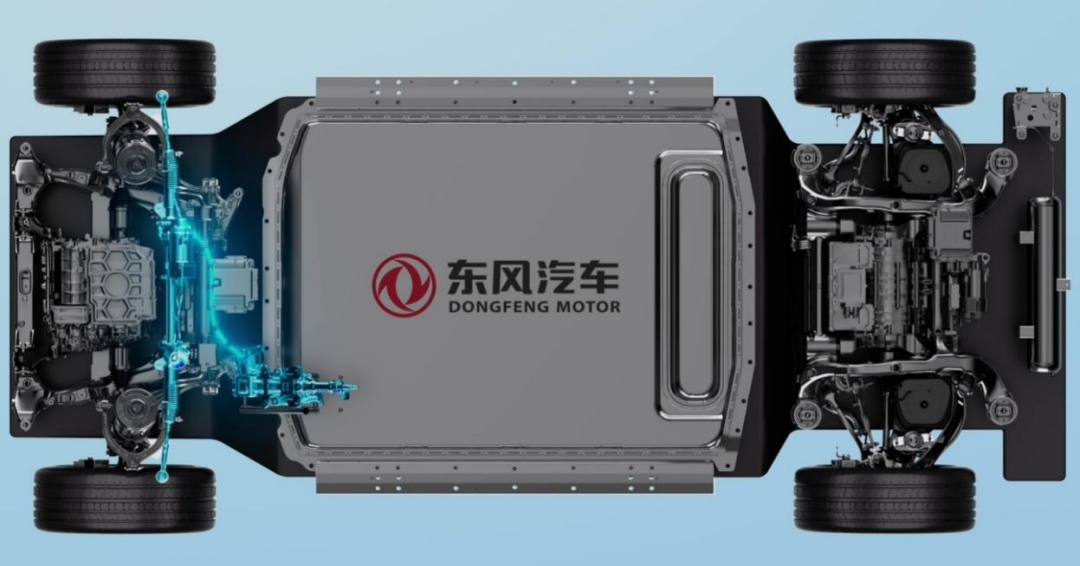
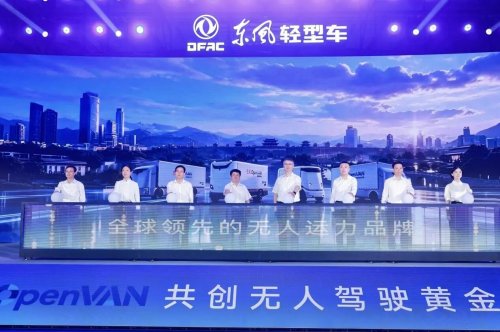
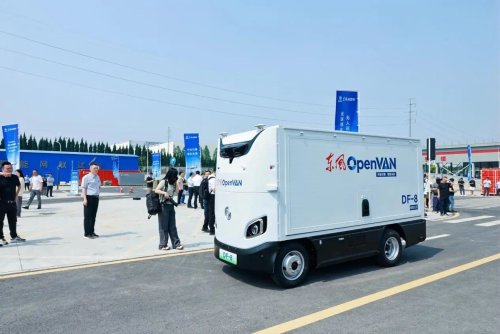
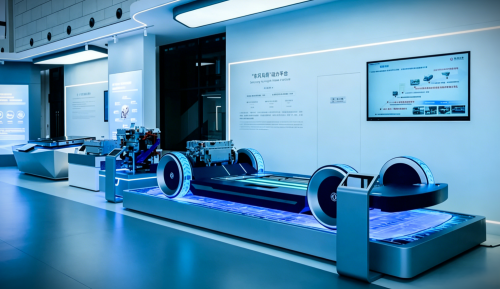
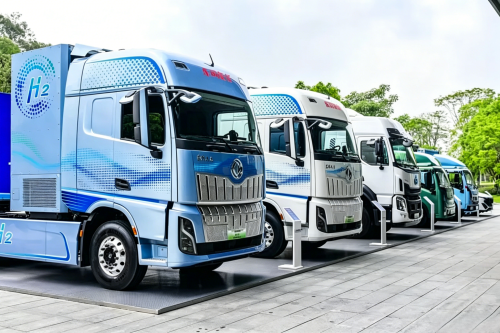
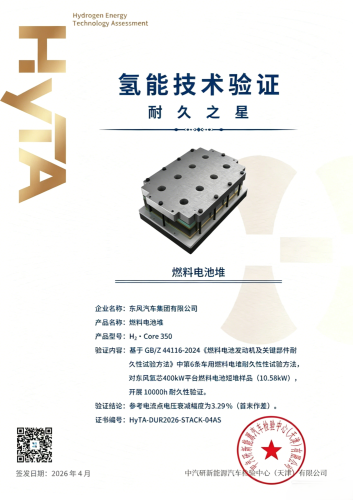
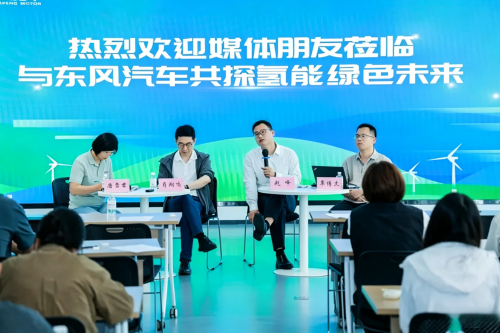
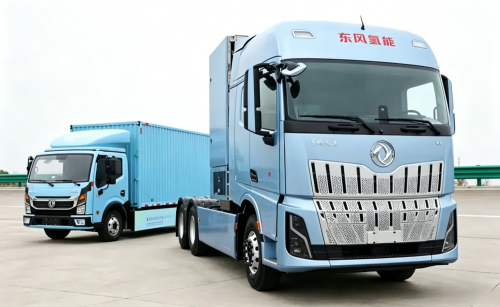
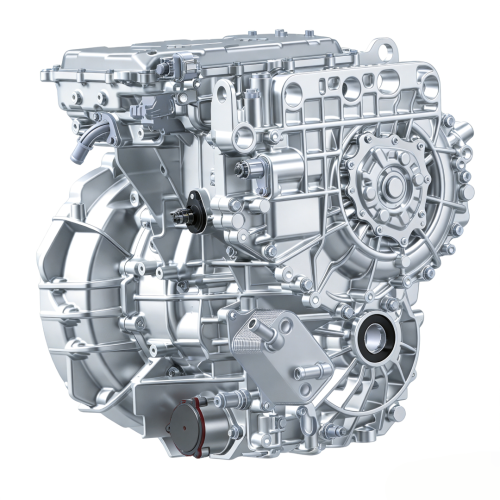
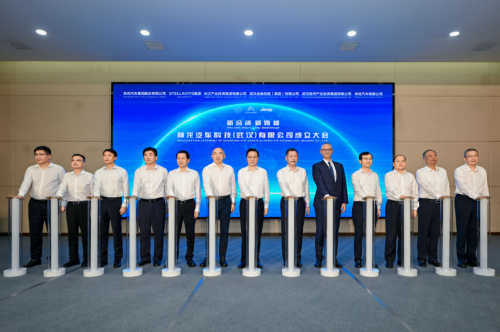
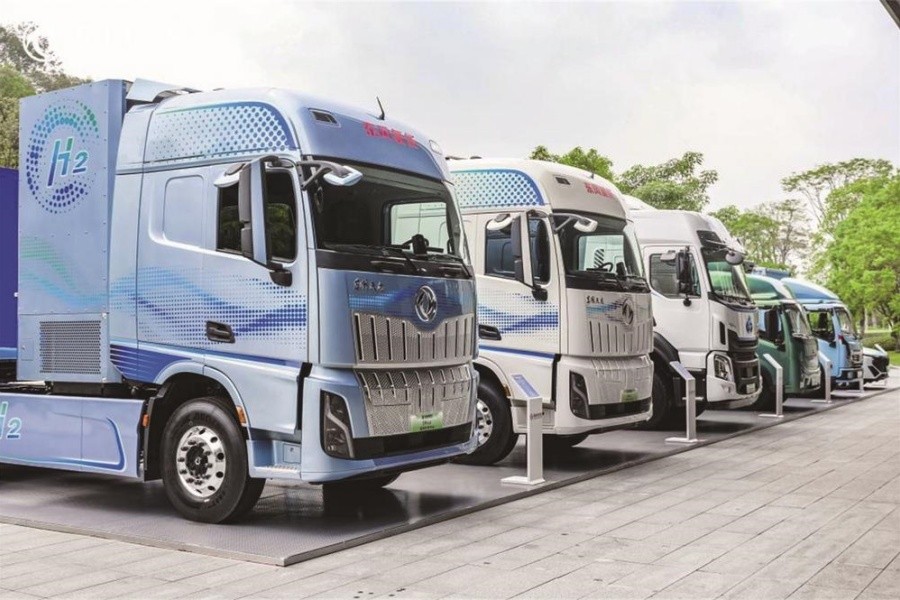
Image: DongfengDongfeng recently hosted the ‘Hydrogen Propulsion for Dongfeng – Pioneering the Future’ event in Wuhan, where the company unveiled a new fuel cell system for commercial vehicles. According to the manufacturer, the system delivers 400 kW of power, offers a service life of more than 30,000 hours and supports cold starts at temperatures down to -40 °C. With the new system, Dongfeng now offers three hydrogen fuel cell platforms with outputs of 70 kW, 150 kW and 400 kW.Dongfeng describes its new fuel cell solution as China’s first hydrogen fuel cell platform developed with metal bipolar plates, which has passed the 10,000-hour endurance test under the country’s new national standards. This follows China’s introduction of stricter regulations to ensure vehicle quality.As another innovation, the manufacturer introduced the new T1 commercial vehicle platform and highlighted its compatibility with the 400 kW fuel cell system. It remains unclear whether the platform can also accommodate other powertrains and potentially serve as a multi-purpose architecture. However, Dongfeng is positioning the T1 platform primarily for hydrogen applications, stating that it ‘provides a solid foundation for the large-scale, commercial operation of hydrogen-powered commercial vehicles.’According to the company, the T1 platform focuses on four key areas: low energy consumption, lightweight construction, fast refuelling and high safety standards. Dongfeng backed these claims with specific figures: “Following practical tests in mountainous and flatland regions, Dongfeng’s hydrogen vehicles achieved a hydrogen consumption of just 7 kg per 100 kilometres. The 49-tonne hydrogen-powered tractor unit weighs only 8.8 tonnes. With a refuelling time of just 15 minutes, the vehicles achieve a range of up to 1,700 kilometres.”The platform also features an intelligent, decentralised energy system and a battery system.However, the range figure is likely based on China’s CLTC test cycle, which includes more stop-and-go traffic and lower average speeds than the WLTP cycle used in Europe. As a result, CLTC values tend to be significantly more optimistic and less representative of real-world driving conditions. The quoted 1,700-kilometre range should therefore be regarded as a theoretical figure. According to Dongfeng, its hydrogen-powered trucks and passenger cars already operating on the road have collectively covered more than one million kilometres in real-world use.dfmc.com.cn (in Chinese)



















 +45 others