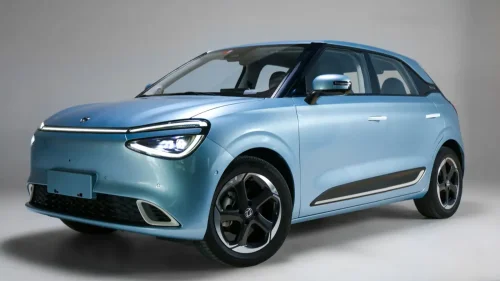
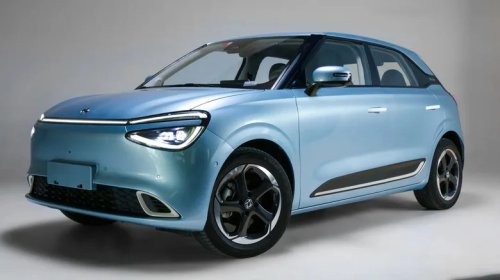
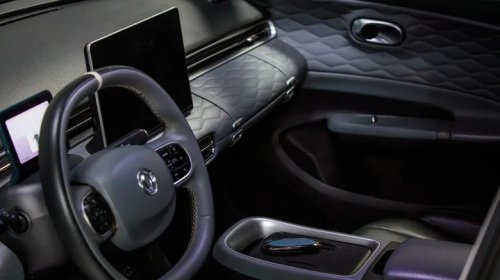
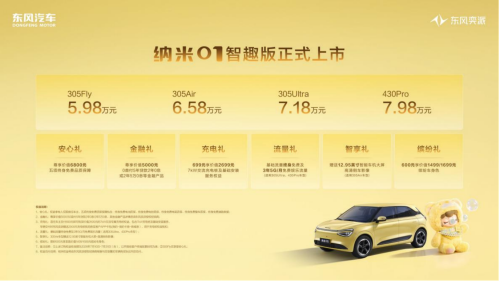
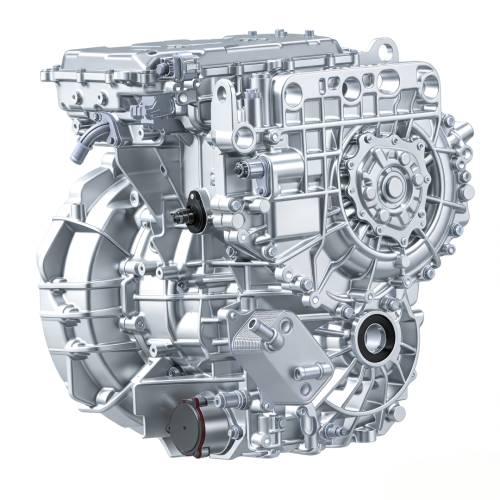
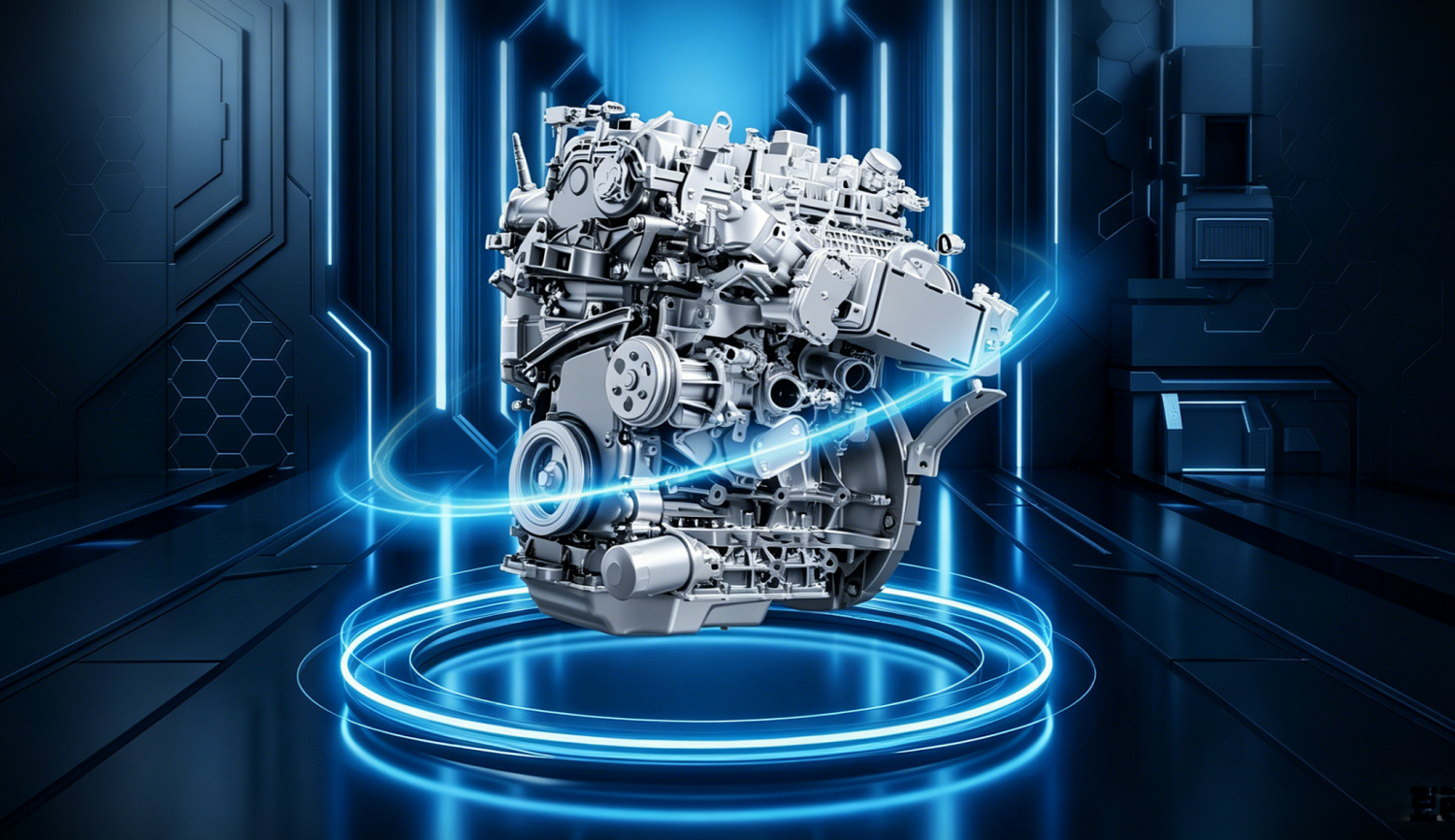
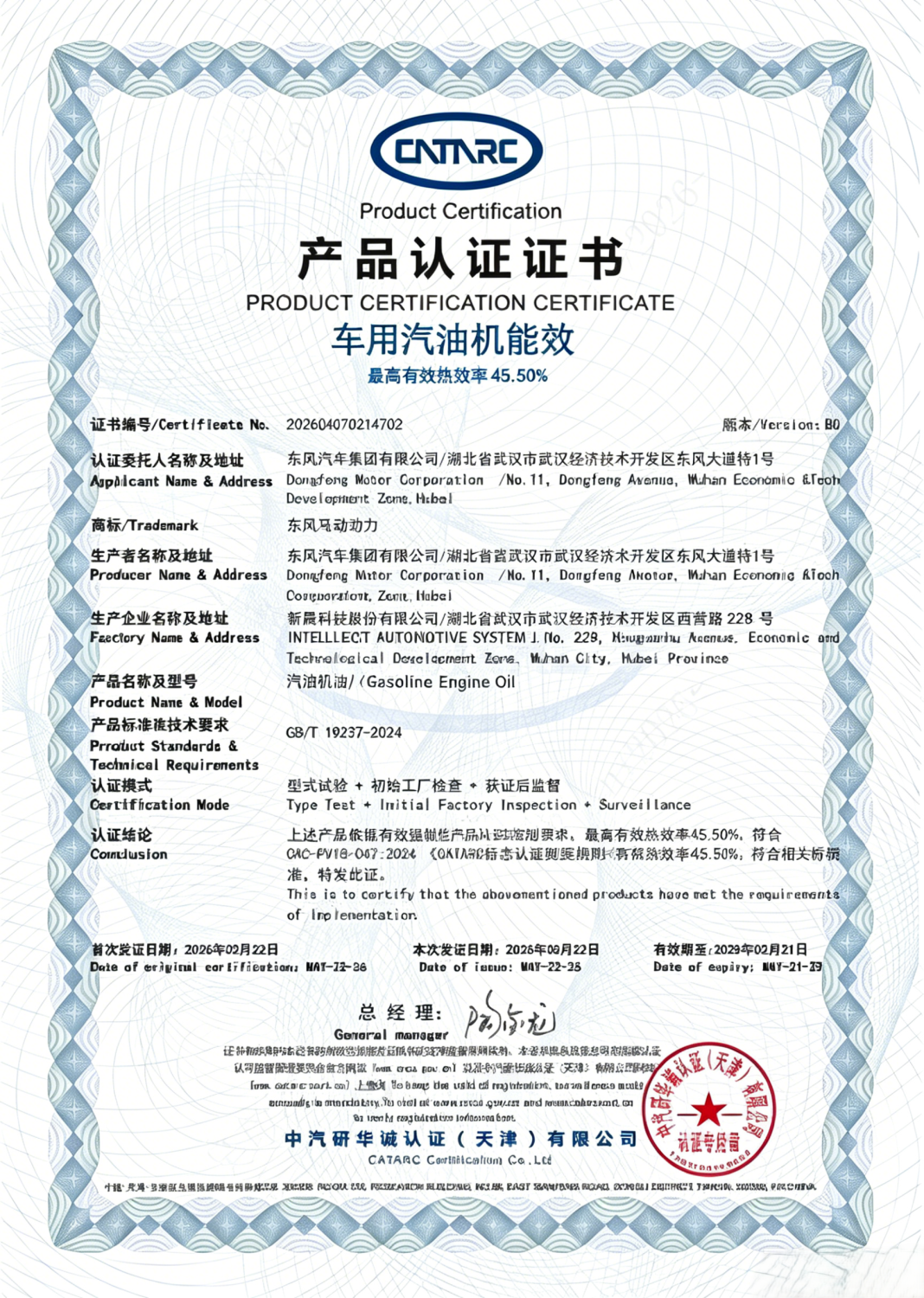
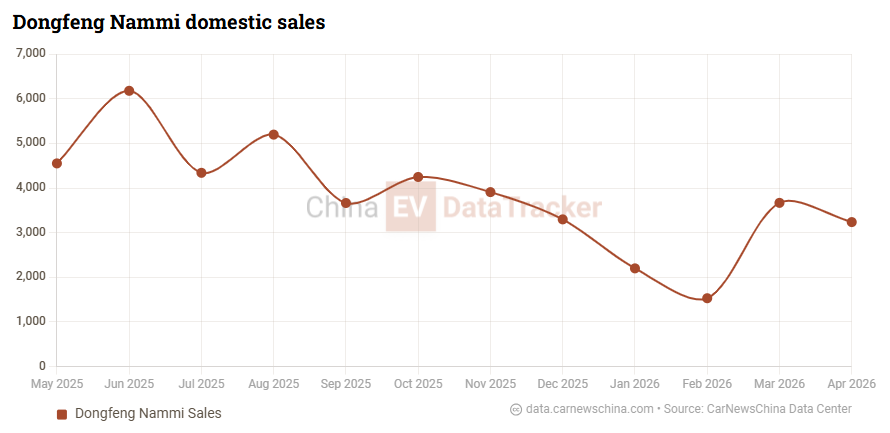
The new engine combines Deep Miller cycle technology, 350-bar injection, and cooled EGR systems. Credit: CNC Understand China EV’s Market Real-time notifications when critical EV data is released All important data in one place 2,000,000+ data points Become a member Dongfeng Motor’s R&D Institute announced on June 4 that its next-generation Mach Power 2.0T hybrid-dedicated engine has secured CATARC Huacheng certification. The engine achieved a peak thermal efficiency of 45.5 per cent, a result certified by the testing authority on May 22, according to IT-home. The certification highlights the ongoing development of large-displacement hybrid powertrains in China. While many recent efficiency gains have focused on 1.5-litre architectures, Dongfeng’s latest work targets the 2.0-litre segment. This category presents a distinct engineering challenge, as developers must balance high-load performance for off-road and heavy vehicles with the efficiency requirements of sustained electricity generation. Technical Architecture Dongfeng utilises a combustion architecture that the company labels MAKC (High-efficiency anti-knock rapid-combustion technology). The engine configuration centres on a long-stroke design with a 1.29 stroke-to-bore ratio. This geometry is optimised to facilitate controlled flame propagation within the combustion chamber. The system pairs a 350-bar direct-injection setup with high-energy ignition. This combination supports higher compression ratios and suppresses knock, which keeps the engine in its optimal efficiency window across a wider range of operating loads. To further improve fuel economy, the engine integrates a cooled low-pressure exhaust gas recirculation (EGR) system. This module lowers peak combustion temperatures, reducing the tendency to knock and allowing for more aggressive ignition timing. Dongfeng reports a vehicle-level fuel consumption benefit of 3-10% from this EGR integration. To minimise internal energy loss, engineers addressed parasitic resistance through a Map-controlled variable-displacement oil pump. Additionally, diamond-like carbon (DLC) coatings are applied to reciprocating internal components to reduce friction. Dongfeng’s next-generation Mach Power 2.0T hybrid engine received CATARC certification for 45.5% thermal efficiency. Hybrid Operational Context The certification arrives at a notable time for China’s hybrid SUV market. Following the commercialisation of Chery’s Kunpeng C-DM-O 2.0T system, which entered mass production with the Jetour Zongheng G700 in 2025, 45.5 per cent thermal efficiency has emerged as a recognised performance benchmark for competitive, large-displacement hybrid SUVs. Geely recently unveiled its i-HEV technology, with a claimed thermal efficiency of 48.4%, highlighting the sector’s pace of development. Unlike standard turbo engines, Dongfeng’s 2.0T unit is designed specifically for hybrid duty cycles. The high-efficiency operating zone measures 30 per cent larger than previous iterations. The powertrain utilises a variable-geometry turbocharger to maintain power density during high-altitude climbs of up to 2,500 meters and high-load highway driving. Nammi sales in China. Credit: China EV DataTracker Market Context and Model Performance Dongfeng operates several passenger vehicle brands, including Aeolus, Nammi, Forthing, and eπ, across gasoline, hybrid, and electric vehicle segments. According to China EV DataTracker, within the Aeolus lineup, the plug-in hybrid L7 and L8 were the brand’s best-selling models in April 2026, recording sales of 2,829 and 2,399 units, respectively. Traditional gasoline-powered models such as the Shine, Haohan, and Haoji recorded lower sales volumes during the same period. At Nammi, the Nammi 01 remained the brand’s highest-volume model with 2,245 units sold in April, accounting for approximately 70% of the brand’s monthly sales. The Nammi 06 followed with 993 units.



















 +42 others