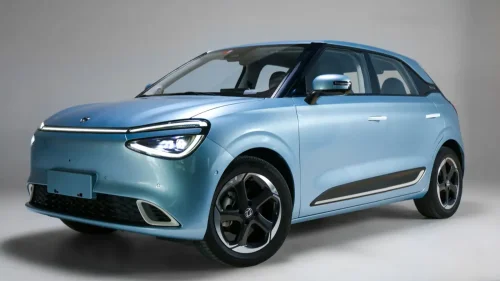
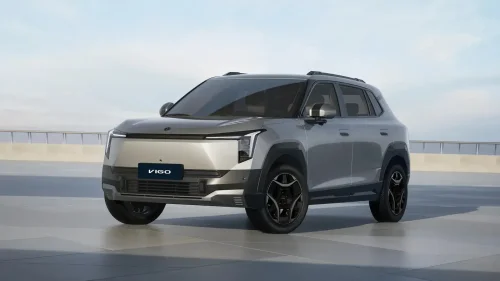
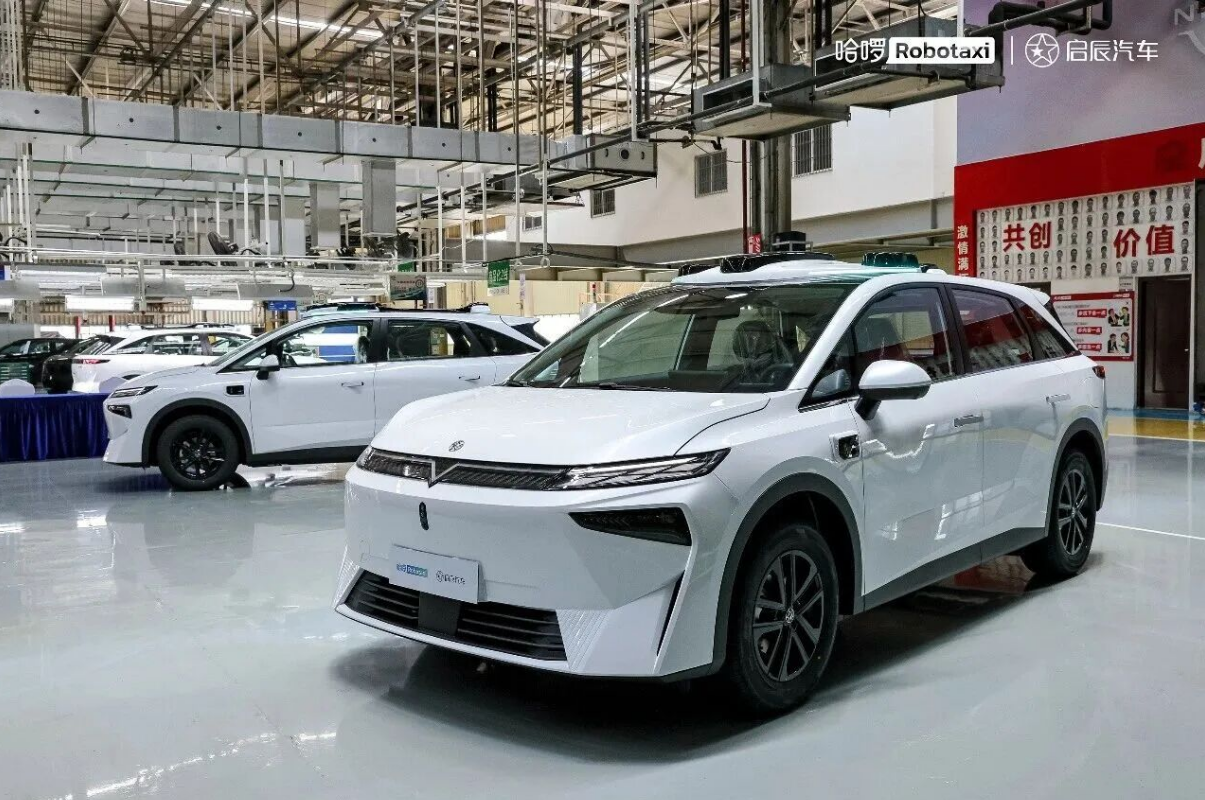
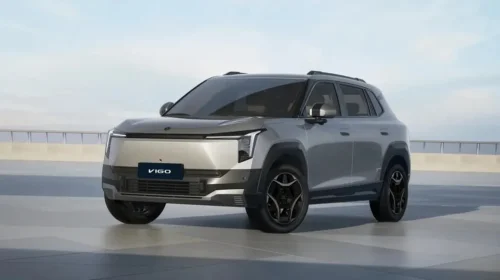
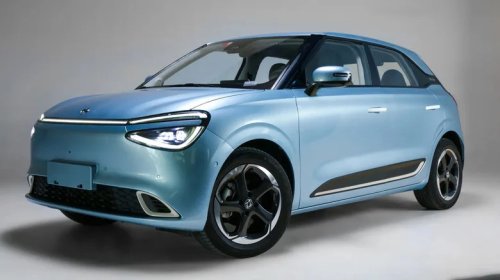
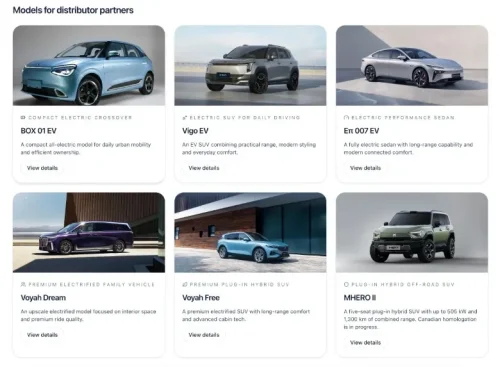
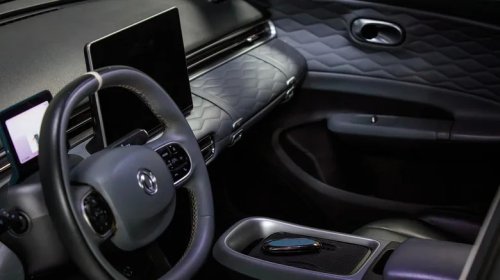
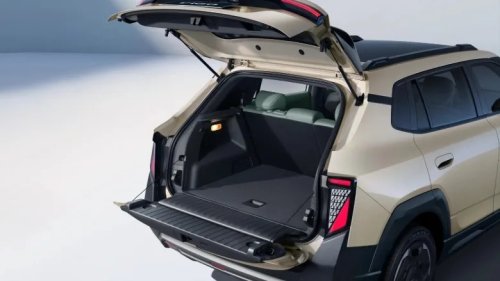
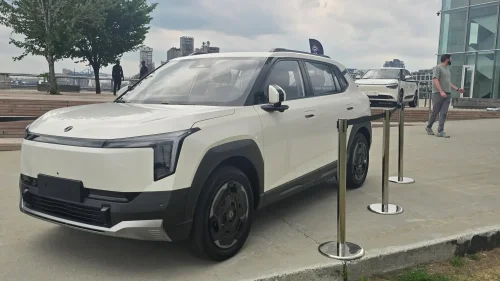
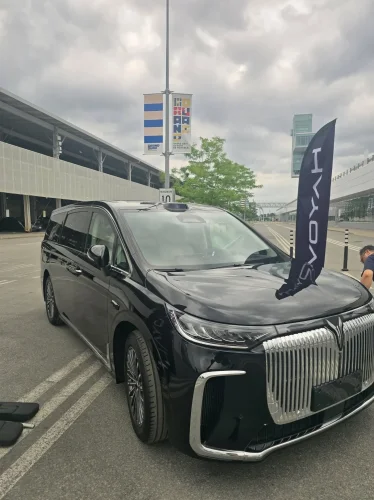
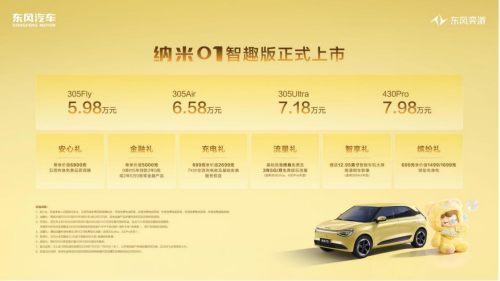
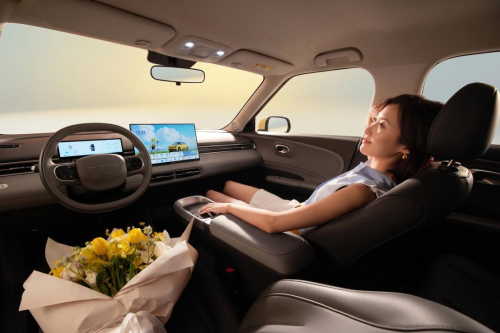
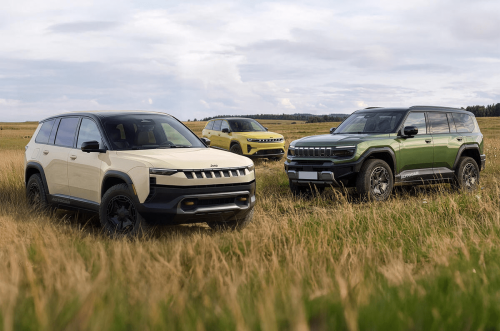
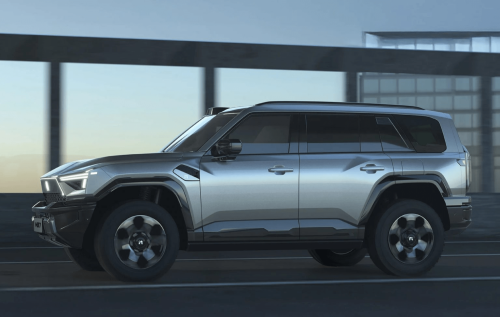
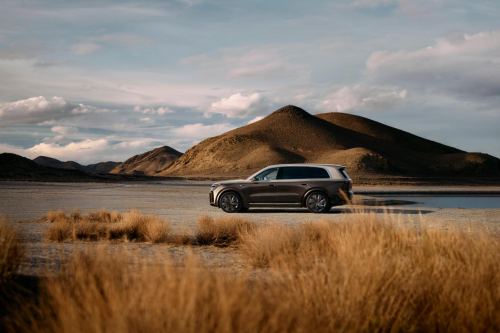
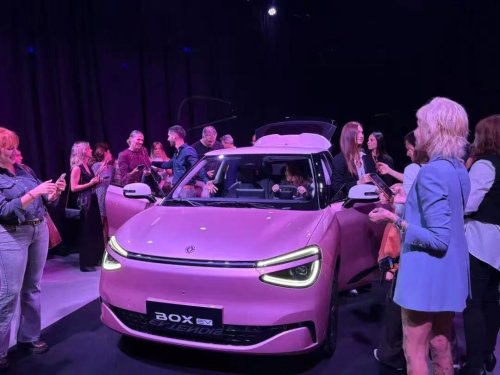
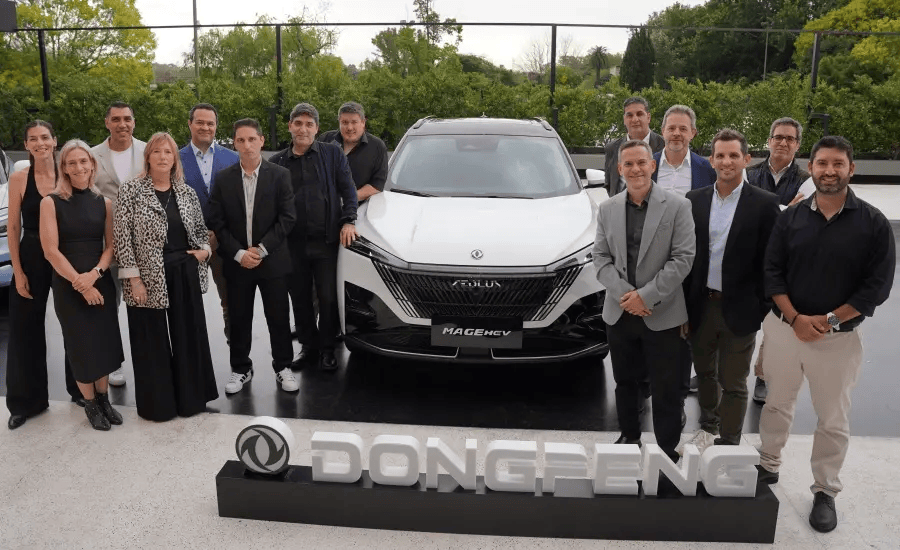
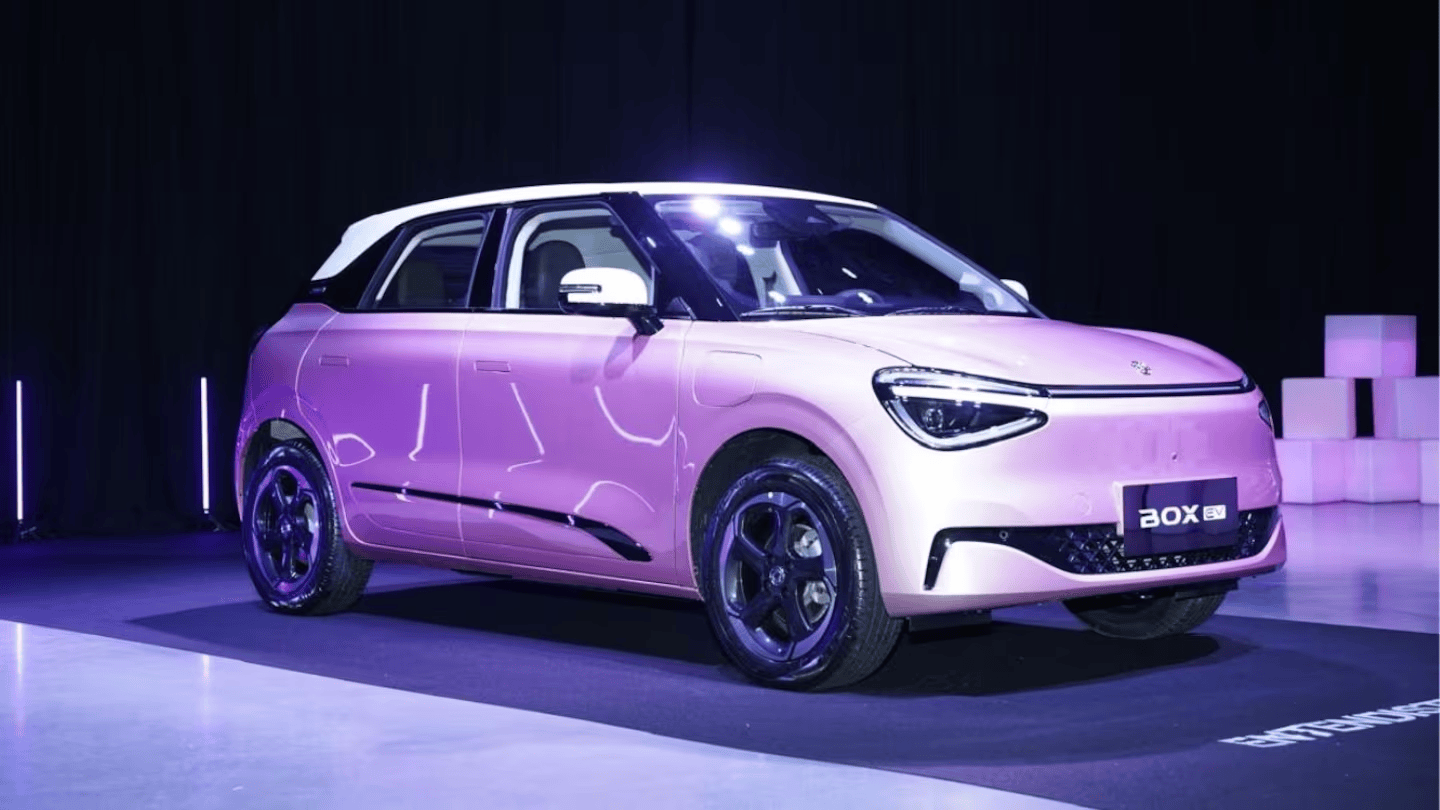
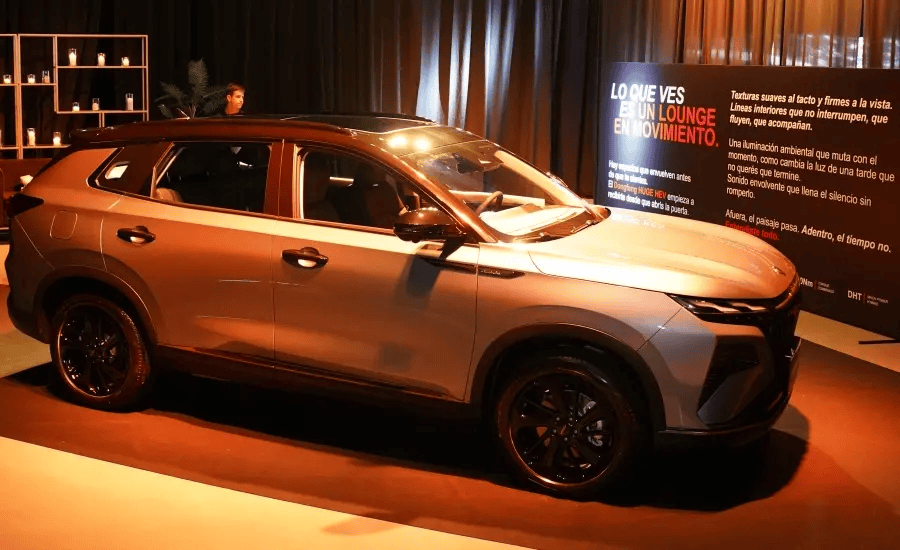
On May 12, Dongfeng Motor announced its official entry into Argentina’s private passenger new energy vehicle market. Recently, Dongfeng Import & Export Corporation held a brand launch event in Buenos Aires, Argentina, simultaneously introducing three new energy models to the local market. The lineup includes the BOX BEV urban electric vehicle, along with two hybrid SUVs — the MAGE HEV and HUGE HEV. Dongfeng MAGE HEV The BOX is the overseas version of the Dongfeng Nammi 01, priced at $29,700. The MAGE HEV and HUGE HEV correspond to the overseas versions of the Haohan and Haoji models, priced at $34,400 and $36,700, respectively. Each model was displayed in a dedicated themed showroom to strengthen product positioning and brand identity. The BOX showroom focused on “high-tech urban commuting,” while the MAGE HEV highlighted the integration of hybrid technology and sporty performance. The HUGE HEV showroom emphasized family-oriented mobility scenarios. Dongfeng BOX BEV A key backdrop to Dongfeng’s Argentina launch is the country’s recent import tax exemption policy for new energy vehicles. According to local distributor Famly, Dongfeng has been granted a zero-tariff import quota of 1,236 vehicles this year. For Chinese brands reliant on imports, the policy directly improves end-market pricing competitiveness. Dongfeng’s sales and distribution operations in Argentina are currently handled entirely by Famly, which previously introduced Chinese brands such as Jetour and KYC into the local market and already has established dealer channel experience. Dongfeng HUGE HEV At the same time, Dongfeng is accelerating its overseas expansion strategy. During this year’s Beijing Auto Show, the company unveiled its “DF Advance 2030” plan. Under the strategy, Dongfeng aims to achieve annual global sales of 5 million vehicles by 2030, with NEVs accounting for more than 70% of total sales and overseas markets contributing over 40%. The company also plans to launch 55 globalized NEV models in the coming years while increasing the share of localized manufacturing to 50%.


















 +71 others