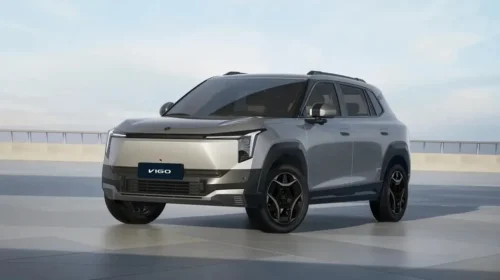
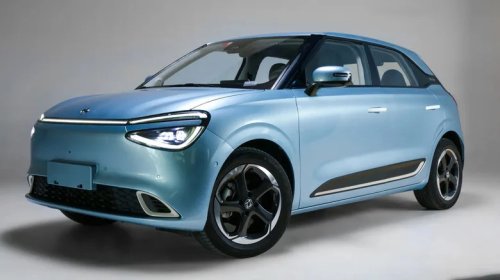
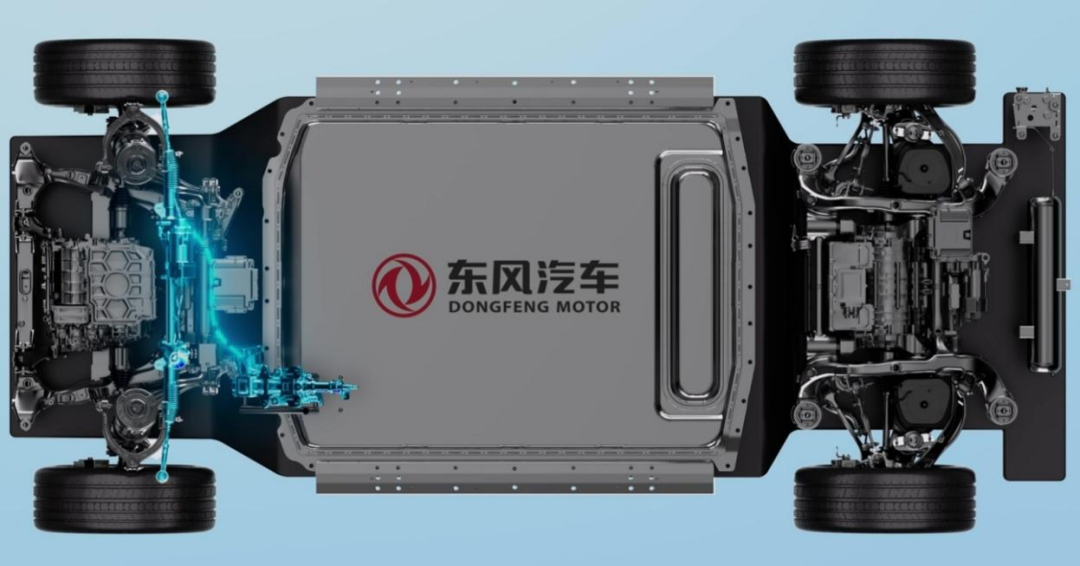
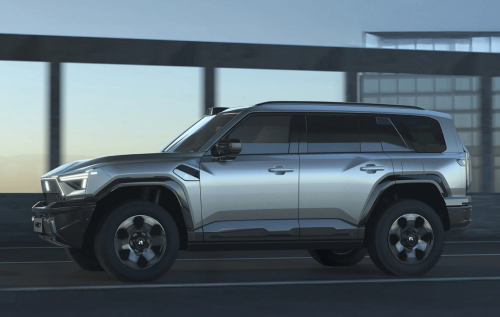
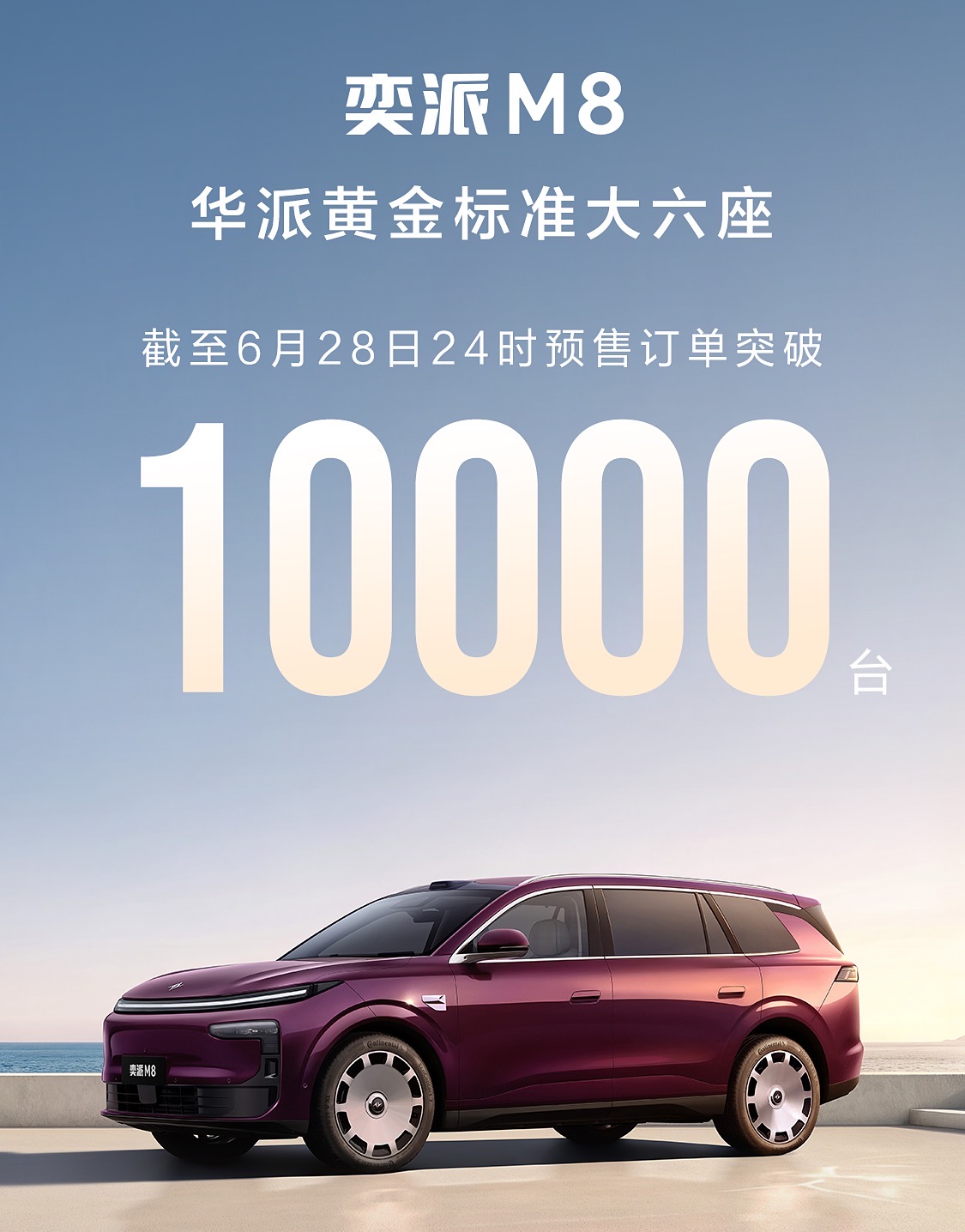
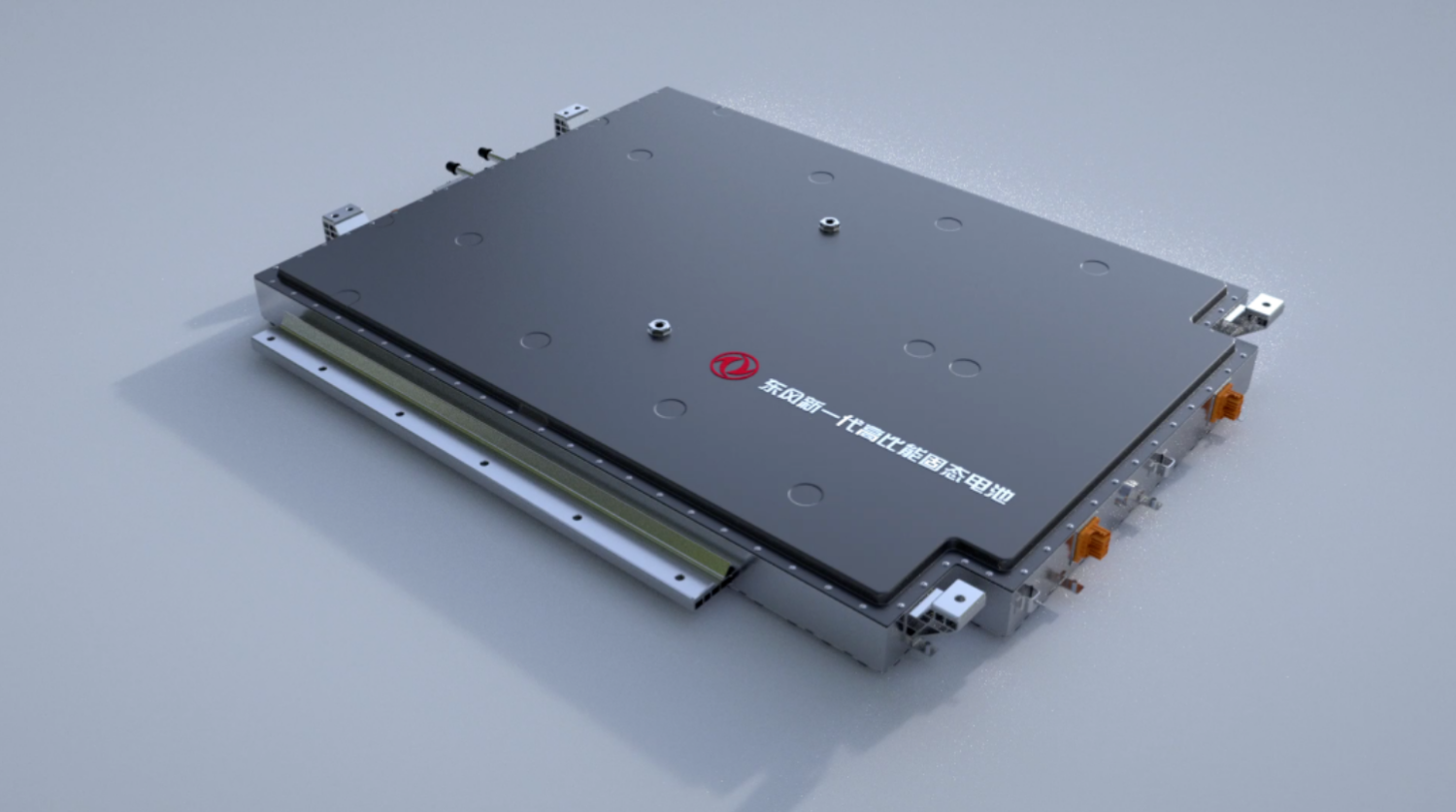
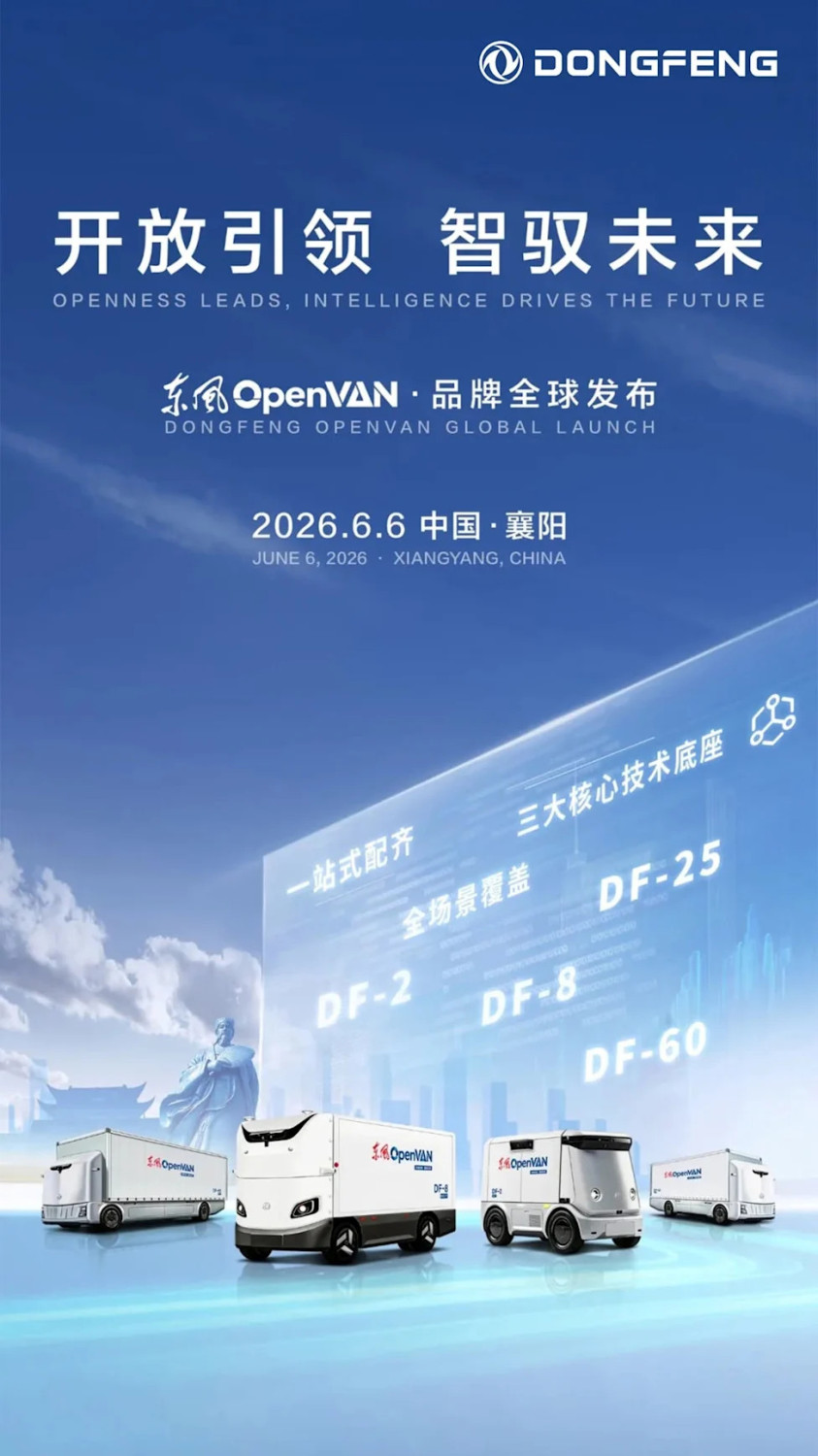
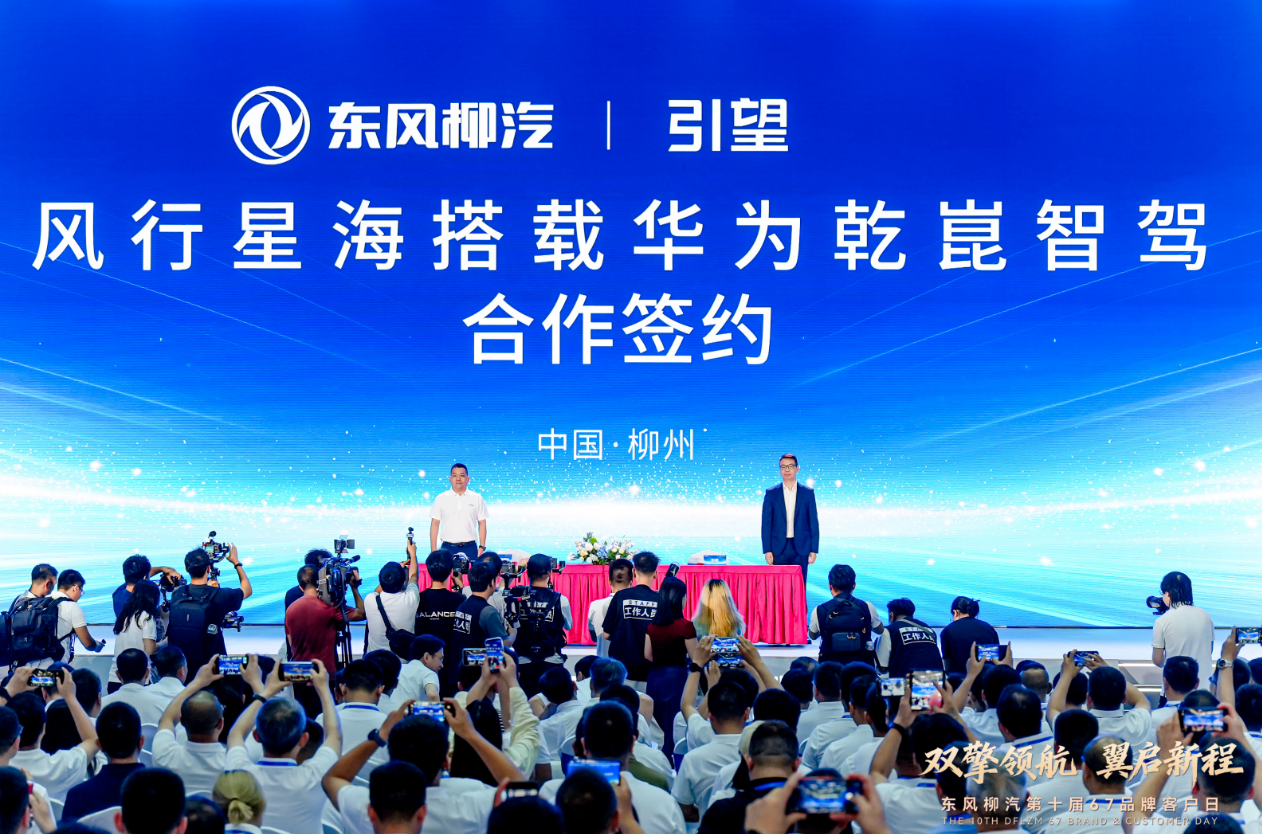
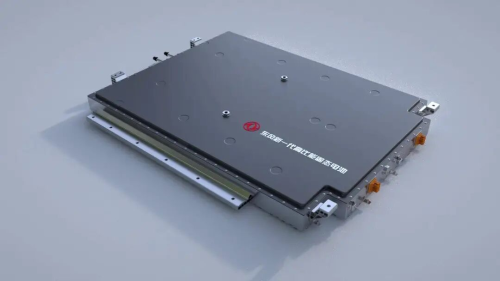
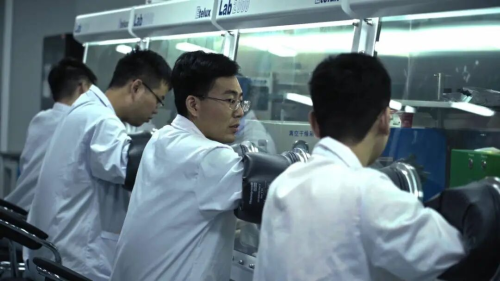
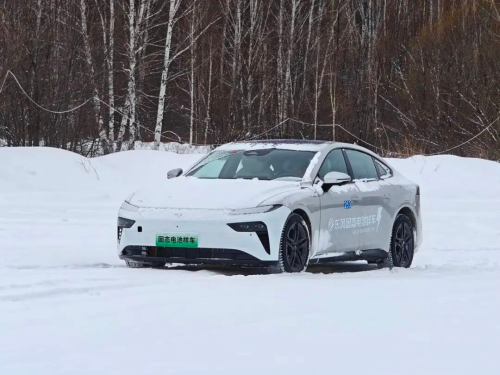
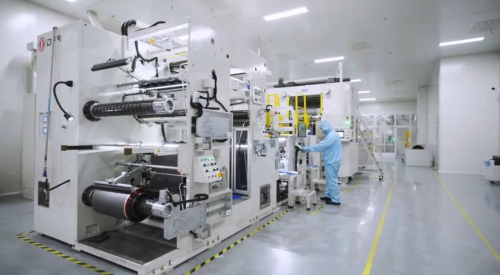
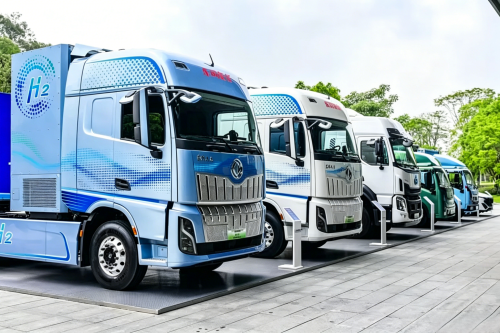
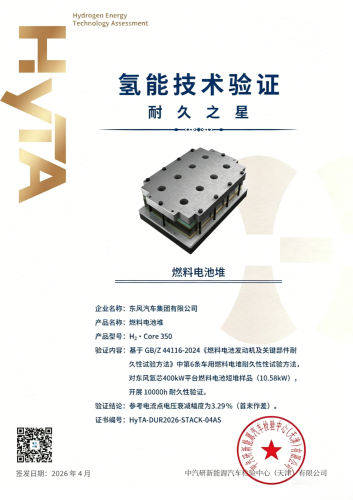
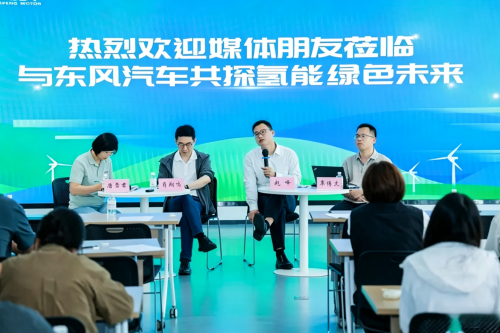
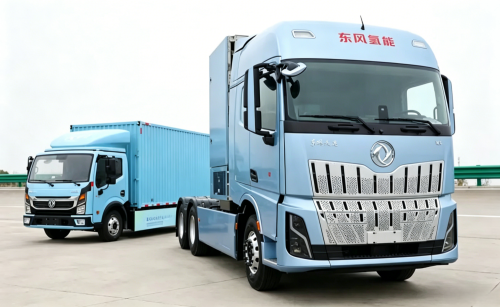
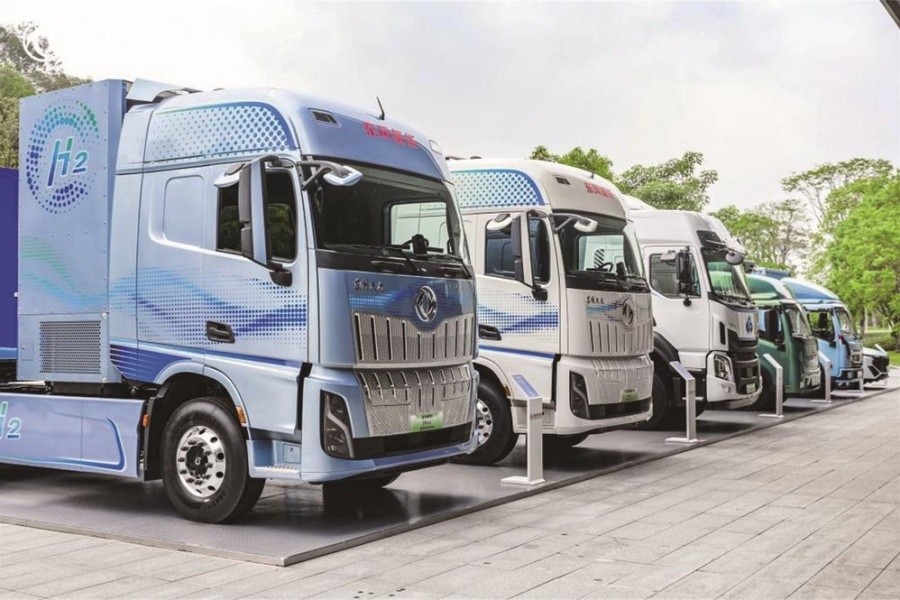
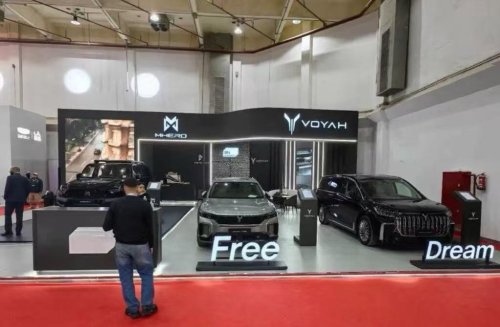
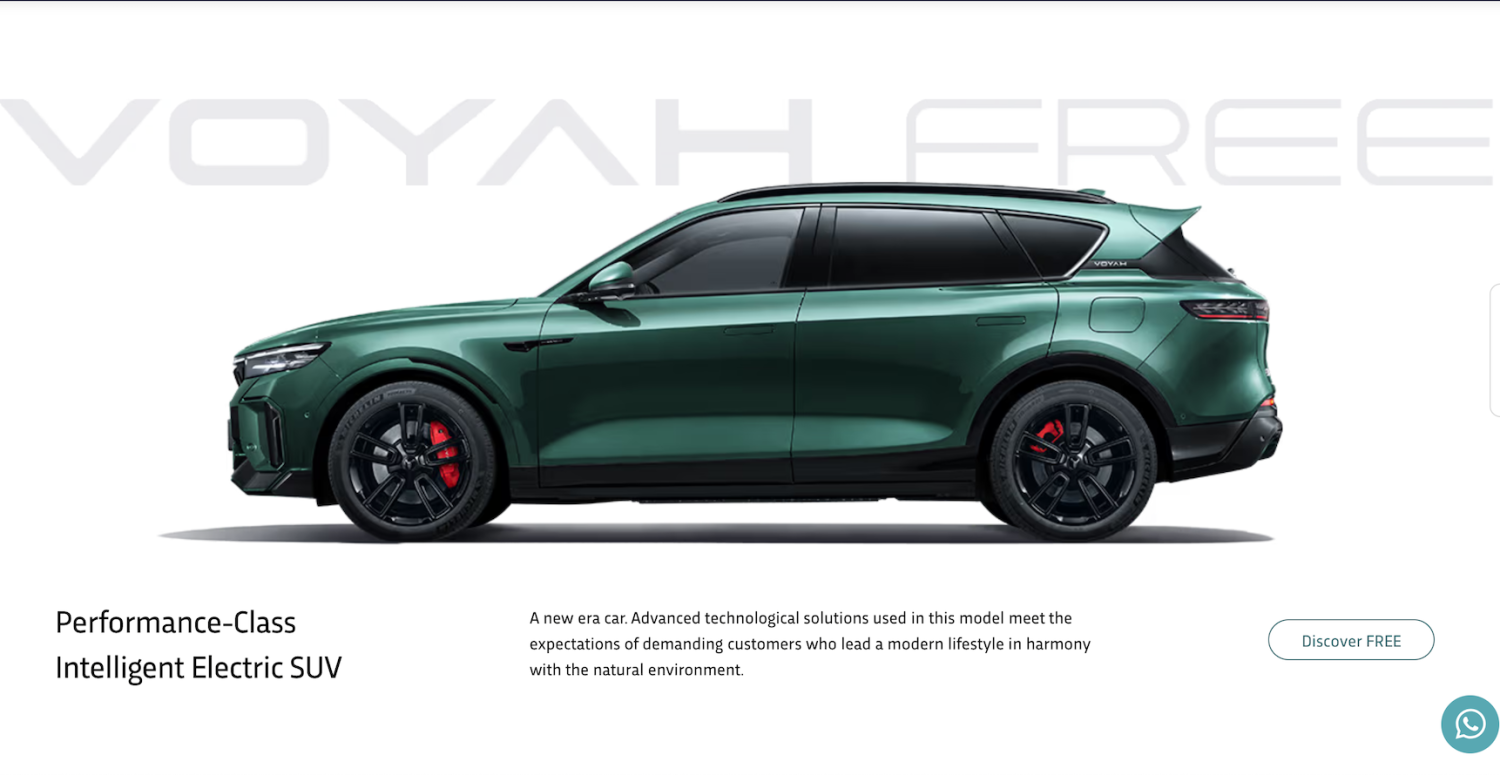
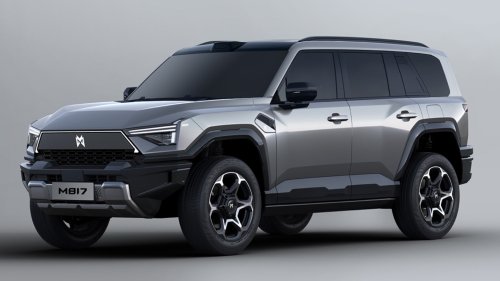
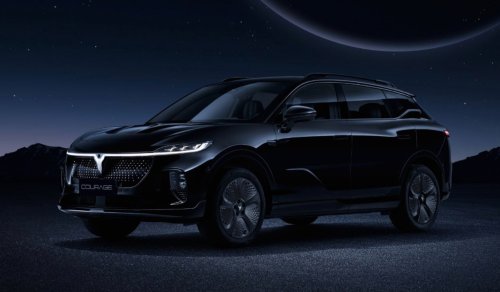
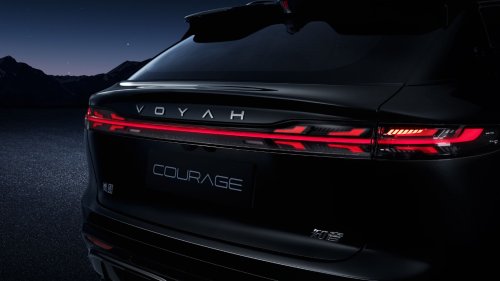
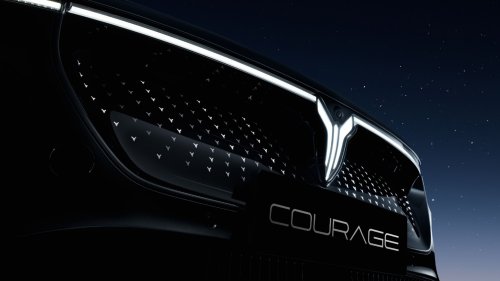
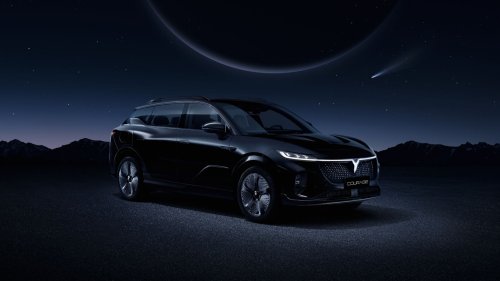
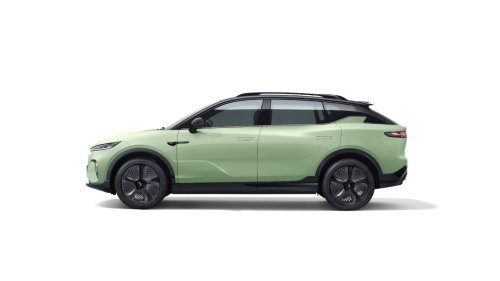
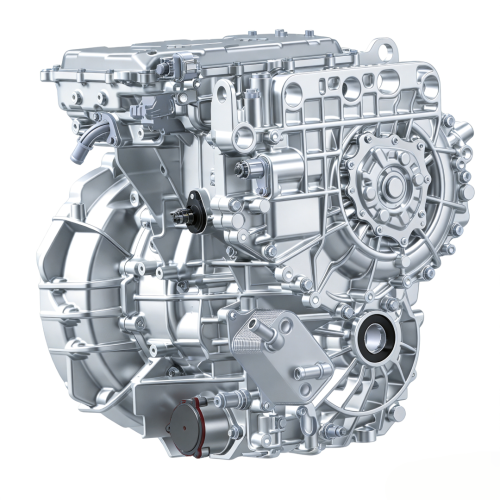
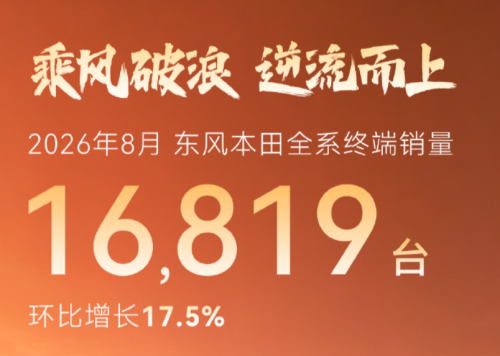
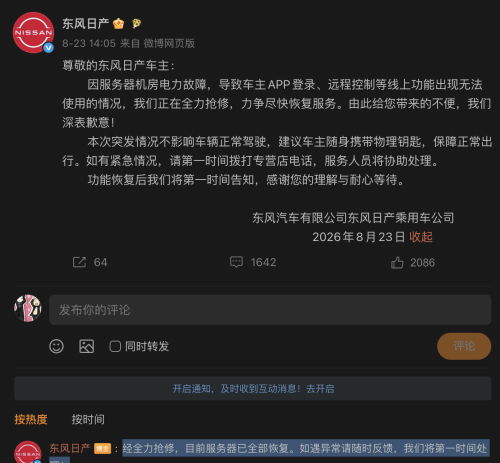
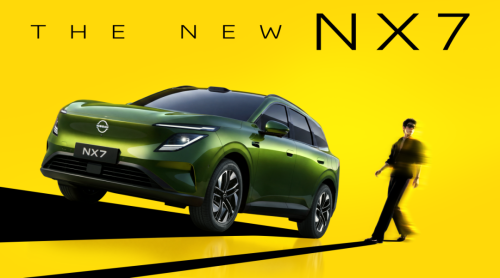
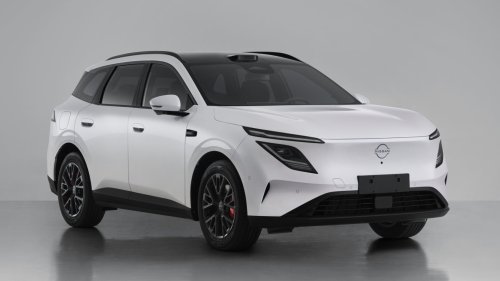
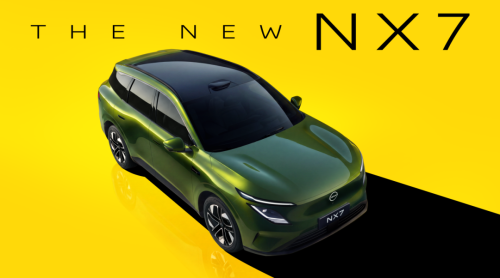
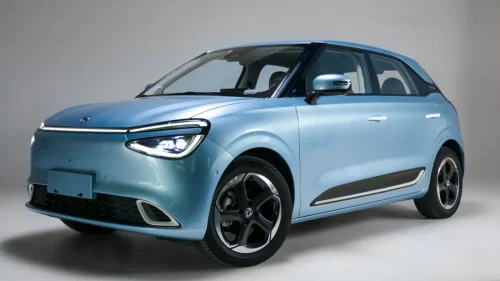
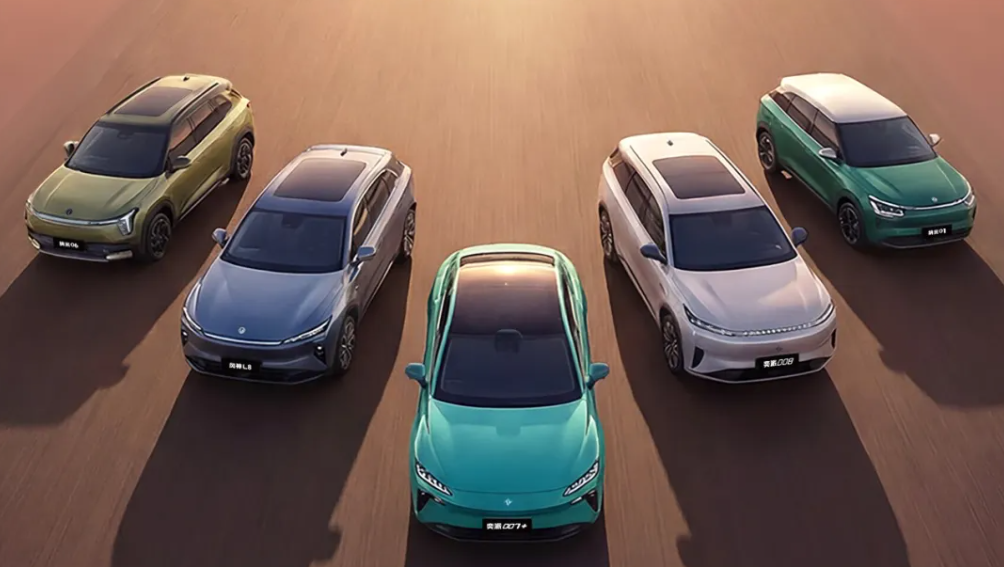
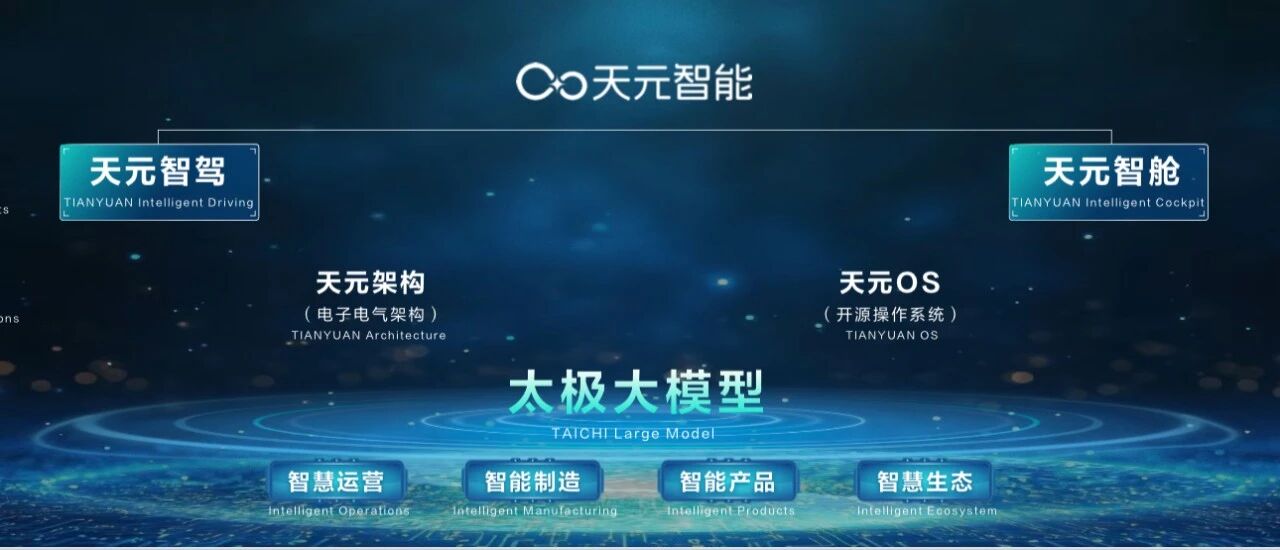
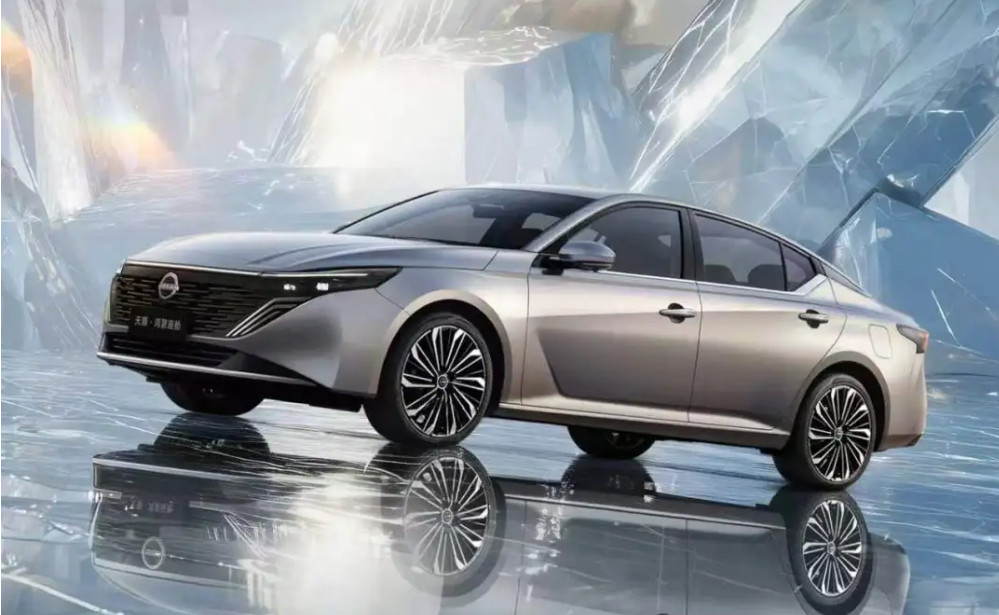
Gasgoo Munich-Dongfeng Motor Group reported solid performance for the first quarter of 2026. The company sold 528,000 vehicles in the period, up 12.3% year-on-year. New energy vehicle sales reached 210,000 units, a 52.3% increase, while overseas sales rose 75.6% to 96,000 units. Meanwhile, Dongfeng's market share climbed to 8.23% in March, reaching a multi-year high.New Energy and Self-Owned Brands: The Engine of Structural GrowthNew energy vehicles were the main driver in the first quarter. Sales of 210,000 units represent an increase of over 50% compared to the same period last year, significantly outpacing overall growth. That rise was driven largely by the maturing lineup of Dongfeng's own new energy brands.Dongfeng's Voyah brand exemplifies this trend. Voyah delivered 33,892 units in the first quarter, up 30% from a year ago. In March alone, deliveries reached 15,019 units, a 50% annual jump and an 80% increase from February. Notably, since the beginning of 2026, Voyah has listed on the Hong Kong Stock Exchange, becoming the first high-end new energy vehicle stock among central state-owned enterprises. On the product front, the new large five-seat SUV Taishan X8 made its global debut on March 19, with pre-sales starting in late April. This synchronized progress in capital and product development prepares the way for Voyah's continued expansion.Image Credit: Yipai TechnologyDongfeng Yipai also maintained strong growth. Yipai Technology delivered 27,505 vehicles in March, a 30% year-on-year rise, with first-quarter sales climbing 34%. Dongfeng Mhero, positioned in the high-end new energy off-road market, delivered 2,036 units in March, a 97.1% month-on-month rise. Cumulative sales from January to February rose 900%, marking three consecutive months of consistent growth.Meanwhile, Yijing, a premium new energy brand co-developed with Huawei's Qiankun, has entered mass production. Its first flagship model, the DH1, is in the final stages for production and will debut at the Beijing Auto Show in late April.On the technology front, Dongfeng made significant progress across several areas in the first quarter.In hydrogen energy, Dongfeng's self-developed fuel cell stack and system passed third-party validation. During 2,000 hours of dynamic cycle testing, voltage decay at the reference current point remained within 3% for the stack, while power decay for the system stayed under 6%.Image Credit: Dongfeng MotorIn terms of intelligent technology, Dongfeng's self-developed "Taiji Large Model" secured approval from the Cyberspace Administration of China for generative AI services. The Tianyuan T500 autonomous driving system has entered mass production and completed real-world road tests under complex conditions in Wuhan.For solid-state batteries, Dongfeng has built a full independent platform covering research, trial production, and pilot testing. Semi-solid batteries with an energy density of 350 Wh/kg are slated for mass production in 2026, enabling a range exceeding 1,000 km.On the manufacturing side, the first product from Dongfeng's 16,000-ton integrated die-casting line—a battery box—has rolled off the production line. This indicates Dongfeng's entry into the mass production phase for lightweight, integrated manufacturing of core new energy vehicle components.Regarding industrial layout, Dongfeng continues to advance in core components. In January, the D600 smart factory—the world's largest single smart factory for medium and heavy commercial vehicles under Dongfeng Commercial Vehicle—officially went into operation, alongside the rollout of the strategic Dongfeng Tianlong KH tractor.Divergence in Joint Ventures and Breakthroughs in Self-Owned ExportsIn contrast to the booming self-owned new energy sector, Dongfeng's joint venture brands are showing clear signs of divergence.Dongfeng Honda has been the relatively stable performer among the joint ventures. First-quarter sales reached 71,432 units, marking positive year-on-year growth. The CR-V remained the brand's mainstay, with 40,771 units sold in the first quarter, up 4.7% and exceeding 10,000 units monthly for three straight months. The Inspire saw sales climb 19.2% to 9,787 units, while the HR-V rose 234.7% to 6,517 units after its January refresh.Against an industry backdrop of pressure on joint ventures and rising new energy penetration, Dongfeng Honda's ability to maintain growth stems from the long-term strength of models like the CR-V in terms of product competitiveness, reputation, and resale value.Image Credit: Dongfeng NissanDongfeng Nissan faces a more complex picture. January deliveries hit 45,984 units, up 5.4%, with the Teana model with Hongmeng cockpit contributing 6,724 units, a 22% increase. However, sales slipped noticeably in February, with reports indicating a sharp year-on-year decline. Over the first two months, Dongfeng Nissan failed to sustain the momentum seen in January.This trajectory highlights a common challenge for joint ventures during the electric transition: the internal combustion engine base is under pressure while new energy products have yet to provide sufficient incremental support. Unlike Dongfeng Honda, which can rely on established models like the CR-V to stabilize its foundation, Dongfeng Nissan faces more acute pressure to restructure its product lineup.Overseas markets have emerged as another key growth driver for Dongfeng Group in the first quarter. Sales of 96,000 units abroad represent a 75.6% year-on-year increase, far exceeding overall sales growth. This indicates Dongfeng is gradually unlocking new space in its global layout. On March 30, Dongfeng Motor's Global Design Center officially opened, completing a "Three Countries, Six Locations" global design system. Previously, cumulative overseas exports in 2025 reached 295,000 units, with a global sales and service network exceeding 1,000 outlets and four large-scale overseas manufacturing bases established. The ongoing expansion of overseas sales is becoming a vital component of Dongfeng's overall sales structure.Overall, Dongfeng Group's first-quarter performance in 2026 reflects the progress of this established automaker in new energy transformation and overseas expansion. Yet the coexistence of rapid new energy growth and diverging joint venture performance suggests structural adjustments within the group are ongoing. Whether the rise in self-owned new energy brands can translate into sustained overall scale, and whether joint venture restructuring will take effect, will be the critical variables determining Dongfeng Group's future trajectory.



















 +48 others