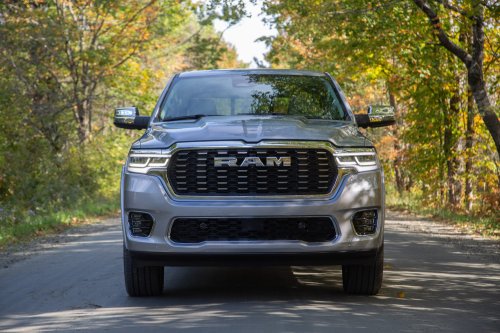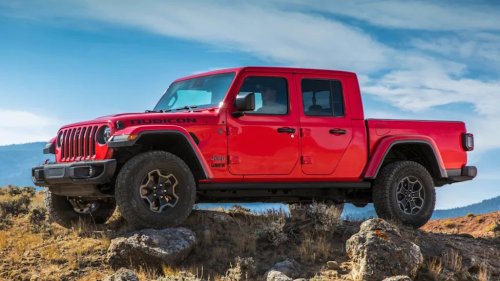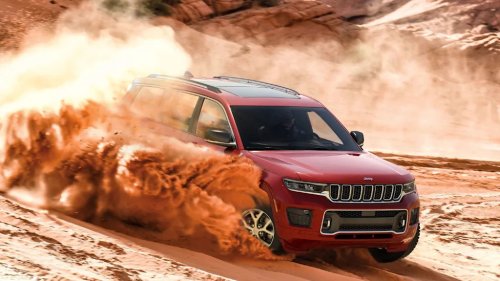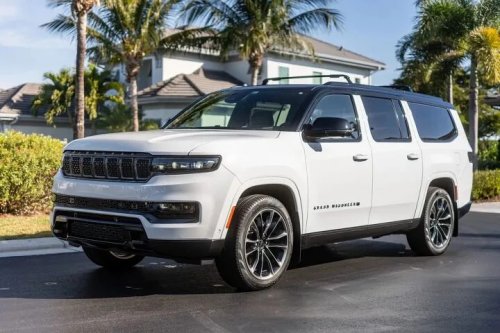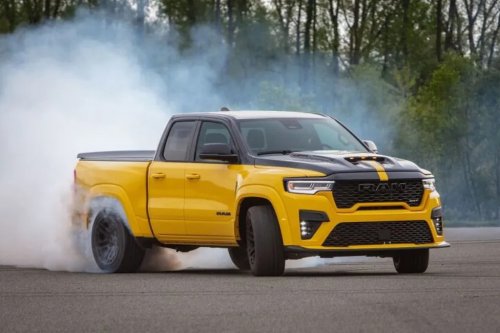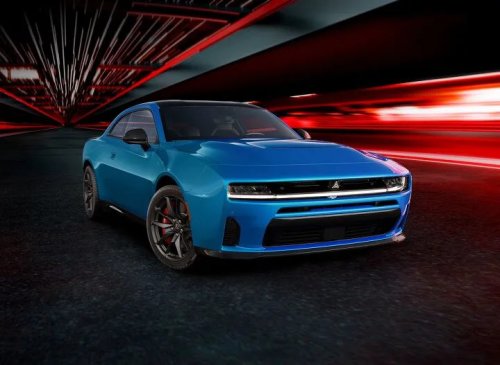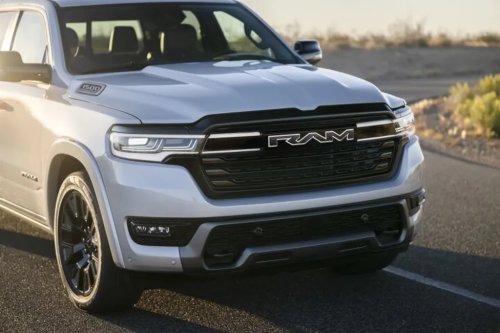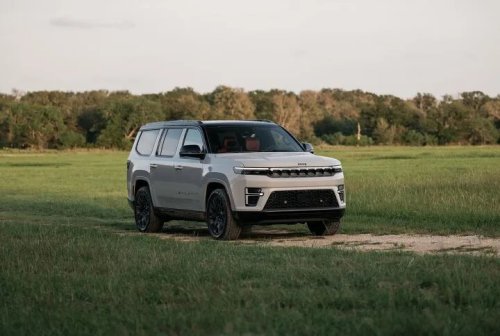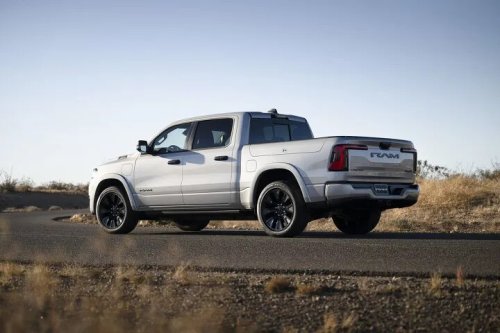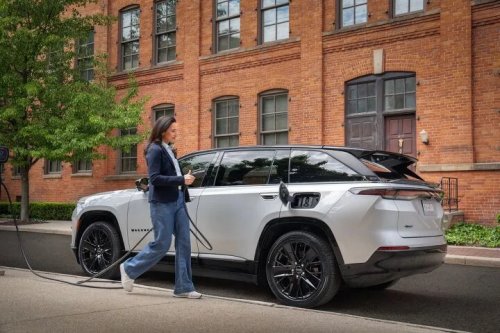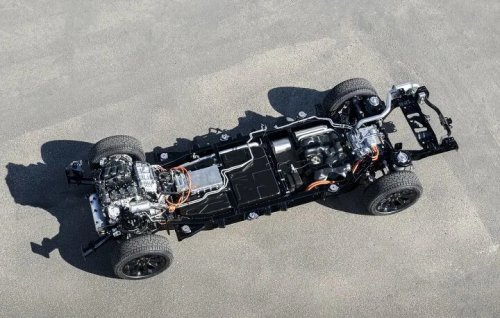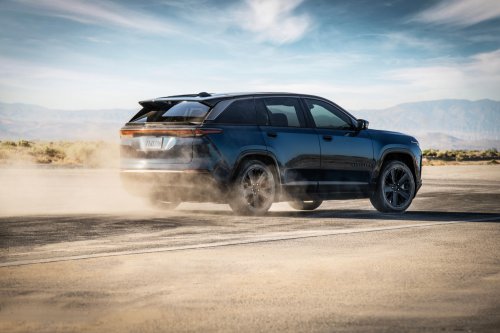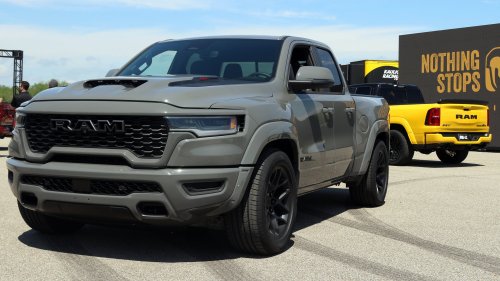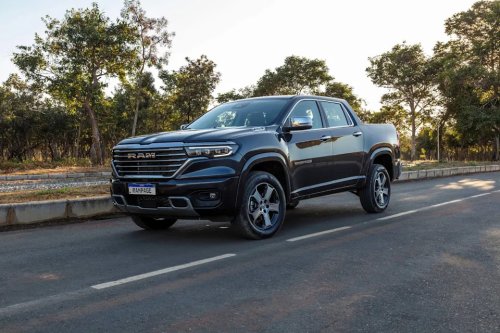



















Stellantis says Q1 dealer shipments rose 12% as North America led gainsStellantis opened the year with a jolt of volume, telling investors that dealer shipments climbed 12 percent in the first quarter as North America did the heavy lifting. The jump, built on stronger output of high-margin pickups and SUVs, arrives at a delicate moment for global automakers balancing electric-vehicle bets with steady demand for combustion models. Behind the headline figure is a more complicated story about pricing power, product mix, and how much longer legacy automakers can lean on traditional segments while EV adoption moves in fits and starts. What happened Stellantis reported that estimated consolidated shipments reached 1.4 million vehicles in the first quarter, an increase of 12 percent from a year earlier. In its quarterly update, the company said the growth came largely from North America, where production and wholesale volumes recovered from the disruptions that hit output last year. The figure covers shipments to dealers and other distributors, not retail registrations, so it reflects how much metal Stellantis pushed into sales channels rather than how many vehicles customers actually drove off the lot. According to the company’s own first-quarter update, North America was the standout region, offsetting softer trends in parts of Europe and South America. The automaker highlighted stronger shipments of Jeep, Ram, Dodge, Chrysler and other brands in the region, helped by better parts availability and a more stable production cadence compared with the prior year. The company’s regulatory filing, a Form 6-K submitted as a current report for foreign issuers, framed the 1.4 million figure as an estimate, reflecting internal data that will be finalized in the full quarterly accounts. The 6-K filing reiterated that shipments rose 12 percent year over year and positioned the increase as a key driver of first-quarter performance, alongside ongoing cost discipline and product mix. Industry-focused coverage noted that the North American business, which includes the United States, Canada and Mexico, led the volume gains. Reporting on the update highlighted that Stellantis leaned on core nameplates such as Ram 1500 pickups, Jeep Grand Cherokee and Jeep Wrangler, which continue to anchor dealer traffic. Analysts pointed to the fact that these models, along with high-trim versions of Dodge and Chrysler vehicles, tend to carry stronger margins than small cars or entry-level crossovers. Coverage of the quarter also emphasized that the 12 percent jump in shipments exceeded what many investors had penciled in. One analysis of the trading reaction said Stellantis shares climbed about 4 percent after the announcement, as markets digested the stronger-than-expected volume and reassessed earnings potential for the year. The commentary described how the stock responded to the shipment surprise, with traders betting that higher throughput and a favorable mix could support better cash generation. Automotive trade coverage went deeper into the regional patterns. One report on the first-quarter figures said North America accounted for the bulk of the incremental shipments, while consolidated volumes in Europe were flatter and some international regions saw only modest changes. The same coverage of first-quarter shipments described the company as regaining momentum after last year’s production and logistics snags, although it flagged that retail demand in some European markets remained under pressure from high interest rates and economic uncertainty. Stellantis framed the quarter as an early validation of its product cadence and cost-cutting plans. Management highlighted ongoing work to streamline platforms and share components across brands, which should help profitability as volumes rise. Executives also pointed to a pipeline of electrified models, including plug-in hybrids in the Jeep and Dodge lineups, as part of the strategy to navigate tightening emissions rules while keeping core customers in the fold. Why it matters For Stellantis, a 12 percent jump in dealer shipments is not just a bragging point. It is a signal that the group’s sprawling portfolio of brands can still generate volume growth in mature markets where overall auto sales are not expanding quickly. North America, in particular, remains the profit engine for the company, and the latest figures suggest that Ram trucks, Jeep SUVs and other high-margin vehicles continue to resonate with buyers despite rising competition and higher financing costs. The shipment surge also lands at a time when investors are scrutinizing legacy automakers for signs that they can fund the transition to electric vehicles without sacrificing returns. Higher volumes of profitable combustion and hybrid models give Stellantis more room to invest in battery plants, software platforms and EV architectures. That financial cushion matters as the company rolls out new electric versions of core models and ramps up production of vehicles like the Jeep Recon and electric iterations of the Ram lineup in the coming years. From a competitive standpoint, the performance in North America helps Stellantis defend its position against rivals that are also leaning into trucks and SUVs. General Motors and Ford have both signaled that they will keep investing heavily in pickups and large SUVs while moderating some EV spending, a strategy that mirrors parts of Stellantis’s approach. By showing that it can grow shipments in that same arena, Stellantis strengthens its bargaining power with dealers and suppliers and keeps its brands visible in a crowded market. The mix of vehicles shipped in the quarter also matters for pricing. When the gains are concentrated in well-equipped Ram 1500s, Jeep Grand Cherokee L models or performance-oriented Dodge variants, the company can protect average transaction prices even if incentives tick higher. That in turn supports margins, which investors care about as much as raw volume. The early trading reaction, with the stock moving higher on the shipment news, reflects a belief that the quality of the volume was at least as encouraging as the quantity. There is a more cautious angle too. A sharp increase in shipments to dealers does not automatically translate into the same increase in retail sales. If dealers are building inventory faster than customers are buying, the industry can slide into an oversupply situation that forces higher discounts later in the year. The company’s own language around “estimated consolidated shipments” underlines that these are wholesale numbers. Analysts will be watching registration data and dealer inventory levels to see whether the 12 percent gain in shipments is matched by actual demand. For workers and unions across Stellantis plants, higher shipments are a double-edged development. Rising volume supports overtime, job security and potential future investment in North American factories. At the same time, the company remains committed to efficiency targets and platform consolidation, which can mean fewer distinct models and potentially leaner staffing over time. The balance between volume growth and cost control will shape labor negotiations and local economic impacts in manufacturing hubs in the United States, Canada, Mexico and Europe. The quarter also feeds into the broader debate over how quickly consumers are embracing electric vehicles. Stellantis has made clear that it sees a long runway for combustion and hybrid models, especially in North America, while it gradually increases the share of fully electric vehicles in its lineup. Strong shipments of gasoline and plug-in hybrid trucks and SUVs support that thesis, suggesting that many buyers still prioritize range, towing capacity and purchase price over going fully electric. At the same time, regulators in Europe and parts of North America are tightening emissions standards, which will eventually force a higher share of zero-emission vehicles. If Stellantis leans too heavily on combustion-heavy growth in the short term, it risks facing steeper compliance costs or having to accelerate EV investment later under less favorable conditions. The first-quarter performance therefore raises questions about how the company will balance near-term profitability with long-term regulatory and climate pressures. For dealers, the 12 percent shipment increase is both an opportunity and a test. More inventory of hot-selling models gives retailers a chance to capture market share and rebuild stocks that were depleted during the chip shortage years. Yet if interest rates stay elevated and consumer confidence wobbles, dealers may have to rely more on incentives to move that metal, which can erode margins for both the retailer and the manufacturer. The composition of the incoming inventory, from high-trim trucks to more affordable compact SUVs, will influence how that plays out. What to watch next The immediate focus now shifts to how those 1.4 million shipped vehicles translate into retail sales, revenue and profit over the rest of the year. Investors will look for confirmation that the volume surge is not simply a restocking blip after last year’s production hiccups. Monthly registration data in key markets, especially the United States and Canada, will offer early clues about whether end-customer demand is keeping pace with wholesale shipments. Pricing trends will be another key indicator. If Stellantis can maintain or even lift average transaction prices while shipments grow, that would suggest that the product mix is skewing toward higher-value models and that brand equity remains strong. On the other hand, a noticeable rise in incentives on trucks and SUVs later in the year would hint that dealers are struggling to clear lots, which could pressure margins even if unit volumes stay elevated. Product launches will play a major role in sustaining momentum. Stellantis has flagged a pipeline that includes refreshed versions of core North American models and new electrified variants that blend familiar nameplates with updated powertrains. The success of plug-in hybrid Jeeps and Dodge performance hybrids will be particularly important, since these vehicles bridge the gap between traditional combustion models and full battery-electric offerings. Strong uptake would validate the company’s strategy of using hybrids as a stepping stone for customers who are not yet ready to go fully electric. Regulatory developments are another variable. Any changes in emissions rules, fuel economy targets or EV incentives in the United States, Canada or Europe could alter the economics of Stellantis’s current product mix. Tighter standards would push the company to accelerate EV launches and potentially rebalance production away from larger combustion vehicles. More generous incentives for hybrids or EVs could, conversely, help the company sell higher-priced electrified models without sacrificing volume. On the financial side, the next set of detailed quarterly results will reveal how the 12 percent shipment increase flowed through to revenue, operating margin and free cash flow. Investors will be watching for signs that cost-cutting programs and platform consolidation are delivering the savings that management has promised. If higher volumes coincide with better efficiency, Stellantis will have more flexibility to return cash to shareholders through dividends and buybacks while still funding its long-term technology investments. Labor and capacity decisions will also come into sharper focus. If demand in North America stays strong, Stellantis may need to consider additional shifts or capacity expansions at key plants, particularly those building Ram and Jeep vehicles. Any such moves would interact with ongoing discussions with unions and local governments about job security, investment commitments and plant modernization. Conversely, if demand softens or shifts toward smaller vehicles, the company might instead look to retool existing facilities or adjust shift patterns rather than expand. More from Fast Lane Only Unboxing the WWII Jeep in a Crate 15 rare Chevys collectors are quietly buying 10 underrated V8s still worth hunting down Police notice this before you even roll window down