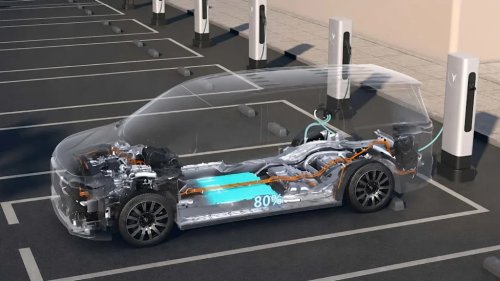
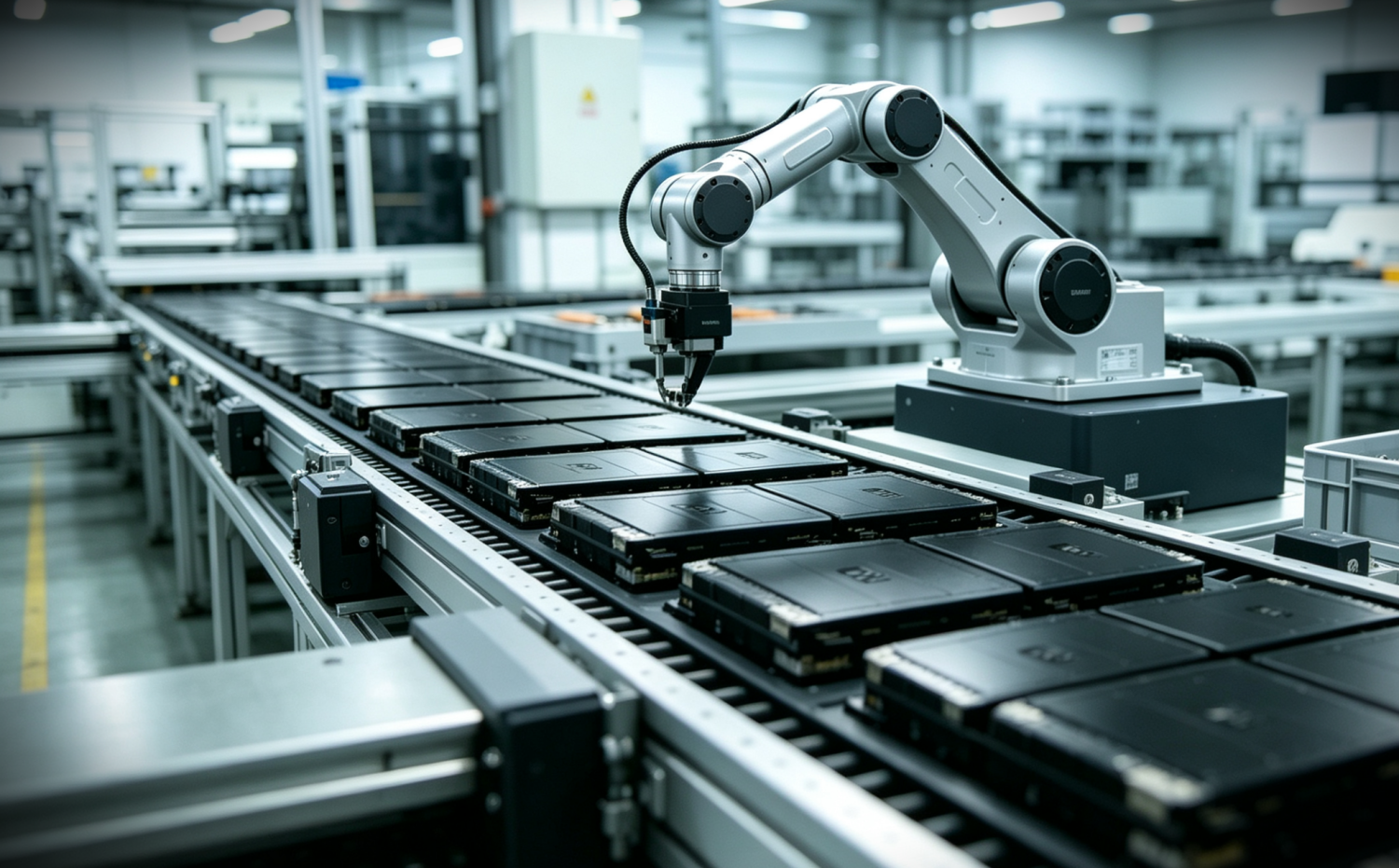
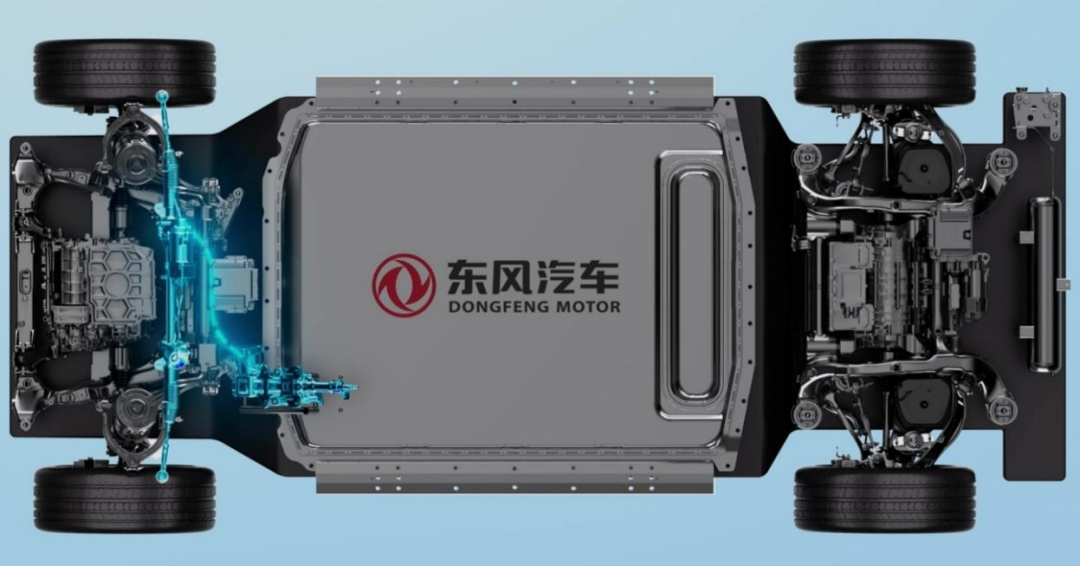
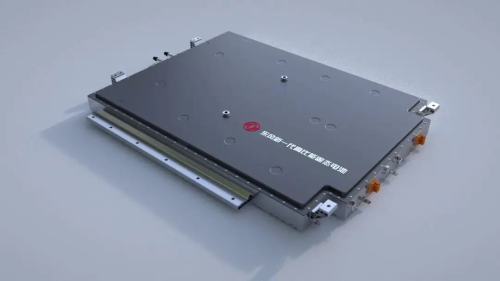
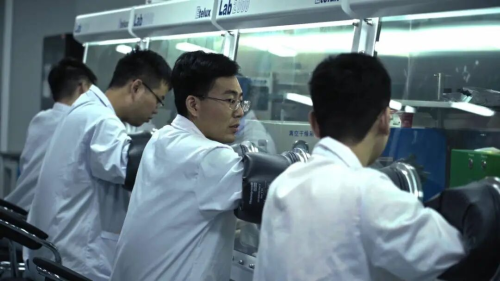
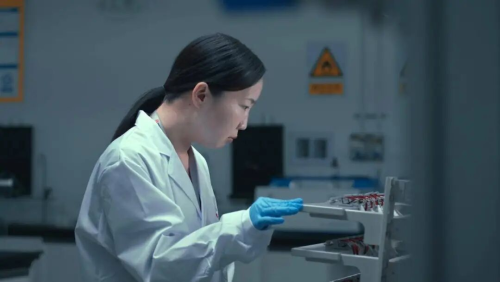
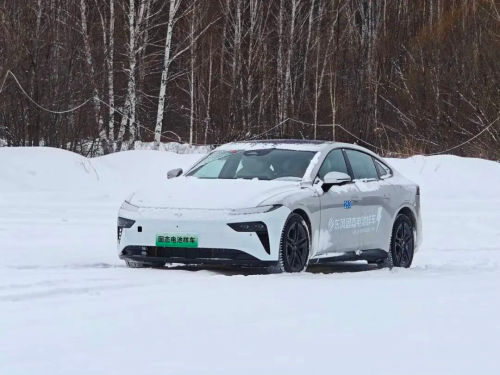
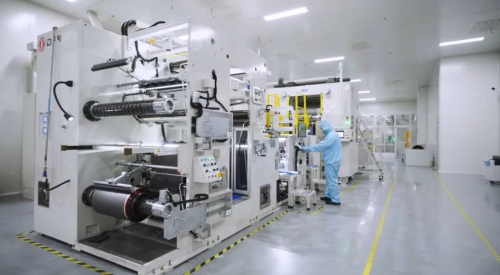
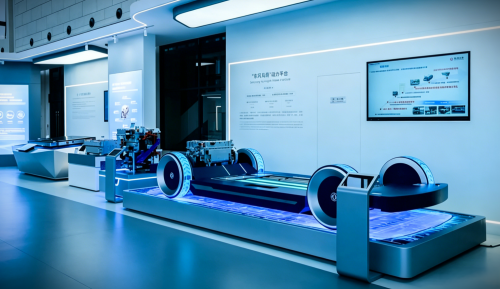
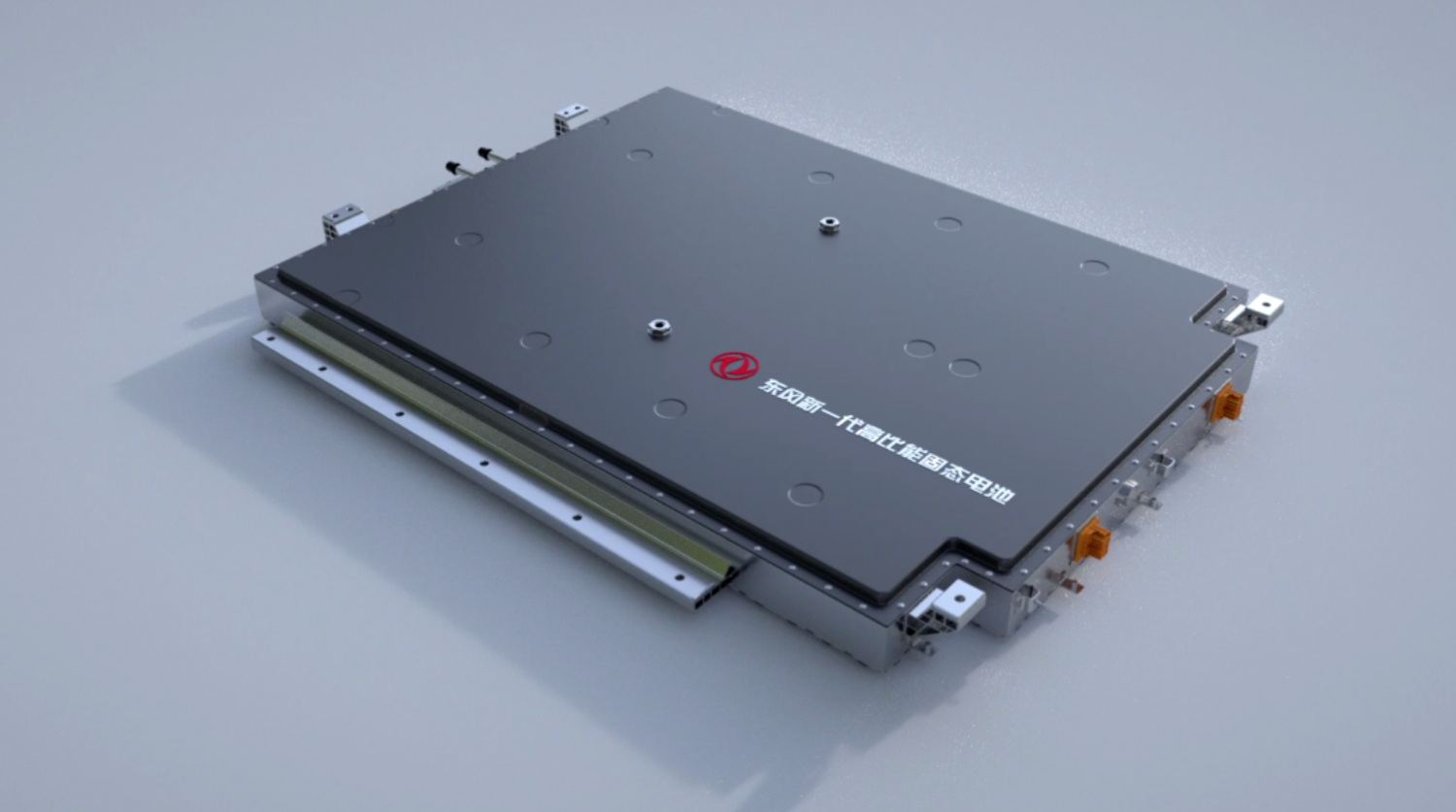
Gasgoo Munich- Dongfeng Motor will begin mass-producing and installing its self-developed next-generation solid-state batteries in vehicles during the second half of this year, according to official statements. Widely viewed as a critical technological frontier for new-energy vehicles, these batteries utilize a highly thermally stable solid electrolyte. The design aims to mitigate thermal runaway risks at the source while delivering greater energy storage within the same footprint.Image source: Dongfeng MotorDongfeng's pilot workshop for solid-state batteries is now running a fully automated production line, encompassing more than 20 processes ranging from material feeding and coating to baking and welding. The automaker established a dedicated team back in 2018 to focus on an oxide-polymer composite approach, continuously refining formulations and processes. Today, Dongfeng has achieved full mastery of core technologies, spanning from electrode materials and solid electrolytes to complete battery pack integration.To tackle mass-production hurdles—such as wider electrode gaps and higher internal resistance caused by the hardness of solid electrolytes—the team drew on real-world driving scenarios. By optimizing internal battery contact surfaces to minimize energy loss, and leveraging proprietary technologies like directional pressure relief, thermal-electrical separation, and novel materials, the group has systematically overcome these obstacles.Dongfeng completed development of its first-generation solid-state battery system in 2019. By 2021, it had secured China's first certification for a solid-state battery passenger vehicle, with a fleet of 50 demonstration cars logging over 3.2 million kilometers of safe driving. In 2025, the company's solid-state battery laboratory and a 0.2 GWh pilot line have gone into operation. This establishes a complete R&D and production chain spanning from the laboratory to trial and pilot lines.On the performance front, low-temperature capability has improved by more than 10%, retaining over 74% of its charge even at minus 30 degrees Celsius. With an energy density reaching 350 Wh/kg, the battery offers a range exceeding 1,000 kilometers on a full charge—enough to drive from Beijing to Shanghai with only one recharge. The pack is 30% lighter than traditional lithium-ion batteries and can withstand temperatures up to 170 degrees Celsius, far surpassing national testing standards.In May of this year, Dongfeng Motor led the formation of the Hubei Solid-State Battery Industry Technology Innovation Consortium. It joined forces with 18 enterprises and universities—including Wuhan University and Huazhong University of Science and Technology—to accelerate technological iteration and industrial application. The research team is currently developing fast-charging solid-state batteries and higher energy density technologies, aiming to equip vehicles with next-generation high-specific-energy batteries by 2027.



















 +44 others