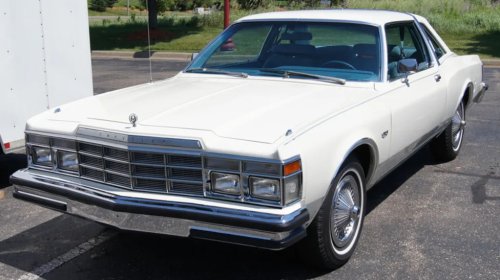
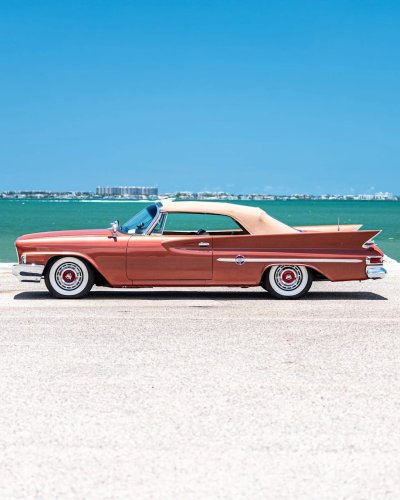
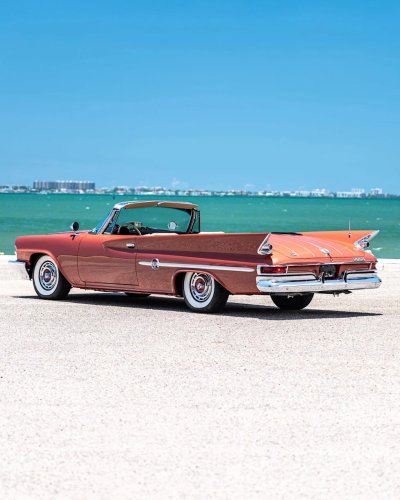
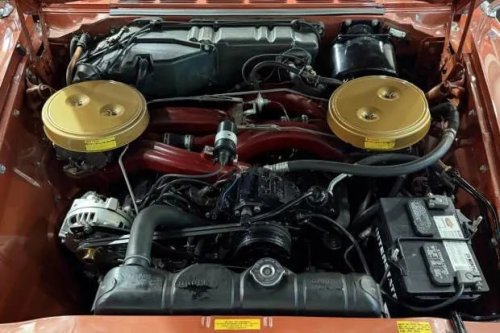
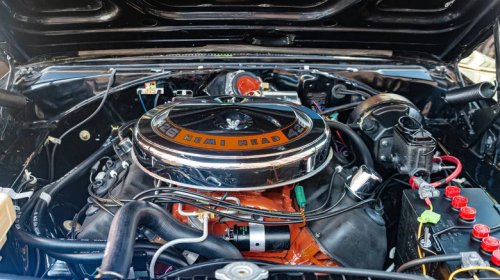
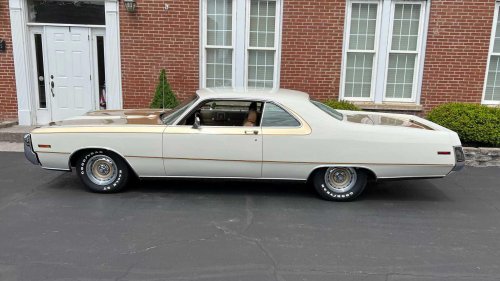
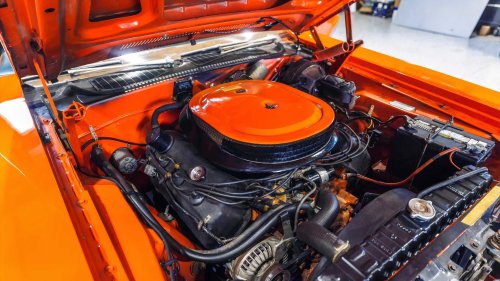
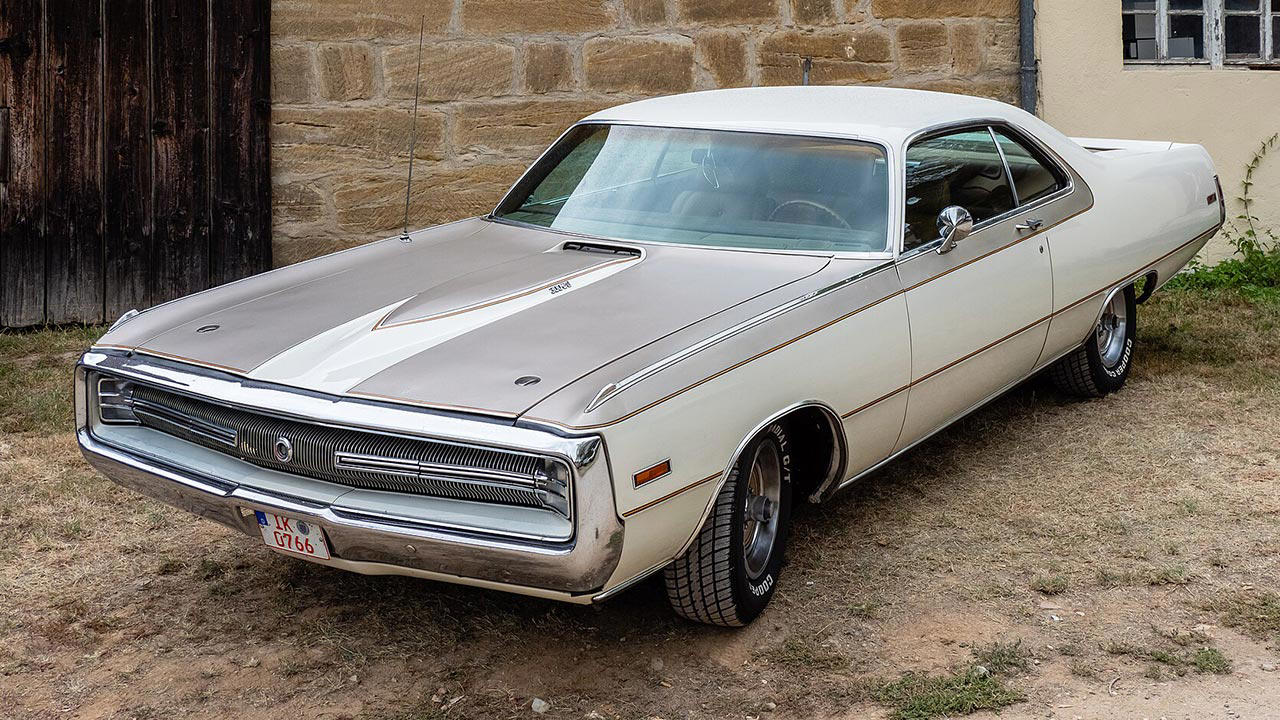
Chrysler tried something different with the 300 Hurst and it didn’t last longChrysler bet heavily on size, swagger, and a partnership with Hurst Performance when it created the 1970 300 Hurst. The result was a luxury muscle flagship that tried to blend the brand’s big-car heritage with youth-market flash, yet it arrived late in the muscle era and disappeared after a single model year. The 300 Hurst looked outrageous, carried serious power, and cost enough to keep it rare. That combination has turned this short-lived experiment into one of Chrysler’s most intriguing missed opportunities, and one of the most collectible big Mopars of its time. From letter cars to one last statement Chrysler’s performance story in the 1950s and 1960s revolved around the 300 “letter series,” a run of powerful, limited-production coupes that began with the C-300 and ran through the 300L. According to later historical summaries, Chrysler discontinued the 300 letter series with the 300L in the mid 1960s, but the 300 badge survived on more mainstream models that gradually shifted toward comfort and away from raw speed. One account notes that Chrysler ended the letter cars with the 300L, yet the nameplate continued and eventually led to the special 300 Hurst that was produced in just 485 units. By 1970, muscle cars were everywhere, but Chrysler’s full-size offerings felt out of step with the youth market. The company still had engineering credibility and powerful engines, but it lacked a halo car that could connect the big 300 name with the street and strip image that younger buyers associated with Dodge and Plymouth. That gap set the stage for a collaboration with Hurst Performance, the aftermarket brand already known for shifters and high-profile promotional specials. The idea was simple in concept and risky in execution: take Chrysler’s largest two-door hardtop, load it with power and luxury, and let Hurst wrap it in outrageous styling. The car would not carry a new letter suffix, and later restorers have pointed out that the 1970 Hurst 300 lacked the single-letter naming tradition that defined earlier 300 models and appeared five years after the last Letter Series Chrysler. The 300 Hurst would instead rely on spectacle and scarcity to make its point. Styling that shouted Hurst from every angle Visually, the 300 Hurst was impossible to miss. Period descriptions and enthusiast write-ups describe a massive Chrysler coupe finished in a distinctive white and gold color scheme, with a fiberglass hood and decklid that radically changed the car’s profile. A detailed registry post on a 1970 Chrysler Hurst 300 notes that options were scarce, with most of the differentiation coming from exterior pieces such as a console shifter in place of the standard column shifter and rectangular chrome exhaust tips that exited through the rear valance, along with gold accent panels that were painted on the body. The rear decklid was more than a styling tweak. It incorporated a built-in spoiler that stretched across the width of the car and visually reduced the bulk of the long trunk. A community listing for a 1970 Chrysler 300 Hurst describes the model as a limited-edition muscle car with a fiberglass hood and a unique decklid with a built-in spoiler, details that reinforced how far this version departed from the regular 300. Inside, the car leaned into luxury. One enthusiast account of a 1970 Chrysler Hurst 300 with a 440 cubic inch TNT V8 describes how nearly every surface was upholstered in saddle tan leather, turning the cabin into something closer to a high-end personal luxury coupe than a stripped-down drag racer. The same source notes that Hurst used a more powerful iteration of the 440-cubic engine, pairing the plush interior with serious straight-line potential. Trim details completed the effect. Gold striping, Hurst emblems, and special wheel treatments signaled that this was not a standard Chrysler. The overall impression was of a car that tried to combine the visual drama of a show car with the size and comfort of a full-size cruiser. Big-block power and “supersize” performance Under the hood, the 300 Hurst relied on Chrysler’s proven 440 big-block. The TNT version of the 440, used in at least some examples of the 1970 Chrysler Hurst 300, delivered strong torque and highway passing power that matched the car’s image. Accounts of the model emphasize that Hurst chose a more powerful 440-cubic configuration, which aligned with the brand’s performance reputation and the car’s role as a halo model. Later descriptions of the 1970 Chrysler 300 Hurst often refer to it as “supersize muscle,” a phrase that captures how it straddled categories. A detailed enthusiast write-up on the 1970 Chrysler 300 Hurst Edition with 22,000 miles describes the car as a high-performance, limited-edition luxury muscle car created through a collaboration between Chrysler and Hurst, with unique styling and upgraded performance features that set it apart from regular full-size coupes. Contemporary and retrospective performance comparisons place the 300 Hurst in rare company. One analysis of the least-known Chrysler muscle cars points out that Hurst versions were limited roughly to 485 to 501 examples, and that this 300 Hurst model outpowered many Camaros of its era, making it one of the rarest 1970s muscle cars ever built. That combination of limited production and big-block performance has since become a key part of the car’s appeal to collectors. The car’s chassis and tire package also reflected its dual mission. Heritage coverage of the Hurst and Chrysler connection notes that the Chrysler brand teamed up with Hurst to produce the largest vehicle to carry Hurst branding, and that the resulting CHRYSLER 300H used substantial H70 – 15 Goodyear Polyglas rubber to cope with its size and power. The 300 Hurst was never a lightweight, but it was engineered to deliver confident high-speed cruising and straight-line acceleration that matched its visual presence. Price, production, and why it stayed rare From the beginning, the 300 Hurst was not aimed at budget buyers. A historical feature on the 1970 Chrysler 300 Hurst Edition notes that it carried an MSRP of $5,939 before any options were added, making the 300 Hurst significantly more expensive than many smaller muscle cars and thus inaccessible to many enthusiast buyers. That price reflected both the extensive Hurst modifications and the underlying luxury equipment of the base Chrysler. Production numbers were low by design. The same historical overview that traces the end of the letter series states that the special 300 Hurst model was produced in just 485 units, a figure that aligns with other enthusiast estimates that place total Hurst versions in the range of 485 to 501 examples. A separate video profile of the 1970 Chrysler 300 Hurst describes it as one of just 485 special editions, reinforcing the sense that Chrysler and Hurst intended exclusivity rather than volume. Those numbers help explain why the car made a big visual impact yet had limited market reach. High pricing, a niche target audience, and the timing of its release all worked against broader adoption. By 1970, insurance costs, emissions pressures, and shifting buyer tastes were already starting to erode the muscle car boom. A full-size luxury muscle coupe with a premium sticker and limited options was a tough sell compared with cheaper, lighter intermediates and pony cars. Enthusiast communities that track surviving examples today often highlight how few original cars remain. One listing for a 1970 Chrysler 300 Hurst Edition emphasizes that it was 1 of 485 produced in 1970, underscoring the rarity that collectors now prize. That scarcity was a liability in period sales terms but has become a major part of the model’s mystique. The convertible outlier and the collector afterlife As rare as the production coupes are, one car stands apart. A detailed feature on a unique survivor describes The World Only 1970 Chrysler 300 Hurst Convertible Is a Proper Time Capsule, presenting it as the sole known open-top conversion associated with the limited-edition 300 Hurst model. That car, built outside the standard production run, illustrates how the Hurst treatment could be adapted to different body styles, even if Chrysler never offered a factory convertible version. The same historical account that traces the end of the letter series and the birth of the 300 Hurst notes that Chrysler discontinued the 300 letter series with the 300L, but Chrysle kept the 300 name alive and eventually applied it to the Hurst collaboration that was produced in just 485 units. The convertible time capsule sits at the edge of that story, a one-off expression of a program that was already tightly constrained. Collectors and restorers have since embraced the 300 Hurst as a challenging but rewarding project. A restoration shop profile of a 1970 Chrysler 300 Hurst points out that many automobile historians do not classify the Hurst 300 as a true letter series car, yet it occupies a special place in the lineage because it revived the performance image of the 300 name without reviving the naming convention of the Letter Series Chrysler. That tension between continuity and departure is part of what makes the car so interesting to enthusiasts. Video walkarounds and enthusiast channels have also helped raise the car’s profile. One detailed video titled “The Mighty 70 Chrysler 300 Hurst” features Tom from Rocket Restorations explaining what a 1970 Chrysler 300 Hurst is and comparing two different examples, reinforcing how much variation exists between individual cars and how distinctive the Hurst treatment looks even among other big Mopars. Luxury muscle that did not fit the market In concept, the 300 Hurst tried to bridge two worlds. It combined the comfort and presence of a full-size Chrysler with the graphics, performance, and exclusivity that Hurst typically applied to smaller, more youth-oriented cars. A short social video overview of the 1970 Chrysler 300 Hurst calls it the rarest Hurst performance-built Mopar, a one of just 485 special editions, and emphasizes how massive and powerful it was compared with more familiar muscle coupes. Yet that same size worked against it. The car was heavier and less agile than intermediate muscle cars, and its luxury focus meant it lacked the stripped-down, budget performance appeal that drew young buyers to models like the Road Runner or the Dodge Dart Swinger. For older buyers who might have appreciated the comfort and prestige of a big Chrysler, the bold Hurst graphics and fiberglass add-ons could feel too flashy. Insurance and fuel concerns were starting to bite as well. A high-MSRP, big-block 300 Hurst with a 440 TNT engine and luxury trim sat squarely in the crosshairs of rising premiums and growing worries about operating costs. Even though the car delivered strong straight-line performance and highway comfort, the broader market was beginning to move away from exactly this kind of machine. Chrysler’s own product strategy added another complication. The company already offered performance cars under the Dodge and Plymouth brands, and those divisions had built strong identities around speed and youth culture. The 300 Hurst was a halo for Chrysler itself, but it competed for attention and dollars with more established performance nameplates inside the same corporate family. How the 300 Hurst fits into the 300 legacy Looking back from the perspective of the 300 nameplate’s long history, the Hurst experiment appears as a bold but isolated chapter. A retrospective on the end of the Chrysler 300 line notes that Chrysler’s 300 line dates back to 1955, with the launch of the C-300, and that the series evolved through various interpretations of performance and luxury up to the present day. Within that arc, the 1970 300 Hurst stands out as a moment when Chrysler tried to recapture the exclusivity of the letter cars through an outside partnership rather than an in-house continuation of the series. The car’s limited run and lack of follow-up models show that the formula did not become a new direction for the brand. There was no 300 Hurst for 1971, and Chrysler did not repeat the exact concept with later 300s. Instead, the company shifted toward more conventional luxury and, eventually, to different interpretations of performance sedans and coupes that carried the 300 badge in later decades. For enthusiasts, that brevity has only increased the car’s appeal. The 300 Hurst represents a specific moment when Chrysler and Hurst tried something different with the 300 badge and discovered that the market was not ready to embrace a full-size luxury muscle flagship at that price and scale. The failure to establish a lasting line of Hurst 300s has turned the surviving cars into conversation pieces, reminders of a time when even conservative brands experimented with wild special editions. Why the experiment matters now The 1970 Chrysler 300 Hurst did not last long in showrooms, but it has enjoyed a second life in garages, museums, and online communities. Detailed registry posts on cars like the 1970 Chrysler Hurst 300 with 440 cubic inch TNT V8 engine, which describe options, interior trim, and performance use at drag races across the United States, show how owners have preserved and documented these cars as pieces of muscle-era history. Historical features on the 1970 Chrysler 300 Hurst Edition, which highlight its MSRP of $5,939, its status as a limited-production high-performance muscle car, and its appeal to younger drivers despite its high price, help explain both its initial impact and its limited sales. Today, those same factors support strong collector interest, especially as survivors become harder to find. The single known convertible, presented as The World Only 1970 Chrysler 300 Hurst Convertible Is a Proper Time Capsule, adds a layer of intrigue and underlines how close the car came to being a broader program. If Chrysler had seen stronger demand or a clearer path forward, the 300 Hurst might have evolved into a recurring special or even a revived letter-style series. Instead, it remained a one-year experiment, a bold attempt to fuse luxury and muscle that arrived just as the performance tide was turning. In that sense, the 300 Hurst is more than a curiosity. It captures the tension at the end of the classic muscle era, when manufacturers were still chasing ever more dramatic statements even as regulations, costs, and consumer tastes began to shift. Chrysler tried something different with the 300 Hurst, and while the concept did not last long, the car it produced has endured as one of the most distinctive big Mopars of its time. More from Fast Lane Only Unboxing the WWII Jeep in a Crate 15 rare Chevys collectors are quietly buying 10 underrated V8s still worth hunting down Police notice this before you even roll window down The post Chrysler tried something different with the 300 Hurst and it didn’t last long appeared first on FAST LANE ONLY.


















 +18 others