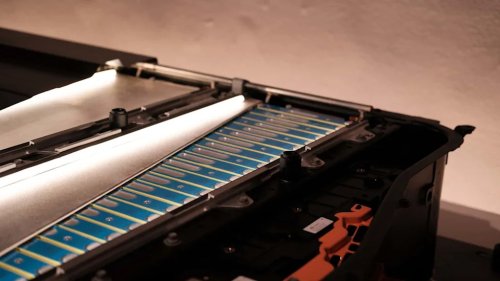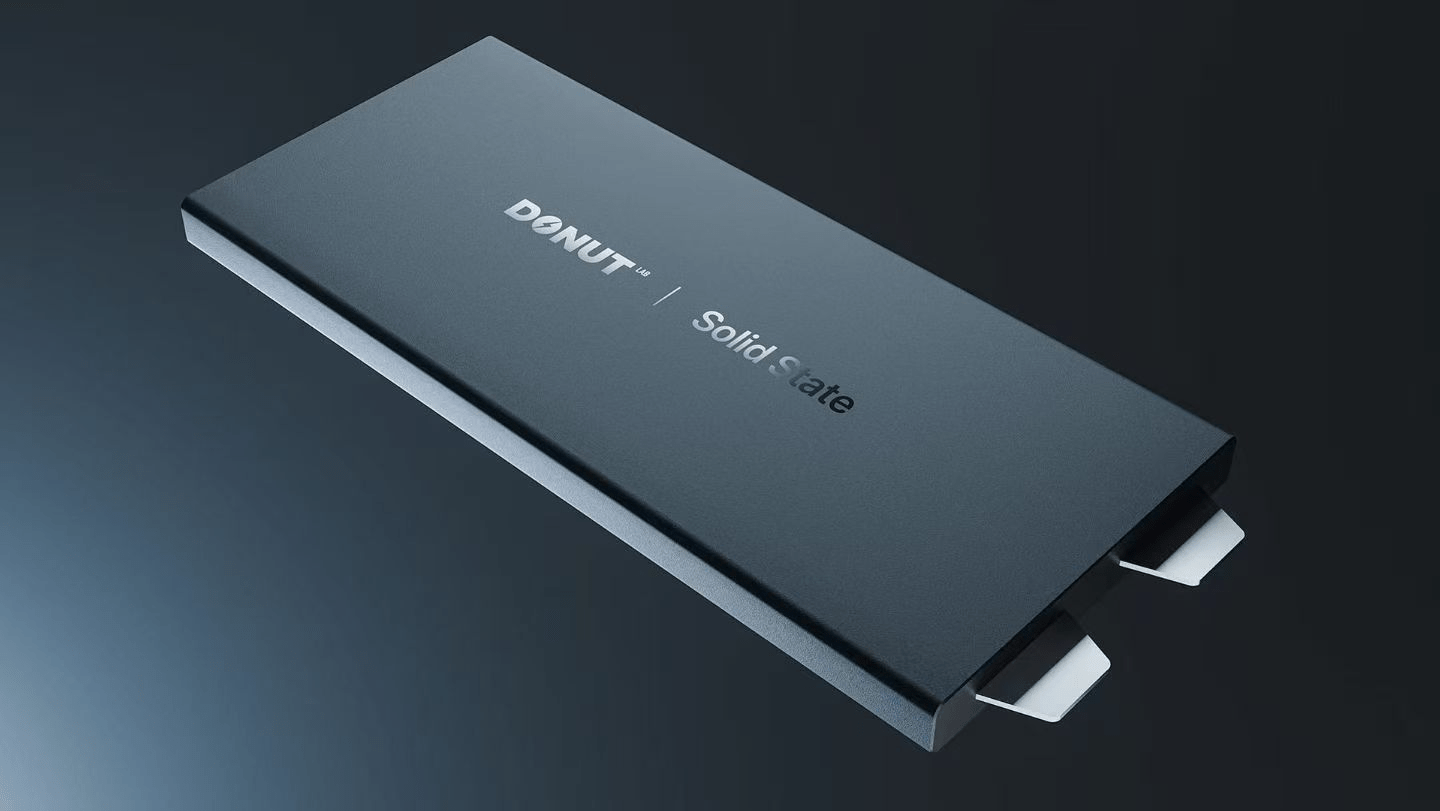
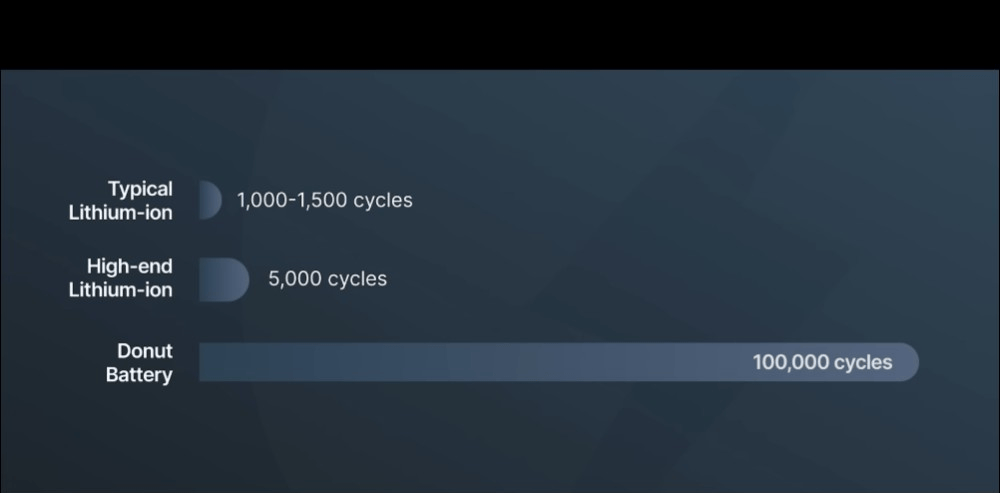
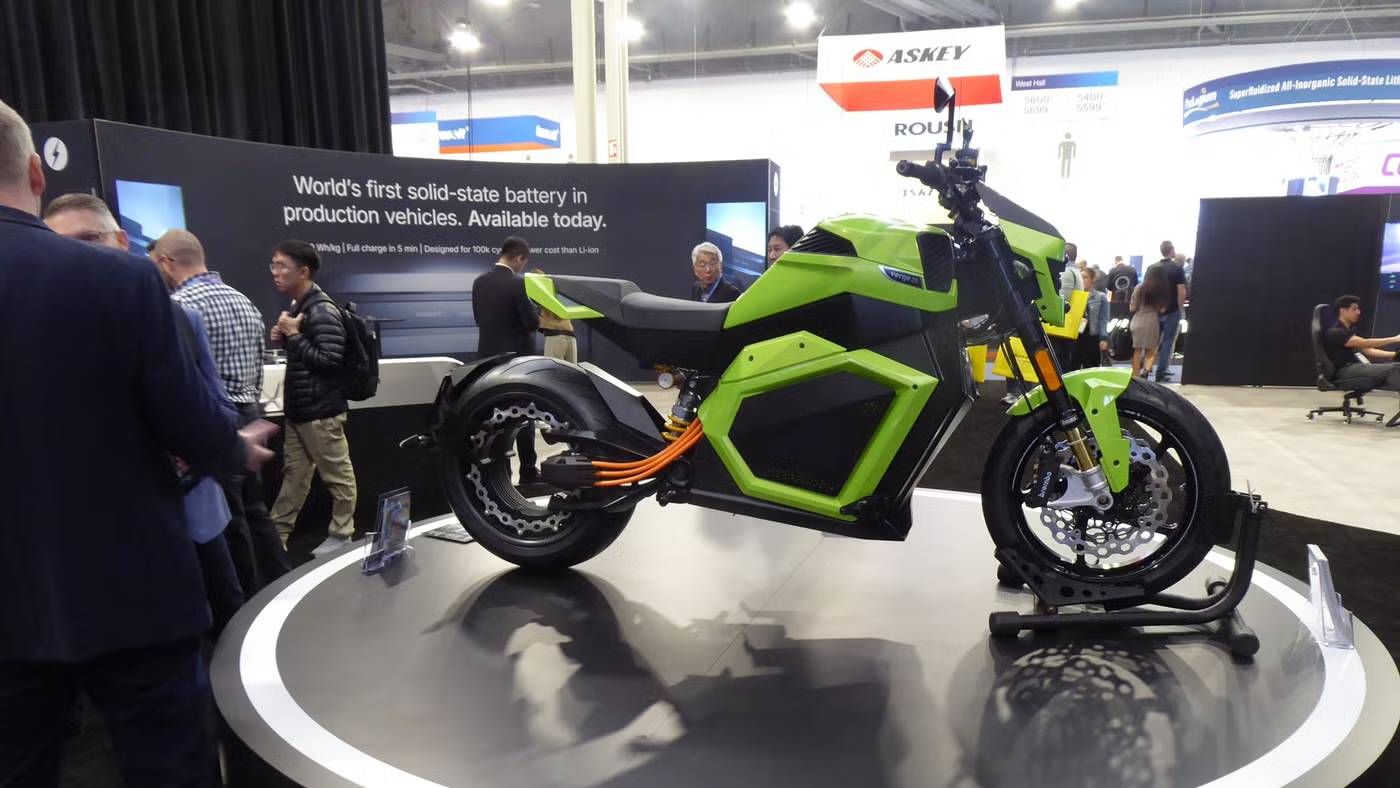



















Yang stressed that solid-state batteries remain in an exploratory phase of technological development and criticized what he described as excessive hype within parts of the industry and capital markets. China’s Battery Maker SVOLT Energy Chairman, Yang Hongxin, said in an interview on January 20 that the solid-state battery claimed by Finland-based startup Donut Lab is a “scam,” arguing that the performance metrics the company has disclosed are mutually contradictory and technically impossible to achieve. Donut Lab’s solid-state battery Donut Lab had announced at CES 2026 that it had launched what it called the world’s first mass-producible all-solid-state battery. The company claims the battery delivers an energy density of 400 Wh/kg, can be fully charged in five minutes, supports a cycle life of up to 100,000 cycles, and maintains more than 99% capacity retention across an extreme temperature range from -30°C to 100°C. Donut Lab’s solid-state battery supports a cycle life of up to 100,000 cycles Donut Lab has also said it already has 1 GWh of production capacity and plans to expand this to 20–30 GWh by early next year, positioning the product as a commercially scalable all-solid-state battery. However, no authoritative third-party test reports have been made public to substantiate these claims, prompting skepticism across the industry. Yang said that with current material systems and manufacturing processes, it is not feasible to meet all of these performance targets simultaneously. Such a combination of parameters, he added, is difficult to validate even at the laboratory stage, let alone in large-scale mass production. It is worth noting that a Donut Lab employee previously said the battery contains neither lithium nor rare-earth materials, could achieve cost parity with lithium iron phosphate batteries, and is planned to be first deployed in electric motorcycles produced by its parent company, Verge Motors. Verge Motors equipped with the solid-state battery Yang also stressed that solid-state batteries remain in an exploratory phase of technological development and criticized what he described as excessive hype within parts of the industry and capital markets. By contrast, SVOLT has taken a more pragmatic approach to solid-state technologies, focusing on semi-solid-state batteries. In December last year, SVOLT completed the small-batch rollout of its first semi-solid-state battery cells, with at least three to four vehicle models expected to adopt them. Mass production is projected between the third quarter of 2026 and the first quarter of 2027. As for fully solid-state batteries, Yang said he remains “very conservative,” estimating that large-scale commercial adoption is unlikely before 2030.