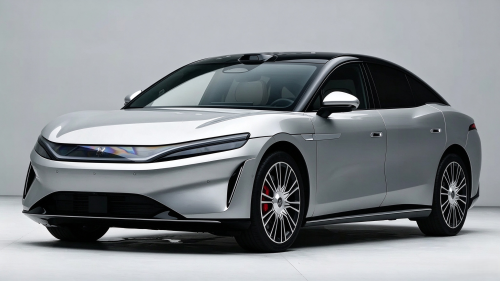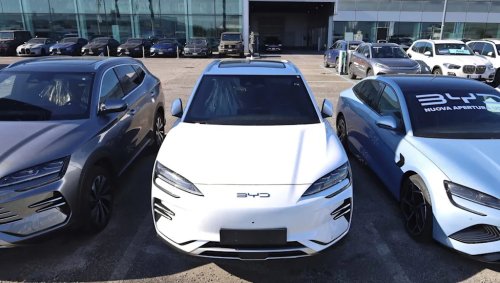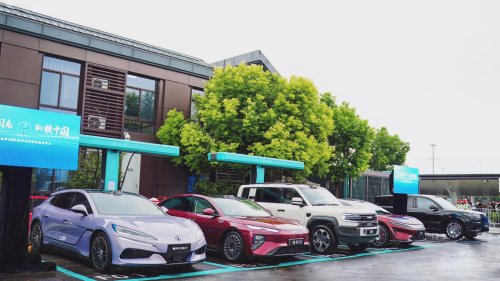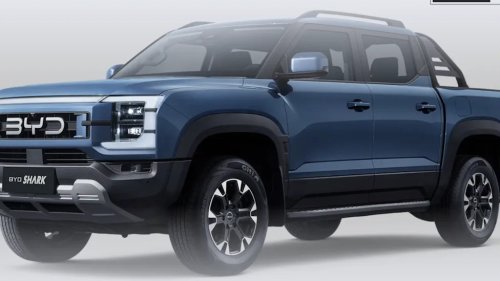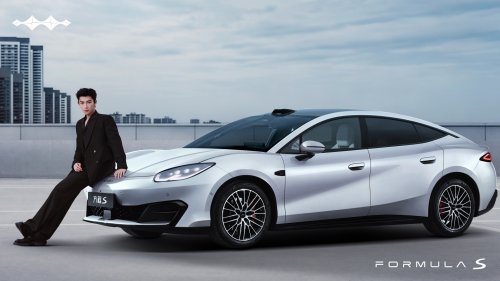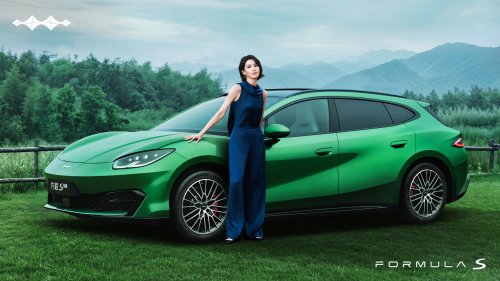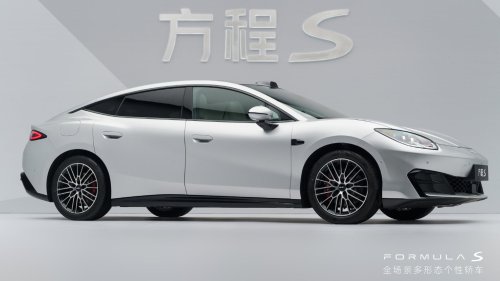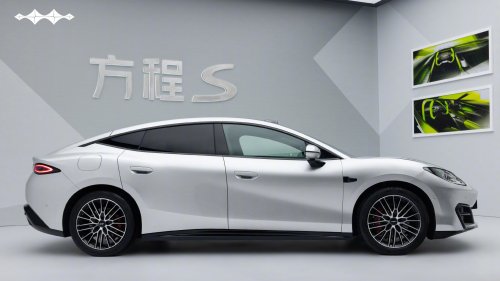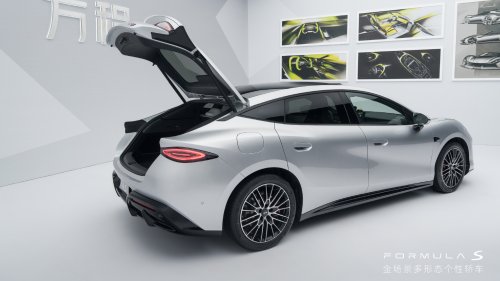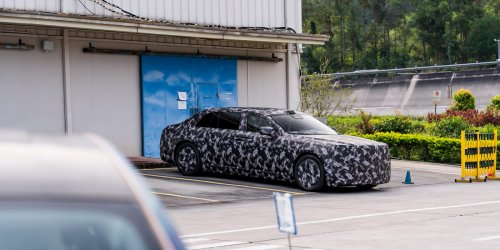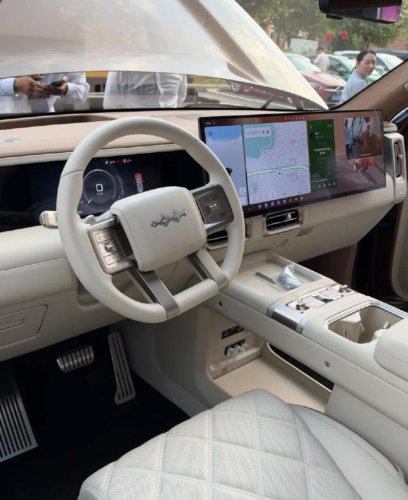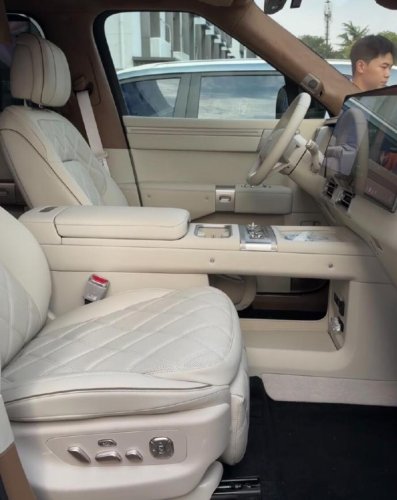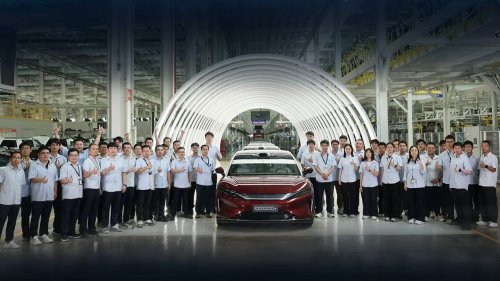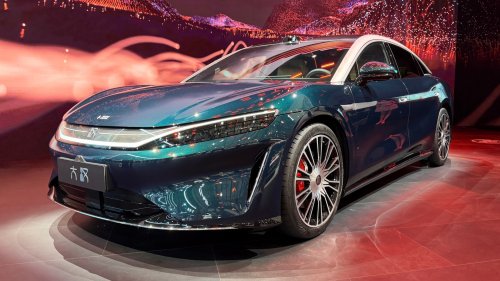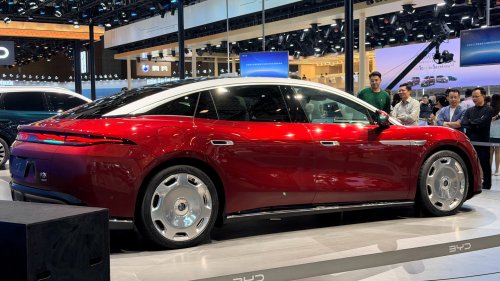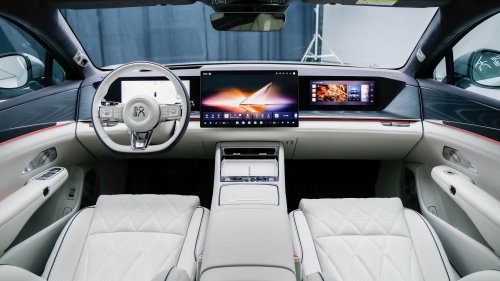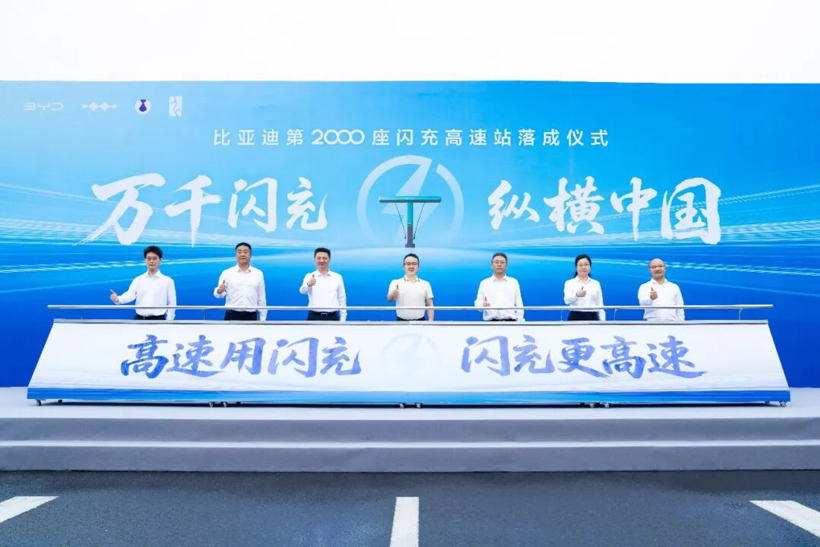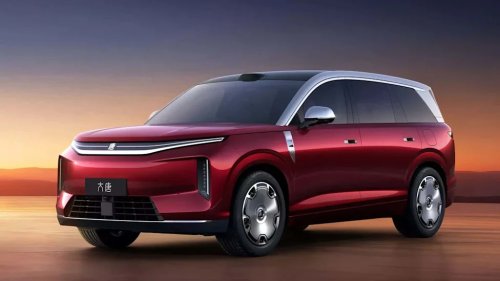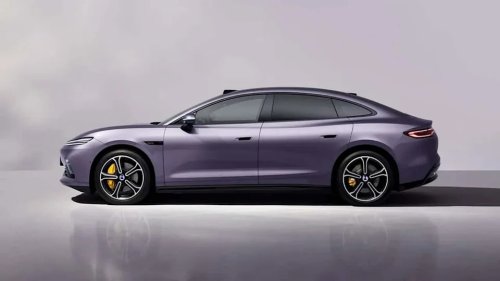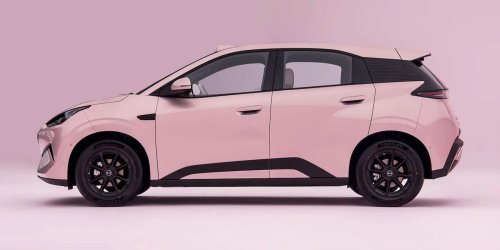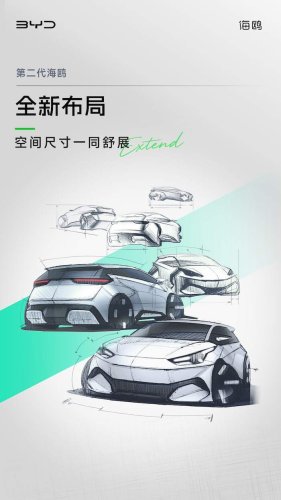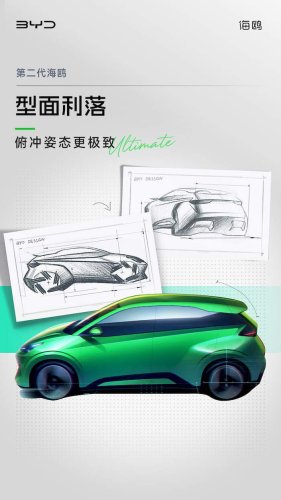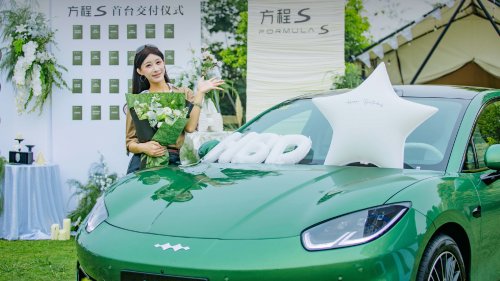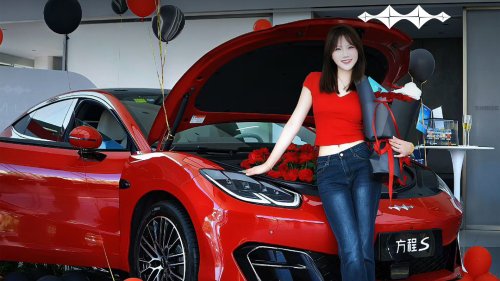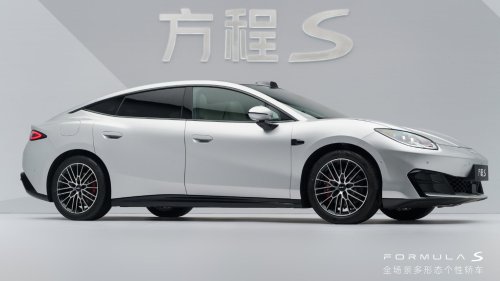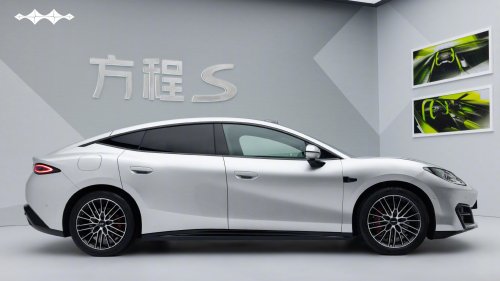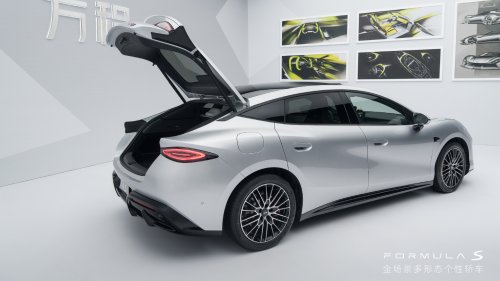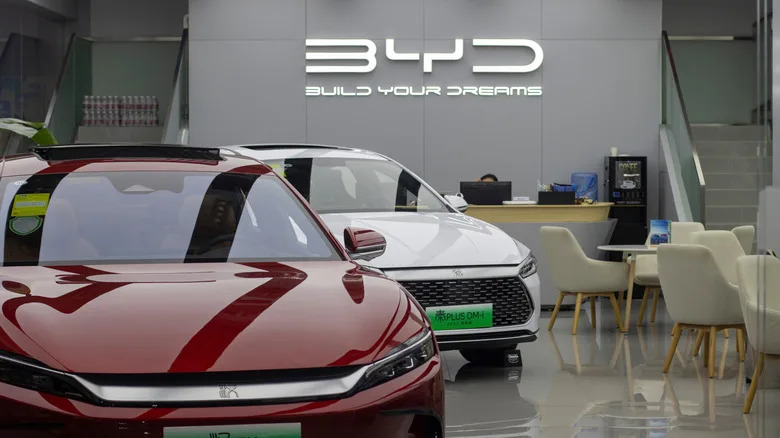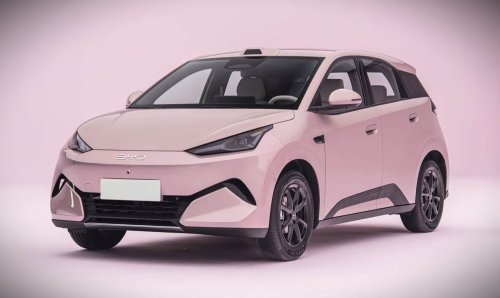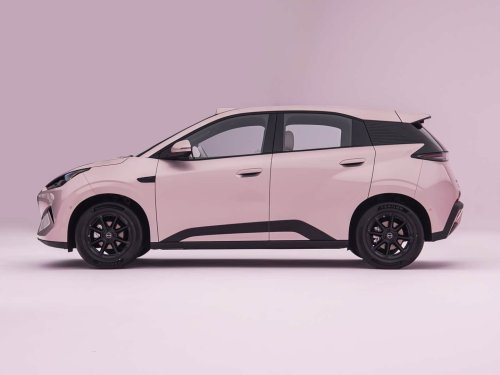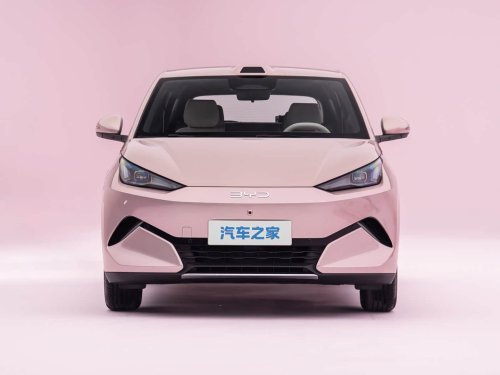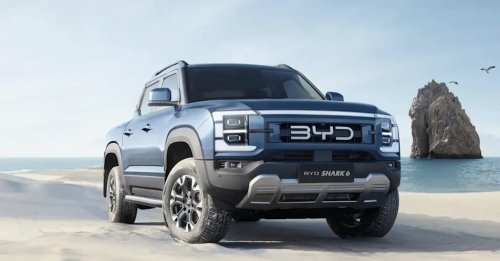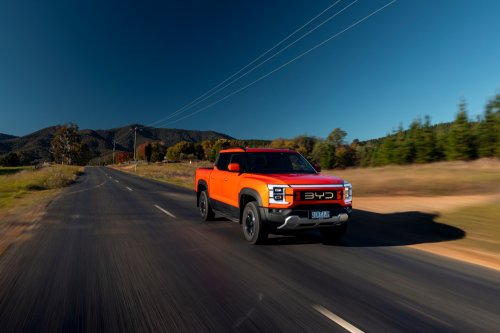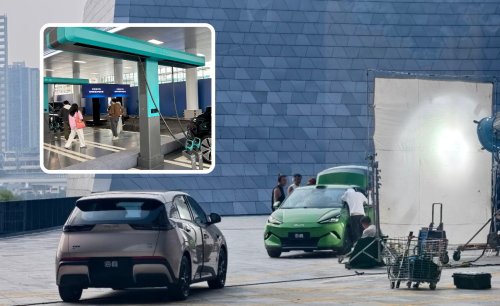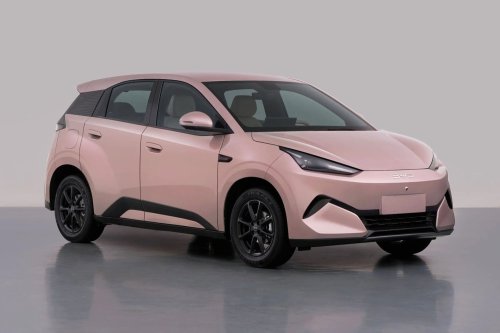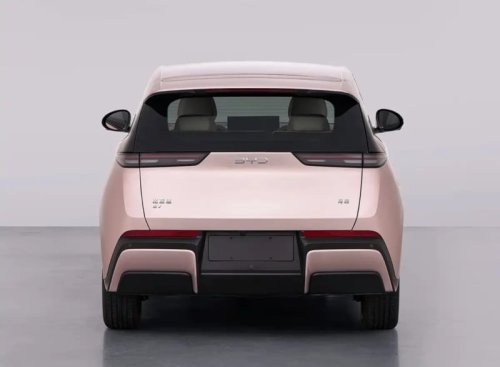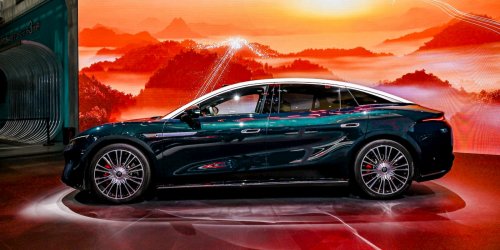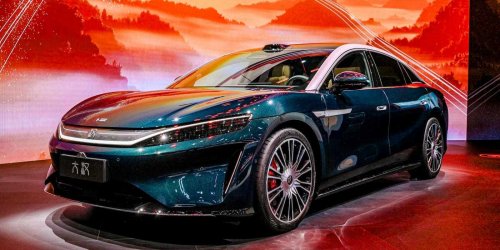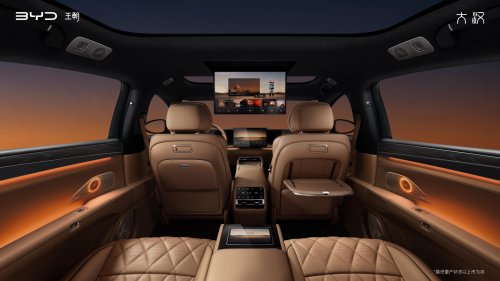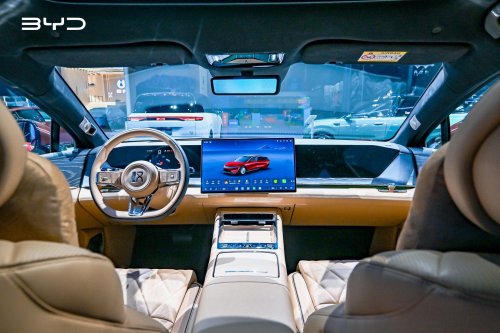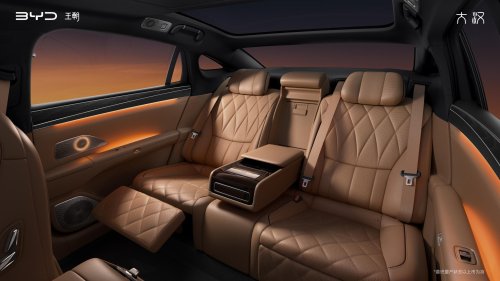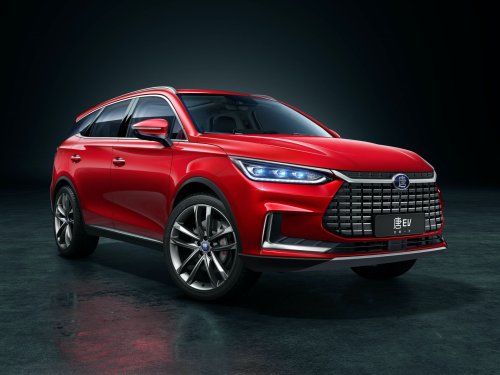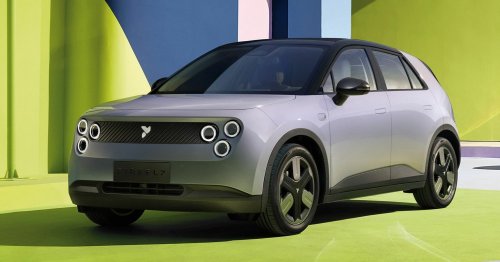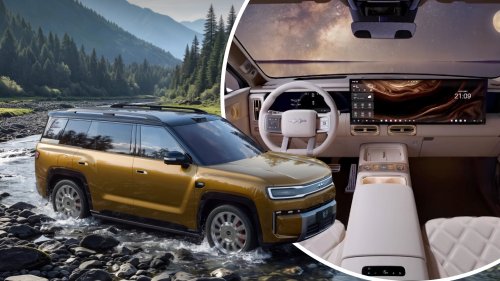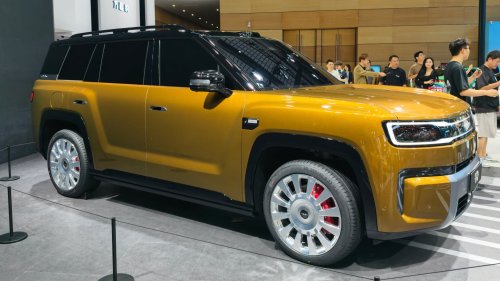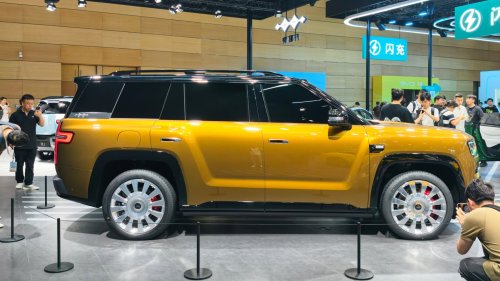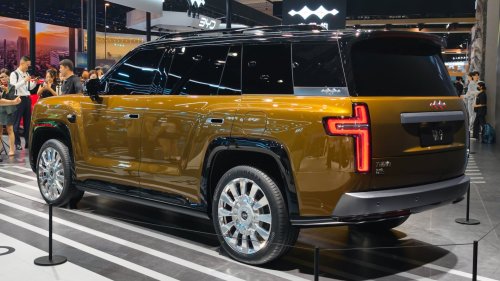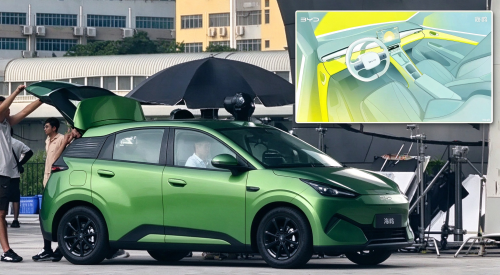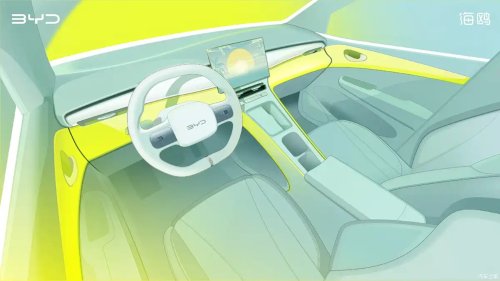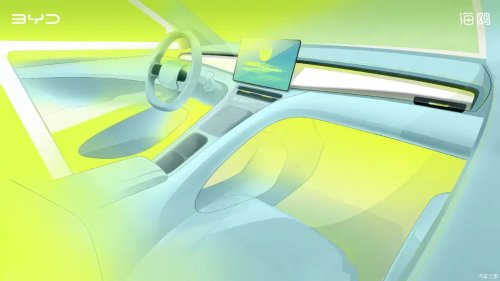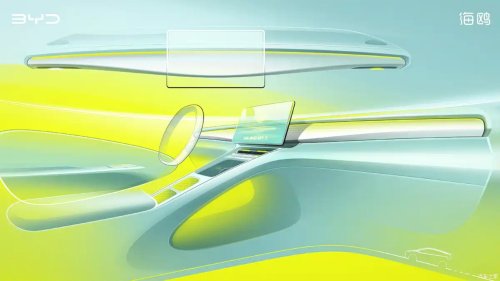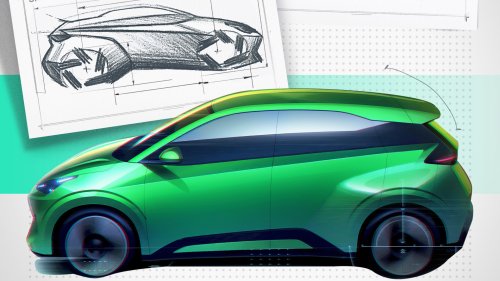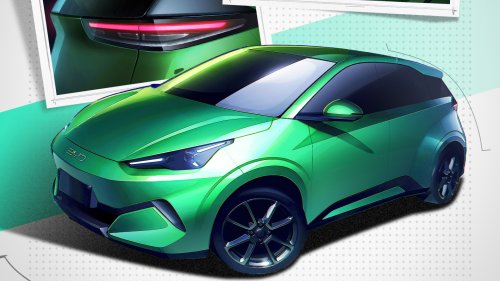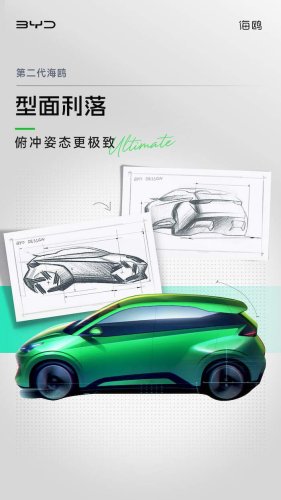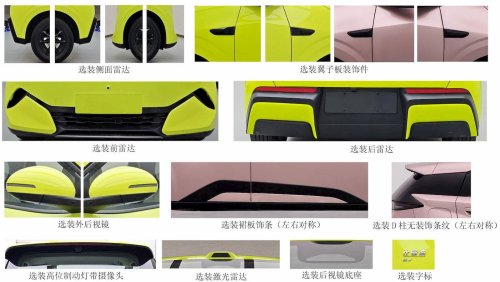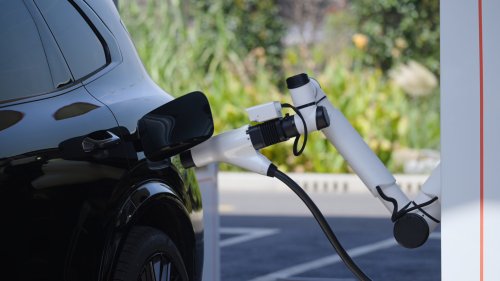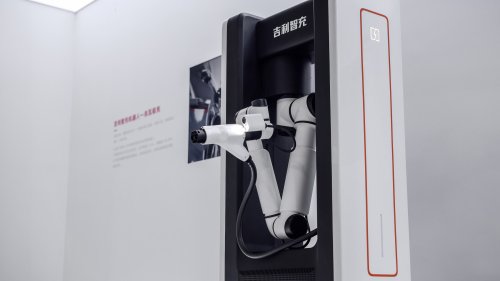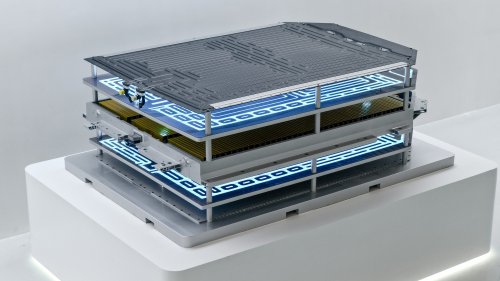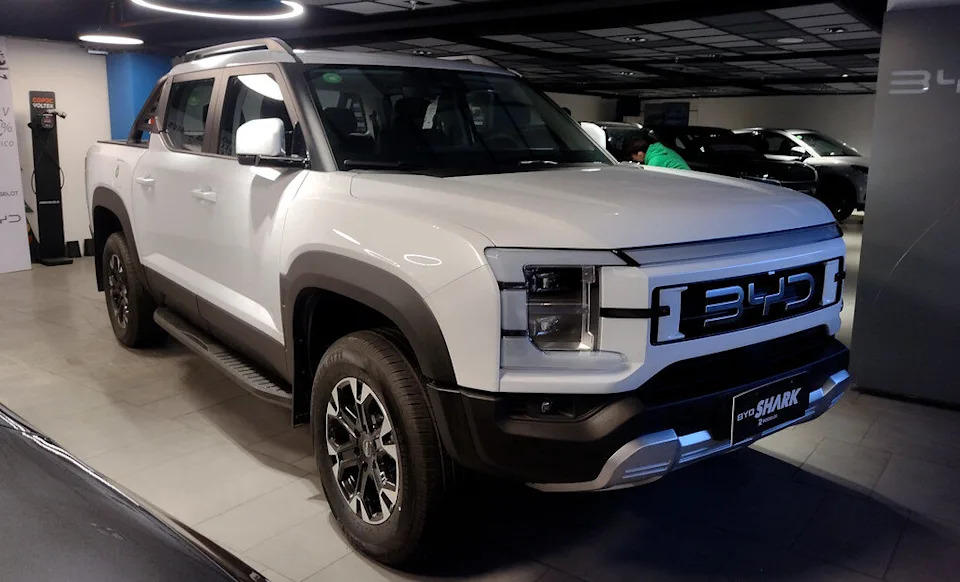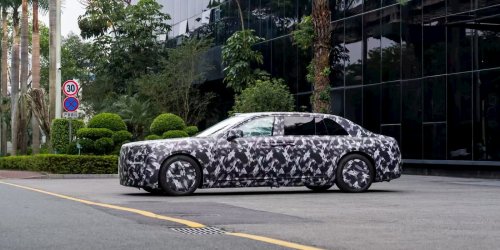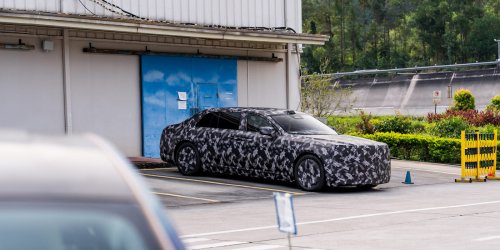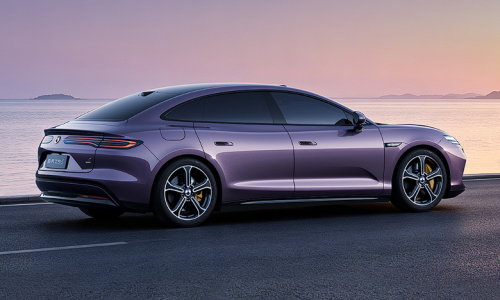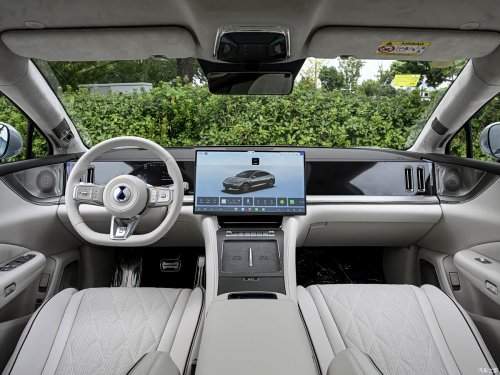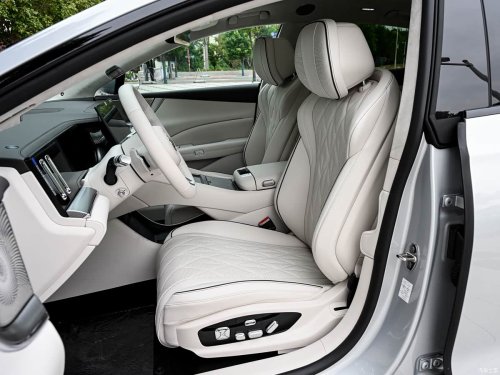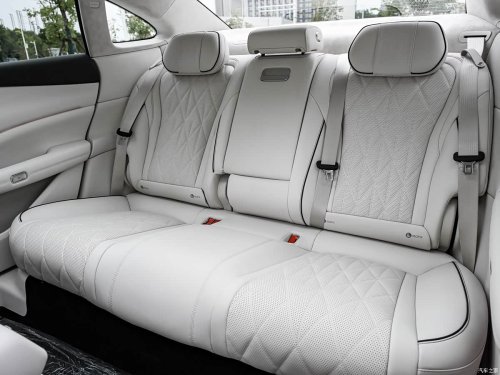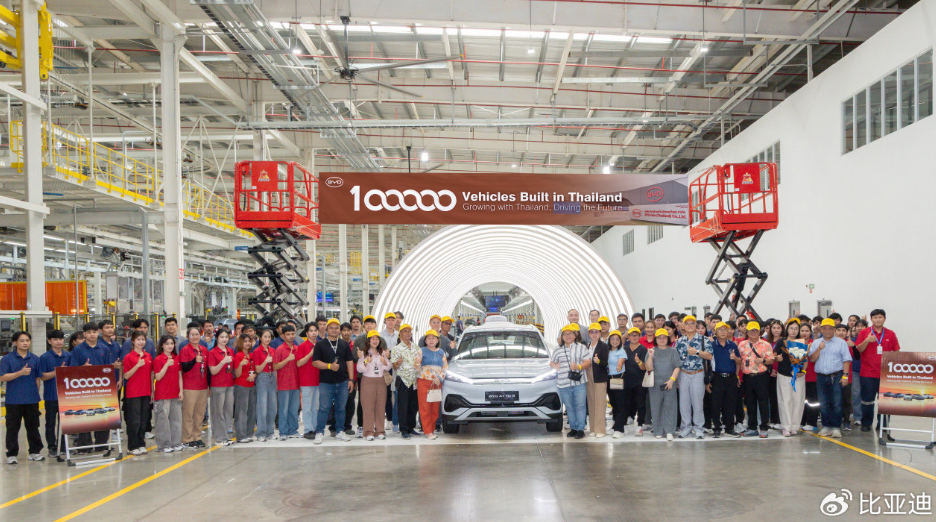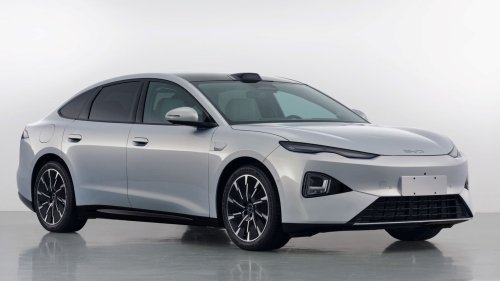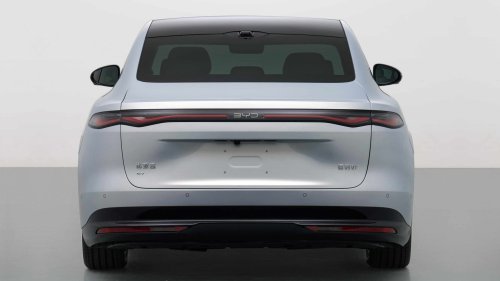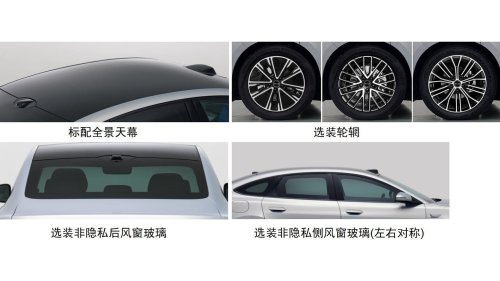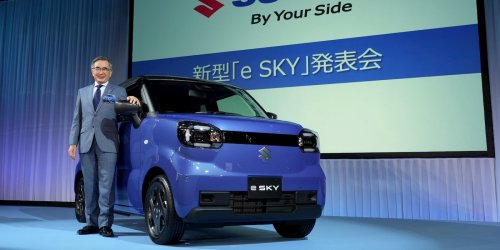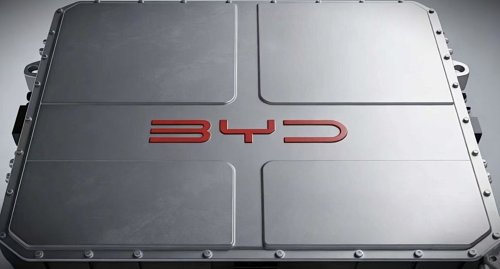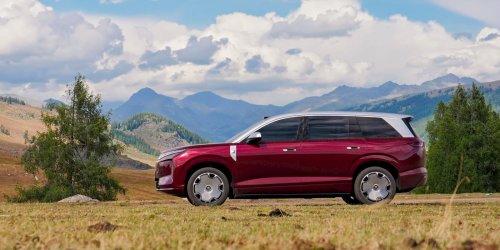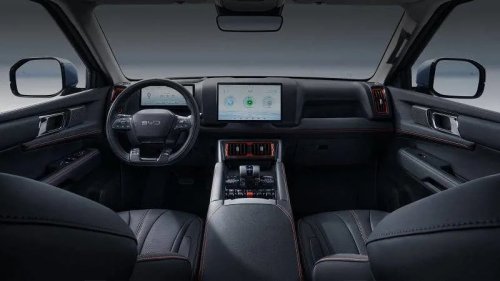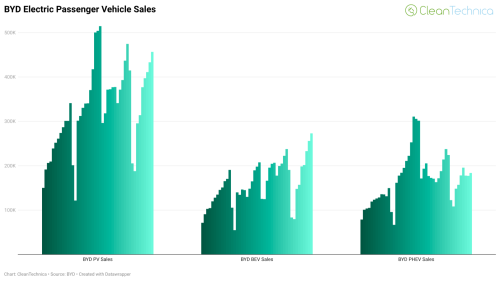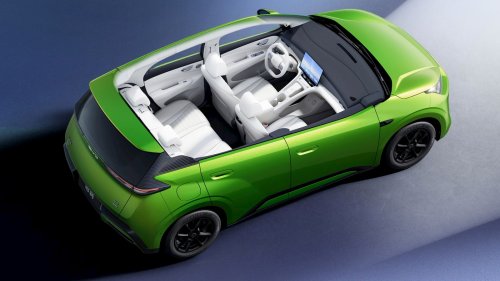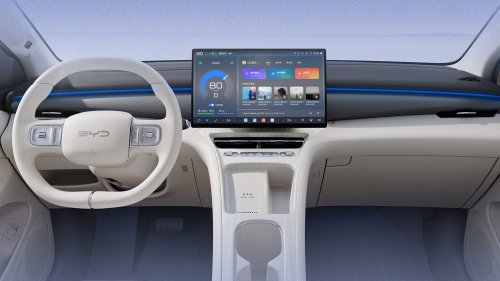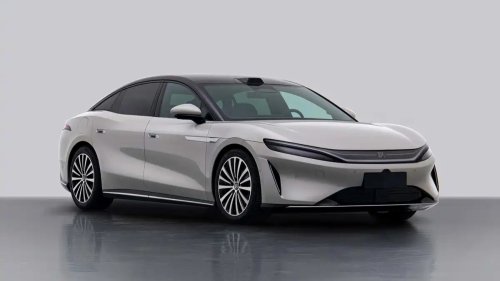
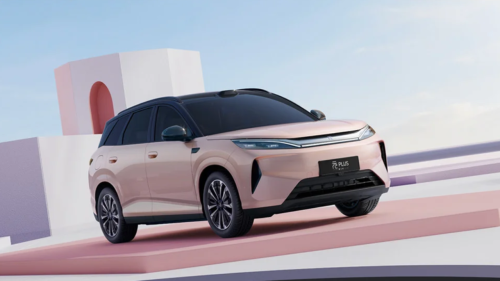
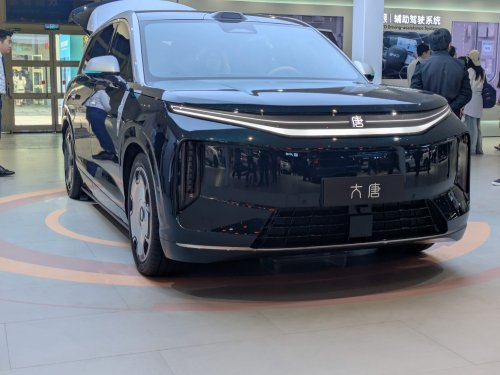
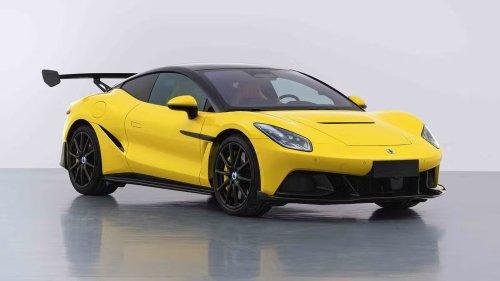


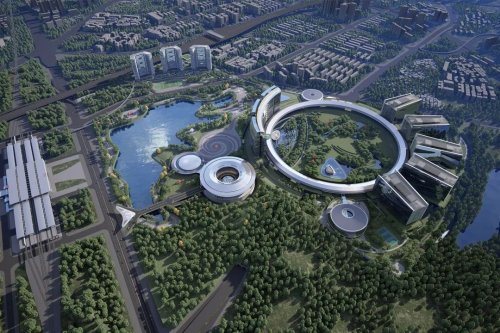
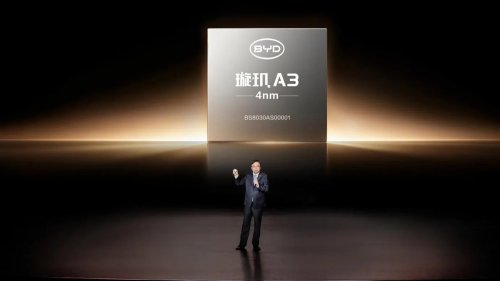




















In the recent shareholder meeting, BYD Chairman Wang Chuanfu indicated that the company would become the largest automaker by volume in 5 years and would exceed 10 million units by the end of the decade. “Five years from now, BYD will be able to achieve true global leadership in terms of scale.” However, this metric would assume that Toyota sales decline below its current 11.32 million vehicles and BYD would maintain a 16.8% average annual growth rate. He also indicated that L3 and L4 autonomous driving will be implemented ahead of schedule based on their current rate of AI development, although no specific timing was given. In a separate statement, Executive Vice President Stella Li indicated that BYD currently has twice as much demand as they have production capacity, due to the transition to the new Blade Battery 2.0. She also indicated that she anticipates the Chinese market will soon reach 80% EV penetration, up from 63% in May. Image Credit: BYD However, BYD is in the middle of its largest product transition. That transition has suppressed sales in the Chinese market. The new blade battery is ramping up production by an additional 20,000 to 30,000 units per month. As such, it may be a while before supply catches up with demand. We may not see the full impact until next year, even if many are hoping models reach customers faster. BYD Datang. Photo by Larry Evans That could especially be the case with cars like the Datang, which was revealed in March, already has over 100,000 orders and has its sales launch next week. In addition, the Seal 08 is expected to go on presale soon. Denza Z. Image Source MIIT We also have seen MIIT regulatory filings for a new Han model, as well as the 1600 hp Denza Z sports car and Fang Cheng Bao Formula S/GT sedan and hatchback. And there are several other mainstream models seen in past regulatory filings that have yet to be launched. While Wang Chuanfu said “the worst is over,” there is still a lot of work to do. Meanwhile BYD expects their 2026 overseas sales target of 1.6 million to be surpassed. Currently, those vehicles use the previous Blade Battery, outside of the recently launched Z9GT. However, once battery production catches up with domestic demand, export markets are next. Photo by Larry Evans The impact of the second-generation Blade Battery will be especially noticeable in markets where BYD is rolling out its battery-buffered Flash Charging infrastructure. Initial announcements include Australia and Europe, where BYD plans to offer faster charging at lower cost. Image credit: BYD BYD will also produce vehicles specifically for foreign markets, such as a PHEV for Europe and a Kei car for Japan. Localized manufacturing is also set to increase, including the Hungary factory starting production in 4Q. Image Credit: BYD BYD’s 120,000 R&D engineers are more than any other automaker. This lets BYD bring vehicles from concept to production faster than competitors. It also lets them develop many of the components within their vehicles, including battery cells, motors, sensors, advanced microprocessors, SiC power electronics, and many more. BYD indicated that they are not stopping with intelligent driving or the new Blade Battery, with other major technologies to be launched in the next two years. And there is more to come from a new campus to hold 60,000 R&D engineers and scientists. This builds up to long term strength, as Wang Chuanfu describes, “We have always adhered to the concept of long-term development. From the initial team of 20 people to the scale we are today, for the past 30 years, we have always focused on technology and innovation, and this has never changed.” Image Credit: BYD Beyond the technology itself, BYD’s strength has just come from cost-effective mass implementation and vertical integration of that technology. Many companies can display impressive technology on a test bench or for a low-volume model at high cost. Some limited-scale competitors may even outperform BYD in some aspect or the other. However, BYD has an advantage in introducing increasingly advanced technology to mass markets at lower cost than the technology that it replaces. That drives technological disruption. However, reaching that scale for their latest battery is currently their largest challenge. The same vertical integration that leads to lower cost and more optimization also leads to challenges when a widespread change is made. Existing production must stop and retool to enable new production. They can’t rely on a range of suppliers to fill the gap. They are essentially their sole supplier. Image Credit: BYD Once that technology ramps up, BYD will be in an enviable mass market position. That does not mean that other automakers will not have opportunities, as BYD indicates that it will not restrict its chargers and will make technologies available to partners. However, for the mass market, their cars are poised to offer more performance/technology/amenities/comfort for the money. That is not just compared to other EV makers, but also compared to ICE vehicles, accelerating the transition in China. BYD can also build on that mass market scale to effectively reach more premium segments. Prices remain inflated in some export markets and some markets are not yet getting the most advanced product. However, as trade policy stabilizes, BYD also has plenty of room to add technology or reduce prices to stay ahead of the competition. Of course, the US is not a significant part of BYD’s current plans. Isolated from the competition, the US market will likely fall further behind and become less globally relevant. However, global markets will benefit. BYD stepping up will mean other automakers will also need to step up to stay competitive. Even if BYD looks well positioned now, competition isn’t standing still. The net result is that customers will get better EVs that are much better than ICE vehicles. Combined with accelerating charging infrastructure, those EVs will better meet customer needs than the legacy vehicles they replace. Even if BYD were to fall short of its goals in the next 5 years, the attempt alone will raise the bar and drive EV adoption to the next level.