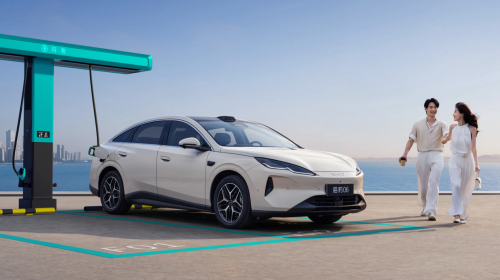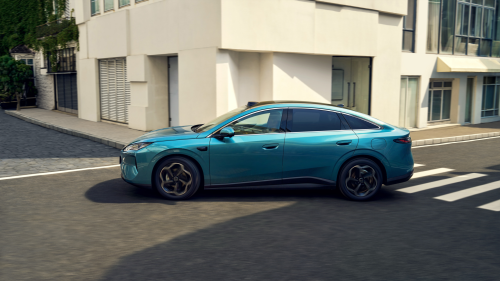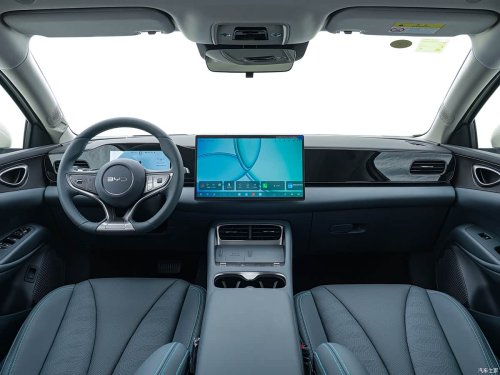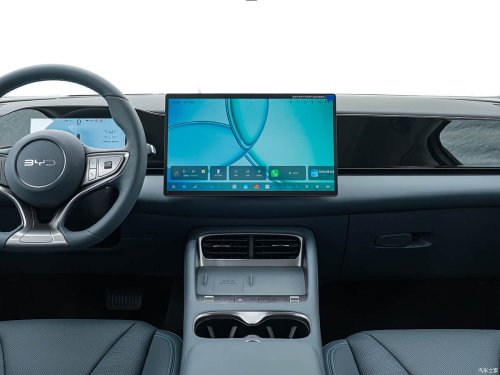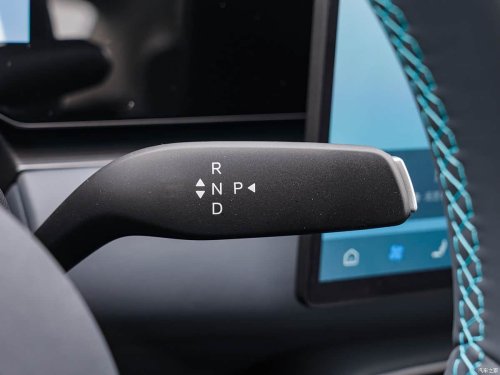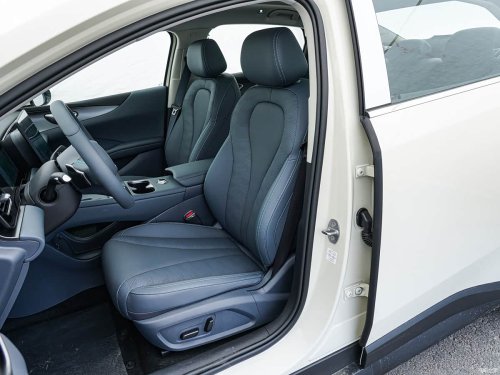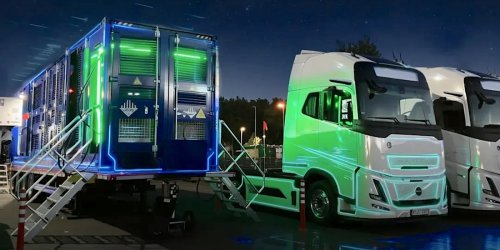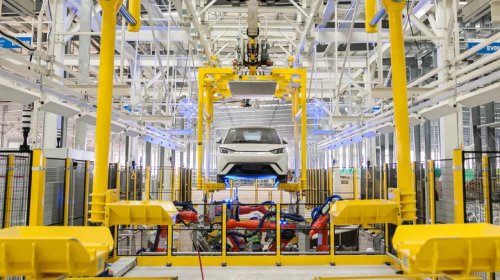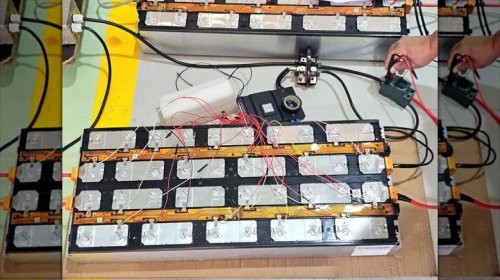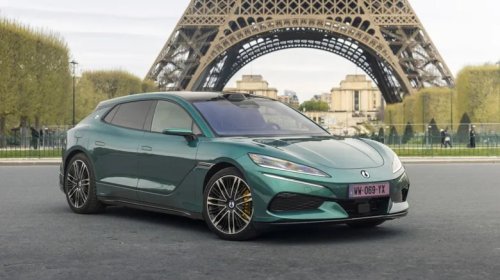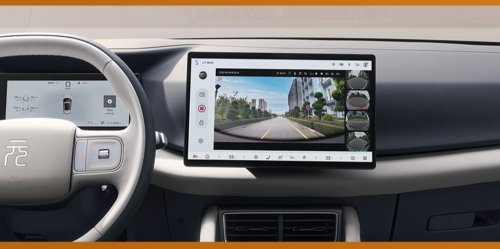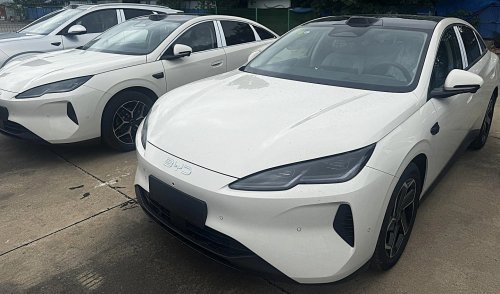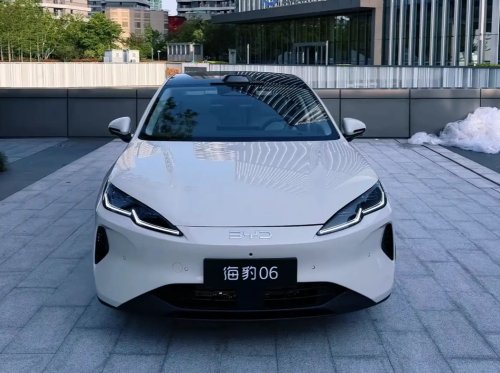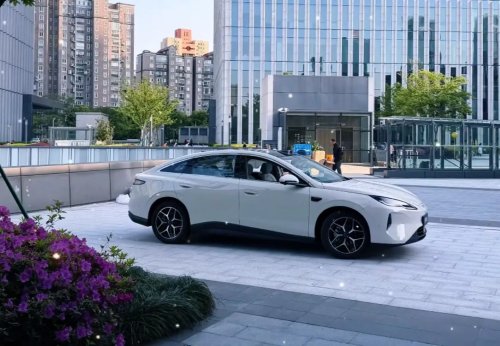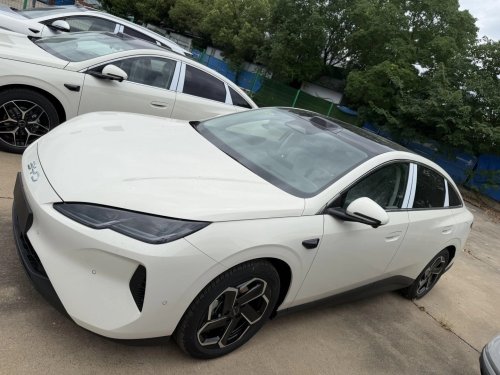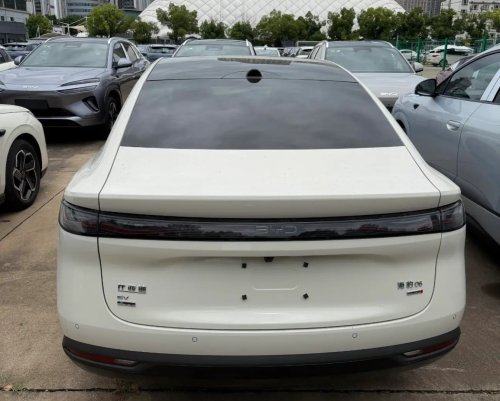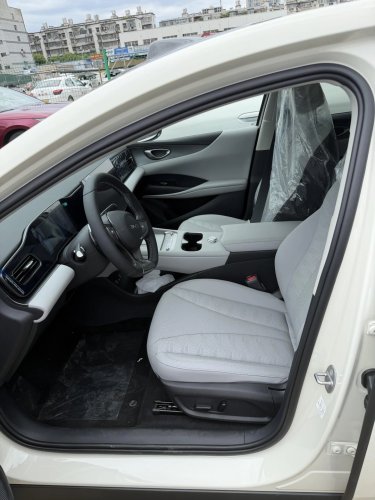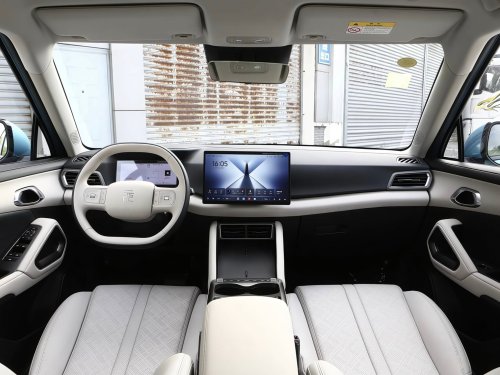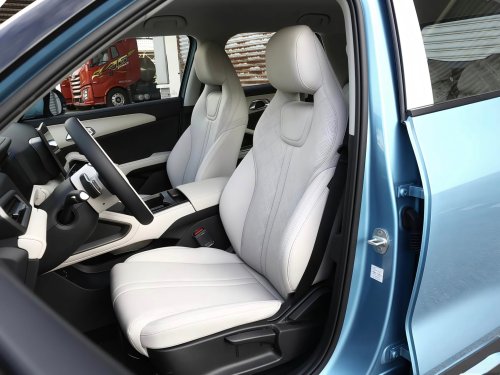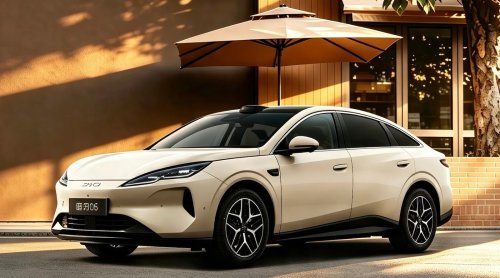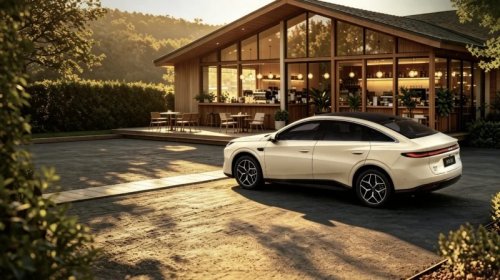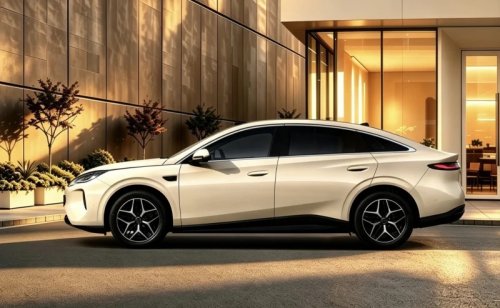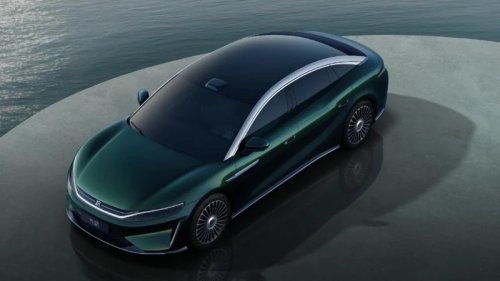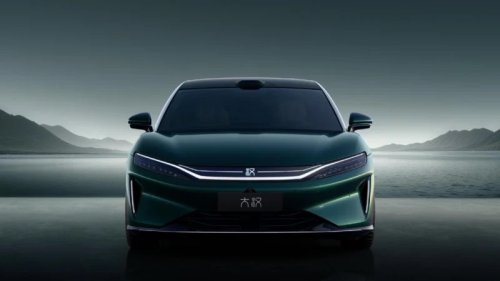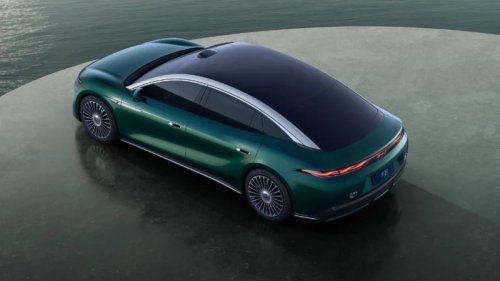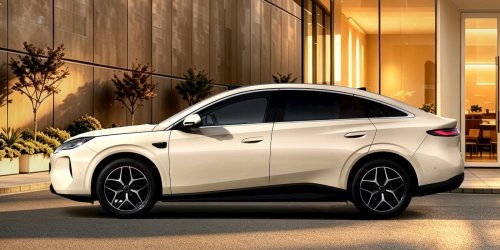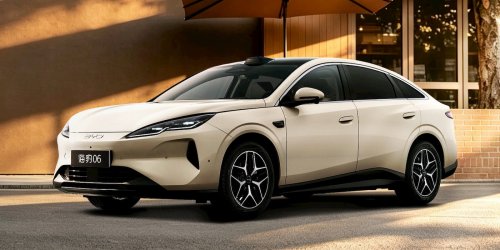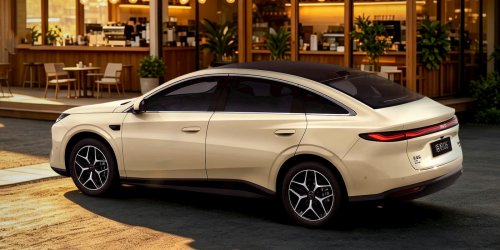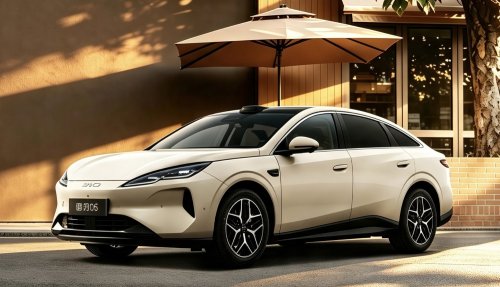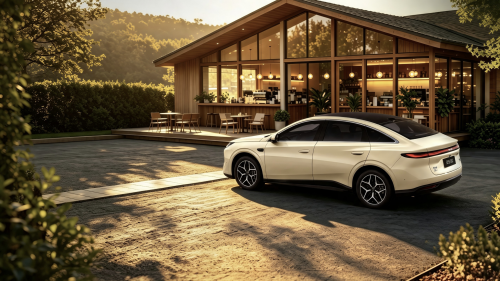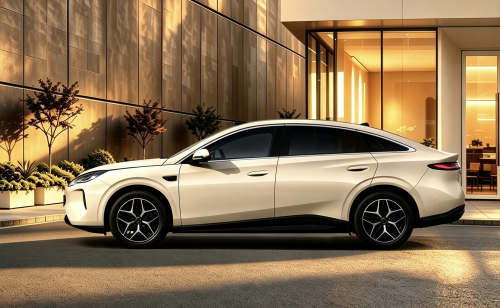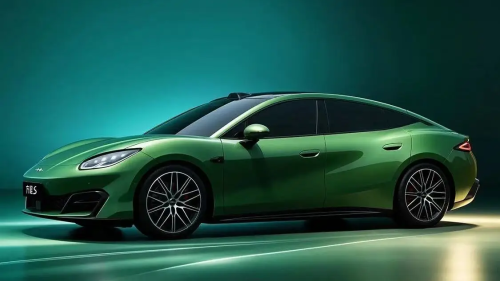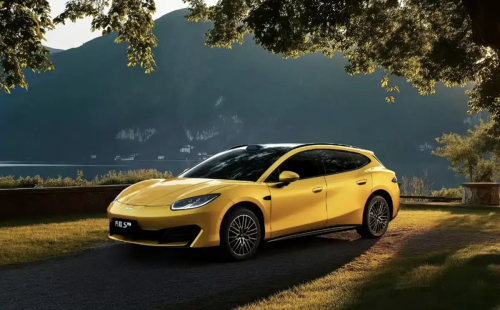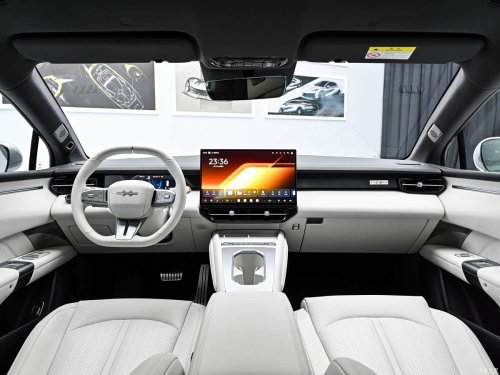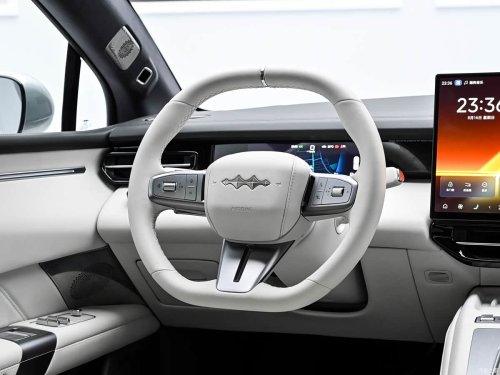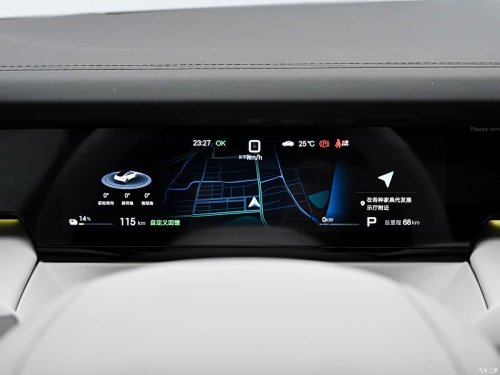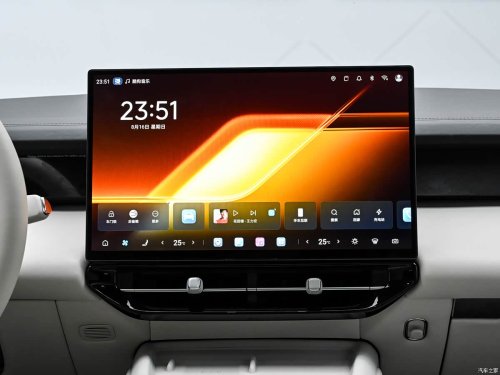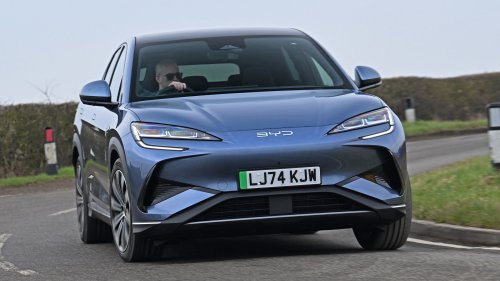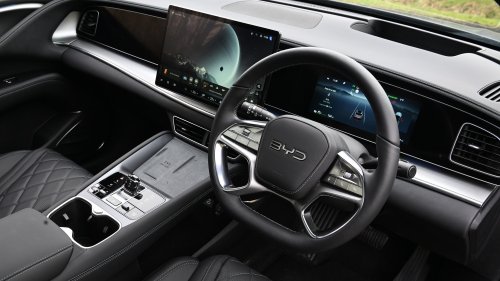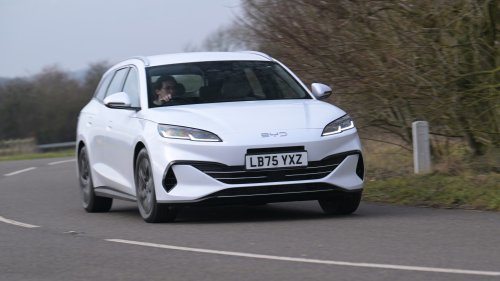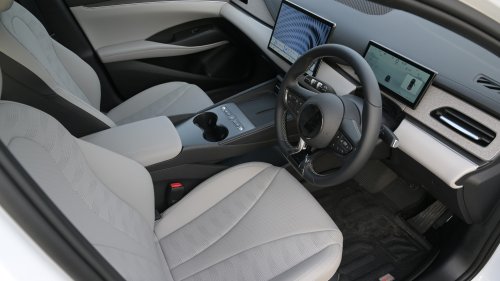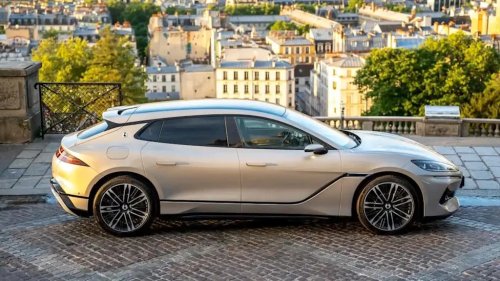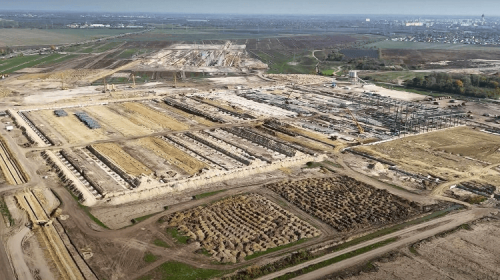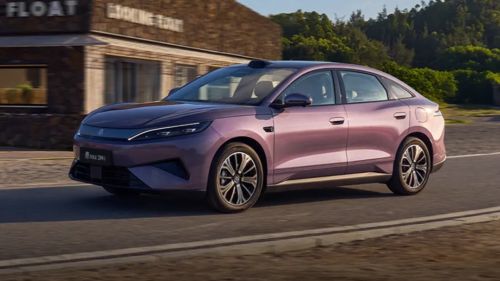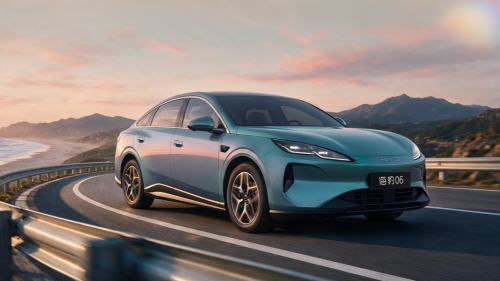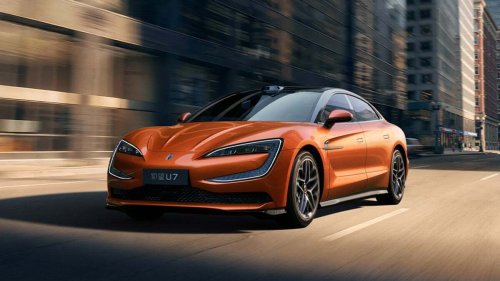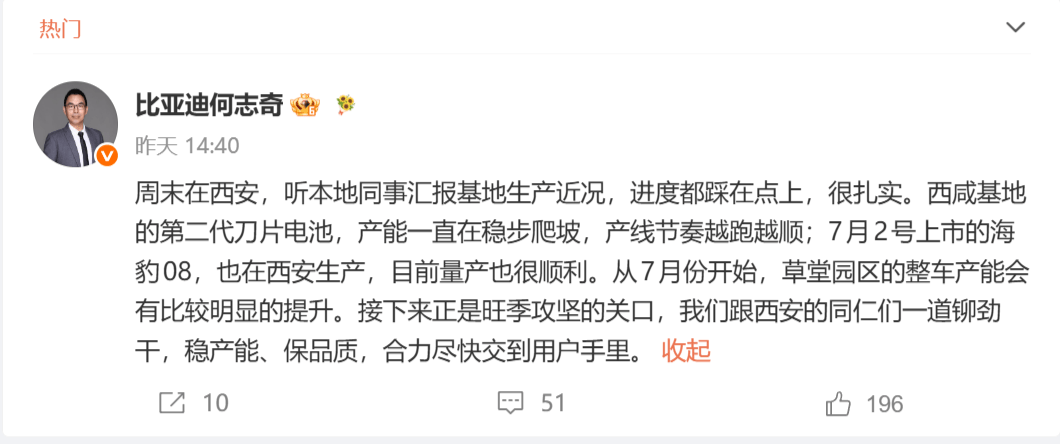
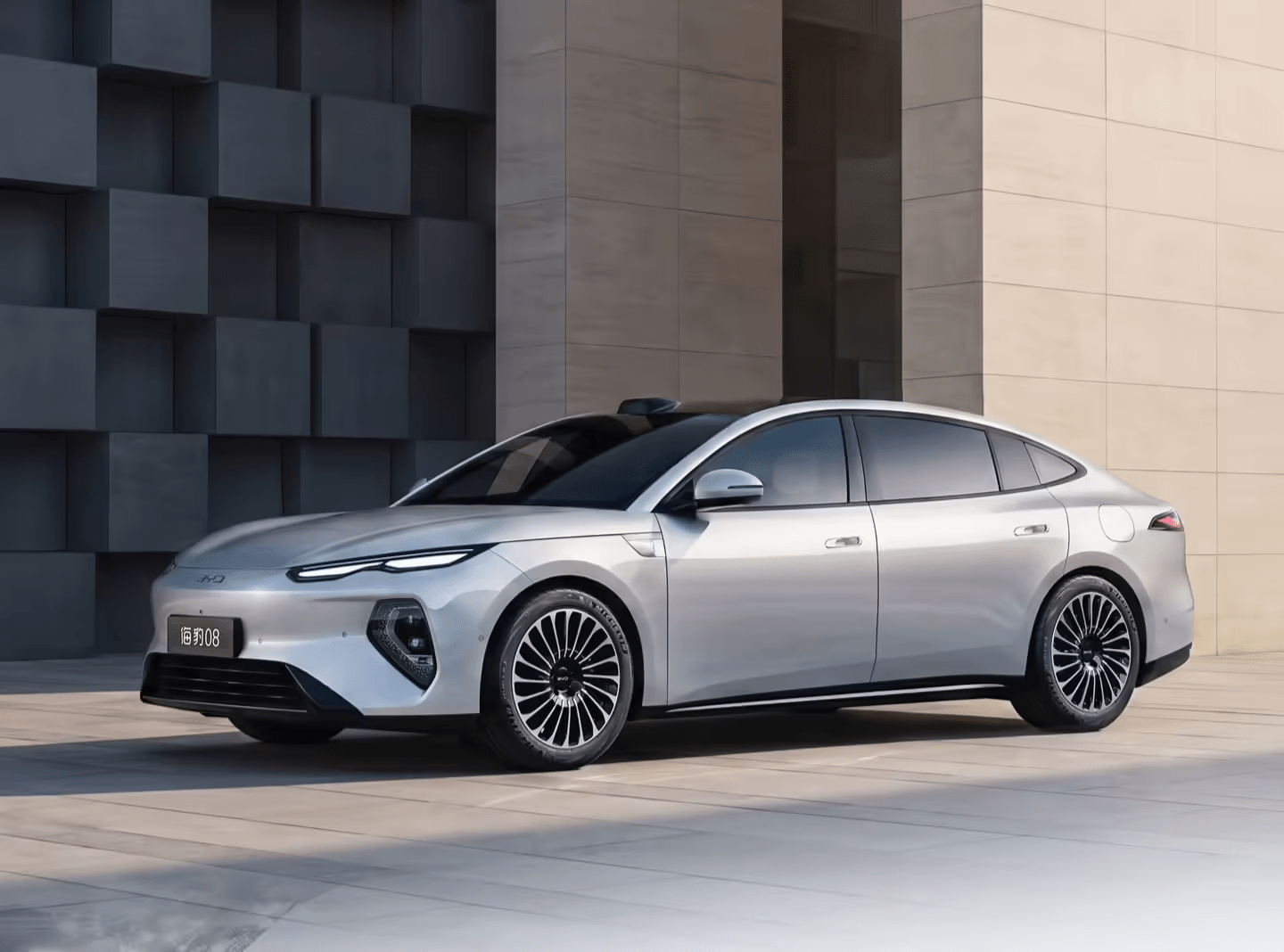
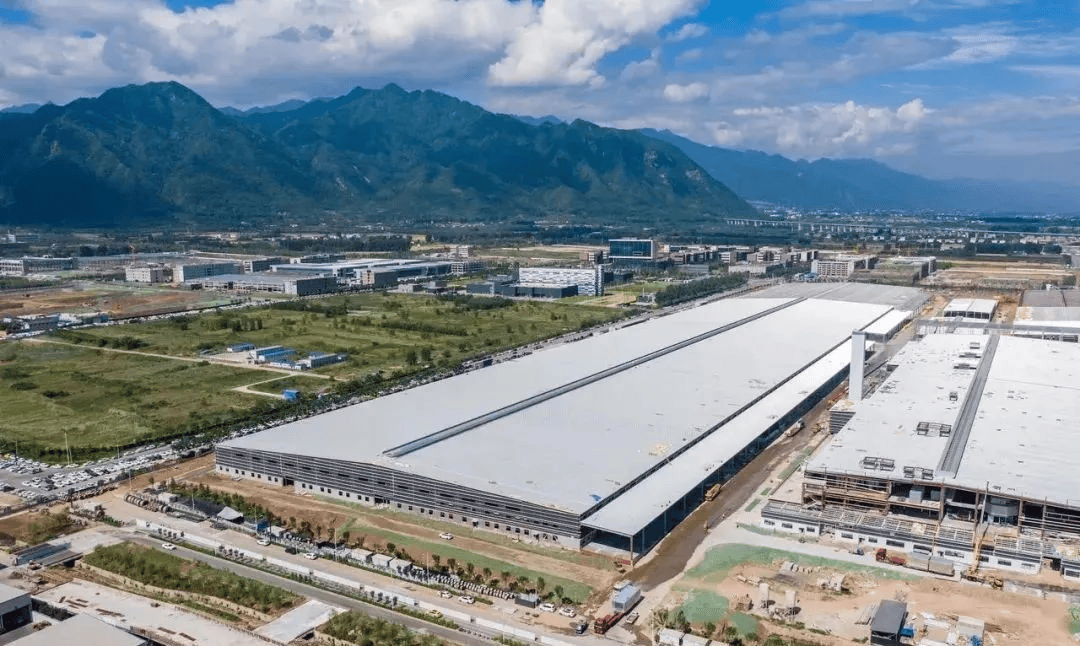



















BYD Executive Vice President He Zhiqi revealed on Weibo on Monday that production at the company’s second-generation Blade Battery manufacturing line at its Xixian base continues to improve, with output steadily ramping up and overall manufacturing operations becoming increasingly efficient. BYD Executive Vice President He Zhiqi revealed the progress of BYD’s second-gen battery capacity At the same time, the Seal 08, which is scheduled to officially launch on July 2, has successfully entered mass production at BYD’s Xi’an manufacturing base. He also said vehicle production capacity at BYD’s Caotang plant in Xi’an will increase significantly starting in July. The improvement suggests that, alongside higher battery output, the company’s vehicle manufacturing capacity is also being expanded to support deliveries of multiple upcoming models. Compared with its predecessor, the second-gen Blade Battery is a key component of BYD’s intelligent electrification strategy unveiled this year. In March, the company officially introduced the new battery alongside its megawatt flash-charging technology. The Seal 08 made its global debut in March equipped with the second-gen Blade Battery and megawatt charging technology across the lineup. BYD Seal 08 This model is available in both battery electric vehicle (BEV) and plug-in hybrid electric vehicle (PHEV) versions, with BEV variant offering a maximum CLTC driving range of up to 900 km. However, demand for the new technology has significantly outpaced production capacity since its launch. BYD Chairman Wang Chuanfu previously said at the company’s annual shareholders’ meeting that orders for vehicles equipped with the second-gen Blade Battery and megawatt charging technology have grown rapidly, while battery supply remains insufficient to meet demand. The company is continuing to expand production capacity to support rising market demand. He Zhiqi’s latest update indicates that supply constraints are gradually easing as production at the Xixian facility continues to ramp up. According to public information, the Xixian base is located in the Qinhan Autonomous Driving Industrial Park in Xixian New Area and is responsible for manufacturing battery cells, battery packs, and related supporting facilities. It serves as one of BYD’s key production sites for the second-gen Blade Battery. BYD Xixian base Wang previously said that as production capacity for the second-gen Blade Battery expands further next year, BYD will introduce vehicles equipped with the new technology across both domestic and overseas markets while accelerating deployment of its megawatt charging ecosystem internationally. The company has already made progress on several overseas fast-charging projects over the past two months. In May, BYD’s first megawatt flash-charging station in Germany officially entered operation, becoming the company’s first megawatt-level charging project in Europe. In June, BYD began recruiting for flash-charging-related positions in Toronto, Canada, laying the groundwork for introducing its 1.5 MW flash-charging tech to the local market. Meanwhile, BYD Malaysia recently confirmed plans to introduce the megawatt flash-charging system locally. Under the initial rollout plan, the first charging stations will be installed at BYD and Denza showrooms and after-sales service centers before gradually expanding to the public charging network. According to BYD’s previously announced roadmap, the company plans to build 6,000 flash-charging stations across overseas markets by the end of 2026.