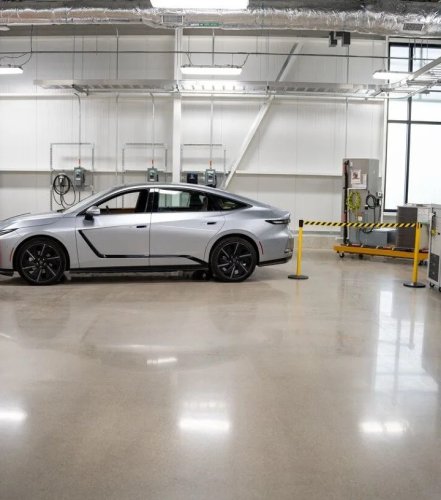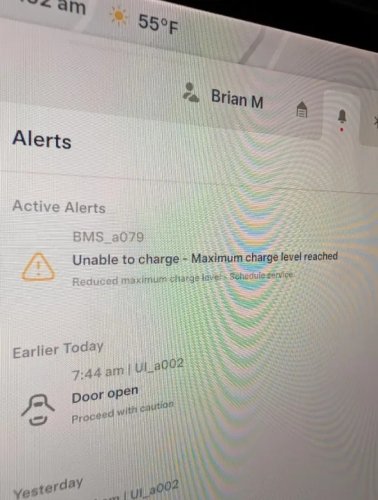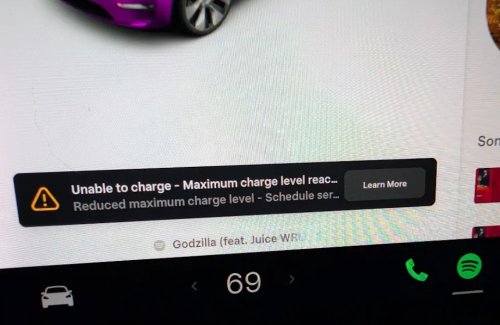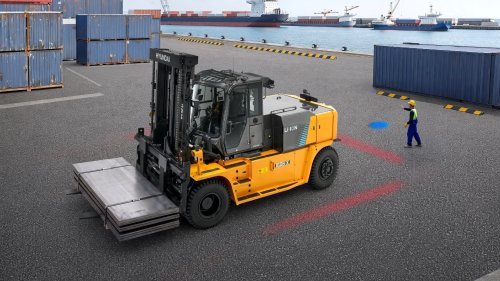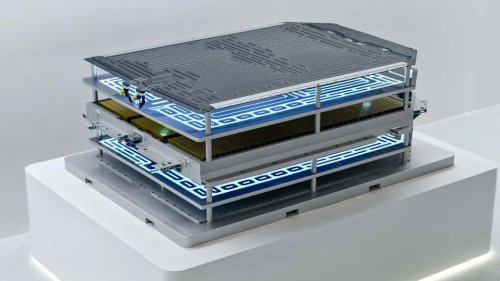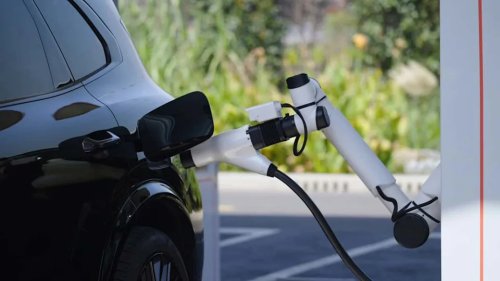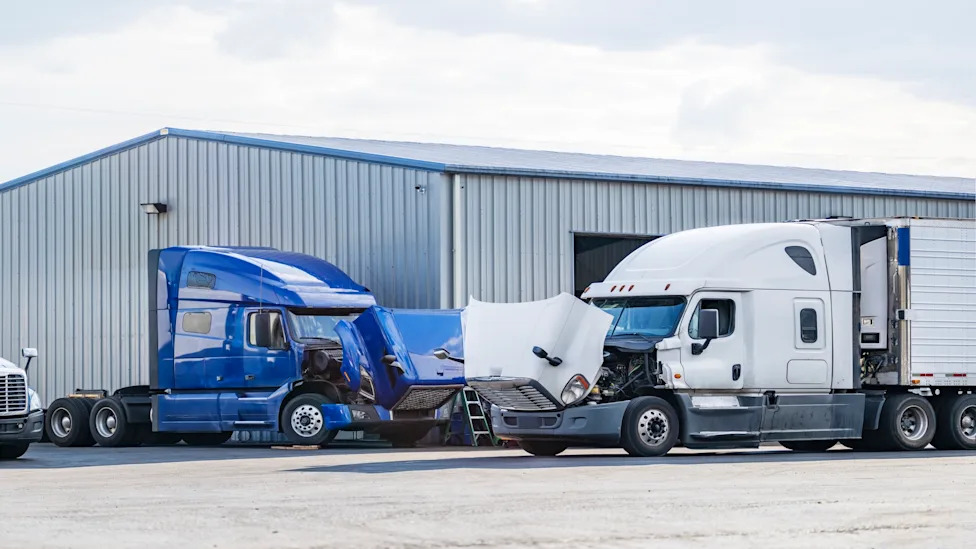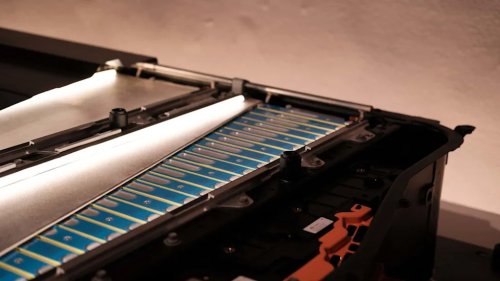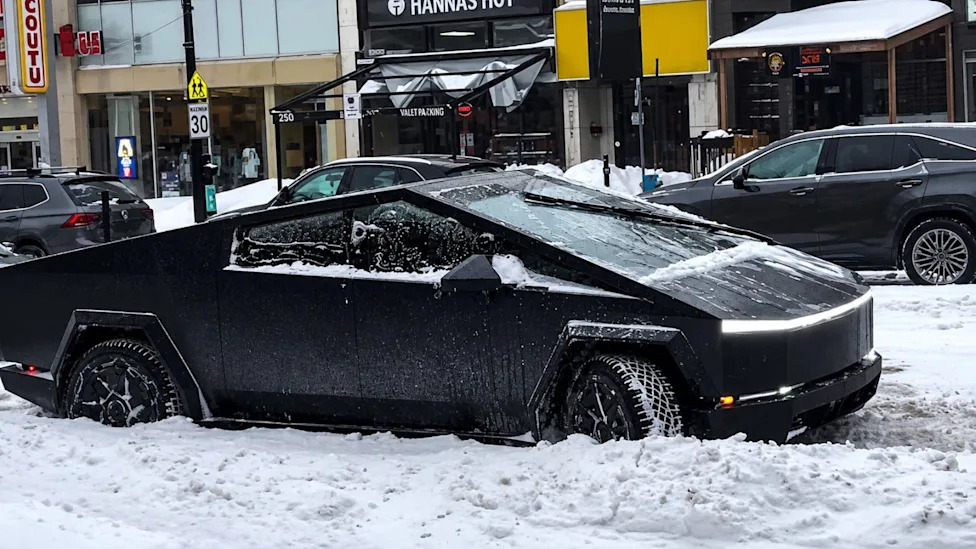



















Image: Instagram/@la.vie.au.quebecPlug your EV into a fast charger on a January morning and watch it throttle down to a trickle. That's not a glitch. That's physics. Cold temperatures slow ion movement inside lithium-ion cells, raise internal resistance, and can lock away up to 40% of your battery's range before you've driven a mile—per Addionics' own estimates. Israeli battery architecture company Addionics thinks the fix isn't a new chemistry. It's a new internal structure.The Cold Truth About Your EV BatteryWinter doesn't just kill your range—it traps energy your battery technically has but can't deliver.When temperatures drop, everything inside a lithium-ion cell slows: electrolyte transport, charge-transfer reactions, lithium diffusion through active materials. Under enough load, the battery hits its voltage cutoff before the active materials are fully used—energy is technically present but effectively locked away, like a streaming service buffering right at the climax. Cold charging compounds this further, forcing cells to limit charging power or pre-heat to avoid lithium plating, a degradation mechanism that permanently damages cells over time.What Addionics Is Actually ClaimingA structural bet on performance: swap the internal geometry, keep the chemistry.AdvertisementAdvertisementAddionics' Smart 3D Porous Current Collectors replace conventional flat copper or aluminum foils with a conductive, ion-permeable three-dimensional metal structure. Here's what that reportedly delivers, according to the company's August 2026 announcement and its own testing:Ions and electrolyte can move through the current-collector plane, shortening transport distances and improving access to active materialsLab testing suggests cells at −10°C matched conventional cells at 0°C for discharge performanceBroader technology claims include roughly 15% energy density improvement and 50% longer cycle life—though these aren't cold-weather-specific figuresThe structure is chemistry-agnostic and compatible with cylindrical, prismatic, and pouch cells via standard roll-to-roll manufacturing"By transforming the architecture of the battery cell, Addionics is removing some of the largest limitations that electrified systems have faced," CEO Dr. Moshiel Biton said in the August 2026 announcement via Business Wire.The applications extend well beyond passenger EVs. Heavy trucks grinding through cold mountain corridors could maintain payload capacity without oversized packs. Defense drones could gain longer missions without pre-heating penalties. Spacecraft thermal budgets might shrink when batteries need less active heating—potentially reducing launch mass and system complexity. Each of these benefits remains conditional on performance scaling beyond lab cells into real-world deployments.Promising Architecture, Unfinished ProofAvailable performance data, almost without exception, originates from Addionics' own testing—and that distinction matters.AdvertisementAdvertisementNo large-scale, independent, third-party benchmarks in real production EVs or commercial trucks have been publicly published. That's not a reason to dismiss the technology outright—structural improvements to current collectors have sound electrochemical logic behind them, and the approach echoes a broader industry shift toward architecture-level innovation rather than purely chemistry-level gains. But analysts and fleet operators should treat these claims as promising lab results, not proven fleet-scale performance.That caveat noted, the practical upside is real if it scales: packs that behave more consistently across seasons, potentially less oversizing to compensate for winter losses, and lower operational costs for cold-climate fleets. The architecture is coherent. The independent receipts are still pending.