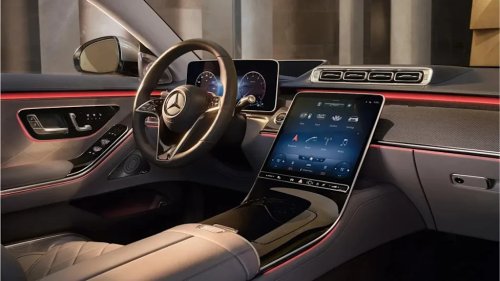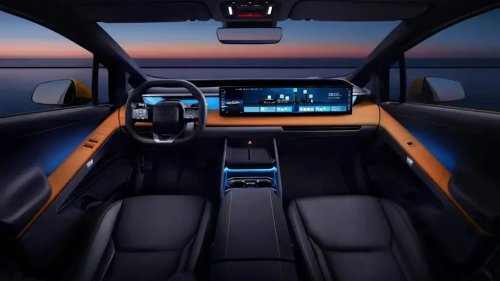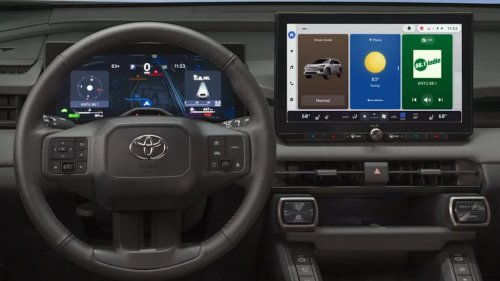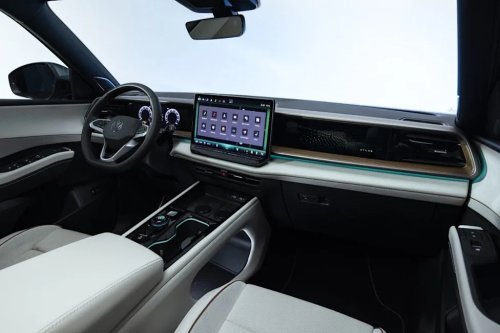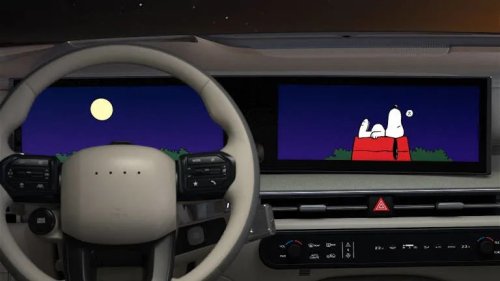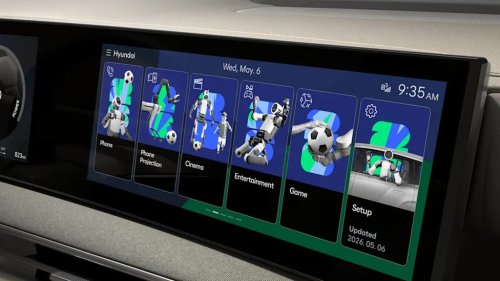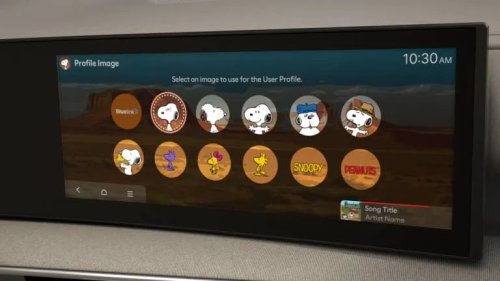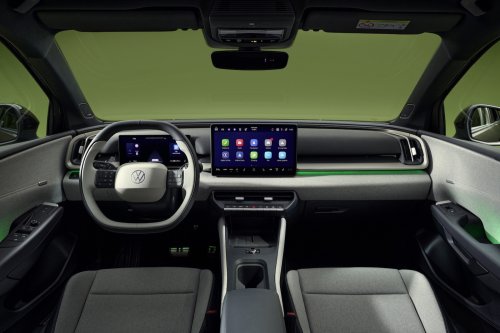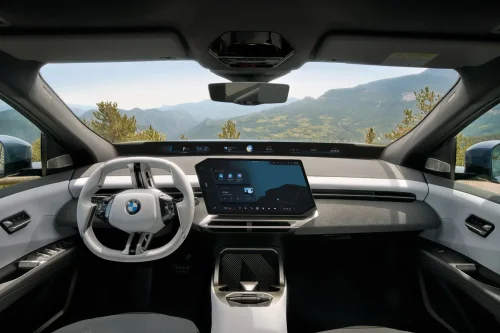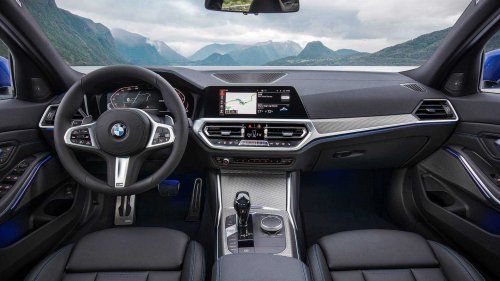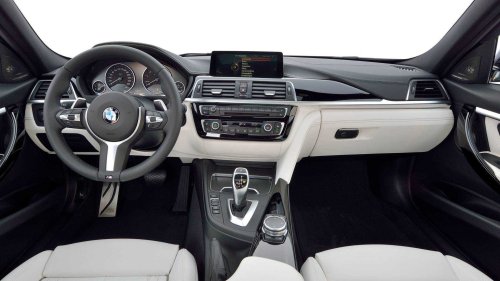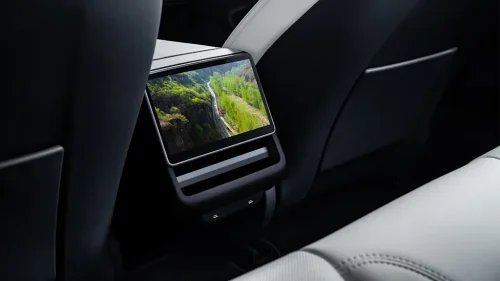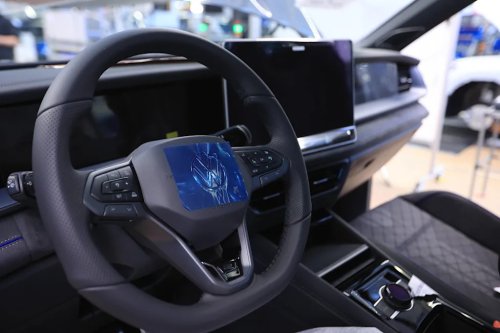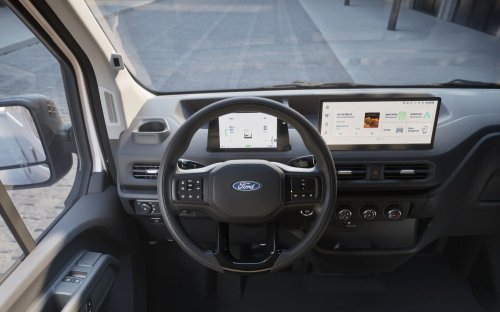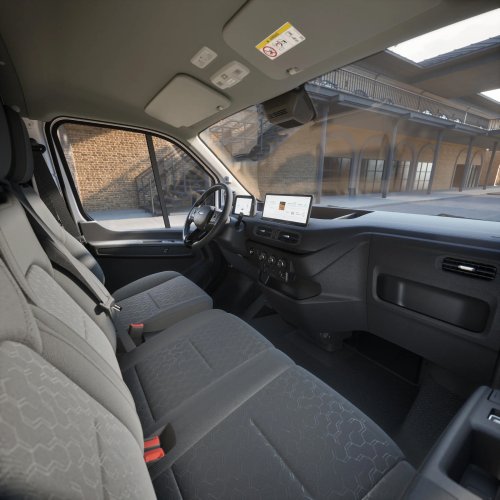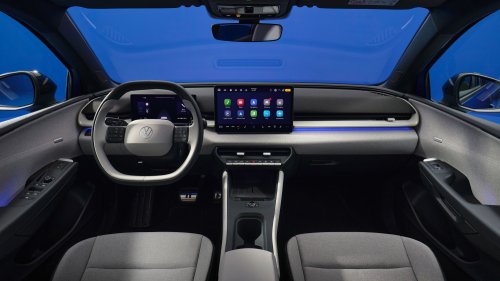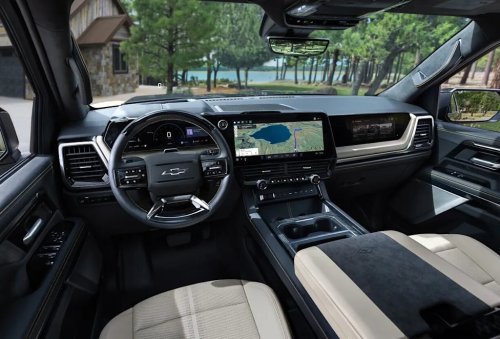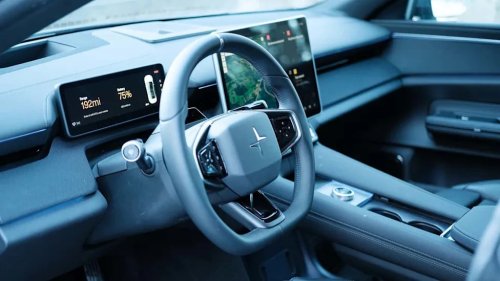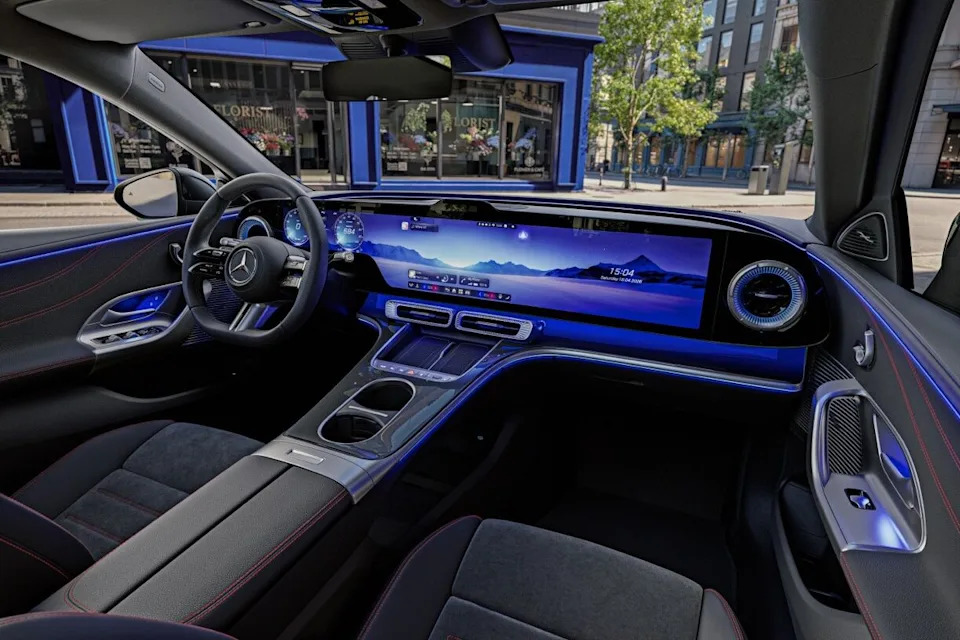




















Screens Now Cause 25% of All New-Car ProblemsAutoGuide.comMarcus LewinskyWed, September 16, 2026 at 7:32 PM UTCAdd us on GoogleInfotainment systems have become the single worst-performing category in new-vehicle quality, accounting for 25 percent of all reported problems, according to a JD Power study published last week.screens now cause 25 of all new car problemsThe research group identified multimedia issues as its "most problematic major vehicle category" for incidents, and, according to JD Power, the category worsened while overall vehicle quality improved elsewhere. In total, multimedia-related issues add up to 42.4 problems per 100 vehicles, JD Power says. All five of the most frequently reported vehicle problems in the study fall within the infotainment category.The trend tracks with a broader shift in how quality problems now surface. "As vehicles become increasingly software-defined, quality issues are leaning less toward hardware failures and more toward system complexity, software performance and connectivity," said Lisa Boor, JD Power director of customer success, OEM solutions. "Customers expect these technologies to work seamlessly every day."The findings arrive as manufacturers continue to expand both the size and the role of central displays. Mercedes-Benz has maximized existing dashboard real estate with optional full-length screens, and executives have not ruled out finding additional locations to install more. Screens now manage a growing array of convenience, comfort, driving assistance, and performance features.AdvertisementAdvertisementCost is part of the equation. Screens are often cheaper than physical gauges and controls, giving brands an incentive to integrate more of the car's functions onto displays rather than the conventional switchgear found on older vehicles. Some features effectively require a screen to exist at all, including mandated back-up cameras, though Bugatti has developed workarounds to integrate them into high-end interiors without a conventional display.The direction of travel points toward more screens, not fewer. As these systems grow larger both physically and in complexity, reliability issues in the category could continue to climb. The JD Power data suggests the tradeoff automakers have made - swapping physical controls for cheaper, more flexible displays - is now the leading source of buyer complaints, even as build quality improves across nearly every other measure.Become an AutoGuide insider. Get the latest from the automotive world first by subscribing to our newsletterhere.