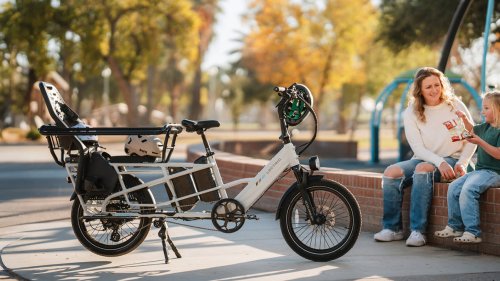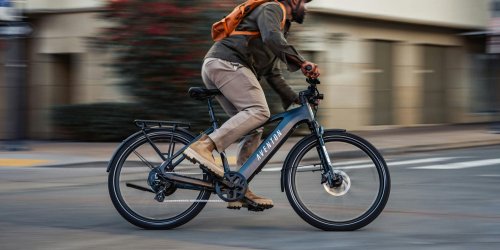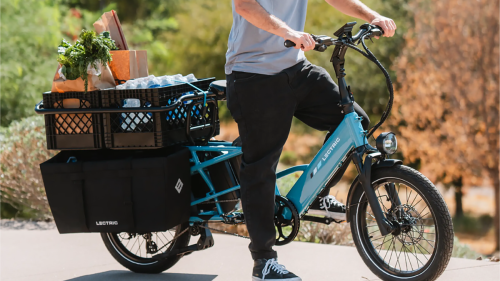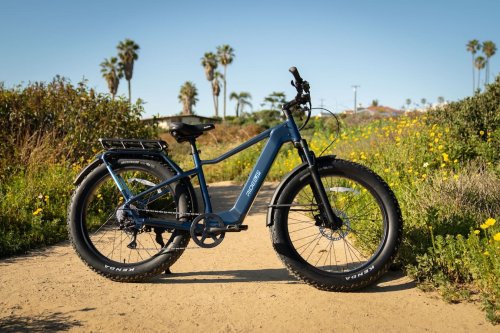



















Europe has spent years encouraging people to ditch cars and get around on bicycles and e-bikes instead. And in many places, it’s working. But all of those increasingly sophisticated electric bicycles have created an unexpected new problem: there aren’t nearly enough people to fix them. Europe could need to recruit a staggering 105,000 additional bicycle mechanics by 2032, according to a new report on the continent’s cycling industry. The NextGen Mechanics report, presented at the inaugural European Cycling Industries (ECI) summit in Brussels, estimates that Europe currently has around 175,000 bicycle mechanics. But Bike Europe says the industry is already short around 45,000 workers, and growing adoption of e-bikes, cargo bikes, bike leasing, and commercial cycling fleets is expected to make that shortage significantly worse. By 2032, Europe could require nearly 247,000 mechanics in total – around 40% more than are working in the industry today. Advertisement - scroll for more content And e-bikes are a big part of the reason why. Modern electric bicycles increasingly require more than the traditional assortment of hex keys that can solve most issues on a good-old-fashioned ten-speed. E-bikes can require electrical troubleshooting, firmware diagnostics, motor servicing, battery expertise, and specialized training that varies between manufacturers. Cargo bikes add another layer of complexity (especially since nearly all cargo bikes sold in Europe are now equipped with electric motors), while growing fleets of rental, delivery, and leased e-bikes mean many bikes are accumulating mileage much faster than the average privately owned bicycle. The result is that workshops simply can’t keep up. According to Shimano’s State of the Nation 2026 survey, 212 million Europeans experience some type of barrier when trying to maintain their bicycles. The report says 121 million people consequently ride less often, while 7.6 million have stopped cycling altogether due to service delays. That last figure is particularly troubling. After all, an e-bike doesn’t do much to replace a car if it’s sitting in a garage for six weeks waiting for someone to diagnose a motor error. The problem isn’t simply a lack of people interested in working on bikes, either. The report points toward relatively low wages, poor career prospects, and fragmented training systems as major contributors. Low pay and low social status were cited by 72% of respondents as factors behind the shortage. In Germany, for example, bicycle mechanics earn an average of around €30,000 per year compared to a national average salary of €43,000. In Italy and Spain, average mechanic salaries are reportedly just €16,000 per year. Meanwhile, training varies wildly between European countries. Germany, Austria, and Switzerland have established apprenticeship systems, while other countries rely on vocational programs, dealer training, or largely informal pathways into the industry. ECI is now proposing a standardized pan-European entry-level qualification that would include mechanical skills as well as electrical diagnostics and safety training, with manufacturer-specific education layered on top. Electrek’s Take I’m going to go out on a limb here and call this one of the better problems for the cycling industry to have. The rapid growth of e-bikes has created an entire new category of skilled technical jobs, and now the biggest issue is figuring out how to train enough people and pay them well enough to stick around. At lot of us – myself included – can talk in the past tense about the time we spent working in a bike shop. For many of us, it was a temporary job as a springboard to something else, and the number of folks who stick around is seriously lacking. The industry needs more qualified bike mechanics and it needs them yesterday. We shouldn’t underestimate how serious the problem can become, as it directly impacts bikes’ ability to continue improving cities. As e-bikes increasingly replace cars for commuting, school runs, deliveries, and other daily transportation, reliable service becomes much more important. If your recreational mountain bike spends two weeks in the shop, that’s really annoying. If your cargo e-bike that you use to take two kids to school every morning spends two weeks in the shop, you’ve suddenly got a transportation problem. And the increasing technical complexity of e-bikes means the old model of simply hiring someone who is good with bikes isn’t necessarily enough anymore. These are becoming increasingly sophisticated vehicles, and the people maintaining them need the training – and compensation – that reflects that. Perhaps the biggest takeaway here isn’t that Europe somehow has “too many e-bikes.” It’s that the rest of the cycling ecosystem hasn’t grown fast enough to support them. Stay up to date with the latest content by subscribing to Electrek on Google News. You’re reading Electrek— experts who break news about Tesla, electric vehicles, and green energy, day after day. Be sure to check out our homepage for all the latest news, and follow Electrek on Twitter, Facebook, and LinkedIn to stay in the loop. Don’t know where to start? Check out our YouTube channel for the latest reviews.