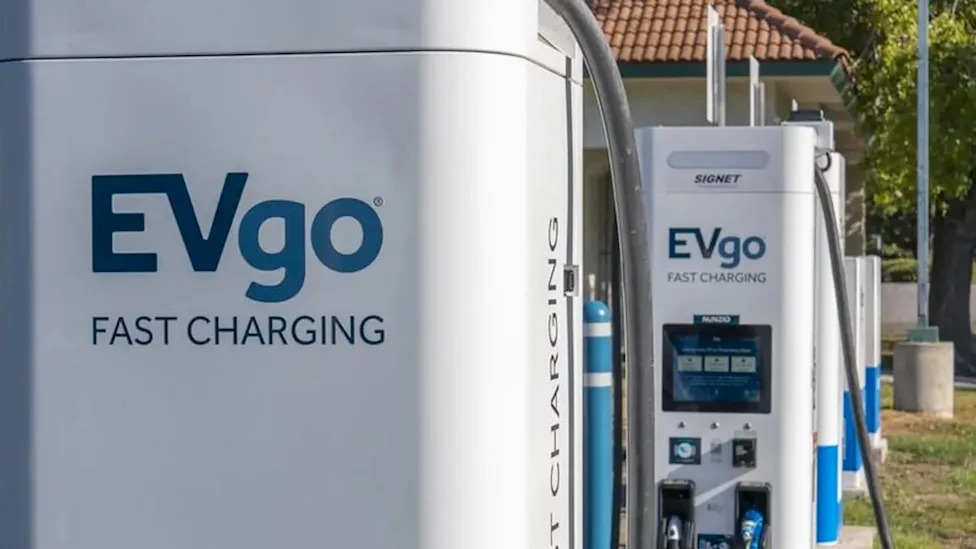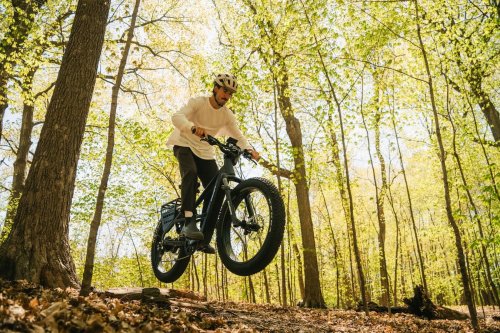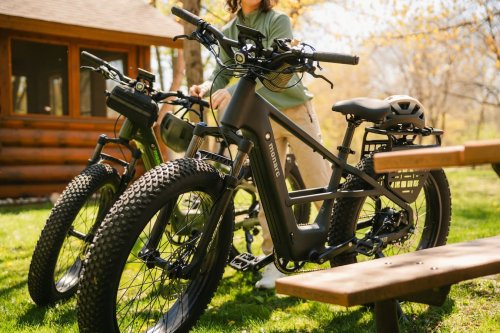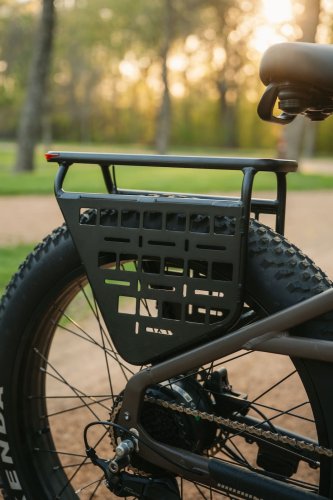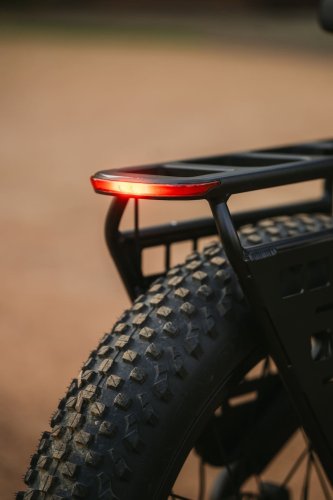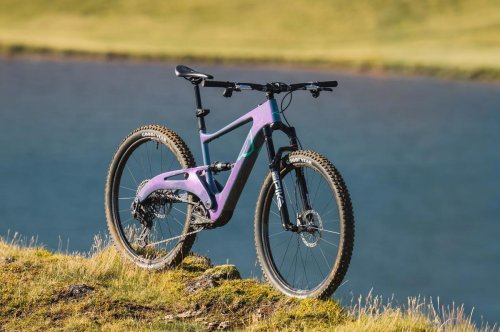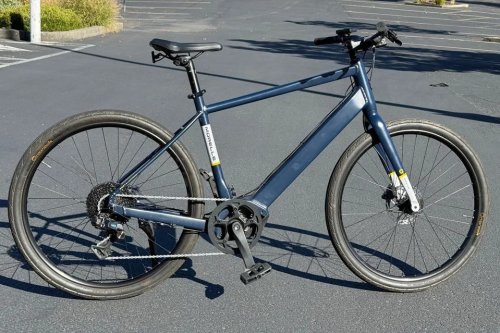
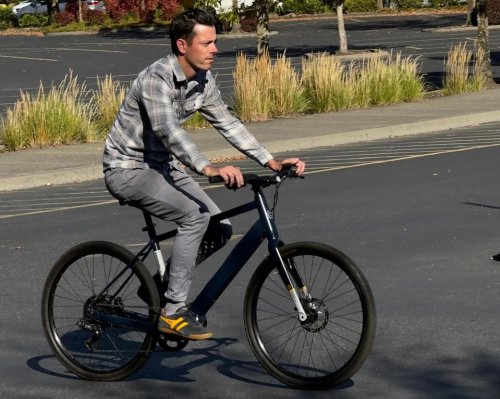
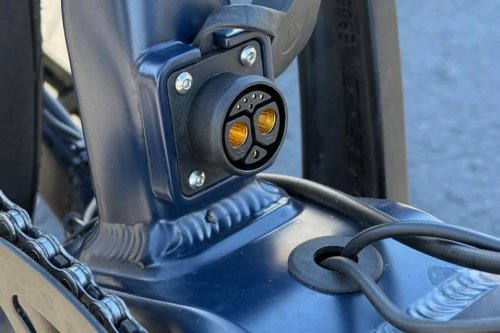
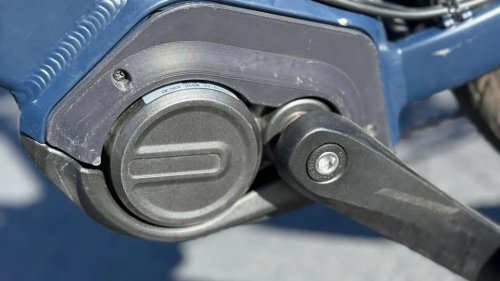
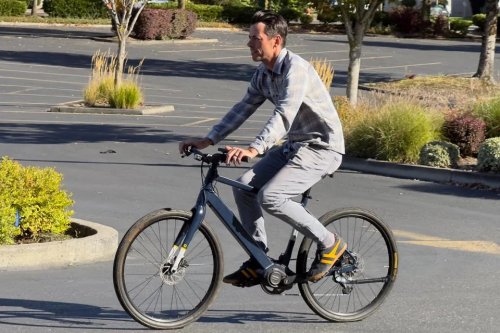



















The Morrelle MV1 e-bike seemed ready for production, with a wireless rear derailleur, MTB ergonomics and a solid feel while riding.William RobersonCan you charge an e-bike with an electric car charger? I've been getting this question more and more from prospective e-bike buyers and it's a relevant question as more EV charging stations are installed in the U.S. and worldwide. For now, the answer is no (as far as I can tell), but I just rode a prototype bike that the co-founder tells me will eventually be able to do just that. It could be a game changer in many ways.Morrelle co-founder Michael Sinkula rides the MV1 in a Portland parking lot.The attractive hardtail Morelle MV1 (above, being ridden in Portland by Morelle co-founder Michael Sinkula) doesn't stand out in a crowd at first glance, but it's loaded with effective e-bike tech - and it's a solid bike to ride. The Bay Area - based company is close to production (I rode the production-spec prototype in these photos), and they have design input and help ramping up from none other than Gary Fisher. Yes, the Gary Fisher, inventor of the mountain bike and still pushing bicycling boundaries in his 70s.Besides wireless-powered shifting, a light 39-pound weight, and numerous quality components, the real star of the show is the large charging port near the bottom of the standard-style frame. It's designed to accept a large-gauge charging connector, and with a planned adapter, Sinkula said the bikes should be able to charge at electric car chargers. That tsunami of electrons would juice the battery to full in about 10 minutes, Sinkula said. Even the included "hot" charger is designed to get the battery back to full in 20 minutes or so. The battery is specifically designed to accept a hotter-than-typical charge and includes advanced thermal protections.The charging port on the MV1 is much more robust than most e-bikes, but it will need to flow a lot more current than most e-bikes to charge quickly.The capability to use an EV charger to juice an e-bike back to full power in the time it takes to pop into the Minute Mart, use the restroom, and buy a bottle of water could enable a new class of bicycle touring. Right now, long charge times or the need to carry extra batteries limit what we can call e-bike touring, but add charging in minutes at a car charger that lets a rider tack on another 50 miles or more opens up a lot of possibilities, especially for those not quite at the fitness level to knock out a day-long (or longer) ride on a bike packed with gear. Being able to ride at an assist level higher than "Eco" opens up longer ride opportunities for more cyclists and could even mean using a car less day to day.The mid-mount motor on the production bikes will deliver enough power to deliver pedal-assisted speeds up to a Class 3 28 mph.Another possibility it opens up is a new revenue stream for charging companies. While an e-bike battery is minuscule compared to even the smallest electric car or truck battery, both need those electrons. If a car charger charged, say, 99 cents to zap an e-bike to full, that's better than the zero cents they're getting now. And it would be an easy design change to add an e-bike-friendly pigtail to a car charger and execute the transaction by smartphone, even while a car is charging.For now, Sinkula says an adapter would be required to use a car charger with the Morrelle MV1, but it's easy to envision e-bike quick-chargers dotting city streets, since they could be integrated into lamp posts, parking kiosks, and other infrastructure and would not need to be anywhere near as large (or as expensive to produce) as a car charger.While the Morrelle MV1 doesn't look remarkable in pre-production form, it's packing a fair bit of the latest modern cycling tech.How is the bike to ride? As noted, I rode a pre-production prototype for a short bit while Sinkula was passing through Portland, but it's clear the company knows how to make a quality bicycle, especially with a cycling icon like Fisher giving them pointers. The bike was easy to ride, with a wireless shifter, a mid-mount motor, and a standard-style frame. In fact, it was tough to tell it was an e-bike at all from a distance. But it made good power, and the assist was smooth to engage, topping out at Class 3 28 mph.It's always good to see fresh thinking in the e-bike industry, and developing a quality electric bicycle that can tap into the growing network of car chargers is a smart move. It could enable a new trend in e-bike long-distance touring and create a new revenue opportunity for charging companies. Here's hoping Sinkula's team, with Fisher in the mix, can show the industry there's more than one way to recharge an e-bike - and in a hurry to boot.Pricing and a production window were not specified by Sinkula.Thank you for reading. Subscribing to Forbes.com lets you leave comments and supports contributors like me. You can also follow me on Facebook and LinkedIn.