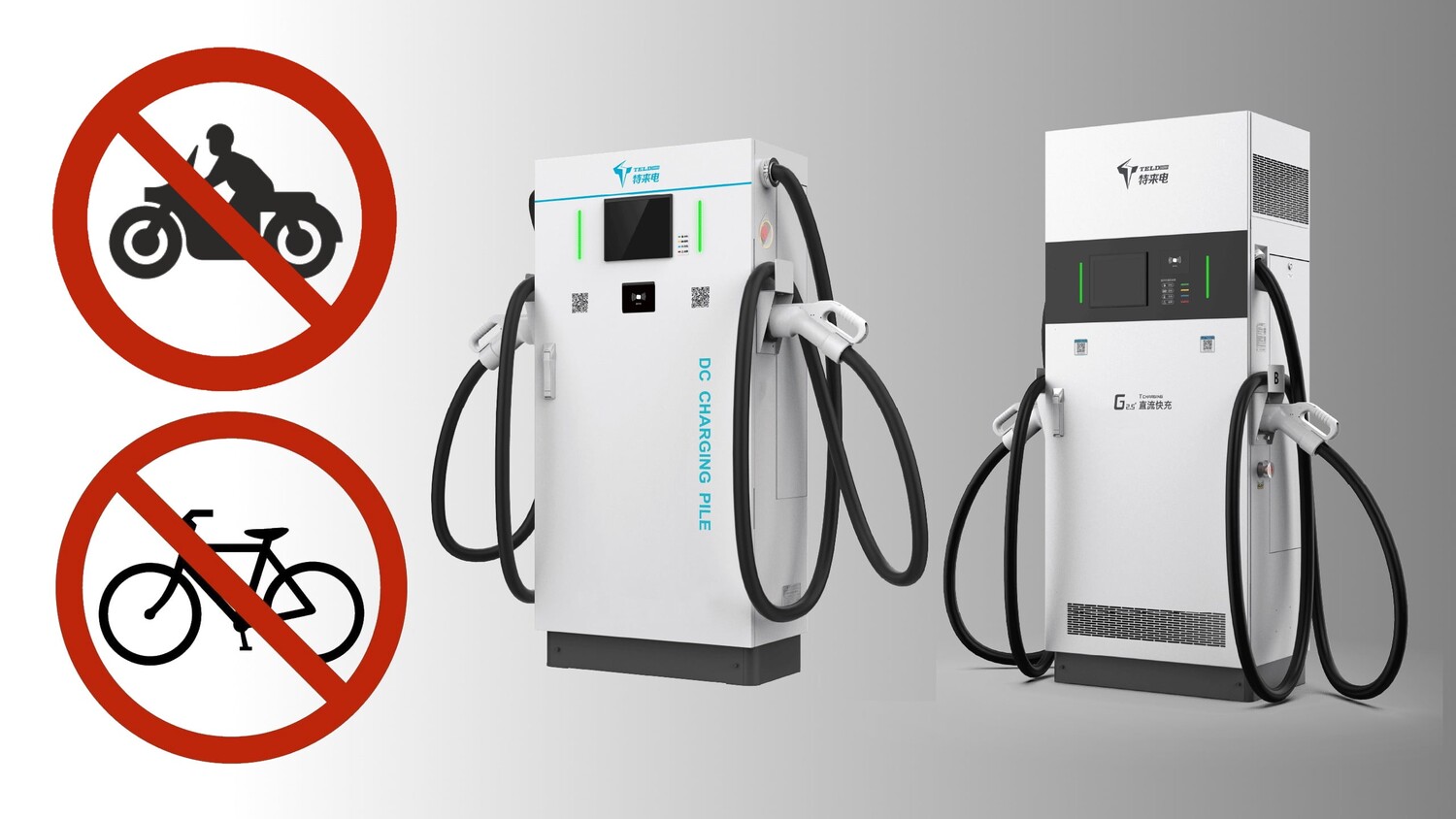
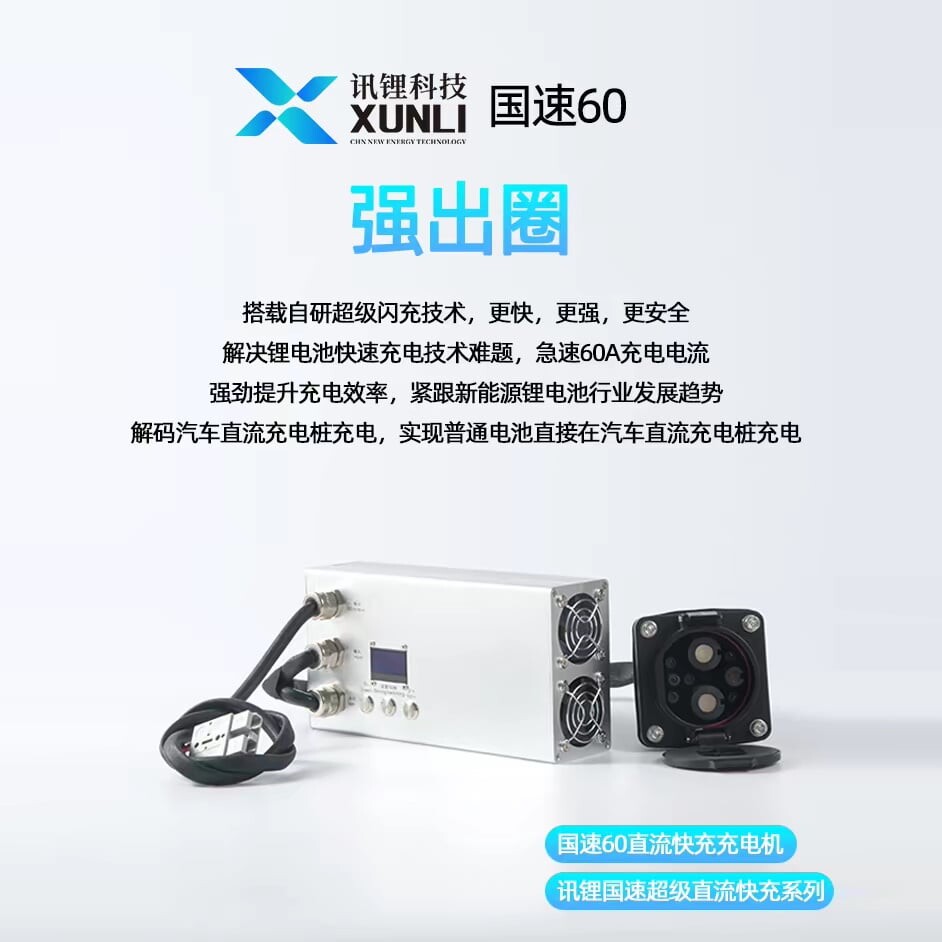
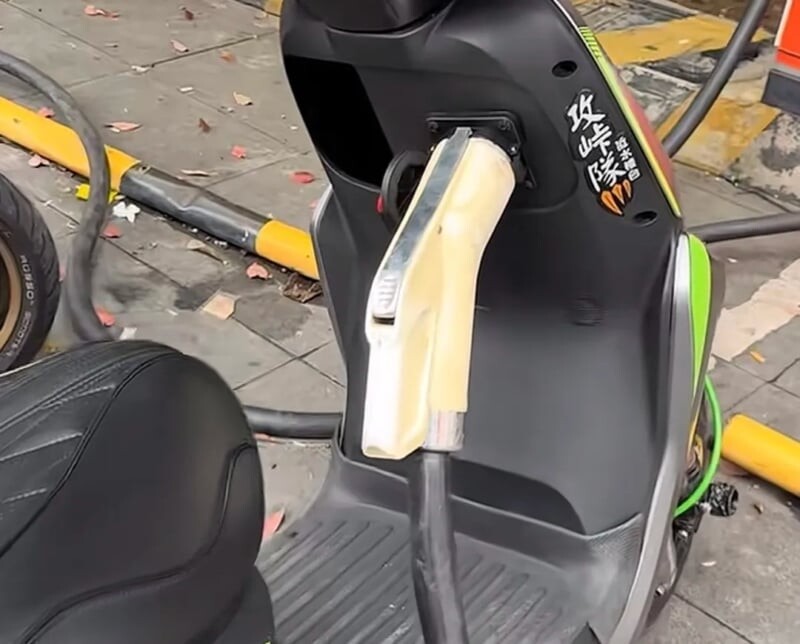
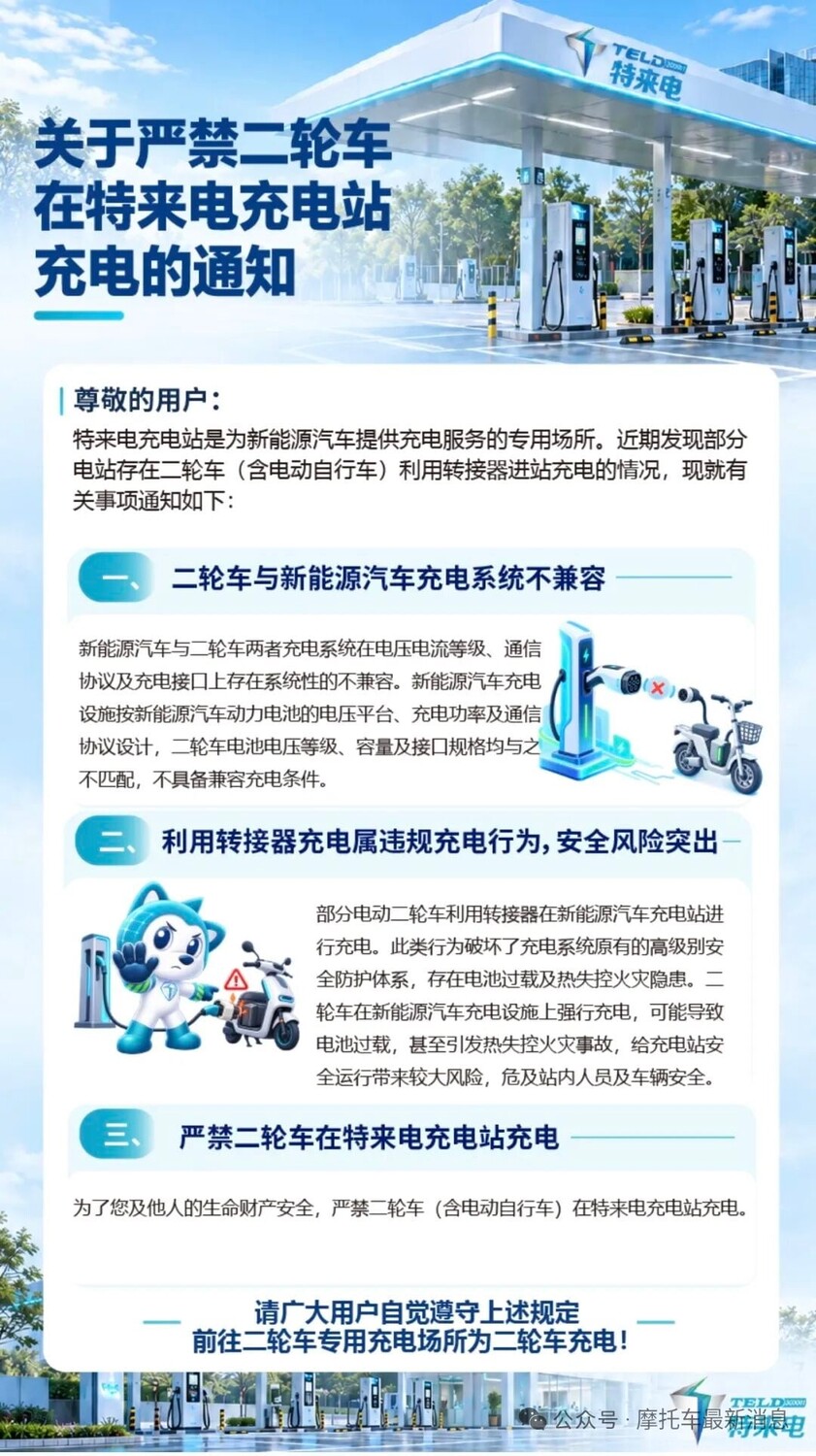
China’s largest EV charger operator, TELD New Energy, has issued an official decree, banning all two-wheeled electric vehicles from charging at their stations. The unprecedented ban covers both low-power e-bikes and high-power EV motorbikes. The firm is also known as Tide Energy, or Te Lai Dian in China. According to the country’s Electric Vehicle Charging Infrastructure Promotion Alliance (EVCIPA), TELD is the leading domestic EV charger operator, operating over 70,000 stations and 900,000 chargers across more than 360 Chinese cities. TELD’s concerns In its announcement, TELD claims that two-wheeled vehicles are not compatible with the charging and safety standards used for standard four-wheeled NEVs It says there are significant discrepancies in voltages, sockets, and communication protocols between the two types of vehicles. It also claims that some EV riders use “unapproved adapters” to charge their bikes. This is commonly seen on modified e-bikes in China, where owners use surplus data centre power supplies to convert high voltage (400+ V) from DC fast chargers to lower voltages (~72 V) compatible with their vehicles. Two types of aftermarket adapters and chargers, based on Huawei server PSUs. These bikes usually feature modified motors and inverters, and riders tend to assemble their own battery packs from grey-market cells, or hire small-scale workshops to do the work for them. TELD stresses that the adapters carry a significant safety risk to vehicles, riders, and the station itself. The notice concludes by banning all two-wheeled vehicles from charging at TELD stations, covering both AC and DC chargers. A modified Segway-Ninebot e-moped, charging at a GB/T DC fast charger. Credit: MOTO01 Is TELD making sense? TELD’s first claim regarding the differences between two- and four-wheeled vehicles is not entirely accurate. While e-motos and e-bikes have significantly smaller batteries than cars, a properly designed EV must meet China’s GB/T charging standards for attributes such as voltage, BMS, and signalling. For bikes with low-capacity, low-voltage batteries, AC charging can be achieved with an on-board charger. Power is supplied either with a home socket or a public AC charger. This is already a common feature on Chinese e-motorbikes. With high-voltage packs and sufficient cooling, manufacturers can also add DC fast-charging compatibility to e-motos. DC charging-compatible bikes are still rare in China, but manufacturers like Chery are promising the feature on future bikes. Properly designed, an electric two-wheeled vehicle can be completely compatible with the GB/T standard, both electrically and mechanically. The risks in publicly charging a government-approved, inspected, road-legal, and unmodified two-wheeled bike are no higher than those of a four-wheeled car. The use of adapters, though, does introduce safety risks and points of failure. In combination with the data centre power supplies, a modified DC charger receptacle is used to “trick” the charger into supplying power. Circuitry inside mimics the battery management system (BMS) signals usually seen on a “legit” EV. The charger has no way to discern the real state of the bike’s battery and cannot monitor crucial parameters like voltage, temperature, or even state-of-charge. In the case of a thermal runaway, the charger may continue to supply power. Side benefits to profits While TELD’s safety concerns are partly valid, a potential motive could be pursuing higher profits. Two-wheeled bikes, with their smaller batteries, consume less energy while charging than four-wheeled EVs In a charging session of the same duration, TELD can deliver more energy to a car than a bike, and thus earn more from the end user in the same transaction. With most e-motos carrying less than 10 kWh of cells, TELD can earn 10 times more by serving a 100 kWh EV. China’s EV charging industry is infamously brutal, with razor-thin margins and a barrage of competing networks and firms. BYD’s Flash Chargers were previously vandalised and disabled by chains, an act suspected to be carried out by rival small-scale charger operators. TELD’s official notice. Source: WeChat – MOTO01

 Liked by Morgan Walker, Annabelle Lewis





 Liked by Morgan Walker, Annabelle Lewis