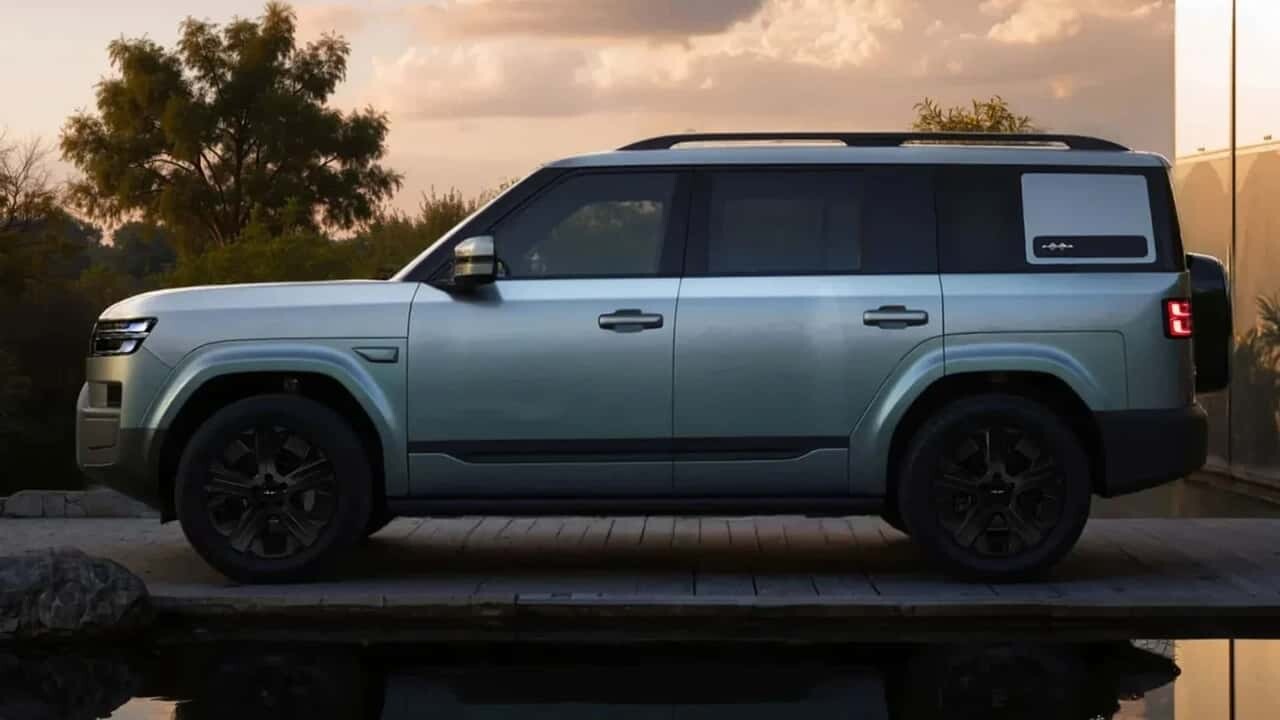
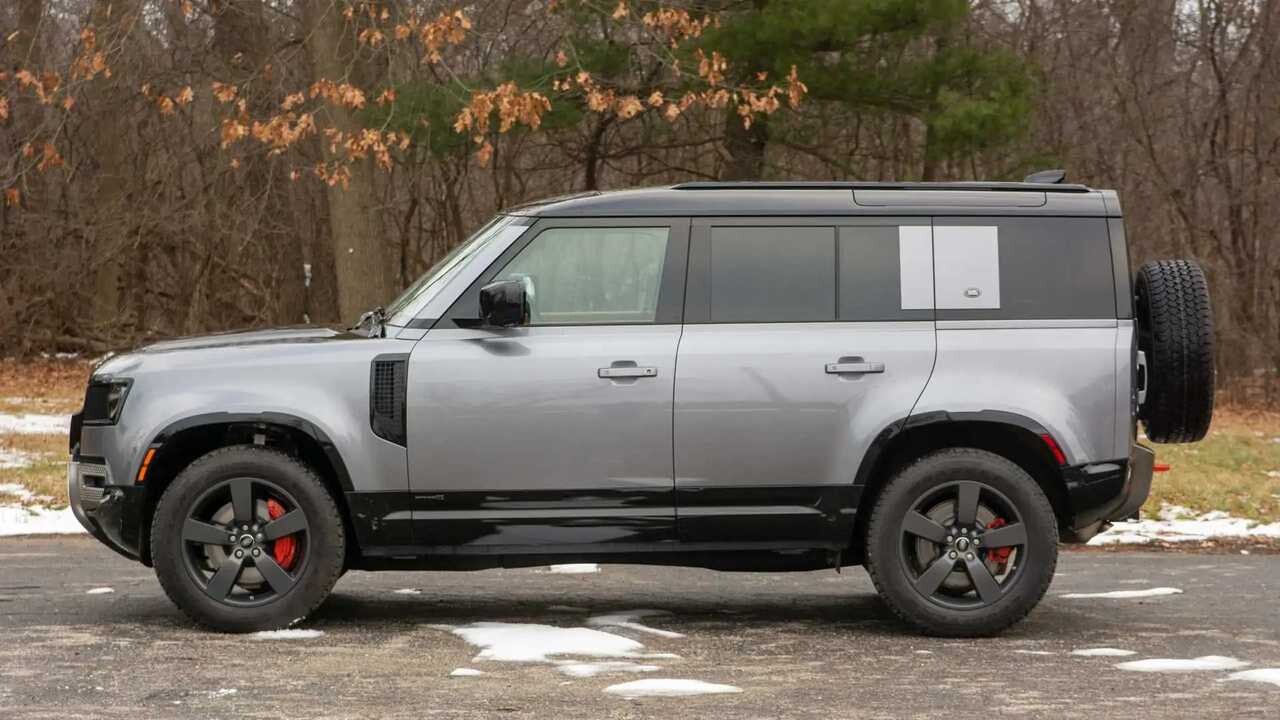
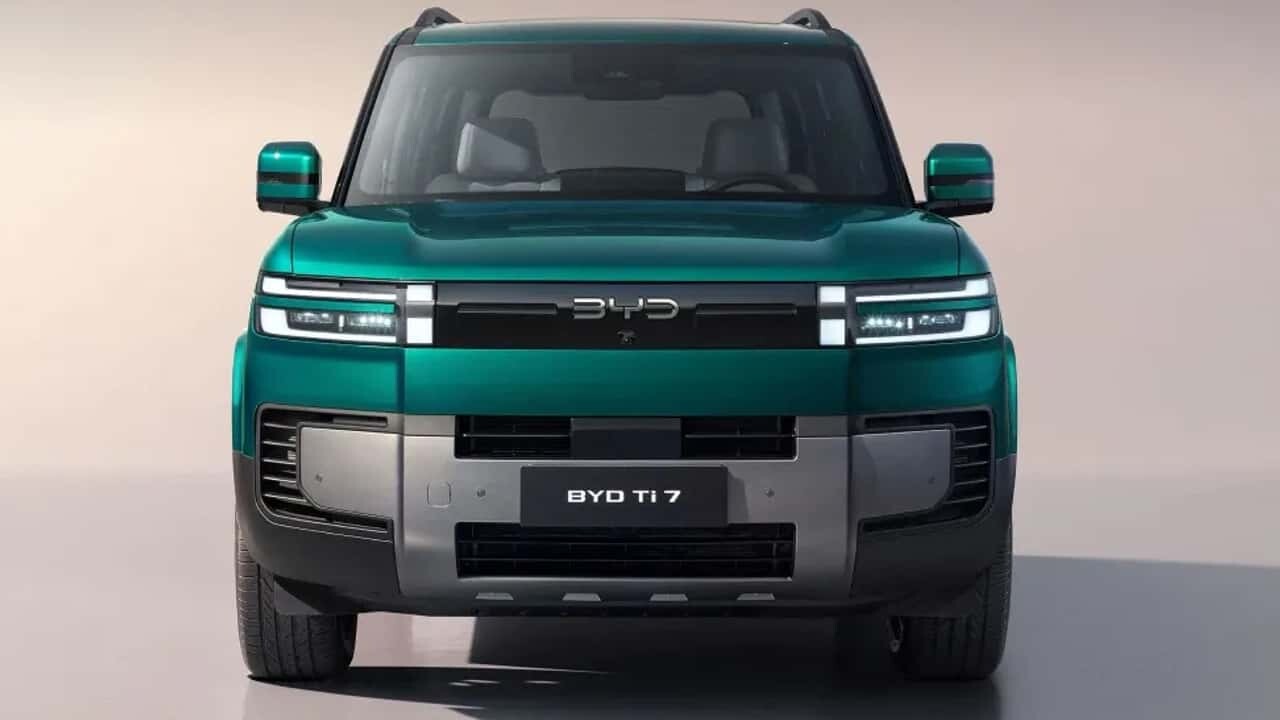
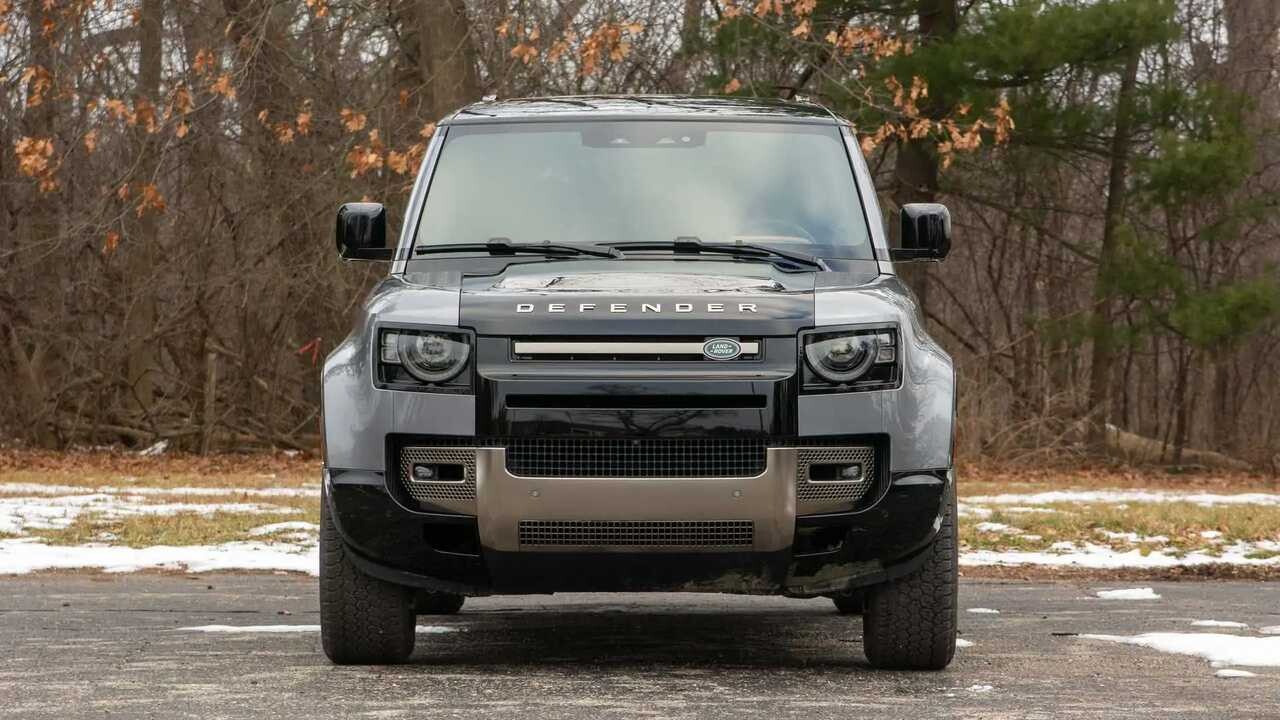
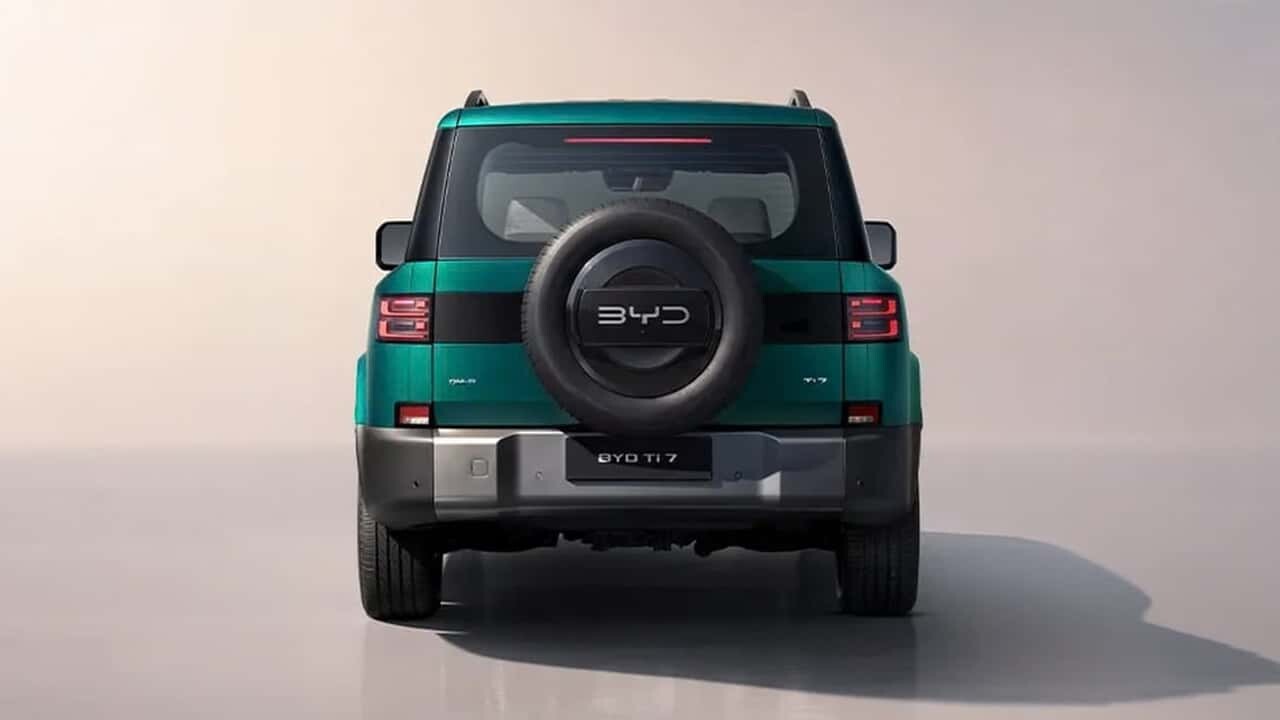
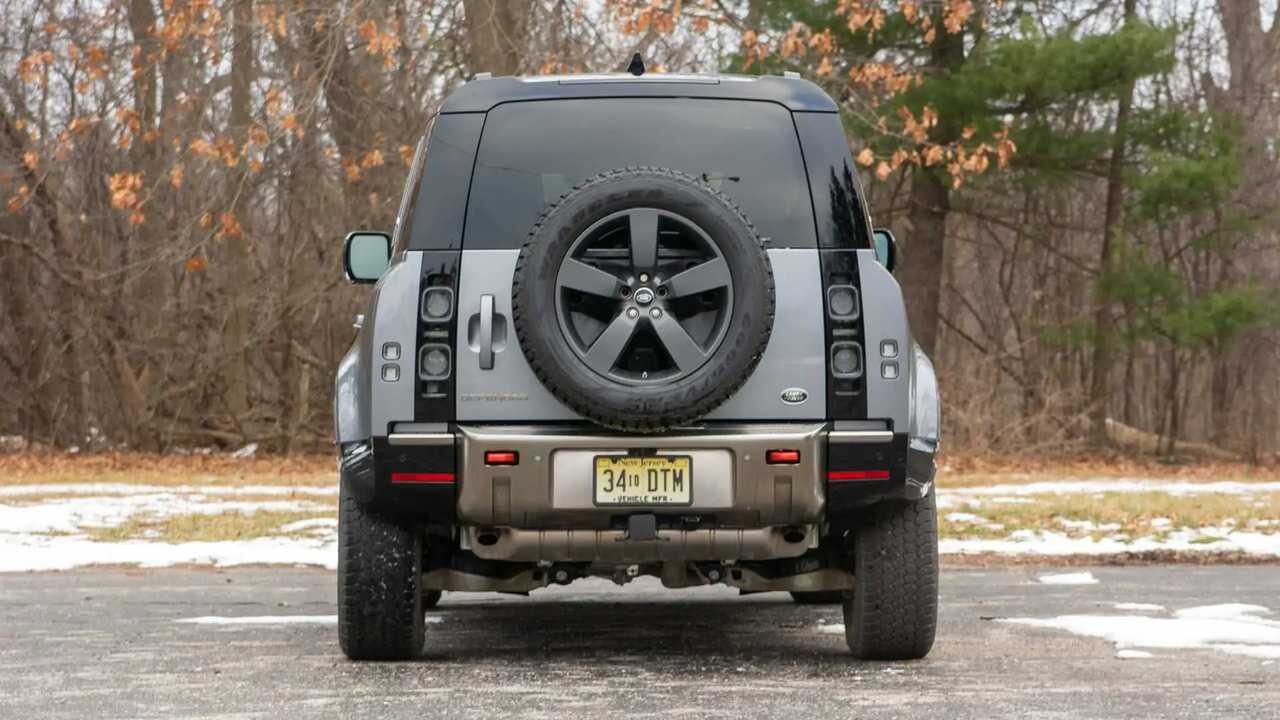
At the request of JLR, a Dutch court ordered the preservation of evidence at BYD in August. Subsequently, bailiffs secured digital documents at the car manufacturer’s offices in Schiedam and Hoofddorp. The suspicion is that BYD may have dismantled a Defender and examined its individual technologies through reverse engineering for use in developing the BYD Ti7. Whether this suspicion can be substantiated remains unclear, as both companies have declined to comment, citing the ongoing legal proceedings.
JLR has now suffered an initial legal setback in the case. On 11 November, a court in The Hague ruled to lift a previously ordered evidence preservation measure. JLR must now have the digital documents seized from BYD in the Netherlands in August destroyed. Otherwise, the British automaker faces a coercive fine of €50,000 per hour, capped at a maximum of €500,000.
BYD had complained about the seizure of its digital documents, criticising their scope. The company argued that numerous confidential business documents unrelated to the dispute had also been seized.
Court rules BYD office searches were unnecessary
The court largely sided with BYD. It found that the evidence preservation was not necessary to prove the alleged violation of EU design rights for the Defender, as claimed by JLR. Nor were the documents required to assess potential damages: BYD has not yet sold the Ti7 in the European Union, so no economic harm caused by the model is apparent. Additionally, the judge ruled that BYD had fulfilled its cooperation obligations during the seizure. As a result, the 500,000 euros demanded by JLR were not awarded to the British car manufacturer. Furthermore, JLR must reimburse BYD for legal costs amounting to 25,376.57 euros.
Even so, the ruling does not mean the court has dismissed the allegations of design copying. This week’s hearing addressed only whether the search was lawful. JLR is pursuing its claims in separate proceedings. In The Hague, the focus is on a possible violation of EU design rights for the Defender, while in Rotterdam, the case involves copyright infringement and alleged unfair imitation. No decisions have been made on these allegations so far.
BYD Ti7 set to launch in Europe in January 2027
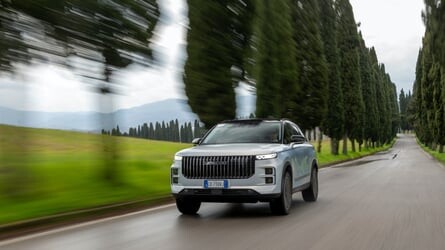
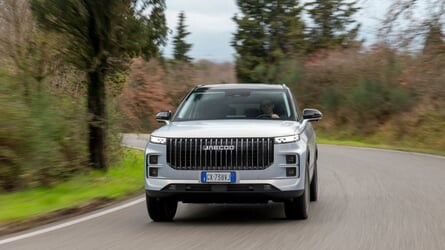
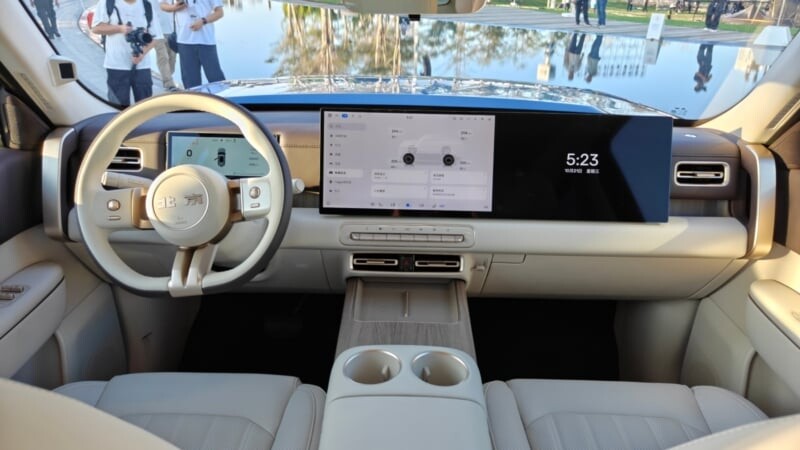
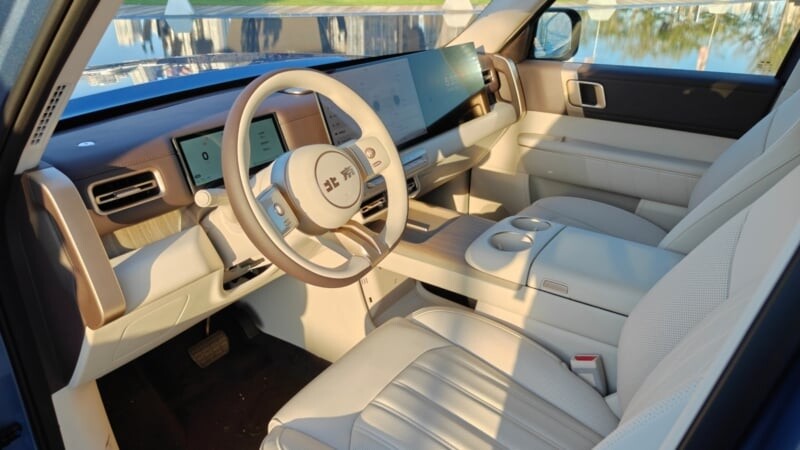
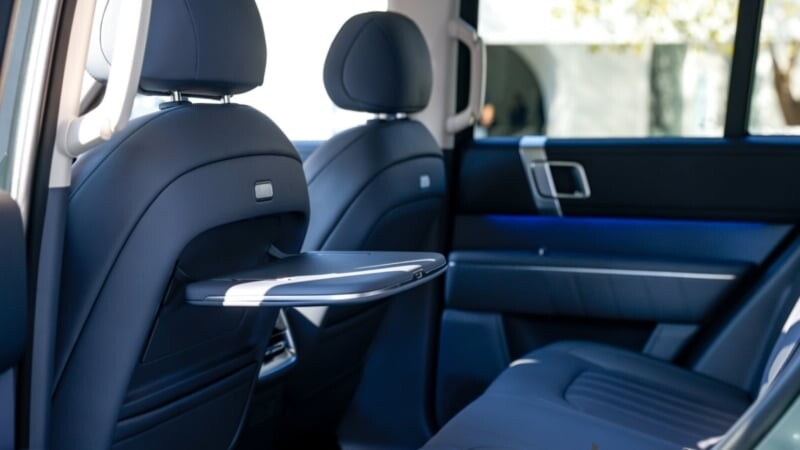
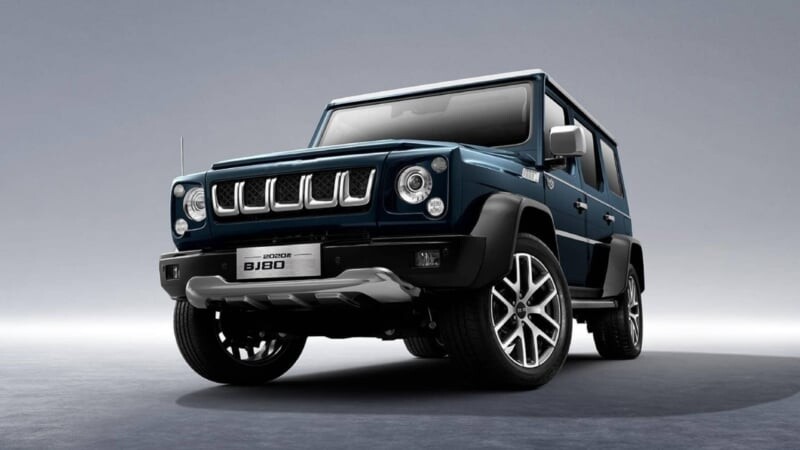
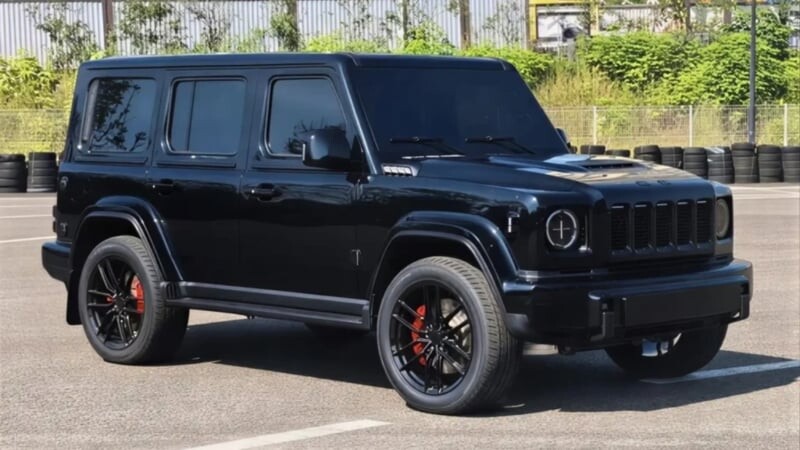
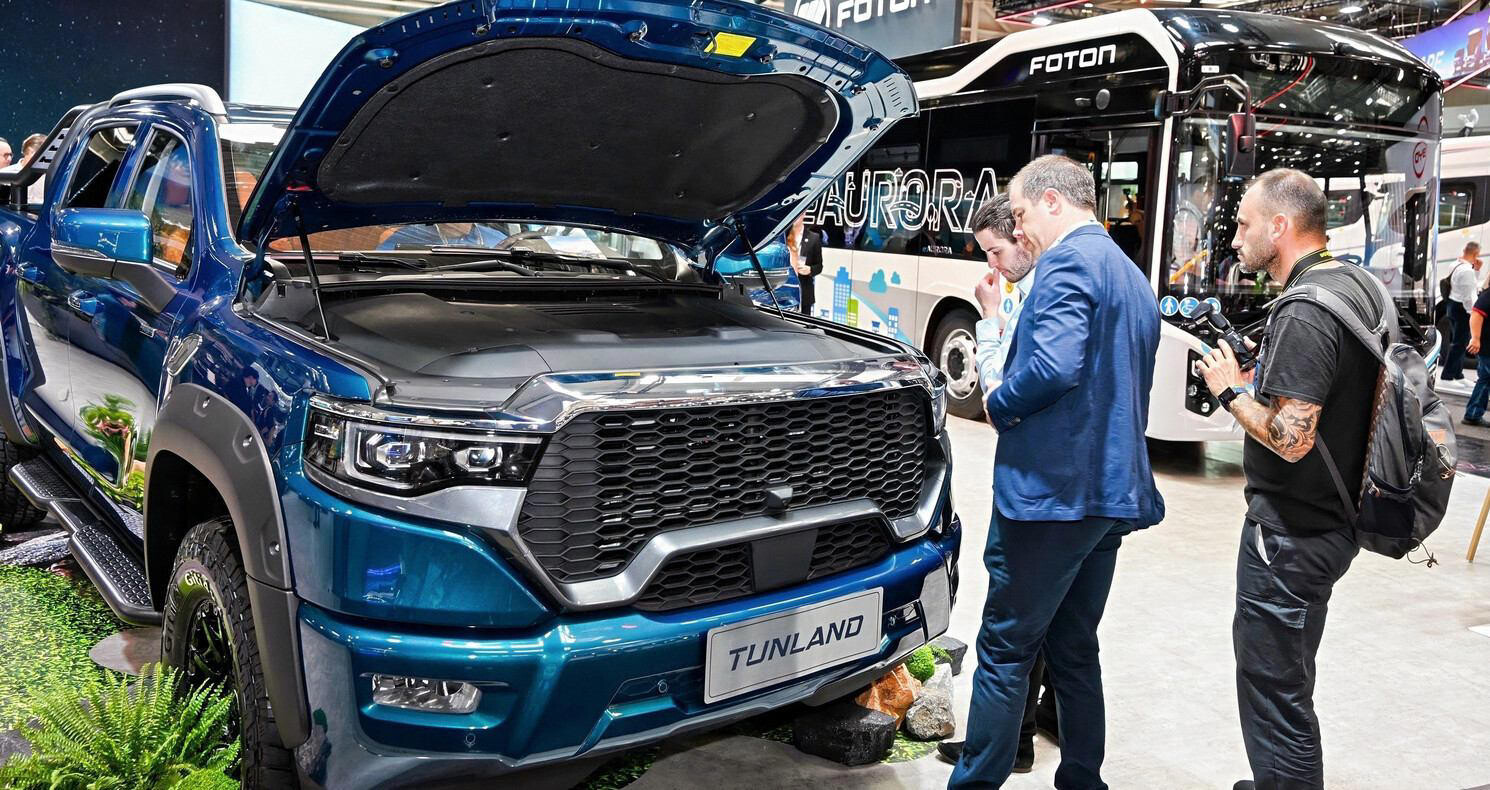
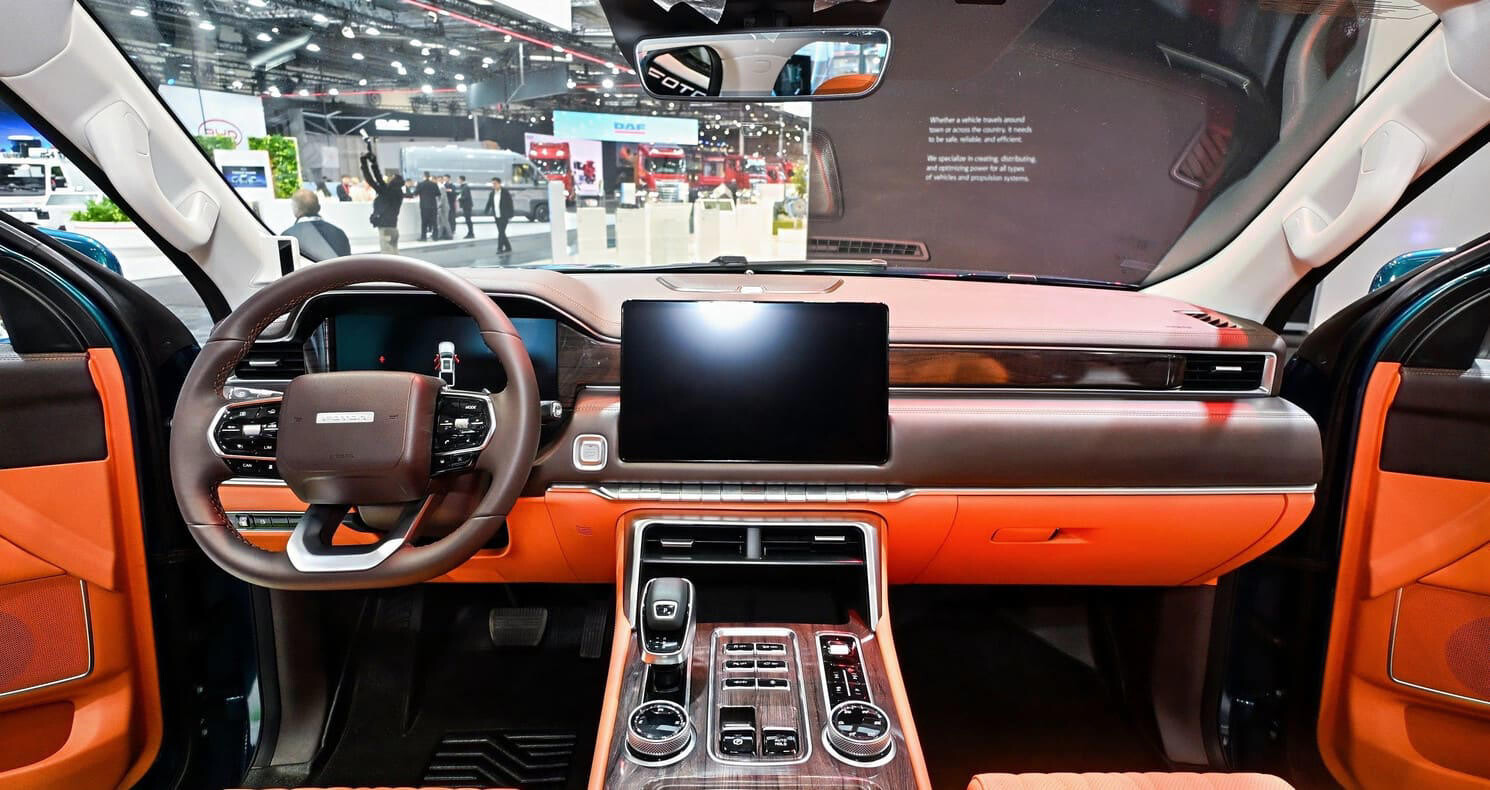
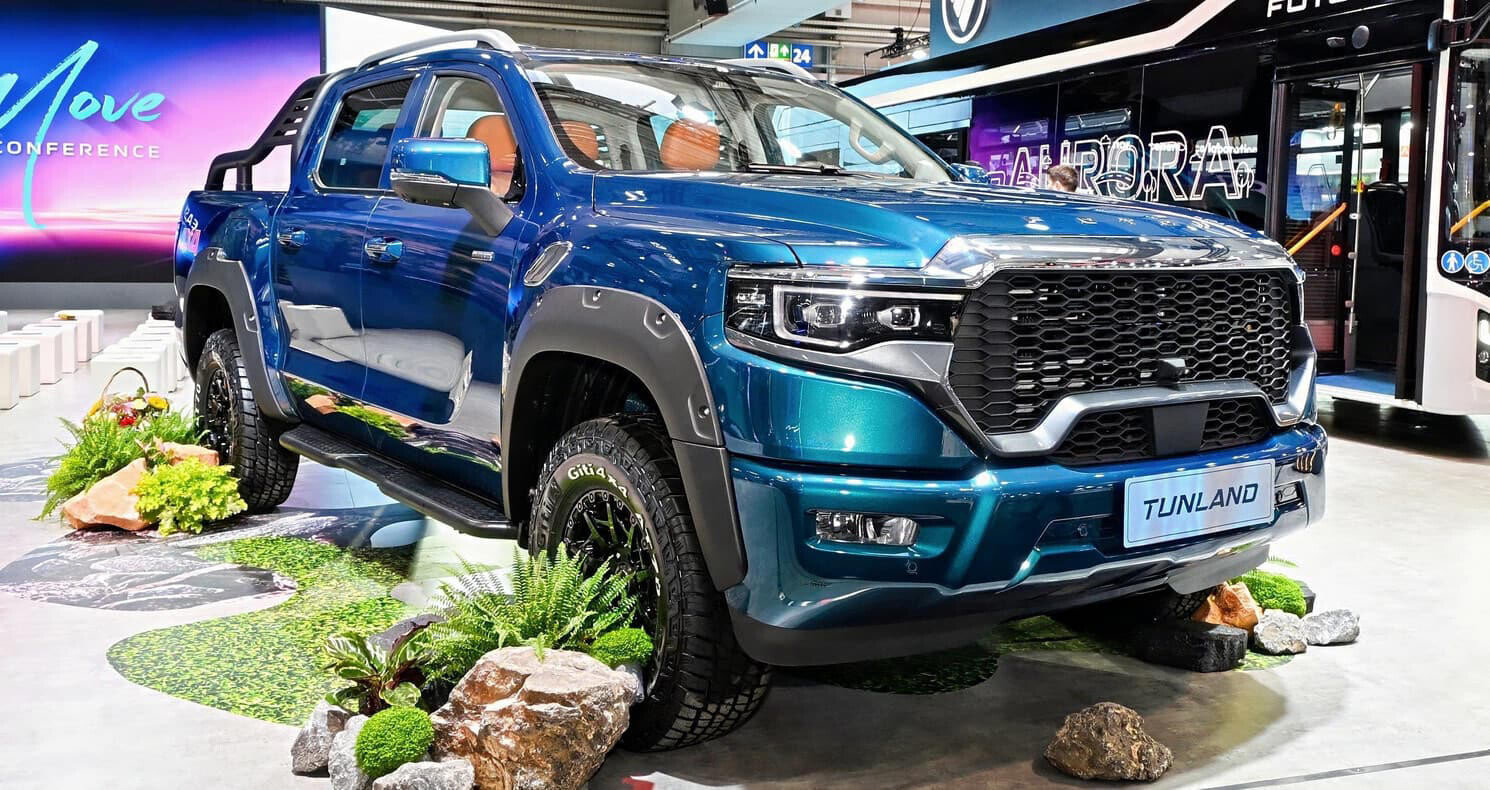
The BYD Ti7 has been available in China under the Fang Cheng Bao brand since September 2025 and was recently among the top 10 best-selling cars. Its angular body, upright front, and square wheel arches bear a resemblance to the Defender. In the UK, the model is set to be offered as a seven-seater starting in January 2027. The planned plug-in hybrid version combines a 1.5-litre turbocharged petrol engine with electric motors. The system output is 300 kW, and BYD says the 35.6-kWh battery provides up to 119 kilometres of electric WLTP range. The starting price is £47,995, significantly lower than the minimum £68,465 required for a seven-seat Land Rover Defender 110.
JLR and China
The Tata-owned British legacy carmaker has taken a Chinese automotive company to court over copyright infringements before. In 2019, JLR won a dispute against Jiangling Motor over the Landwind X7.
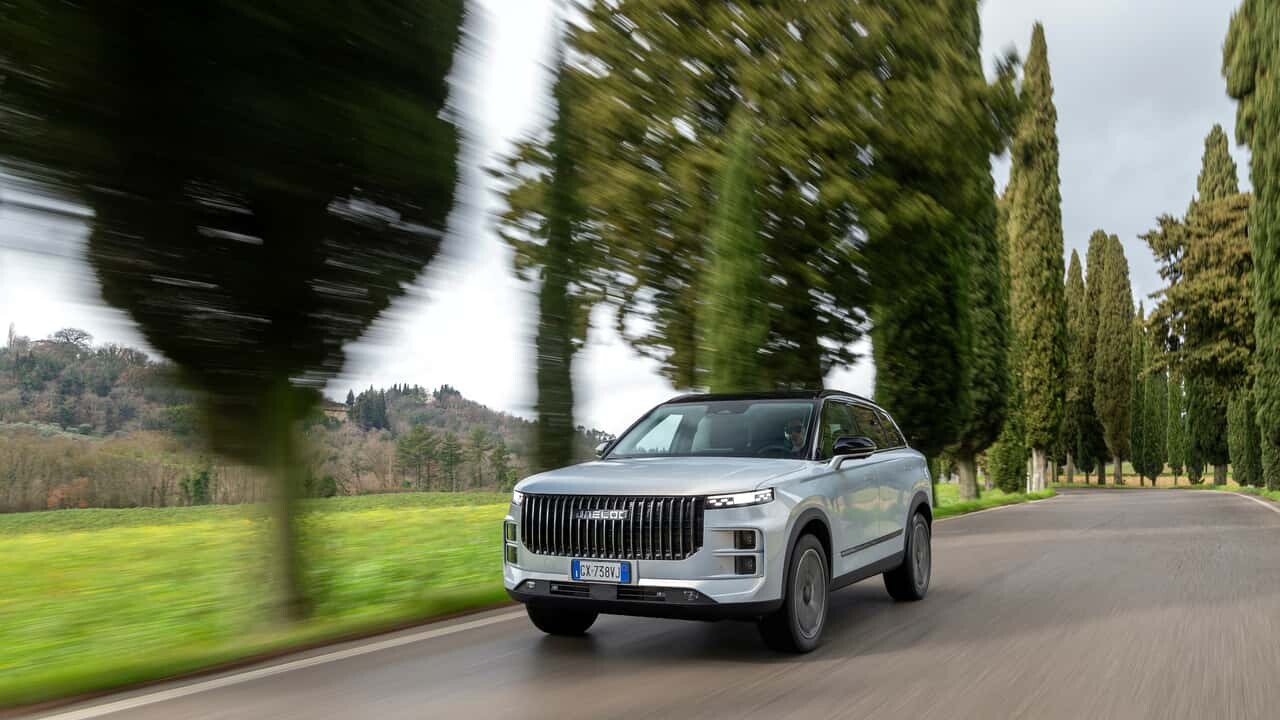
While the Chinese Freelander brand has a vehicle that is remarkably like JLR, this resemblance is both deliberate and legal, thanks to JLR’s long-standing joint venture with Chinese electric automaker Chery.
JLR’s involvement with Chery goes back to 2014. In 2018, Chery Jaguar Land Rover (CJLR) invested 7BN yen (over 900 million euros) in the local development and production of electric cars. This saw them turn their existing facility in Changshu into an EV testing, R&D and manufacturing site. In 2024, JLR and Chery created the joint venture brand Freelander. The same year, JLR signed an agreement allowing the Indian-owned British company to use Chery’s electric platform. Most recently, Freelander revealed its Concept 97 in Shanghai.
Including reporting by Carrie Hampel
agroportaal.nu (judgment in Dutch), theguardian.com, carnewschina.com, carscoops.com