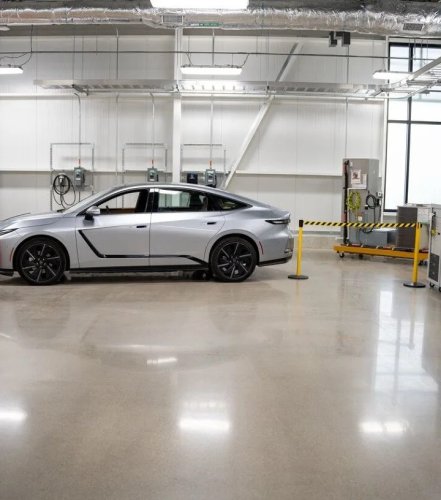
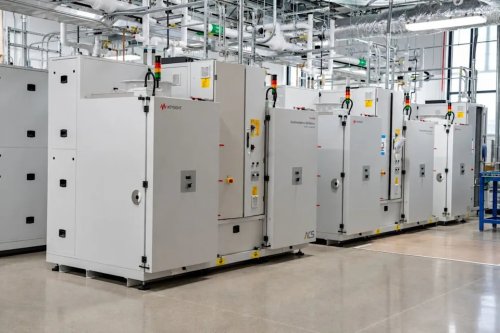
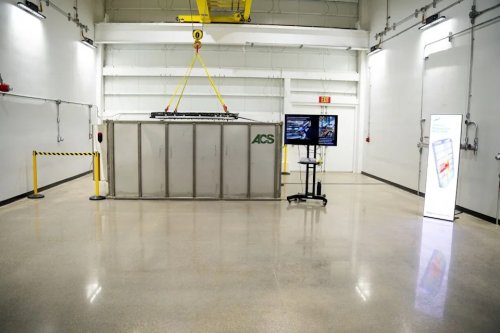
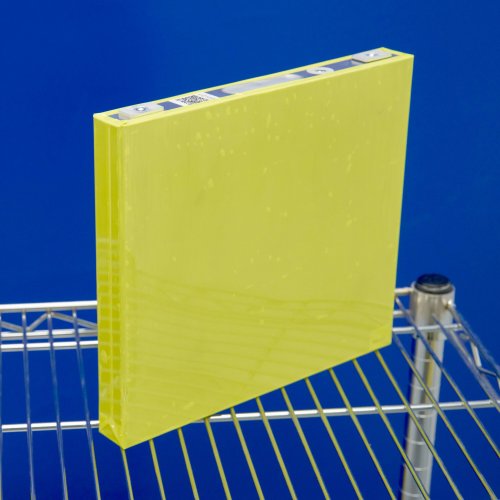
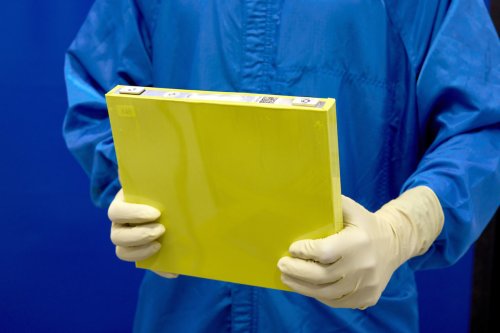
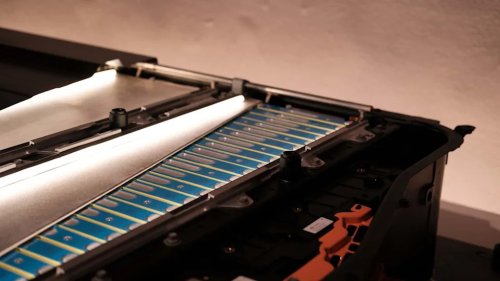
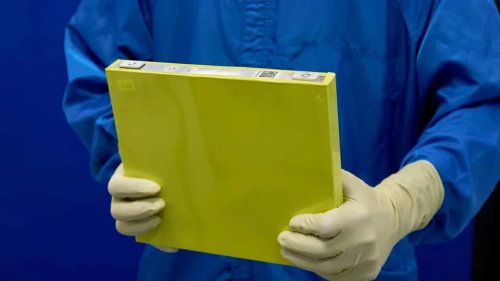
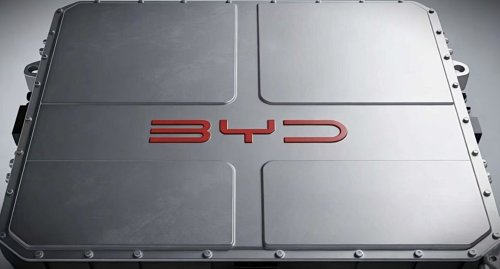
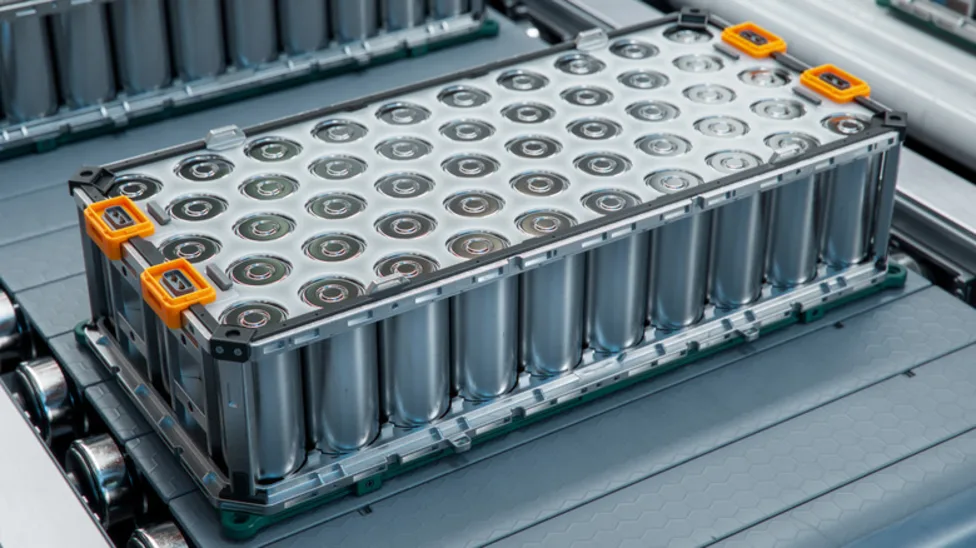
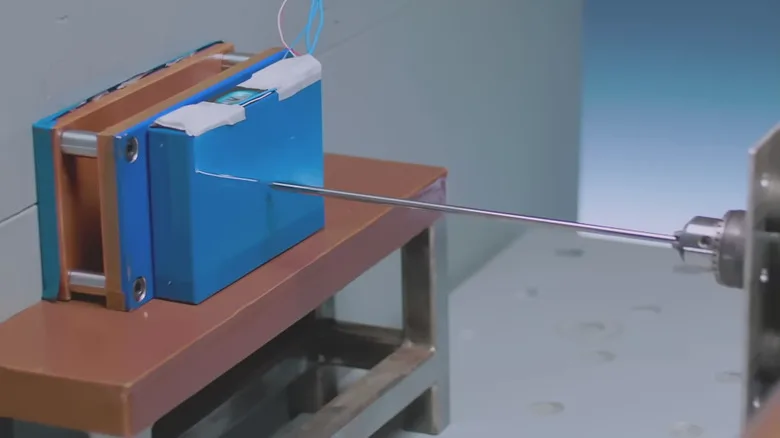
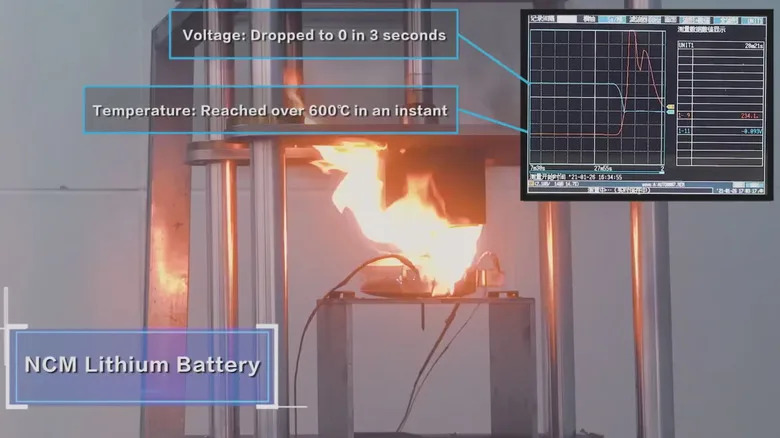
Sweetbunfactory/Getty ImagesAn electric vehicle's battery pack is built to withstand years of repeated charge and discharge cycles as part of its typical degradation cycle, but engineers must also test for instances of catastrophic physical damage. One way they test this is by the nail penetration test, wherein they deliberately drive a sharp object into a battery cell, simulating the conditions for an internal short circuit.The nail test reveals how well a battery controls heat and prevents thermal runaway, which is an uncontrollable chemical chain reaction in which rising heat leads to an increase in current that then generates even more heat — potentially causing fires or even explosions. This makes the nail test critical for advancing innovations in battery safety, boosting regulatory and consumer confidence.While the nail test sounds simple on paper, a lot of parameters affect its outcome, such as nail diameter, penetration speed, penetration location, and cell chemistry. A battery cell that passes the nail test will ideally remain stable with limited increases in temperature, which is to say no fires or explosions. Failing the nail test, on the other hand, initiates the process of thermal runaway in the cell, resulting in quick, violent, and superheated consequences.AdvertisementAdvertisementRead more: The Ten Dumbest Automotive Design MistakesHow the EV battery nail test worksCATL/YouTubeThe nail test is designed to simulate a severe form of mechanical damage wherein a sharp object — standard requirements dictate a nail or needle between 0.1 and 0.3 inches in diameter — is driven through a battery cell perpendicularly at up to 1.57 inches per second. This forms a direct electrical bridge between the cell's anode and cathode, which normally are separated, and can create a localized internal short circuit, producing heat in a small area. If enough heat is generated, the cell can enter thermal runaway and the battery pack stands the risk of catching fire.During the nail test, engineers monitor the battery for changes in temperature, gas production, smoke, flames, and other signs of failure. Sophisticated testing rigs can control the nail's position and movement precisely, while instrumented nails can measure temperature directly at the penetration point. Some laboratories can even measure electrical changes as the nail passes through the cell's internal layers.The consequences of failing the nail testBYD/XIn a battery that fails the nail test, stored electrical energy immediately rushes through the nail (or needle). This sudden energy discharge generates extreme localized heat, destabilizing the cell layers. Internal temperatures start rising beyond critical thresholds, and the cell enters thermal runaway. This immediately begins producing hazardous gases like hydrogen fluoride, building pressure within the sealed cell casing until it vents flammable fumes that can exceed temperatures of 1,500 degrees Fahrenheit. In a multi-cell battery pack, the intense heat transfers to neighboring cells and triggers a chain reaction that can have the entire car up in flames.AdvertisementAdvertisementBattery chemistry largely dictates the severity of failure in the nail test. The two most common kinds of EV batteries are lithium iron phosphate (LFP) and nickel manganese cobalt (NMC). LFP cells possess more stable chemical bonds than NMC ones and enter thermal runaway at higher temperatures (520 to 570 degrees Fahrenheit). Upon puncture, LFP cells are less likely to fail, but even if they do, the reaction is slower and the risk of fire spreading is low. Meanwhile, NMC batteries pack more energy than LFP ones within the same size, but have a lower thermal tolerance of 300 to 410 degrees Fahrenheit. That means NMC cells are much more likely to enter thermal runaway than LFP ones.Sure, a nail of a certain diameter puncturing a battery cell may sound pretty improbable in the real world, but instances like a small piece of debris flying up from the road at high speed and hitting the underbody shield, or severe deformation during a crash, aren't all that unlikely. That is exactly what makes the nail test a vital part of EV battery development and research.Want more like this? Join the Jalopnik newsletter to get the latest auto news sent straight to your inbox, and follow us or add us as a preferred search source on Google.Read the original article on Jalopnik.






















![Not sold on Tesla Powerwall? There are great battery alternatives out there [update]](https://cdn.topcarnews.net/thumb/id/aHR0cHM6Ly9pMC53cC5jb20vZWxlY3Ry-ZWsuY28vd3AtY29udGVudC91cGxvYWRz-L3NpdGVzLzMvMjAyNi8wNy9ob21lLXNv-bGFyLWJhdHRlcnkucG5nP3c9MTUwMCZh-bXA7cXVhbGl0eT04MiZhbXA7c3RyaXA9-YWxsJmFtcDtzc2w9MQ/18e81f395a77dbb42269ab5e106fea41.png?t=20261010&post_id=68280)










![Battery, Watt's up, doc? Huddig hybrid loader gets a big battery boost [video]](https://cdn.topcarnews.net/thumb/id/aHR0cHM6Ly9pMC53cC5jb20vZWxlY3Ry-ZWsuY28vd3AtY29udGVudC91cGxvYWRz-L3NpdGVzLzMvMjAyNi8xMC9odWRkaWct-aHlicmlkX21haW4uanBnP3c9MTUwMCZh-bXA7cXVhbGl0eT04MiZhbXA7c3RyaXA9-YWxsJmFtcDtzc2w9MQ/ea51c544798341190a5eed718aab1ee3.jpg?t=20261010&post_id=67784)
![Battery, Watt's up, doc? Huddig hybrid loader gets a big battery boost [video]](https://cdn.topcarnews.net/thumb/id/aHR0cHM6Ly9lbGVjdHJlay5jby93cC1j-b250ZW50L3VwbG9hZHMvc2l0ZXMvMy8y-MDI2LzEwL0hlcm9iYW5uZXJfVGlnb25f-MS1jbG9zZS1jb3B5LmpwZw/d26fab6fabc13bc13692cf5d41542493.jpg?t=20261010&post_id=67784)
![Battery, Watt's up, doc? Huddig hybrid loader gets a big battery boost [video]](https://cdn.topcarnews.net/thumb/id/aHR0cHM6Ly9lbGVjdHJlay5jby93cC1j-b250ZW50L3VwbG9hZHMvc2l0ZXMvMy8y-MDI1LzAzL0RFUy0xMDM4X0VsZWN0cmVr-LUJhbm5lcnNfRVZzXzA3OTdjMi5wbmc/e850e929e3168f8c7ff73cd888e54add.png?t=20261010&post_id=67784)