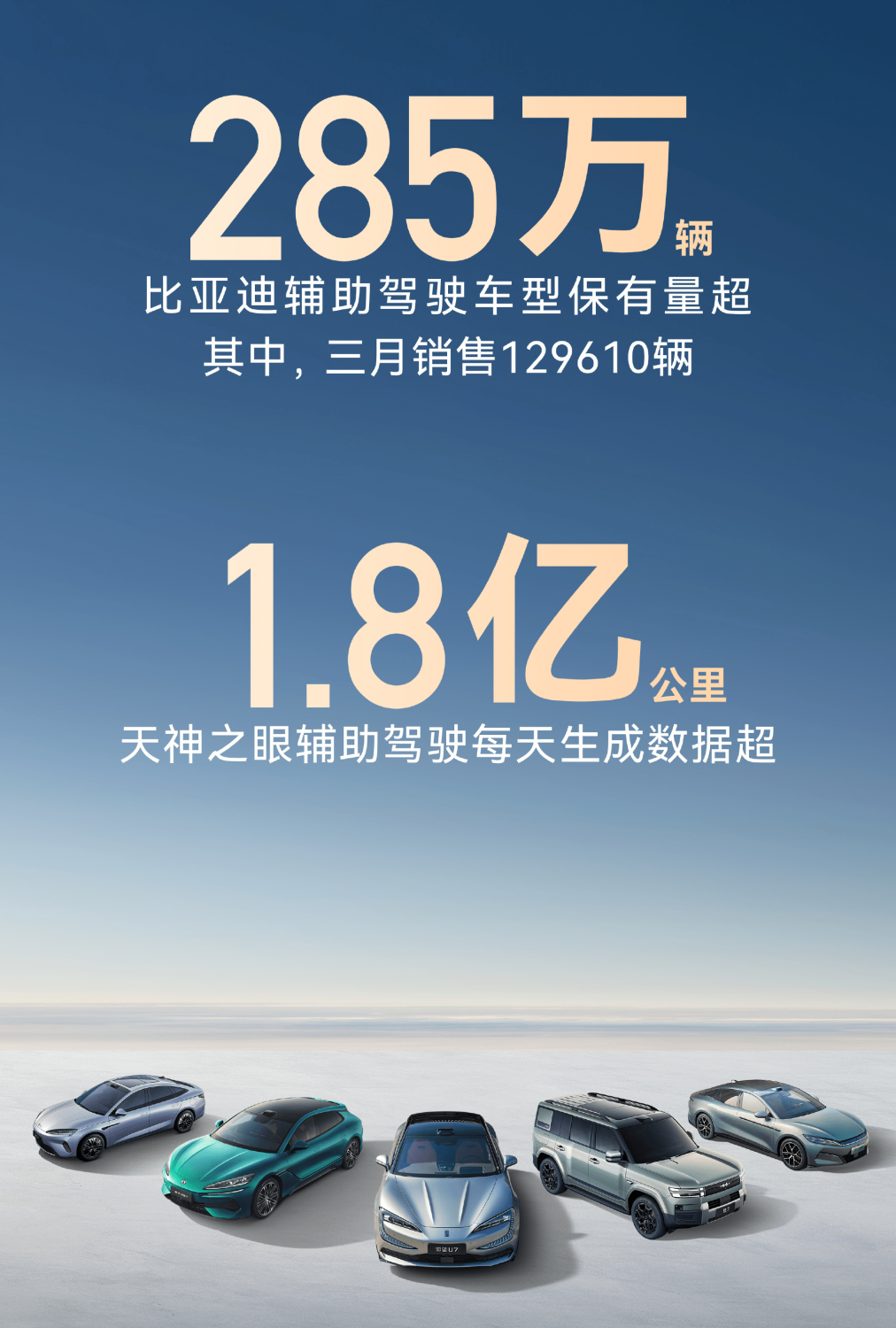
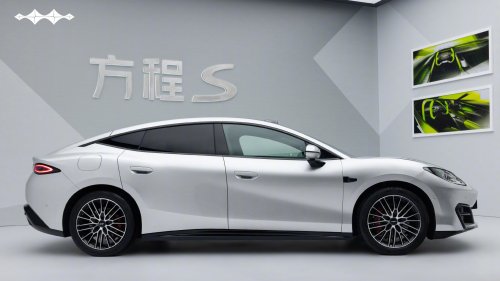
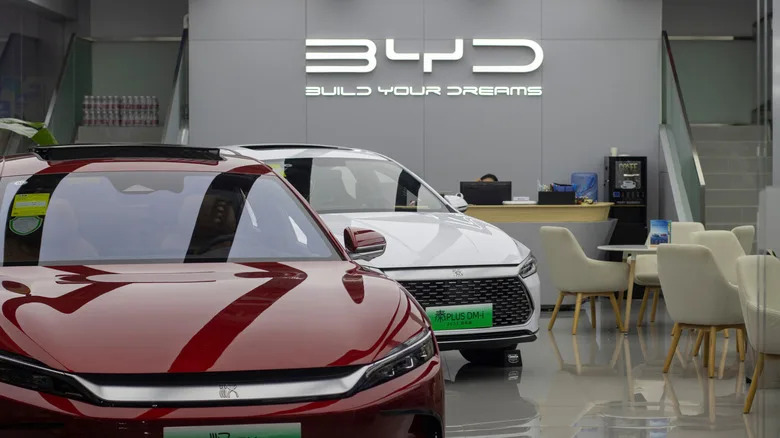
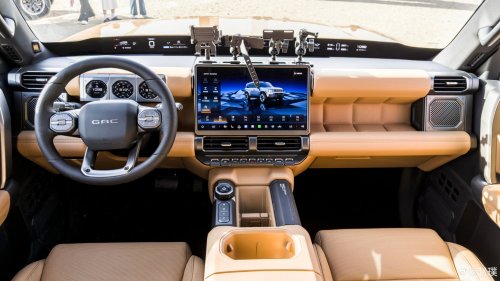
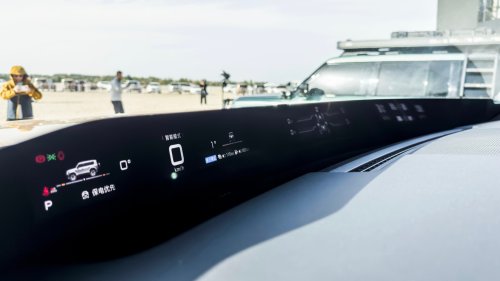
BYD officially announced today that, due to a significant rise in global storage hardware costs, the price for opting for the God’s Eye-B (DiPilot 300) assisted driving laser version on certain models (covering the Dynasty series, Ocean series, and Fangchengbao series) will be increased from RMB 9,900 (approx. USD 1,366) to RMB 12,000 (approx. USD 1,655), a hike of 21.2%. The specific opt-in policy for each model is subject to the product details shown on official channels. This option price adjustment will take effect on May 1, 2026. Customers who place orders with a deposit on or before April 30, 2026 will not be affected by this price change. BYD issues price hike notice It is understood that the price increase is driven by sustained supply chain pressures from rising global storage chip prices. Starting from the fourth quarter of 2025, memory products such as DRAM and NAND Flash entered a new cycle of price increases, with the three major giants — Samsung, SK Hynix, and Micron — successively raising contract prices. Data from Sigmaintell shows that in the first quarter of 2026, consumer electronics storage prices rose more than 60% quarter-on-quarter, NAND flash increased by 70%, and spot prices for enterprise-grade DDR5 memory chips surged by over 455%. From the current automotive industry perspective, assisted driving systems rely heavily on storage hardware. Real-time processing of lidar point cloud data and end-to-end large-model inference both require high-capacity, high-speed storage chips. The impact of rising storage costs on the BOM cost of assisted driving systems cannot be ignored. BYD’s assisted driving vehicle fleet exceeds 2.85 million units Over the past year, BYD has accelerated the penetration of assisted driving hardware across its various model lineups. Official data shows that as of April 15, BYD’s assisted driving vehicle fleet exceeded 2.85 million units, with the God’s Eye system generating over 180 million kilometers of data per day. Although BYD has not disclosed the exact number of users choosing the God’s Eye-B (DiPilot 300) option, it is foreseeable that this figure is not small. For example, among the first‑month deliveries of the Fangchengbao Titanium 7 (11,674 units), 85% of buyers opted for the top‑trim version equipped with the God’s Eye-B system. For the BYD Song Ultra EV, which launched at the end of March this year, the take‑rate for the God’s Eye-B option reached 45%. Whether BYD’s price increase for the assisted driving option will affect the brand’s overall market sales is something we will continue to watch. 85% of Fangchengbao TAI 7 buyers chose the top‑trim model in its first month of sales It is worth noting that in response to the current wave of storage chip price hikes, several auto executives have made clear statements. William Li, CEO of NIO, previously said that the cost impact of rising storage memory and other raw material prices on high‑end new energy vehicles is between RMB 3,000 (approx. USD 414) and RMB 5,000 (approx. USD 690) each, with a combined impact approaching RMB 10,000 (approx. USD 1,379). However, he stressed that NIO’s existing system can support the cost pressure, and the company has no plan to adjust prices for now. At a media briefing in April this year, NIO President Qin Lihong also clearly stated that the preset pricing for the new NIO ES9 and the expected reasonable profit margin have already taken into account the impact of raw material price fluctuations, and the company has made corresponding preparations within its capabilities. VOYAH’s response to the cost issue has been more straightforward. Lu Fang, CEO of VOYAH, said that the combined factors of rising upstream raw material prices and competition for core resources from the AI industry have brought additional costs to the company, which will ultimately be reflected in terminal selling prices. From an industry‑wide perspective, BYD is one of the first major automakers to formally announce a price adjustment in April this year. Which other automakers will follow suit is also worth watching.