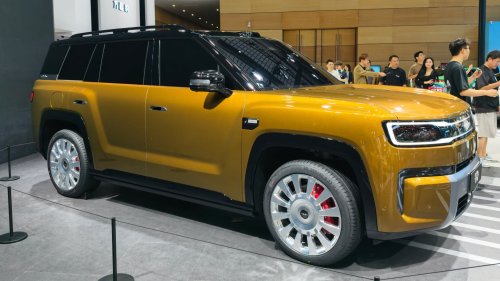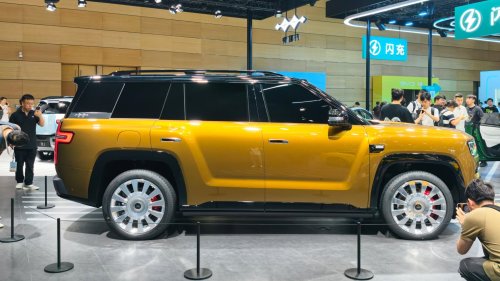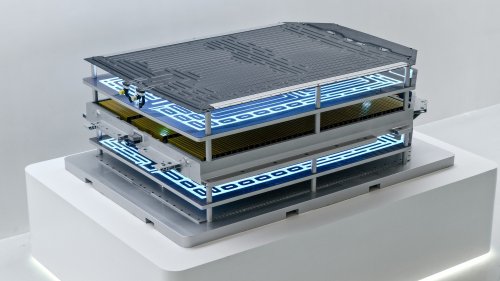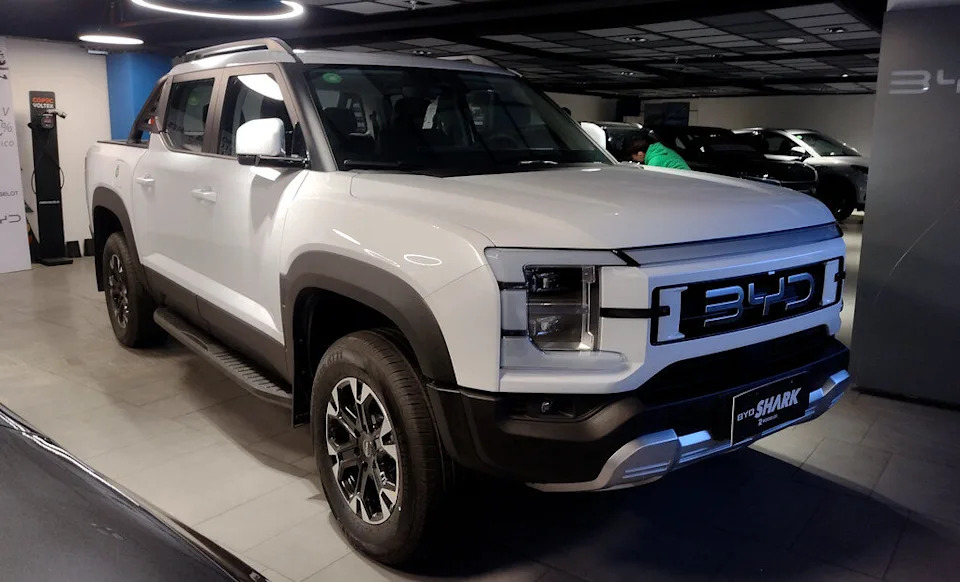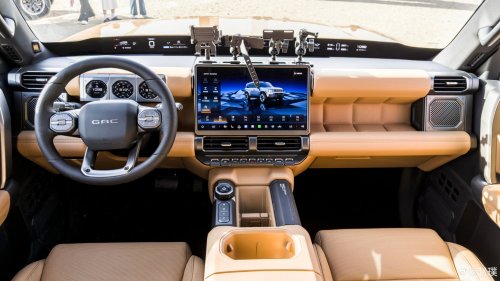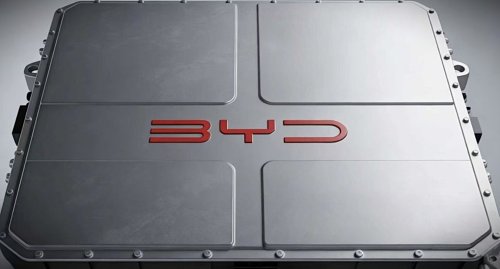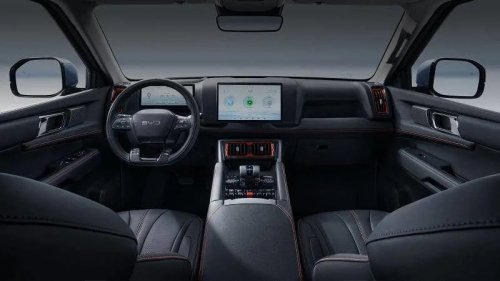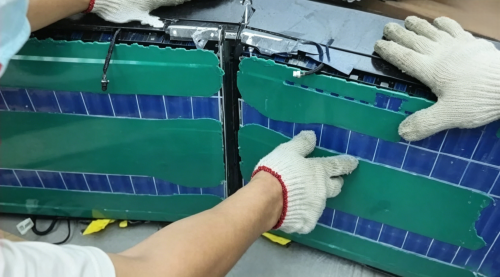
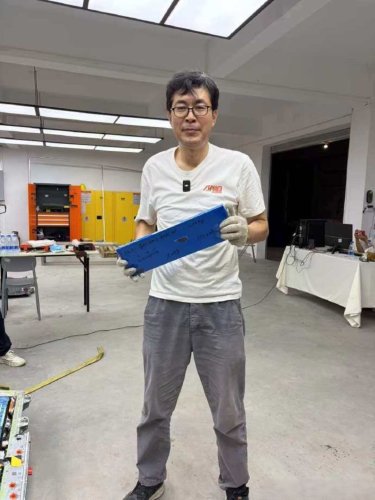
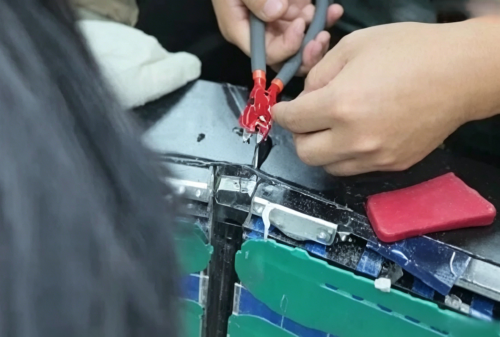
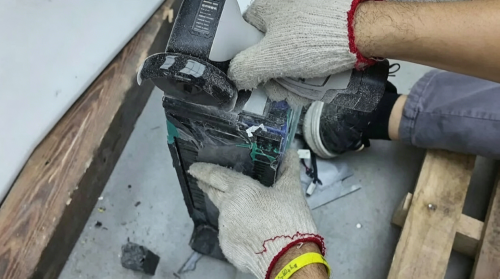
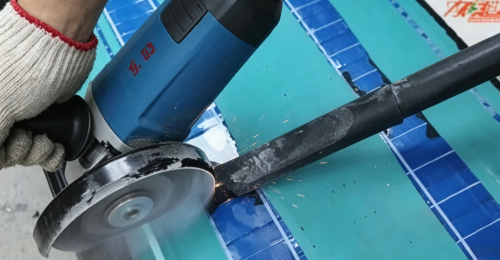
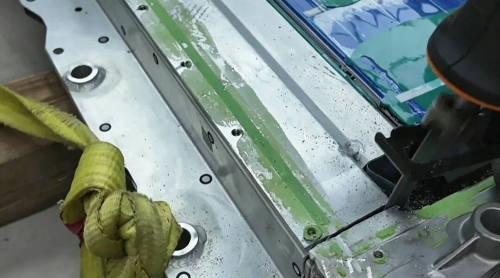
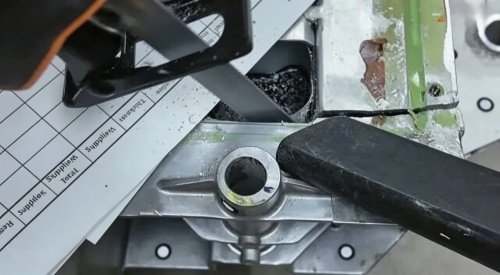
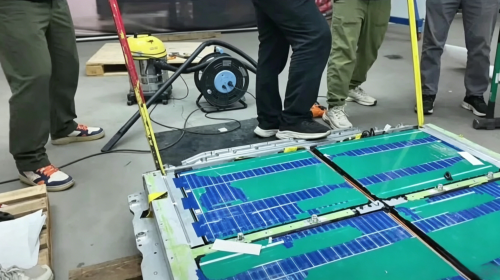
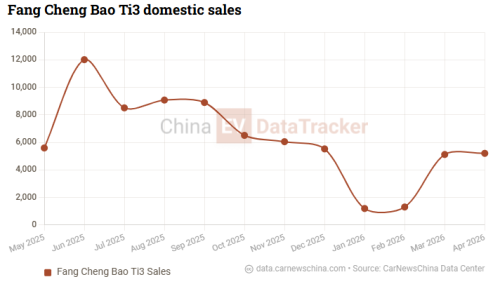


















Teardown team dismantling BYD Blade Battery using heavy-duty tools. Image enhanced by CNC. Understand China EV’s Market Real-time notifications when critical EV data is released All important data in one place 2,000,000+ data points Become a member A livestream teardown of BYD’s second-generation Blade Battery drew widespread attention in China after a team of automotive bloggers spent roughly six to eight hours dismantling a battery pack using power tools, including angle grinders, pry bars, electric saws, and hammers. The livestream followed earlier online discussions surrounding BYD’s flash-charging battery technology and battery temperatures during high-speed charging tests. Debates were triggered by the livestream testing of the company’s flash-charging system. BYD’s second-generation Blade Battery cell after an 8-hour livestream teardown using saws, hammers, and pry bars, Violent teardown process According to footage and screenshots circulated online, the teardown team attempted to open the battery pack using multiple heavy-duty tools. Chinese social media users described the process as a “violent teardown” because of the methods used and the extended dismantling time. The livestream operators reportedly stated that the pack required approximately eight hours before individual battery cells could be accessed. During the dismantling process, viewers reported that no visible smoke or fire occurred despite repeated impacts and cutting attempts. BYD’s second-generation Blade Battery pack during the livestream teardown process. Commentary on the livestream focused heavily on the battery pack’s structural rigidity. Online discussions referenced the pack’s sealing methods, thermal materials, and structural reinforcement. The teardown team reportedly identified only minor workmanship issues, such as uneven adhesive application. The livestream also triggered criticism from some Chinese automotive commentators, who questioned the professionalism and safety procedures used during the dismantling attempt. Critics pointed to the apparent lack of visible fire-suppression equipment and insulated protective gear during the livestream. Separately, we reported that BYD acknowledged battery supply constraints as demand for flash-charging EVs increased. BYD Blade Battery teardown reveals a high-strength battery pack structure during an extended livestream dismantling session. Fang Cheng Bao Ti3 sales context The teardown livestream also referenced the Fang Cheng Bao Ti3, which is equipped with BYD’s second-generation Blade Battery technology. Priced from 153,800 yuan (22,300 USD), the compact electric SUV supports fast charging, allowing a 10–70% recharge in about 5 minutes and a near-full recharge in roughly 9 minutes under ideal conditions. Positioned as an affordable off-road styled EV, it combines rugged design with BYD’s latest battery and platform integration. China EV DataTracker data showed Ti3 domestic sales reached 5,206 units in April 2026, up 70.8% year-on-year. The model accounted for 24.6% of Fang Cheng Bao brand sales during the month. BYD’s Fang Cheng Bao Ti3 sales in China till April, 2026. Credit: China EV DataTracker